




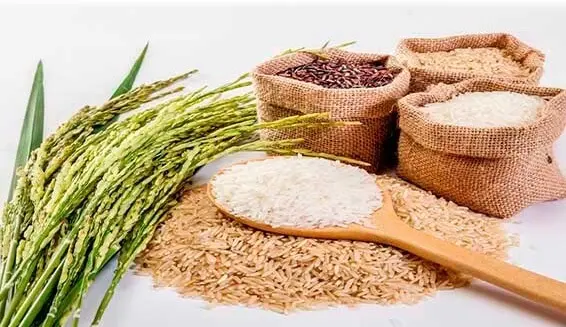
Who May Eat Rice on Pesach?
Who May Eat Rice on Pesach? Rice is permitted on Pesach in most Sephardic communities. The Gemara in Masechet Pesachim relates that one of the amoraim ate “...

10 Tishrei 5787
1140 articles
Who May Eat Rice on Pesach? Rice is permitted on Pesach in most Sephardic communities. The Gemara in Masechet Pesachim relates that one of the amoraim ate “...
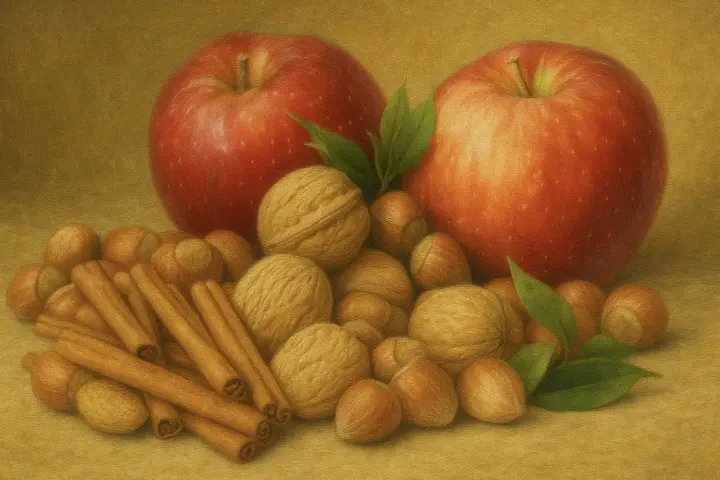
Charoset - Pesach and Shir HaShirim The word “charoset” first appears in the Mishnah (Pesachim 10:3) and means “clay.” There, the Sages explain that “charos...
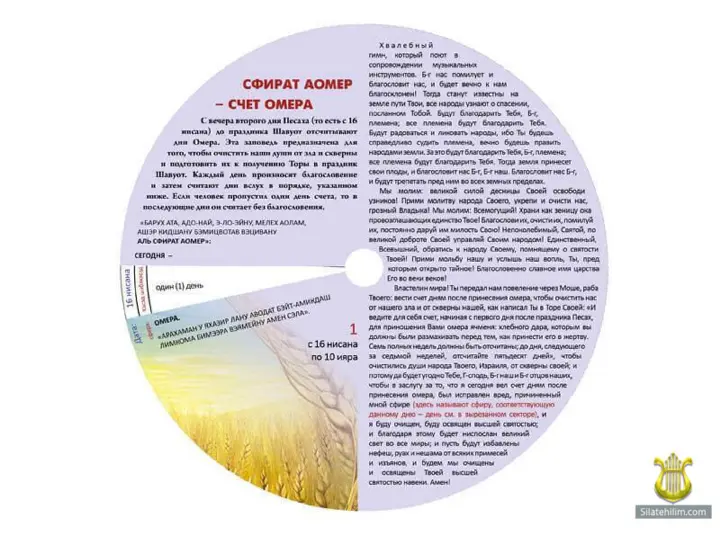
The Hidden Meaning of Sefirat HaOmer: 7 × 7 from the Creation of the World The Torah was given 49 days after the festival of Pesach. These 49 days are known as...
How to Become a Rothschild—Wealth Through Bizyonot The tzadik Rabbi Moshe of Chortkov related that the founder of the Rothschild family, Rabbi Meir-Anschel, be...
Erev Pesach – A Segula for Parnassah in the Merit of Rabbi Elimelech of Lizhensk Rabbi Chaim Palaggi of Izmir teaches that recounting a story of a miracle on t...
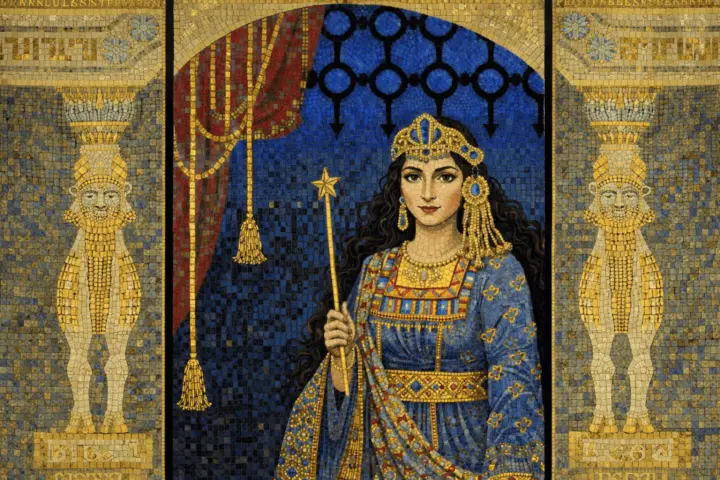
The Power of the Uv'khen Prayer—the Power of Esther to Emerge from Dead Ends and Impossible Situations Prayer ובכן “Uv'khen,” yitkadesh shimcha Ado-nai Elo-he...
Unusual Segulot of Rabbi Elimelech of Lizhensk, or the Benefits of a Red Dress Yiftach, of whom the Sages say: “Yiftach in his generation was like Moshe in his...
The Segula of Rabbi Ishmael Ha-Kohen Ha-Gadol and Who First Recited Kaddish The greatest Tanna, Rabbi Ishmael Ha-Kohen Ha-Gadol wrote in his Sefer “Heichalot” ...
Parashat HaNesi'im (The Offering of the Tribal Leaders) is the service of the 12 Tribes. (Bamidbar 7) Rabbi Natan Neta Shapira — the “Megaleh Amukot” — a great...
100 Blessings a Day — The Shield of King David for the Jewish People The Midrash «Bamidbar Rabbah» (18:17) states: «Every day, 100 people were dying in Isra...
Three “Ma” Words in Tehillim, or Who Asked Whom for What Commenting on a pasuk from Parshat Eikev: “And now, Israel, what does the L-rd, your G-d, ask of you?”...
Auspicious Days of the Month — The Segula of the Ben Ish Hai In the book “Niflaim Maasecha”, citing an ancient work, Ben Ish Hai describes every day of the mon...