Tikun HaGeshem
The Babylonian Talmud (Ta'anit 7b) says that the day of rain is great, for with its arrival salvation comes into the world; the day of rain is as great as the day of the resurrection of the dead; the day of rain is as great as the day on which Heaven and Earth were created.
On the second day of Creation [Monday], the L-rd separated the waters in order to create dry land.
The L-rd separated the waters, creating the upper waters [the atmosphere] and the lower waters [which fill the seas and oceans].
When rain falls, it comes from above. When we recite a blessing for
“rainfall of blessing and good fortune”, known in Hebrew as
“gishmei bracha ve-gishmei mazal”, the world becomes fruitful and alive.
When the first rain begins to fall, it merely moistens and smooths the earth slightly. But when the second rain begins to fall, in great abundance, the water has not yet had time to be absorbed by the earth after coming into contact with it. The second waters are called “
revia shniyah” (the second quarter)—this is called “
gishmei bracha.”
Blessed rain is when the “
lower waters” emerge onto the surface of the earth—“the deep calls to the deep”—and reunite with the waters descending from above.
The greatness of the day of rain is discussed in tractate Ta'anit 7b:
Rabbi Tanchum bar Chanilai said:
- “Rain falls only when the sins of Israel have been forgiven, as it is said in Tehillim 85:13—first concerning the sins of the nation, and then concerning the gracious rain.”
Rav Hoshaya said:
- “The day of rain is great, for even salvation multiplies and increases through it, as it is said: the earth will open (through the rain) and salvation will multiply.”
It is said in the Book of Job:
- “He loads the thick cloud with moisture; the clouds scatter His light”—and here, the light is none other than rain.”
How can this light be gathered? Through prayer.
Rain follows prayer. Until Adam was created and prayed for rain, there was no rain in the world. Prayer contains the keys by which this heavenly blessing can be attained.
Rabbi Mordechai Eliyahu—Rishon LeZion—said that in Beit Elokim we will go with the feeling of “nilech be
Re
Ge
SH”—with “
ruach” (wind), “
geshem” (rain), and “
sheleg” (snow).
The word “
matar” (heavy rain, downpour) is an acronym formed from three words: “
matar” (rain), “
tal” (dew), and “
ruach” (wind).
The mekubalim derived from the statement, “The day of rain is so great that even a coin in one’s pocket is blessed,” that a rainy day brings blessing for Parnassah.
In Aramaic, rain is “
guf,” which in Hebrew means
body, leading us to conclude that rain is also beneficial for the healing of the body.
Rabbi Pinchas of Koretz says that rain falling between Pesach and Shavuot provides excellent protection from illnesses that do not respond to treatment,
Rachmana litzlan. One should allow the rain to enter one’s mouth (some sages teach that it should enter the right side of the mouth).
For more details:
Segula for Refuah Shlemah – Rain Between Pesach and Shavuot
Ben Ish Chai reveals that while rain is falling, the
“ayin hara”, evil eye, does not operate in the world; therefore, all prayers receive a blessing.
Segulot for Parnassah through rain
1. On
Shemini Atzeret in the synagogue, with the Aron Kodesh parochet open, we ask for rain in the prayer:
“Mashiv haruach umorid hageshem” (Who makes the wind blow and brings down the rain).
The
Sefer נטעי גבריאל “Nitei Gavriel” states that a person in need of a respectable livelihood should recite
Tikun HaGeshem on any day.
One should recite the piyutim sung on Shemini Atzeret. But we must remember that when we ask for rain, our kavanah regarding rain should be solely for the Land of Israel; specifically through the rains in Israel, blessing comes to all of Am Yisrael, wherever they may be.
2. Kivrei Tzadikim
Rabbi Yosef Karo received a tradition from his
Maggid (an angel who taught him) that when there has been no rain in Israel for a long time, it is beneficial to go to the Kivrei Tzadikim—to circle the grave seven times while reciting Tehillim 29 and the prayer “Ana BeKoach.” This brings great blessing for Parnassah.
3. Itkashrut
Rabbi Avraham of Trisk of Tiberias, when there was no rain, would visit the grave of
Rabbi Chiya and his sons. Rabbi Yehuda HaNasi received knowledge from
Eliyahu HaNavi that Rabbi Chiya and his sons were on the level of Avraham, Yitzchak, and Yaakov.
Rabbi Shlomo Abulafia of Tiberias was so spiritually powerful that Rav Avraham of Trisk said to him: “You do not even need to go to the grave of a tzadik; simply pray with kavanah in my name”—this is the secret of “itkashrut,” connecting oneself to a tzadik.
4. Tractate “Shevuot”—when there is no rain, people should gather and study tractate “Shevuot” (oaths) together.
5. Tehillim 65 and Tehillim 85—these are a segula for rain and for Parnassah, which is closely connected with rain.
6. Recite “Vihi Noam” 91 times together with Psalm 91.
Tikun HaGeshem – A Segula for Parnassah
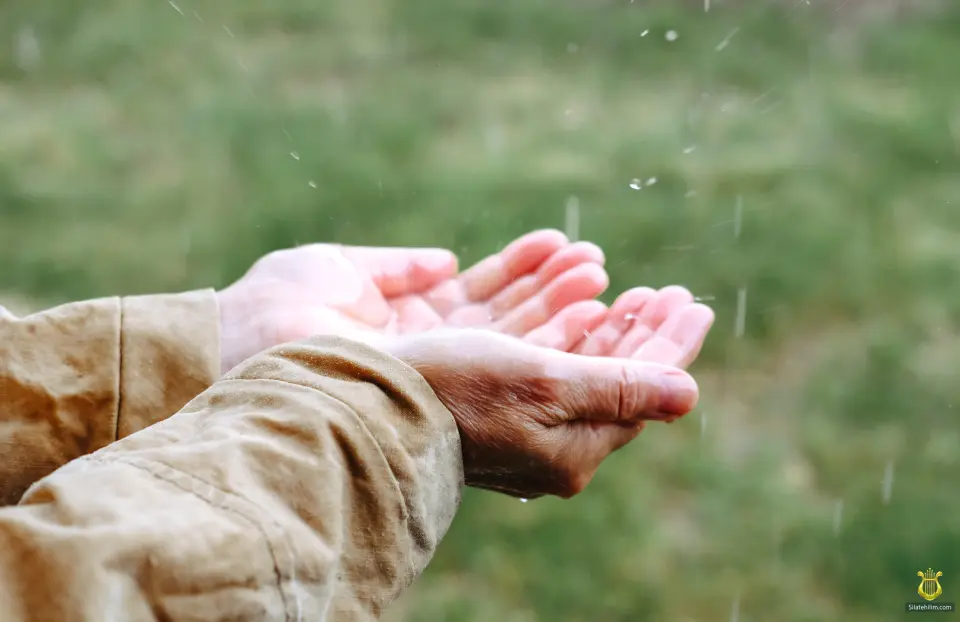
When it rains, it is beneficial to go outside and, in the rain, recite a piyut by the great paytan Rabbi Avraham ibn Ezra. He was also renowned for his famous Shabbat piyutim: “
Ki Eshmera Shabbat,” “
Agadelcha,” and others. His great piyut “
El Chai Yiftach” is recited on Shemini Atzeret when we ask for rain.
אֵל חַי יִפְתַּח “El Chai Yiftach”
אֵל חַי יִפְתַּח אוֹצְרוֹת שָׁמַיִם
יַשֵּׁב רוּחוֹ יִזְּלוּ מַיִם
El Chai Yiftach Otzrot Shamayim,
Yashev Rucho—Yizlu Mayim.
(The living G-d will open the treasuries of Heaven! He will make His wind blow—and the waters will flow.)
[Verse concerning Avraham]
בְּגִשְׁמֵי רָצוֹן תְּבָרֵךְ עֵדָה
בְּפַחֵי יָגוֹן כְּצִפּוֹר לְכוּדָה
בְּצִדְקַת אַב הָמוֹן הֵכִין סְעוּדָה
וְאָמַר יֻקַּח נָא מְעַט מַיִם
יַשֵּׁב רוּחוֹ יִזְּלוּ מַיִם
Be-Gishmei Ratzon Tevarech Edah,
Be-Fachei Yagon Ke-Tzipor Lekudah.
Be-Tzidkat Av Hamon Hechin Seudah
Ve-Amar: Yukach Na Me'at Mayim.
Yashev Rucho Yizlu Mayim.
(With rains of favor, bless the congregation, caught in the snares of sorrow like a bird in a trap; through the righteousness of the father of multitudes who prepared a meal and said: “Please take a little water.” Make Your wind blow and pour forth water.)
[Verse concerning Yitzchak]
גָּשֶׁם נְדָבוֹת מִשְּׁמֵי עֲלִיָּה
תּוֹרִיד בַּצִּיָּה רַב עֲלִילִיָּה
בְּצִדְקַת נֶעֱקַד בְּהַר הַמֹּרִיָּה
וְשָׁב וְחָפַר בְּאֵרוֹת הַמַּיִם
יַשֵּׁב רוּחוֹ יִזְּלוּ מַיִם
Geshem Nedavot Mi-Shmei Aliyah
Torid Ba-Tziyah Rav Aliliyah!
Be-Tzidkat Ne'ekad Be-Har HaMoriah,
Ve-Shav Ve-Chafar Be'erot HaMayim,
Yashev Rucho Yizlu Mayim.
(Bring down generous rain from the lofty Heavens, bring abundant deeds to the parched land; through the righteousness of the one bound on Mount Moriah, who returned and dug wells of water. Make Your wind blow and pour forth water.)
[Verse concerning Yaakov]
דְּלֵה עַמְּךָ מִמְּהוּמָה וְהַצֵּל
וְרוּחַ קָדְשְׁךָ עָלָיו הַאֲצֵל
בְּצִדְקַת אִישׁ תָּם מַקְלוֹת פִּצֵּל
בָּרְהָטִים בְּשִׁקֲתוֹת הַמַּיִם
יַשֵּׁב רוּחוֹ יִזְּלוּ מַיִם
Deleh Amecha Mi-Mehumah Ve-Hatzel.
Ve-Ruach Kodshecha Alav Ha'atzel.
Be-Tzidkat Ish Tam Maklot Pitzel.
Barhatim Be-Shikahot HaMayim,
Yashev Rucho Yizlu Mayim.
(Raise Your people from turmoil and save them. Bestow Your holy spirit upon them. Through the righteousness of the wholehearted man who peeled branches and placed them in the watering troughs, make Your wind blow and pour forth water.)
[Verse concerning Moshe]
הָאֵר פָּנִים עַל עַם דָּל בְּשַׁוְּעוֹ
נִלְכַּד בְּפִשְׁעוֹ וְעַל כֵּן אֵחַר יִשְׁעוֹ
בְּצִדְקַת עָנָו נָס מִפַּרְעֹה
וַיֵּשֶׁב עַל בְּאֵר הַמַּיִם
יַשֵּׁב רוּחוֹ יִזְּלוּ מַיִם
Ha'er Panav Al Am Dal Be-Shav'o,
Nilkad Be-Pisho Ve-Al Ken Echar Yisho,
Be-Tzidkat Anav Nas Mi-Paro,
Va-Yeshev Al Be'er HaMayim,
Yashev Rucho Yizlu Mayim.
(Illuminate Your face for the poor people who cry out, caught in their transgression and therefore delayed in their salvation; through the righteousness of the humble one who fled from Pharaoh and sat beside the well of water. Make Your wind blow and pour forth water.)
[Verse concerning Aharon]
וְתַזִּיל מִטְרוֹת עֹז מִמְּעוֹנִים
וּפֵרוֹת שָׁנָה יִהְיוּ דְשֵׁנִים
בְּצִדְקַת נִכְנַס לִפְנַי וְלִפְנִים
אַשֶׁר צֻוָּה עַל נִסּוּךְ הַמַּיִם
יַשֵּׁב רוּחוֹ יִזְּלוּ מַיִם
Ve-Tazil Mitrot Oz Mi-Me'onim,
U-Ferot Shanah Yihyu Deshenim.
Be-Tzidkat Nichnas Lifnai Ve-Lifnim,
Asher Tzuvah Al Nisuch HaMayim,
Yashev Rucho Yizlu Mayim.
(Pour down mighty rains from the clouds, and may the fruits of this year be lush; through the righteousness of the one who entered before You, into the innermost place, who was commanded regarding the pouring of the water. Make Your wind blow and pour forth water.)
[Verse concerning David]
זְכֹר רַחֲמֶיךָ יוֹצֵר מְאוֹרוֹת
וְצַוֵּה עָבֶיךָ יְרִיקוּן אוֹרוֹת
בְּצִדְקַת מֶלֶךְ נְעִים זְמִירוֹת
אֲשֶׁר אָמַר מִי יַשְׁקֵנִי מַיִם
יַשֵּׁב רוּחוֹ יִזְּלוּ מַיִם
Zechor Rachamecha Yotzer Me'orot,
Ve-Tzaveh Avecha Yerikun Orot.
Be-Tzidkat Melech Ne'im Zemirot,
Asher Amar: Mi Yashkeni Mayim?
Yashev Rucho Yizlu Mayim.
(Remember Your compassion, Creator of the luminaries, and command Your clouds to pour forth light; through the righteousness of the king who composed beautiful songs, who said: “Who will give me water to drink?” Make Your wind blow and pour forth water.)
[Verse concerning Elisha]
חַשְׁרַת מַיִם עַל יַבָּשָׁה
תַּזִּיל וְתוֹצִיא אֶבֶן הָרֹאשָׁה
בְּצִדְקַת לָקַח צְלוֹחִית חֲדָשָׁה
וְעַל יָדוֹ נִרְפְּאוּ הַמַּיִם
יַשֵּׁב רוּחוֹ יִזְּלוּ מַיִם
Chishrat Mayim Al Yabashah
Tazil Ve-Totzi Even HaRoshah.
Be-Tzidkat Lakach Tzeluchit Chadashah
Ve-Al Yado Nirpe'u HaMayim,
Yashev Rucho Yizlu Mayim.
(Pour out the gathered waters upon the dry land, and bring forth the uppermost stone. Through the righteousness of the one who took a new flask and healed the waters through it. Make Your wind blow and pour forth water.)
Prayer at the time of blessed rainfall
Prayer During Rainfall
(Based on a lesson by the Gaon Rabbi Yitzchak Cohen—a student of “Matok MiDvash”—and a lesson by Rabbi Yisrael Yakobov)
Please note: some articles on our site contain the holy Names of the Almighty. If you print these articles, they may not be thrown away or destroyed. Please handle printed copies with care and respect.