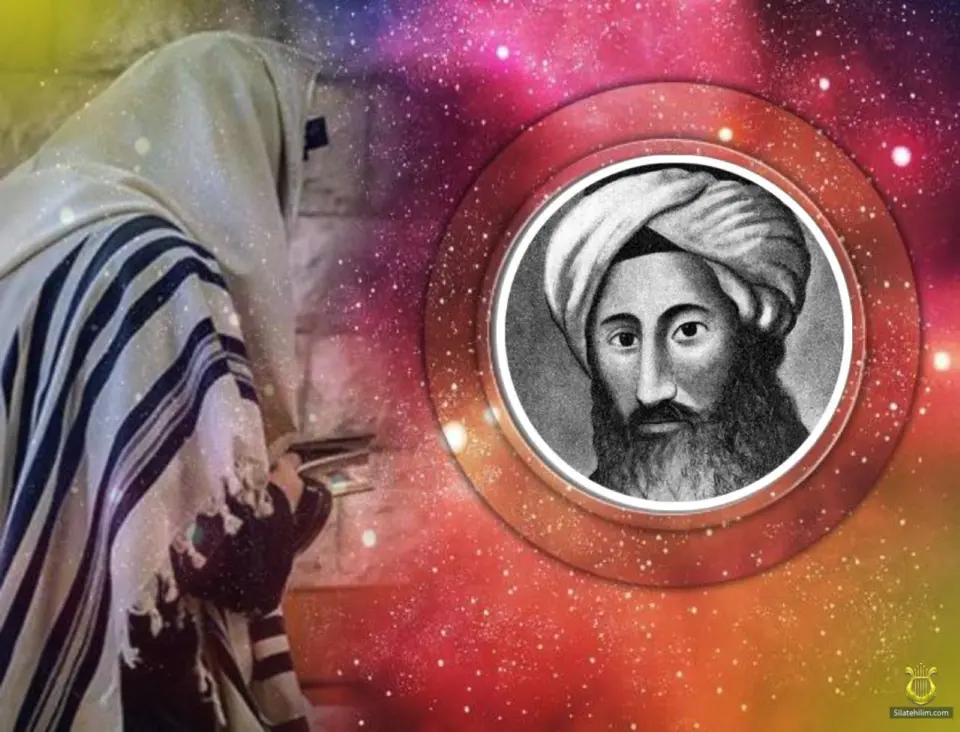
Rabbeinu Chida's segula against the harshest and most difficult decrees—Gezerot ve-Dinim
Before Birkat Shofar on Rosh Hashanah, Sephardic communities recite—or, more precisely, sing to a captivating melody—the piyyut “Oked ve-hane’ekad ve-hamizbe’ach” as part of the “Seder Tekiat Shofar.”
All Sephardic communities recite this piyyut on both days of Rosh Hashanah during Shacharit, once during Mincha, and on Yom Kippur before Ne’ilah. It was written in the twelfth century by Rabbi Yehudah ben Shmuel ibn Abbas of Fez, one of the great Torah scholars of the era of Rabbi Moshe ibn Ezra and Rabbi Yehudah Ha-Levi.
The first letters of each stanza of the piyyut form an acrostic of the author's name: “Abbas Yehudah Shmuel.” He lived in Fez, but his piyyutim reached the Jews of Sepharad, who embraced them with love. At the end of his life, he moved to Aleppo, Syria. The Sefer “Tahkemoni” states that Rabbi Yehudah ibn Abbas was beloved by all, and that his piyyutim were sung everywhere.
The Story of “Oked ve-hane’ekad ve-hamizbe’ach”
The story behind this piyyut is deeply moving and dramatic. Rabbi Yehudah ibn Abbas married a woman named Hannah who proved to be barren. One day, Hannah dreamed that she was reciting Tefillat Hannah, and in the dream she was promised that she would conceive and bear a son. When a son was indeed born, she named him Shmuel, after the son of the prophetess Hannah. The child grew up and was raised in the home of a tzadik, but at some point everything changed: while still young, he decided to abandon the faith of his fathers and converted to Islam. For four years, the boy could not bring himself to tell his father the truth. But when he turned eighteen, he wrote him a letter confessing everything. One can imagine the personal tragedy of a Sage of such stature, his pain, and all that he endured. Moreover, his son wrote a book called “Ashtakat Yehudim” (“How to Silence the Jews”), in which he attempted to undermine the fundamental principles of our faith. This finally broke Rabbi Yehudah’s heart.
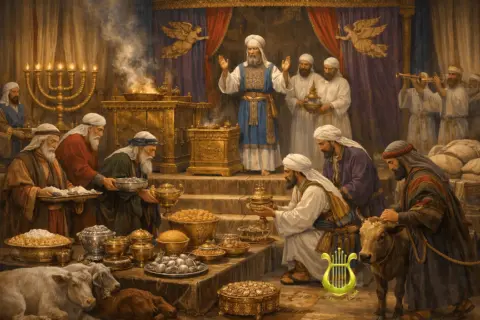
At one point in his life, following the wars that raged in Morocco, Rabbi Yehudah ibn Abbas decided to move to Syria. On the way, he decided to stop in Mosul, where his son Shmuel lived. Though brokenhearted, the Sage still hoped that, when they met, he could persuade his son to return to the faith of his fathers. On the journey, Rabbi Yehudah wrote a piyyut based on the theme of the prayer “Akedat Yitzchak,” whose central figures are the father, Avraham, in “Oked”; the son, Yitzchak, in “ve-hane’ekad”; and “ve-hamizbe’ach”—the altar.
Rabbi Yehudah seems to confess that, like Avraham Avinu, he too had no children for many years. Then a son was born, and he raised him in purity and holiness, in the study of Torah—but everything turned out differently from what he had dreamed. Now he presents his son upon the altar, but not as Yitzchak, who was a holy offering. He sees himself and his son—“Oked ve-hane’ekad”—upon this altar, filled with disappointment...
Rabbi Yehudah ibn Abbas’s heart could not withstand the pain. He never met his son; he died of grief on the way to Mosul. But he left us one of the most moving and exalted piyyutim, sung by Jewish communities throughout the world on the most powerful and significant days of the year for the Jewish people—Rosh Hashanah and Yom Kippur.
With faith and love for the Almighty, he nevertheless concluded the piyyut with words filled with hope for redemption: “Yinon ve-Eliyah ani shole’ach.”
Segulot
The Sefer “Shulchan Lechem HaPanim,” citing Rabbeinu Chida HaKadosh, gives several segulot associated with this piyyut:
- During labor: If a woman is experiencing a difficult and prolonged labor, several people should gather and recite this piyyut near the birthing room, and she will give birth immediately; (Netivot Ha-Ma’arav)
- For parents on behalf of their children: If children are experiencing serious difficulties or are ill;
- For tzarot (troubles) and issurim (tribulations): When a person is facing trouble, he should recite this piyyut with great kavanah. He should be confident that the harsh decree will be annulled; (“Shulchan Lechem HaPanim,” citing Rabbeinu Chida)
- For yeshuot (salvation): When the entire world or society is facing a collective calamity, the piyyut should be recited with kavanah and strength, so that the harsh decree will be annulled, for it arouses the aspect of the binding of Yitzchak, which in turn arouses Divine mercy; (“Shulchan Lechem HaPanim,” citing Rabbeinu Chida)
- For teshuvah: This piyyut is a segula for opening a path to teshuvah in the heart of any sinner, and for breaking a heart of stone so that it can turn to teshuvah.
In our times, when the world is in a state of war, it is beneficial to recite this together with “Akedat Yitzchak,” since the prayer “Akedat Yitzchak” itself annuls decrees, and combined with the piyyut, the power of the prayer is increased many times over.
The Prayer
- Akedat Yitzchak: The prayer is found here and in the siddurim: The "Akedat Yitzchak" with the Ben Ish Chai's Prayer in Aramaic
- “Ve-shachat oto”: “Ve-shachat oto al yerech hamizbe’ach tzafona, lifnei Ado-nai vezarku bnei Aharon hakohanim et-damo al-hamizbe’ach saviv”—(The animal brought as an offering must be slaughtered before G-d on the northern side of the altar, and the sons of Aharon, the kohanim, shall sprinkle its blood—the altar—on all sides). [It appears in the siddurim immediately after “Akedat Yitzchak.”] Kavanot of the Arizal for the annulment of the three severe sins can be found here: The Arizal's Kavanot in Korbanot—How to Atone for the 3 Cardinal Sins
- The piyyut “Oked ve-hane’ekad”: עֵת שַׁעֲרֵי רָצוֹן לְהִפָּתֵחַ [The first letters form the author's name: עבאש יהודה שמואל—“Abbas Yehudah Shmuel”] (It is beneficial to light a candle le-khavod Rabbi Yehudah ben Shmuel ibn Abbas and set aside tzedakah.)
Hebrew text
עֵת שַׁעֲרֵי רָצוֹן לְהִפָּתֵחַ
יוֹם אֶהְיֶה כַפַּי לְאֵל שׁוֹטֵחַ
אָנָּא זְכֹר נָא לִי בְּיוֹם הוֹכֵחַ
עוֹקֵד וְהַנֶּעְקָד וְהַמִּזְבֵּחַ
בָּאַחֲרִית נֻסָּה בְּסוֹף הַעְשָׂרָה
הַבֵּן אֲשֶׁר נוֹלַד לְךָ מִשָּׂרָה
אִם נַפְשְׁךָ בוֹ עַד מְאֹד נִקְשָׁרָה
קוּם הַעֲלֵהוּ לִי לְעוֹלָה בָרָה
עַל הַר אֲשֶׁר כָּבוֹד לְךָ זוֹרֵחַ
עוֹקֵד וְהַנֶּעְקָד וְהַמִּזְבֵּחַ
אָמַר לְשָׂרָה כִּי חֲמוּדֵךְ יִצְחָק
גָּדַל וְלֹא לָמַד עֲבוֹדַת שַׁחַק
אֵלֵךְ וְאוֹרֵהוּ אֲשֶׁר לוֹ אֵל חָק
אָמְרָה לְכָה אָדוֹן אֲבָל אַל תִּרְחַק
עָנָהּ יְהִי לִבֵּךְ בְּאֵל בּוֹטֵחַ
עוֹקֵד וְהַנֶּעְקָד וְהַמִּזְבֵּחַ
שָׁחַר וְהִשְׁכִּים לַהֲלֹךְ בַּבֹּקֶר
וּשְׁנֵי נְעָרָיו מִמְּתֵי הַשֶּׁקֶר
יוֹם הַשְּׁלִישִׁי נָגְעוּ אֶל חֵקֶר
וַיַּרְא דְּמוּת כָּבוֹד וְהוֹד וָיֶקֶר
עָמַד וְהִתְבּוֹנָן לְהִמָּשֵׁחַ
עוֹקֵד וְהַנֶּעְקָד וְהַמִּזְבֵּחַ
יָדְעוּ נְעָרָיו כִּי קְרָאָם לֵאמֹר
אוֹר הַרְּאִיתֶם צָץ בְּרֹאשׁ הַר הַמֹּר
וַיֹּאמְרוּ לֹא נֶחֱזֶה רַק מַהְמוֹר
עָנָה שְׁבוּ פֹה עַם מְשׁוּלִים לַחֲמוֹר
וַאֲנִי וְהַנַּעַר לְהִשְׁתַּטֵּחַ
עוֹקֵד וְהַנֶּעְקָד וְהַמִּזְבֵּחַ
הָלְכוּ שְׁנֵיהֶם לַעֲשׂוֹת בִּמְלָאכָה
וַיַּעֲנֶה יִצְחָק לְאָבִיו כָּכָה
אָבִי רְאֵה אֵשׁ וַעֲצֵי מַעְרָכָה
אַיֵּה אֲדֹנִי שֶׂה אֲשֶׁר כַּהְלָכָה
הַאַתְּ בְּיוֹם זֶה דָּתְךָ שׁוֹכֵחַ
עוֹקֵד וְהַנֶּעְקָד וְהַמִּזְבֵּחַ
וְיַעֲנֶה אָבִיו בְּאֵל חַי מַחְסֶה
כִּי הוּא אֲשֶׁר יִרְאֶה לְעוֹלָה הַשֶּׂה
דַּע כָּל אֲשֶׁר יַחְפֹּץ אֱלֹהִים יַעְשֶׂה
נִבְנֶה בְנִי הַיּוֹם לְפָנָיו כִּסֵּא
אָז יַאֲמִיר זֶבַח וְהַזּוֹבֵחַ
עוֹקֵד וְהַנֶּעְקָד וְהַמִּזְבֵּחַ
דָּפְקוּ בְּשַׁעֲרֵי רַחֲמִים לִפְתֹּחַ
הַבֵּן לְהִזָּבַח וְאָב לִזְבֹּחַ
קֹוִים לְאֵל וּבְרַחֲמָיו לִבְטֹחַ
קוֹיֵ יְיָ יַחֲלִיפוּ כֹחַ
דָּרְשׁוּ בְּנַחֲלַת אֵל לְהִסְתַּפֵּחַ
עוֹקֵד וְהַנֶּעְקָד וְהַמִּזְבֵּחַ
הֵכִין עֲצֵי עוֹלָה בְּאוֹן וָחַיִל
וַיַּעֲקֹד יִצְחָק כְּעָקְדוֹ אַיִל
וַיְהִי מְאוֹר יוֹמָם בְּעֵינָם לַיִל
וַהְמוֹן דְּמָעָיו נוֹזְלִים בַּחַיִל
עַיִן בְּמַר בּוֹכָה וְלֵב שָׂמֵחַ
עוֹקֵד וְהַנֶּעְקָד וְהַמִּזְבֵּחַ
שִׂיחוּ לְאִמִּי כִּי שְׂשׂוֹנָהּ פָּנָה
הַבֵּן אֲשֶׁר יָלְדָה לְתִשְׁעִים שָׁנָה
הָיָה לְאֵשׁ וּלְמַאֲכֶלֶת מָנָה
אָנָה אֲבַקֵּשׁ לָהּ מְנַחֵם אָנָה
צַר לִי לְאֵם תִּבְכֶּה וְתִתְיַפֵּחַ
עוֹקֵד וְהַנֶּעְקָד וְהַמִּזְבֵּחַ
מִמַּאֲכֶלֶת יֶהֱמֶה מִדְבָּרִי
נָא חַדְּדָהּ אָבִי וְאֶת מַאְסָרִי
חַזֵּק וְעֵת יֵקַד יְקוֹד בִּבְשָׂרִי
קַח עִמְּךָ הַנִּשְׁאָר מֵאֲפָרִי
וֶאְמֹר לְשָׂרָה זֶה לְיִצְחָק רֵיחַ
עוֹקֵד וְהַנֶּעְקָד וְהַמִּזְבֵּחַ
וְיֶהֱמוּ כָּל מַלְאֲכֵי מֶרְכָּבָה
אוֹפַן וְשָׂרָף שׁוֹאֲלִים בִּנְדָבָה
מִתְחַנְּנִים לָאֵל בְּעַד שַׂר צָבָא
אָנָּא תְּנָה פִדְיוֹם וְכֹפֶר הָבָה
אַל נָא יְהִי עוֹלָם בְּלִי יָרֵחַ
עוֹקֵד וְהַנֶּעְקָד וְהַמִּזְבֵּחַ
אָמַר לְאַבְרָהָם אֲדוֹן שָׁמַיִם
אַל תִּשְׁלְחָה יָד אֶל שְׁלִישׁ אוּרַיִם
שׁוּבוּ לְשָׁלוֹם מַלְאֲכֵי מַחְנַיִם
יוֹם זֶה זְכוּת לִבְנֵי יְרוּשָׁלַיִם
בּוֹ שַׁעֲרֵי רַחְמִים אֲנִי פּוֹתֵחַ
עוֹקֵד וְהַנֶּעְקָד וְהַמִּזְבֵּחַ
לִבְרִיתְךָ שׁוֹכֵן זְבוּל וּשְׁבֻעָה
זָכְרָה לְעֵדָה סוֹעֲרָה וּנְגוּעָה
וּשְׁמַע תְּקִיעָה תּוֹקְעָה וּתְרוּעָה
וֶאְמֹר לְצִיּוֹן בָּא זְמַן הַיְשׁוּעָה
יִנּוֹן וְאֵלִיָּה אֲנִי שׁוֹלֵחַ
עוֹקֵד וְהַנֶּעְקָד וְהַמִּזְבֵּחַ
Transliteration and Translation
ET SHAAREI RATZON LEHIPATEACH.
YOM EHYEH KAPAI LE-EL SHOTEACH.
ANA ZEKHOR-NA LI BEYOM HOKHEACH.
OKED VE-HANE’EKAD VE-HAMIZBE’ACH.
The time has come for the gates of favor to open.
The day when I stretch out my hands to G-d.
Please remember me on the day of judgment,
The binder, the bound, and the altar.
BA-AKHARIT NUSA BESOF HA-ASARA.
HA-BEN ASHER NOLAD LEKHA MI-SARA.
IM NAFSHEKHA VO AD MEOD NIKSHARA.
KUM HA-ALEHU LI LE-OLA VARA.
AL HAR ASHER KAVOD LEKHA ZOREACH.
OKED VE-HANE’EKAD VE-HAMIZBE’ACH.
At the beginning he was tested; at the end, by ten:
The son whom Sarah bore for you,
To whom your soul is deeply bound,
Rise and offer him to Me as a pure burnt offering,
Upon the mountain where I will shine glory upon you,
The binder, the bound, and the altar.
AMAR LE-SARA KI HAMUDEKH YITZCHAK.
GADAL VELO LAMAD AVODAT SHACHAK.
ELEKH VE-OReHU ASHER LO EL CHAK.
AMERA LEKHA ADON AVAL AL TIRCHAK.
ANA YEHI LIBEKHA BE-EL BOTEACH.
OKED VE-HANE’EKAD VE-HAMIZBE’ACH.
He said to Sarah: “Your beloved Yitzchak has grown,
Yet he has not learned the ways of heaven’s service.
I will go and teach him about the G-d who decrees.”
She said: “Go, my master, but do not go far.”
He answered: “May your heart trust in G-d,”
The binder, the bound, and the altar.
SHAKHAR VE-HISHKIM LA-HALEKH BABOKER.
USHNEI NEARAV MIMTEI HA-SHEKER.
YOM HA-SHELISHI NAGU EL HEKER.
VA-YAR DEMUT KAVOD VE-HOD VA-YEKER.
AMAD VE-HITBONEN LE-HIMASHEACH.
OKED VE-HANE’EKAD VE-HAMIZBE’ACH.
Dawn broke, and he rose early to set out in the morning,
With his two young men, people of falsehood.
On the third day they reached their destination.
He saw an image of glory, majesty, and honor.
He stood and gazed, preparing to be anointed.
The binder, the bound, and the altar.
YADEU NEARAV KI KERAAM LEMOR.
OR HAR’ITEM TZATZ BEROSH HAR HAMOR.
VA-YOMERU LO NEKHEZEH RAK MAHMOR.
ANA SHEVU FO AM MESHULIM LA-HAMOR.
VA-ANI VE-HANA’AR LE-HISHTATACH.
OKED VE-HANE’EKAD VE-HAMIZBE’ACH.
His young men understood that he had called them, saying:
“Did you see the light shining at the summit of Mount Mor?”
They said: “We saw nothing but a donkey.”
He replied: “Stay here, people compared to a donkey,
While I and the boy go to prostrate ourselves.”
The binder, the bound, and the altar.
HALEKHU SHNEHEM LA-ASOT BIMLAKHA.
VA-YA’ANEH YITZCHAK LE-AVIV KAKHA.
AVI RE’EH ESH VA-ATZEI MA’ARAKHA.
AYEH ADONI SEH ASHER KA-HALAKHA.
HA-AT BE-YOM ZEH DATEKHA SHOKHEACH.
OKED VE-HANE’EKAD VE-HAMIZBE’ACH.
The two went together to perform the task,
And Yitzchak addressed his father:
“My father, look—there is fire and wood for the arrangement,
But where is the lamb that we are to bring according to halachah?
Have you forgotten your obligation today?”
The binder, the bound, and the altar.
VA-YA’ANEH AVIV BE-EL CHAI MAKHASEH.
KI HU ASHER YIR’EH LE-OLA HA-SEH.
DA KOL-ASHER YAKHPOTZ ELOHIM YA’ASEH.
NIVNEH BENI HAYOM LEFANAV KISEH.
AZ YA’AMIR ZEVACH VE-HAZOVE’ACH.
OKED VE-HANE’EKAD VE-HAMIZBE’ACH.
His father answered, placing his trust in the living G-d:
“He will provide the lamb for a burnt offering.
Know that whatever G-d desires, He will do.
Let us build, my son, a throne before Him,
And then He will declare who is the offering and who is the one who offers!”
The binder, the bound, and the altar.
DAFKEU BE-SHAAREI RAKHAMIM LIFTOACH.
HA-BEN LEHIZABACH VE-AV LIZBOACH.
KOVIM LE-EL UVE-RAKHAMAV LIVTOACH.
KOVEI ADO-NAI YAKHALIFU KOACH.
DIRSHU BE-NAKHALAT EL LE-HISTAPEACH.
OKED VE-HANE’EKAD VE-HAMIZBE’ACH.
Knock at the gates of mercy, that they may open:
The son to be offered and the father to offer,
Hoping in G-d and trusting in His mercy.
Those who hope in the L-rd will renew their strength.
Seek to join the inheritance of G-d.
The binder, the bound, and the altar.
HEKHIN ATZEI OLA BE-ON VA-KHAYIL.
VA-YAKOD YITZCHAK KE-OKDO AYIL.
VA-YEHI MEOR YOMAM BE-EINAM LAYIL.
VA-HAMON DEMAAV NOZELIM BA-KHAYIL.
AYIN BE-MAR BOKHA VE-LEV SAMEACH.
OKED VE-HANE’EKAD VE-HAMIZBE’ACH.
He prepared the wood for the burnt offering with strength and courage.
He bound Yitzchak as one binds a ram.
The light of day became night in their eyes,
And countless tears flowed abundantly.
The eye wept bitterly, while the heart rejoiced.
The binder, the bound, and the altar.
SIKHU LE-IMI KI SESONA PANA.
HA-BEN ASHER YALDA LE-TISH’IM SHANA.
HAYA LE-ESH U-LA-MAAKHELET MANA.
ANA AVAKESH LA MENAKHEM ANA.
TZAR LI LE-EM TIVKEH VE-TITYAPEACH.
OKED VE-HANE’EKAD VE-HAMIZBE’ACH.
Tell my mother, for her joy has turned away,
About the son whom she bore at ninety years of age.
He has become a portion for fire and the knife.
Where shall I seek a comforter for her?
Woe is me that my mother weeps and sobs.
The binder, the bound, and the altar.
MI-MAAKHELET YEHEME MIDBARI.
NA KHADDEDAH AVI VE-ET MAASARI.
KHAZEK VE-ET YIKAD YEKOD BIVSARI.
KAKH IMKHA HA-NISH’AR ME-AFARI.
VE-EMOR LE-SARA ZEH LE-YITZCHAK REIACH.
OKED VE-HANE’EKAD VE-HAMIZBE’ACH.
The knife has made my words tremble with fear.
Please sharpen it, my father, as finely as a butcher’s knife.
When the fire burns in my flesh,
Take with you what remains of my ashes,
And tell Sarah: “This is the fragrance of Yitzchak.”
The binder, the bound, and the altar.
VA-YEHEMU KOL MALAKHEI MERKAVA.
OFAN VE-SARAF SHOALIM BINDAva.
MITHANENIM LA-EL BE-AD SAR TZAVA.
ANA TENAH PIDYOM VE-KHOFER HAVA.
AL NA YEHI OLAM BE-LI YAREACH.
OKED VE-HANE’EKAD VE-HAMIZBE’ACH.
All the angels of the Merkavah were shaken,
Ofanim and Serafim pleaded willingly,
Entreating G-d through the prince of the host:
“Please grant him ransom and atonement!
Let the world not exist without fragrance.”
The binder, the bound, and the altar.
AMAR LE-AVRAHAM ADON SHAMAYIM.
AL TISHELKHA YAD EL SHELISH URAYIM.
SHUVU LE-SHALOM MALAKHEI MAKhanayim.
YOM ZEH ZEKHUT LIVNEI YERUSHALAYIM.
BO SHAAREI RAKHAMIM ANI FOTEACH.
OKED VE-HANE’EKAD VE-HAMIZBE’ACH.
The Master of Heaven said to Avraham:
“Do not stretch out your hand against the third of the radiant hosts!
Return in peace, angels of the camps.
This day is a merit for the children of Jerusalem.
On it I open the gates of mercy.”
The binder, the bound, and the altar.
LI-VRITKHA SHOKHEN ZEVUL U-SHVUA.
ZOKHRA LE-EDAH SOARAH U-NEGU'AH.
U-SHEMA TEKIA TOKEA BI-TERUA
[On Shabbat: U-SHEMA TEFILAT ZAKHERA LI-TERUA]
VE-EMOR LE-TZIYON BA ZEMAN HA-YESHUA.
YINON VE-ELIYAH ANI SHOLEACH.
YINON VE-ELIYAH ANI SHOLEACH.
For Your covenant, O Dweller in the heavens, and Your oath,
Remember the storm-tossed and afflicted community.
Hear the tekiah, the teki'ah, and the teru'ah blasts.
And say to Zion: The time of salvation has arrived.
Yinon (the Mashiach) and Eliyahu I am sending.
Yinon (the Mashiach) and Eliyahu I am sending.
(Based on a lesson by the Gaon Rabbi Yitzchak Cohen, a student of “Matok MiDvash,” on Yom Kippur; translation and transliteration by Rav Alexander Tzvi Sypkov)
Please note: some articles on our site contain the holy Names of the Almighty. If you print these articles, they may not be thrown away or destroyed. Please handle printed copies with care and respect.