“Akeidat Yitzchak” with the Ben Ish Chai’s Aramaic prayer
In “Akeidat Yitzchak”, the Almighty addresses Abraham for the second time with the words לך לך “Lech Lecha” (“go forth for yourself”)—the first time being when He commanded Abraham to leave his homeland. The gematria of לך לך “Lech Lecha” is 100. The holy Zohar reveals that in “Akeidat Yitzchak”, exactly 100 keys have been prepared for every Jew; by reciting this prayer, one opens the door one needs. One must pray with the proper kavanah when saying the words לך לך “Lech Lecha”. The Ben Ish Chai writes that everyone should recite a special formula in Aramaic before the prayer of “Akeidah”. Through this prayer—the formula recited every day—a person will be saved from the curse about which Rashbi writes in “Idra Rabbah” (folio 141, side 2). And the L-rd “withholds no good from those who walk uprightly.” (Tehillim 84:12)The Ben Ish Chai’s prayer before “Akeidat Yitzchak”
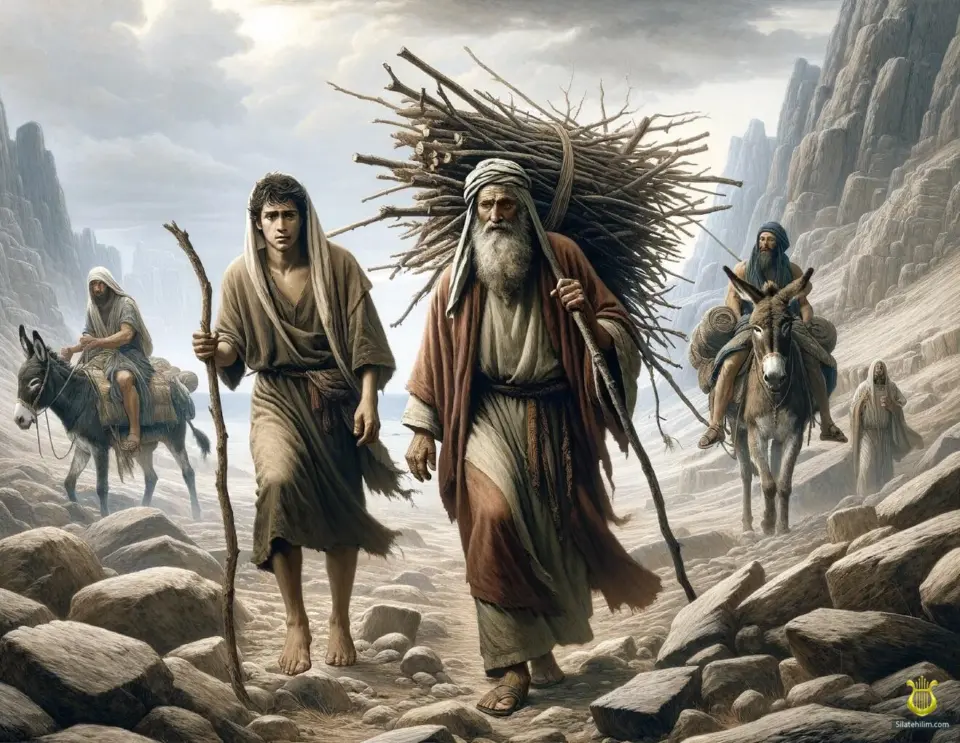
רִבּוֹן עָֽלְמָא יְהֵא רַעֲוָא קַמָּךְ לְמֵיהַב לָן חֵילָא לְאִתְעֲרָא בִּיקָרָךְ, וּלְמֶעְבַּד רְעוּתָךְ, וּלְסַדְּרָא כֹֽלָּא כִּדְקָא יָאוּת. וְאַף עַל גַּב דְּלֵית אֲנַן יָֽדְעִֽין לְשַׁוְּאָה רְעוּתָא וְלִבָּא לְתַקְּנָא כֹֽלָּא, יְהֵא רַעֲוָא קַמָּךְ דְּתִתְרְעֵי בְמִלִּין וּצְלוֹתָא דִּילָן, לְתַקָּנָא תִּקּוּנָא דִלְעֵלָֽא כִּדְקָא יָאוּת, וְלֶהֱווּ הֵיכָלִין עִלָּאִין, וְרוּחִין עִלָּאִין עַיְלֵי הֵיכָלָא בְּהֵיכָלָא, וְרוּחָא בְּרוּחָא, עַד דְּמִתְחַבְּרָן בְּדוּכְתַּיְהוּ כִּדְקָא חָזֵי, שַׁיְפָא בְשַׁיְפָא, וְאִשְׁתְּלִימוּ דָּא בְדָא, וְאִתְיַחֲדוּ דָּא בְדָא עַד אִנּוּן חָד, וְנַהֲרִין דָּא בְדָא, וּכְדֵין נִשְׁמְתָא עִלָּאָה דְכֹלָּא אַתְיָא מִלְּעֵלָּא וְנָהִיר לוֹן, וְלֶהֱווּ נְהִירִין כֻּלְּהוּ בוֹצִינִין בִּשְׁלִימוּ כִּדְקָא חָזֵי, עַד דְּהַהוּא נְהוֹרָא עִלָּאָה אִתְּעַר, וְכֹלָּא אָעִיל לְגַבֵּי קֹדֶשׁ קָדָשִׁים, וְאִתְבָּרְכָא וְאִתְמַלְיָא כְּבֵירָא דְמַיִּין נָבְעִין וְלָא פָסְקִין, וְכֻלְּהוּ מִתְבָּרְכָן לְעֵלָּא וְתַתָּא, וְהַהוּא דְלָּא אִתְיְדַע וְלָא אָעִיל בְּחוּשְׁבָּנָא רְעוּתָא דְלָא אִתְּפַס לְעָלְמִין בָּסִים לְגוֹ לְגוֹ בְּגַוָּיְהוּ וְלָא אִתְיְדַע הַהוּא רְעוּתָא וְלָא אִתְּפַס לְמִנְדַּע, וּכְדֵין כֹּלָּא רְעוּתָא חֲדָא עַד אֵין סוֹף וְכֹלָּא אִיהוּ בִּשְׁלִימוּ מִלְּתַתָּא וּמִגּוֹ לְגוֹ עַד דְּאִתְעָבִיד כֹּלָּא חָד, וְאִתְמַלְיָא כֹּלָּא וְאִשְׁתְּלִים כֹּלָּא וְאִתְנְהִיר וְאִתְבַּסָּם כֹּלָּא כִּדְקָא יָאוּת: רִבּוֹן עָֽלְמָא יְהֵא רְעוּתָךְ עִם עַמָּךְ יִשְׂרָאֵל לְעָלַם, וּפֻרְקַן יְמִינָךְ אַחֲזֵי לְעַמָּךְ בְּבֵית מַקְדְּשָׁךְ, וּלְאַמְטוּיֵי לָנָא מִטּוּב נְהוֹרָךְ, וּלְקַבְּלָא צְלוֹתָנָא בְּרַחֲמֵי, יְהֵא רַעֲוָא קַמָּךְ דְּתֶהֱוֵי סָעִיד וְסָמִיךְ לָן, דְּנֵימָא מִלִּין בְּאֹרַח מֵישַׁר, בְּתִקּוּנָא דִלְעֵלָּא, בְּתִקּוּנִין דְּמַלְכָּא קַדִּישָׁא וּמַטְרוֹנִיתָא קַדִּישָׁא, וּלְמֶעְבַּד יִחוּדָא שְׁלִים, לְאַשְׁלָפָא לְהַהִיא נִשְׁמְתָה דְכָל־חַיֵי מִדַּרְגָּא לְדַרְגָּא עַד סוֹפָא דְכָל־דַרְגִּין, בְּגִין דְּתֶהֱוֵי הַהִיא נִשְׁמְתָא מִשְׁתַּכְּחָא בְּכֹלָּא וּמִתְפַּשְּׁטָא בְּכֹלָּא, דְּהָא עֵילָּא וְתַתָּא תַּלְיָן בְּהַהִיא נִשְׁמְתָא וּמִתְקַיְּמֵי בָהּ: “Ribon Alma! Yehei raava kamach lemeihav lan cheila leit’ara bikarach, u-leme’evad re’utach, u-lesadara kula ki-deka ya’ot. Ve-af al gav de-leit anan yadin le-shavya re’uta ve-liba le-takana kula, yehei raava kamach de-titre’ei be-milin u-tzelota di-lan, le-takana tikuna di-le’eila ki-deka ya’ot, ve-lehevei heichalin ila’in ve-ruchin ila’in, ailei heichala be-heichala, ve-rucha be-rucha, ad de-mitchabran be-duchtaihu ki-deka chazei, sheifa ve-sheifa, ve-ishtlimu da ve-da, ve-ityachadu da ve-da ad innun chad, ve-naharin da ve-da. U-chedein nishmeta ila’a de-chola atya mil’eila, ve-naher lon, ve-lehevei nehirin kulhu botzin be-shleimut ki-deka chazei. Ad de-hahu nehورا ila’a it’ar ve-chola a’il legabei Kodesh Kodashim, ve-itbarcha ve-itmalyah ke-beira de-mayin nav’in ve-la paskin. Ve-cholhu mitbarchan le-eila ve-tata. Ve-hahu de-la ityeda ve-la a’il be-chushbana, re’uta de-la itpas le-almin basim le-go le-go be-gavaihu, ve-la ityeda hahu re’uta ve-la itpas le-minda. U-chedein kula re’uta chada ad Ein Sof, ve-chola ihu bi-shleimut milta u-mi-go le-go ad de-it’avid kula chad, ve-itmalyat kula ve-ishtlem kula, ve-itnehir ve-itbasem kula ki-deka ya’ot. Ribon Alma! Yehei re’utach im amach Yisrael le-alam, u-furkan yeminach achazei le-amach be-Veit Mikdashach, u-leamtuyey lana mi-tuv nehorach, u-lekabala tzlotana be-rachamei. Yehei raava kamach de-tehevei sa’ad ve-samech lan, de-neima milin be-orach mishor, be-tikuna di-le’eila, be-tikunim de-Malka Kadisha u-Matronita Kadisha, u-leme’evad yichuda shlem, le-ashlafa le-hahu nishmeta de-chol chayei mi-darga le-darga ad sofa de-chol dargin. Be-gin de-hevei hahu nishmeta mishtakcha be-chola u-mitpashta be-chola, de-ha eila ve-tata tlein be-hai nishmeta u-mitkaymei ba”. Translation Master of the universe! May it be Your will to grant us the strength to awaken in the radiance of Your glory, fulfill Your will, and arrange everything in its proper order. Although we are unable to unite our will and our hearts to accomplish all this, may it be Your will to graciously accept the words of our prayer, so that through it the proper rectification of the supernal worlds may be accomplished; that the supernal palaces and supernal spirits may rise upward until they reach their proper places; that they may attain perfection within one another and unite in complete oneness, illuminating one another. Then the supernal soul encompassing all things will descend from above and illuminate them, so that all the lamps will shine perfectly, as is proper, until that supernal light is awakened. Everything will then enter the Holy of Holies, be blessed and filled, and become like a wellspring of flowing waters that never cease. May all be blessed above and below. That which cannot be known or grasped, and whose will can never be comprehended, is sweetened and suffused with fragrance within. That will remains unknowable and beyond comprehension. Then everything becomes one will, extending to Ein Sof; everything is perfected below and within, until all becomes one. Everything is filled, perfected, illuminated, and sweetened, as is proper. Master of the universe! May Your will be with Your people Israel forever, and may the redemption of Your right hand be revealed to Your people in Your Holy Temple. Grant us to partake of the goodness of Your light, and accept our prayer with compassion. May it be Your will to support and strengthen us, so that we may utter these words honestly, for the sake of rectifying the supernal realms, for the sake of the Holy King and the holy Matron, and to bring about a complete unification; to raise the soul of all living things, Nishmat Kol Chai, from level to level, to the highest of all levels. May that soul be found in everything and spread throughout everything, for the higher and lower realms depend upon it and are sustained by it.” Introduction אֱלֹקינוּ וֵאלֹקי אֲבוֹתֵינוּ זָכְרֵנוּ בְּזִכָּרוֹן טוֹב לְפָנֶיךָ, וּפָקְדֵנוּ בִּפְקֻדַּת יְשׁוּעָה וְרַחֲמִים מִשְּׁמֵי שְׁמֵי קֶדֶם, וּזְכָר לָנוּ יי אֱלֹקינוּ אַהֲבַת הַקַּדְמוֹנִים אַבְרָהָם יִצְחָק וְיִשְׂרָאֵל עֲבָדֶיךָ, וְאֶת הַבְּרִית וְאֶת הַחֶסֶד וְאֶת הַשְּׁבוּעָה שֶׁנִּשְׁבַּעְתָּ לְאַבְרָהָם אָבִינוּ בְּהַר הַמּוֹרִיָּה, וְאֶת הָעֲקֵדָה שֶׁעָקַד אֶת יִצְחָק בְּנוֹ עַל גַּבֵּי הַמִּזְבֵּחַ, כַּכָּתוּב בְּתוֹרָתֶךָ: ELokeinu ve-Elokei avoteinu, zachreinu be-zicharon tov lefanֶcha, u-fokdeinu bi-fekudat yeshuah ve-rachamim mi-shmei shemei kedem, u-zchor lanu Adonai Elokeinu ahavat ha-kadmonim—Avraham, Yitzchak ve-Yisrael, avadecha, ve-et ha-berit ve-et ha-chesed ve-et ha-shevuah she-nishbata le-Avraham avinu be-Har HaMoriah, ve-et ha-Akeidah she-akad et Yitzchak beno al gabbei ha-mizbe'ach, ka-katuv be-Toratecha: The prayer of “Akeidat Yitzchak” א וַיְהִי אַחַר הַדְּבָרִים הָאֵלֶּה וְהָאֱלֹוקים נִסָּה אֶת-אַבְרָהָם וַיֹּאמֶר אֵלָיו אַבְרָהָם וַיֹּאמֶר הִנֵּנִי: ב וַיֹּאמֶר קַח-נָא אֶת-בִּנְךָ אֶת-יְחִידְךָ אֲשֶׁר-אָהַבְתָּ אֶת-יִצְחָק וְלֶךְ-לְךָ אֶל-אֶרֶץ הַמֹּרִיָּה וְהַעֲלֵהוּ שָׁם לְעֹלָה עַל אַחַד הֶהָרִים אֲשֶׁר אֹמַר אֵלֶיךָ: ג וַיַּשְׁכֵּם אַבְרָהָם בַּבֹּקֶר וַיַּחַבשׁ אֶת-חֲמֹרוֹ וַיִּקַּח אֶת-שְׁנֵי נְעָרָיו אִתּוֹ וְאֵת יִצְחָק בְּנוֹ וַיְבַקַּע עֲצֵי עֹלָה וַיָּקָם וַיֵּלֶךְ אֶל-הַמָּקוֹם אֲשֶׁר-אָמַר-לוֹ הָאֱלֹקים ד בַּיּוֹם הַשְּׁלִישִׁי וַיִּשָּׂא אַבְרָהָם אֶת-עֵינָיו וַיַּרְא אֶת-הַמָּקוֹם מֵרָחֹק: ה וַיֹּאמֶר אַבְרָהָם אֶל-נְעָרָיו שְׁבוּ-לָכֶם פֹּה עִם-הַחֲמוֹר וַאֲנִי וְהַנַּעַר נֵלְכָה עַד-כֹּה וְנִשְׁתַּחֲוֶה וְנָשׁוּבָה אֲלֵיכֶם: ו וַיִּקַּח אַבְרָהָם אֶת-עֲצֵי הָעֹלָה וַיָּשֶׂם עַל-יִצְחָק בְּנוֹ וַיִּקַּח בְּיָדוֹ אֶת-הָאֵשׁ וְאֶת-הַמַּאֲכֶלֶת וַיֵּלְכוּ שְׁנֵיהֶם יַחְדָּו: ז וַיֹּאמֶר יִצְחָק אֶל-אַבְרָהָם אָבִיו וַיֹּאמֶר אָבִי וַיֹּאמֶר הִנֶּנִּי בְנִי וַיֹּאמֶר הִנֵּה הָאֵשׁ וְהָעֵצִים וְאַיֵּה הַשֶּׂה לְעֹלָה: ח וַיֹּאמֶר אַבְרָהָם אֱלֹקים יִרְאֶה-לּוֹ הַשֶּׂה לְעֹלָה בְּנִי וַיֵּלְכוּ שְׁנֵיהֶם יַחְדָּו: ט וַיָּבֹאוּ אֶל-הַמָּקוֹם אֲשֶׁר אָמַר-לוֹ הָאֱלֹקים וַיִּבֶן שָׁם אַבְרָהָם אֶת-הַמִּזְבֵּחַ וַיַּעֲרֹךְ אֶת-הָעֵצִים וַיַּעֲקֹד אֶת-יִצְחָק בְּנוֹ וַיָּשֶׂם אֹתוֹ עַל-הַמִּזְבֵּחַ מִמַּעַל לָעֵצִים: י וַיִּשְׁלַח אַבְרָהָם אֶת-יָדוֹ וַיִּקַּח אֶת-הַמַּאֲכֶלֶת לִשְׁחֹט אֶת-בְּנוֹ: יא וַיִּקְרָא אֵלָיו מַלְאַךְ ה' מִן-הַשָּׁמַיִם וַיֹּאמֶר אַבְרָהָם אַבְרָהָם וַיֹּאמֶר הִנֵּנִי: יב וַיֹּאמֶר אַל-תִּשְׁלַח יָדְךָ אֶל-הַנַּעַר וְאַל-תַּעַשׂ לוֹ מְאוּמָה כִּי עַתָּה יָדַעְתִּי כִּי-יְרֵא אֱלֹקים אַתָּה וְלֹא חָשַׂכְתָּ אֶת-בִּנְךָ אֶת-יְחִידְךָ מִמֶּנִּי: יג וַיִּשָּׂא אַבְרָהָם אֶת-עֵינָיו וַיַּרְא וְהִנֵּה-אַיִל אַחַר נֶאֱחַז בַּסְּבַךְ בְּקַרְנָיו וַיֵּלֶךְ אַבְרָהָם וַיִּקַּח אֶת-הָאַיִל וַיַּעֲלֵהוּ לְעֹלָה תַּחַת בְּנוֹ: יד וַיִּקְרָא אַבְרָהָם שֵׁם-הַמָּקוֹם הַהוּא ה' יִרְאֶה אֲשֶׁר יֵאָמֵר הַיּוֹם בְּהַר ה' יֵרָאֶה: טו וַיִּקְרָא מַלְאַךְ ה' אֶל-אַבְרָהָם שֵׁנִית מִן-הַשָּׁמָיִם: טז וַיֹּאמֶר בִּי נִשְׁבַּעְתִּי נְאֻם ה' כִּי יַעַן אֲשֶׁר עָשִׂיתָ אֶת-הַדָּבָר הַזֶּה וְלֹא חָשַׂכְתָּ אֶת-בִּנְךָ אֶת-יְחִידֶךָ: יז כִּי-בָרֵךְ אֲבָרֶכְךָ וְהַרְבָּה אַרְבֶּה אֶת-זַרְעֲךָ כְּכוֹכְבֵי הַשָּׁמַיִם וְכַחוֹל אֲשֶׁר עַל-שְׂפַת הַיָּם וְיִרַשׁ זַרְעֲךָ אֵת שַׁעַר אֹיְבָיו: יח וְהִתְבָּרֲכוּ בְזַרְעֲךָ כֹּל גּוֹיֵי הָאָרֶץ עֵקֶב אֲשֶׁר שָׁמַעְתָּ בְּקֹלִי: יט וַיָּשָׁב אַבְרָהָם אֶל-נְעָרָיו וַיָּקֻמוּ וַיֵּלְכוּ יַחְדָּו אֶל-בְּאֵר שָׁבַע וַיֵּשֶׁב אַבְרָהָם בִּבְאֵר שָׁבַע: Transliteration Vayehi achar ha-devarim ha-eleh, ve-ha-Elokim nisa et-Avraham, vayomer elav, Avraham. Vayomer, hineni. Vayomer, kach-na et-bincha et-yechidecha asher-ahavta et-Yitzchak, ve-lech-lecha el-eretz ha-Moriah, ve-ha’alehu sham le-olah al achad he-harim asher omar elecha. Vayashkem Avraham baboker vayachavosh et-chamoro, vayikach et-shenei ne’arav ito ve-et Yitzchak beno, vayevaka etzei olah, vayakom vayelech el-ha-makom asher amar-lo ha-Elokim. Bayom ha-shelishi, vayisa Avraham et-einav vayar et-ha-makom merachok. Vayomer Avraham el-ne’arav, shevu-lachem po im-ha-chamor, va’ani ve-ha-na’ar nelecha ad-ko, ve-nishtachaveh ve-nashuvah aleichem. Vayikach Avraham et-atzei ha-olah vayaseim al-Yitzchak beno, vayikach be-yado et-ha-esh ve-et-ha-ma’achelet, vayelchu sheneihem yachdav. Vayomer Yitzchak el-Avraham aviv, vayomer avi. Vayomer, hineni veni. Vayomer, hineh ha-esh ve-ha-etzim, ve-aye ha-seh le-olah. Vayomer Avraham, Elokim yir’eh-lo seh le-olah, beni. Vayelchu sheneihem yachdav. Vayavo’u el-ha-makom asher amar-lo ha-Elokim, vayiven sham Avraham et-ha-mizbe’ach vaya’aroch et-ha-etzim, vaya’akod (and bound Hashem) et-Yitzchak (the attribute of Judgment) beno (for his children), vayasem oto al-ha-mizbe’ach mima’al la-etzim. Vayishlach Avraham et-yado vayikach et-ha-ma’achelet lishchot et-beno. Vayikra elav malach Adonai min-ha-shamayim vayomer, Avraham, Avraham. Vayomer, hineni. Vayomer, al tishlach yadcha el-ha-na’ar ve-al ta’as lo me’umah, ki atah yadati ki-yerei Elokim atah, ve-lo chasachta et-bincha et-yechidecha mimeni. Vayisa Avraham et-einav vayar ve-hineh ayil achar ne’echaz ba-sevach be-karnav. Vayelech Avraham vayikach et-ha-ayil vaya’alehu le-olah tachat beno. Vayikra Avraham shem-ha-makom hahu, Adonai yireh, asher ye’amer hayom, be-har Adonai yera’eh. Vayikra malach Adonai el-Avraham shenit min-ha-shamayim. Vayomer, bi nishbati, ne’um Adonai, ki ya’an asher asita et-ha-davar hazeh, ve-lo chasachta et-bincha et-yechidecha. Ki varech avarechecha, ve-harbeh arbeh et-zar’acha ke-chochvei ha-shamayim ve-cha-chol asher al-sefat ha-yam, ve-yirash zar’acha et-sha’ar oyevav. Ve-hitbarchu ve-zar’acha kol goyei ha-aretz, עקב asher shama’ta be-koli. Vayashov Avraham el-ne’arav, vayakumu vayelchu yachdav el-Be’er Sheva, vayeshev Avraham bi-Ve’er Sheva. Translation Our G-d and G-d of our fathers! Remember us favorably and take note of us for salvation and mercy from the highest ancient heavens. Remember for our good, Adonai our G-d, the love of our forefathers—Abraham, Isaac, and Israel, Your servants; the covenant, the kindness, and the oath that You swore to Abraham our father at Mount Moriah; and the Akeidah, when he bound his son Isaac upon the altar. As it is written in Your Torah: After these events, G-d tested Abraham and said to him, “Abraham!” And he said, “Here I am!” And He said: “Please take your son, your only son, whom you love, Isaac, and go to the land of Moriah; bring him up there as an offering upon one of the mountains of which I shall tell you.” And Abraham rose early in the morning, saddled his donkey, took his two young men with him, and Isaac his son; he split the wood for the offering, arose, and went to the place of which G-d had told him. On the third day Abraham lifted his eyes and saw the place from afar. Abraham said to his young men: “Stay here with the donkey, while I and the lad go there; we will worship and return to you.” Abraham took the wood for the offering and placed it upon Isaac his son. He took the fire and the knife in his hand, and the two of them went together. Isaac said to Abraham his father, “My father!” And he said, “Here I am, my son.” And [Isaac] said, “Here are the fire and the wood, but where is the lamb for the offering?” And Abraham said, “G-d will provide Himself the lamb for the offering, my son.” And the two of them went together. They came to the place of which G-d had told him. Abraham built the altar there, arranged the wood, bound Isaac his son, and placed him on the altar above the wood. Abraham stretched out his hand and took the knife to slaughter his son. Then the angel of the L-rd called to him from heaven and said, “Abraham, Abraham!” And he said, “Here I am!” And he said, “Do not stretch out your hand against the lad, and do not do anything to him, for now I know that you fear G-d and have not withheld your son, your only son, from Me.” Abraham lifted his eyes and saw: behold, a ram was caught behind him in the thicket by its horns. Abraham went, took the ram, and offered it as a burnt offering instead of his son. Abraham named that place, “The L-rd will provide”; hence it is said today, “On the mountain of the L-rd, it will be provided.” The angel of G-d called to Abraham a second time from heaven and said: “By Myself I swear, says the L-rd: because you have done this thing and have not withheld your son, your only son, I will surely bless you and greatly multiply your offspring, like the stars of heaven and like the sand on the seashore. Your offspring shall inherit the gate of their enemies. And all the nations of the earth shall bless themselves by your offspring, because you have heeded My voice.” Abraham returned to his young men; they arose and went together to Be’er Sheva, and Abraham lived in Be’er Sheva.ושחט אתו על ירך המזבח צפנה לפני יהוה וזרקו בני אהרן הכהנים את־דמו על־המזבח סביב
— “Ve-shachat oto al yerech ha-mizbe’ach tzafonah lifnei Adonai, ve-zarku benei Aharon ha-kohanim et-damo al-ha-mizbe’ach saviv” — (The sacrificial animal must be slaughtered before the L-rd on the northern side of the altar, and the sons of Aaron, the kohanim, shall sprinkle its blood around the altar.) Conclusion יְהִי רָצון מִלְּפָנֶיךָ ה' אֱלהֵנוּ וֵאלהֵי אֲבותֵינוּ, שֶׁתִּתְמַלֵּא רַחֲמִים עָלֵינוּ. וּבְכֵן בְּרב רַחֲמֶיךָ תִּזְכּר לָנוּ עֲקֵדָתו שֶׁל יִצְחָק אָבִינוּ בֶּן אַבְרָהָם אָבִינוּ עָלָיו הַשָּׁלום, כְּאִלּוּ אֶפְרו צָבוּר וּמֻנָּח עַל גַּבֵּי הַמִּזְבֵּחַ, וְתַבִּיט בְּאֶפְרו לְרַחֵם עָלֵינוּ, וּלְבַטֵּל מֵעָלֵינוּ כָּל גְזֵרות קָשׁות וְרָעות, וּתְזַכֵּנוּ לחזור בתשובה שלמה לפניך ותצילנו מיצר הרע ומכל חטא ועוון. ותאריך ימינו בטוב ושנותינו בנעימיםYehi ratzon milfanecha, Adonai Eloheinu ve-Elohei avoteinu, she-titm alei rachamim aleinu. U-vechen be-rov rachamecha tizkor lanu Akeidato shel Yitzchak Avinu ben Avraham Avinu, alav ha-shalom, ke’ilu efrו tzavur u-munach al gabbei ha-mizbe’ach, ve-tabיט be-efro le-racham aleinu, u-levatel me-aleinu kol gezeirot kashot ve-ra’ot, u-tezakeinu la-shuv be-teshuvah sheleimah le-fanecha. Ve-tatzileinu mi-yetzer ha-ra u-mi-kol chet ve-avon, ve-ta’arich yameinu ba-tov u-shnoteinu be-na’imim.
(May it be Your will, L-rd our G-d and G-d of our fathers, that You be filled with mercy toward us. Therefore, in Your abundant mercy, remember for us the Akeidah of our father Isaac, son of our father Abraham, peace be upon him, as though his ashes were gathered and placed upon the altar. Look upon his ashes and have mercy on us; annul all harsh and evil decrees against us; and grant us the merit to return to You with complete repentance. Save us from the evil inclination and from every sin and transgression, and lengthen our days in goodness and our years in pleasantness.)
רִבּוֹנוֹ שֶׁל עוֹלָם, כְּמוֹ שֶׁכָּבַשׁ אַבְרָהָם אָבִינוּ אֶת רַחֲמָיו, לַעֲשׂוֹת רְצוֹנְךָ בְּלֵבָב שָׁלֵם, כֵּן יִכְבְּשׁוּ רַחֲמֶיךָ אֶת כַּעַסְךָ מֵעָלֵינוּ, וְיָגוֹלּוּ רַחֲמֶיךָ עַל מִדּוֹתֶיךָ. וְתִתְנַהֵג עִמָּנוּ יי אֱלֹקינוּ בְּמִדַּת הַחֶסֶד וּבְמִדַּת הָרַחֲמִים, וּבְטוּבְךָ הַגָּדוֹל יָשׁוּב חֲרוֹן אַפְּךָ מֵעַמְּךָ וּמֵעִירְךָ וּמֵאַרְצְךָ וּמִנַּחֲלָתֶךָ, וְקַיֶּם לָנוּ יי אֱלֹקינוּ אֶת הַדָּבָר שֶׁהִבְטַחְתָּנוּ בְּתוֹרָתֶךָ, עַל יְדֵי משֶׁה עַבְדֶּךָ כָּאָמוּר. וְזָכַרְתִּי אֶת בְּרִיתִי יַעֲקוֹב, וְאַף אֶת בְּרִיתִי יִצְחָק, וְאַף אֶת בְּרִיתִי אַבְרָהָם אֶזְכֹּר, וְהָאָרֶץ אֶזְכֹּרRibono shel olam, kemo she-kavash Avraham Avinu et-rachamav la’asot retzonecha be-levav shalem, ken yichbeshו rachamecha et-ka’asecha, ve-yigolu rachamecha al midotecha, ve-titnaheg imanu Adonai Eloheinu be-middat ha-chesed u-ve-middat ha-rachamim, u-ve-tuvecha ha-gadol yashuv charon apecha me-amecha, u-me-irecha, u-me-artzecha, u-mi-nachalatecha. Ve-kayem lanu Adonai Eloheinu et-ha-davar she-hivtachtanu be-Toratecha, al yedei Moshe avdecha, ka-amur: ve-zacharti et-beriti Yaakov, ve-af et-beriti Yitzchak, ve-af et-beriti Avraham ezkor, ve-ha-aretz ezkor.
(Master of the universe! Just as our father Abraham overcame his compassion in order to fulfill Your will wholeheartedly, may Your compassion overcome Your anger. May Your mercy prevail over Your attribute of strict judgment. Deal with us, Adonai our G-d, with kindness and compassion, and in Your great goodness turn Your wrath away from Your people, Your city, Your land, and Your heritage. Fulfill for us, Adonai our G-d, the promise You made to us in Your Torah through Moses Your servant, as it is written: “I will remember My covenant with Jacob, and also My covenant with Isaac, and also My covenant with Abraham I will remember, and I will remember the Land.”) Segulot and the hidden meaning of the “Akeidat Yitzchak” prayer Segulot and the Hidden Meaning of the Prayer “Akedat Yitzchak” Tehillim 119—Akeidat Yitzchak and Brachah Levatala Tehillim 119 – Akedat Yitzchak and Bracha Levatala “Lech Lecha” in “Akeidat Yitzchak”—100 keys to every problem "Lech Lecha" in "Akedat Yitzchak" — 100 Keys to Every Problem The secrets of the Korbanot prayers Akedat Yitzchak – Secrets of the Korbanot Prayers (Compiled from the book “Ben Ish Chai: Code of Torah Laws by Weekly Torah Portion—Bereishit”; prayer text from the “Tefillah Moshe” siddur, edited by Rav Baruch Malaev)