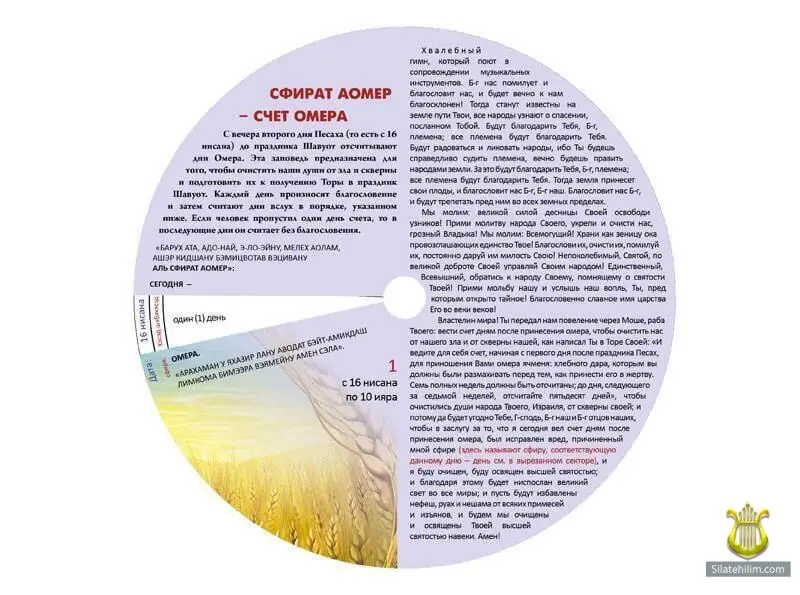
The Zohar HaKadosh speaks three times about Sefirat HaOmer as a mitzvah exclusively for men. This is what the Zohar HaKadosh says:
כְּאִתְּתָא דְּנָפְקָא מִמְּסָאֲבוּ, וְכֵיוָן דְּנָפְקָא, מִתַּמָּן וּלְהָלְאָה, וְסָפְרָה לָהּ. אוּף הָכָא יִשְׂרָאֵל, כַּד נָפְקוּ מִמִּצְּרָיִם, נָפְקוּ מִמְּסָאֲבוּ, וְעָבְדוּ פֶּסַח, לְמֵיכַל בְּפָתוֹרָא דְּאָבוּהוֹן, וּמִתַּמָּן וּלְהָלְאָה יַעַבְדוּן חוּשְׁבָנָא, לְמִקְרַב אִתְּתָא לְבַעְלָהּ, לְאִתְחַבְּרָא בַּהֲדֵיהּ, וְאִינּוּן חַמְשִׁין יוֹמִין דְּדַכְיוּ, לְאַעֲלָא לְרָזָא דְּעָלְמָא דְּאָתֵי, וּלְקַבְּלָא אוֹרַיְיתָא, וּלְמִקְרַב אִתְּתָא לְבַעְלָהּ. וּבְגִין דְּאִלֵּין יוֹמִין, יוֹמִין דְּעָלְמָא דִּדְכוּרָא, לָא אִתְמְסַר חוּשְׁבָּנָא דָּא אֶלָּא לְגַבְרֵי בִּלְחוֹדַיְיהוּ. (Zohar, Parashat Emor, Ra'aya Meheimna, folio 98b)
Translation:
Just as a woman, upon emerging from impurity, begins counting from that moment onward, so too here: when Israel emerged from Egypt, they emerged from impurity and observed Pesach, in order to eat at the table of their Father. From that moment onward, they began counting in order to bring the wife closer to her husband, so that she might unite with him. These fifty days of purification serve to enter the secret of the World to Come, receive the Torah, and bring the wife closer to her husband. Since these days belong to the masculine world (יוֹמִין דְּעָלְמָא דִּדְכוּרָא), this counting was entrusted to no one except men alone (לְגַבְרֵי בִּלְחוֹדַיְיהוּ).
It is clear from the text that this is not a mitzvah for women at all.
Rav Ovadia Yosef explained in one of his maamarim why the mitzvah of Sefirat HaOmer does not apply to women: women prepare exceptionally kosher food for all seven days of Pesach, and as a bonus, they received seven weeks off from counting the days of the Omer. In other words, we are shown a certain balance: seven days of effort devoted to one mitzvah provide seven weeks of rest from another mitzvah. Yet this is only one of the more readily understood aspects of the mitzvah.
The Zohar addresses a much deeper aspect, while applying the same principle: in this world, women count the days of purification, whereas the days of Sefirat HaOmer are a mitzvah connected with the World to Come, where the counting is entrusted to men. This too reflects a balance.
Ben Ish Chai, in «Aggadat Shel Pesach», at the end of the halachot of Sefirat HaOmer, explains that a woman should not count the days of the Omer. According to Kabbalah, this mitzvah is for men, as is the mitzvah of Birkat HaLevanah, which women likewise do not perform. Through the counting of the Omer, the sefirah of Malchut (the feminine sefirah) is established.
Rav Yaakov Doctor reveals another fascinating insight. The Zohar HaKadosh says that the days of the Omer count served the Jewish people in the same way as the seven clean days counted by a woman, who separates herself from impurity and prepares to immerse in a mikveh. As is known, a nursing woman does not experience bleeding. This is because the blood in her body is processed and becomes milk. This expresses the transformation of Gevurah, the attribute of judgment associated with the color red, into Chesed, whose expression is the color white. This is precisely why we eat dairy foods on Shavuot: to show that this is a time of revealed Chesed and joy, when G-d rejoices in us, His children, and we rejoice in Him.
(Answers by Rabbis Tzvi Nisanzen, Alexander Tzvi Sypkov, and Israel Yakobov to the question of the role of women in Sefirat HaOmer)
Was this helpful?
100% of readers found this article helpful (45 votes).
Please note: some articles on our site contain the holy Names of the Almighty. If you print these articles, they may not be thrown away or destroyed. Please handle printed copies with care and respect.
Material from our site may be copied for the purpose of spreading Torah, provided a link to Silatehilim.com is included. Any use of the site's material in print publications or for commercial purposes is prohibited without the rights holder's consent.