

 Sila Tehilim
כוחה של תהילים
silatehilim.com
Sila Tehilim
כוחה של תהילים
silatehilim.com
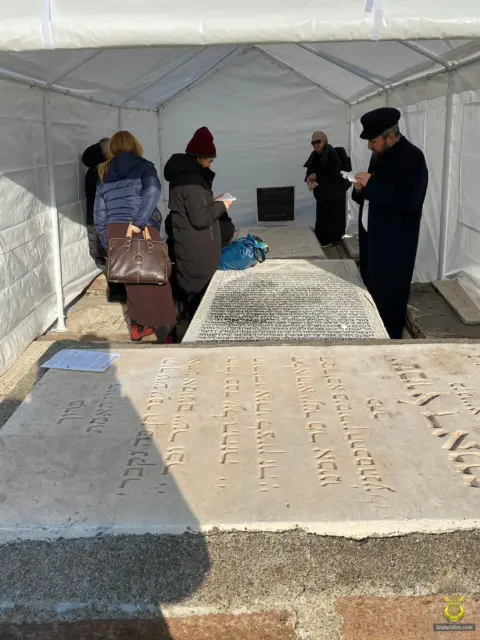
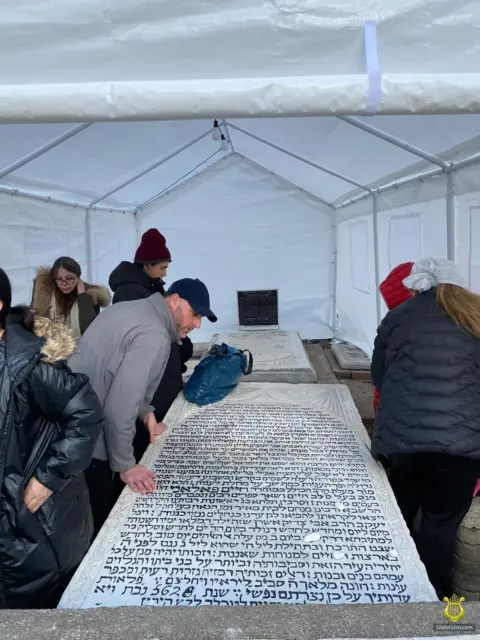
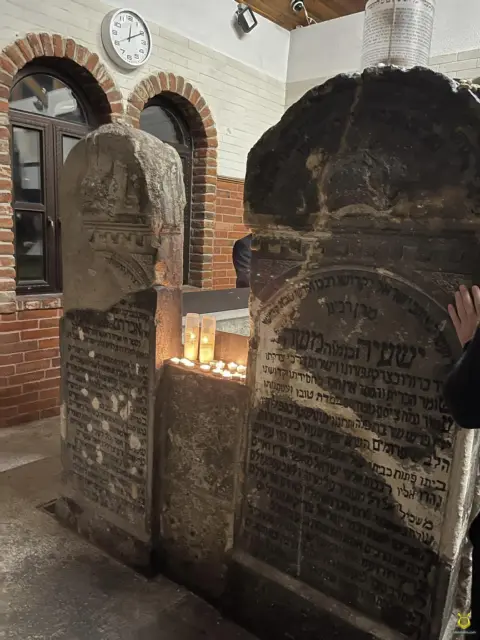
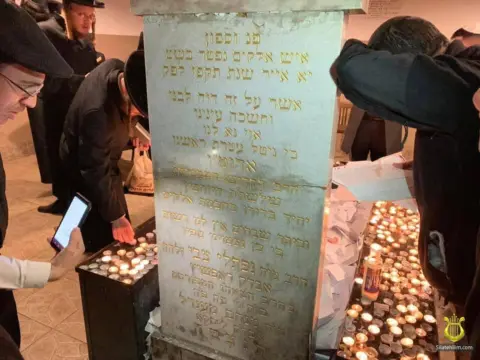
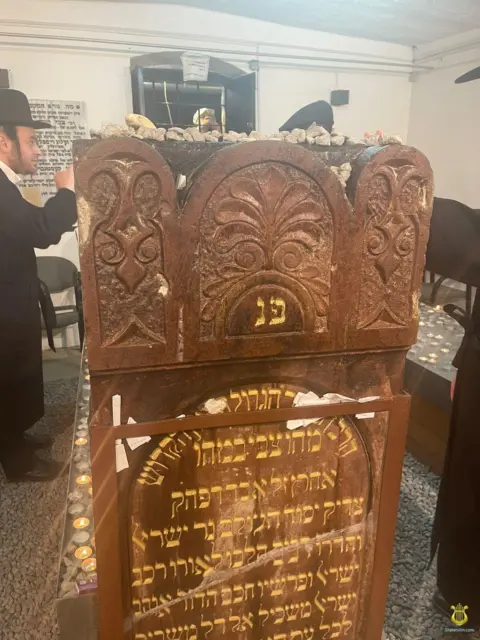
Grave
Eliyahu HaKohen HaItamari of Izmir
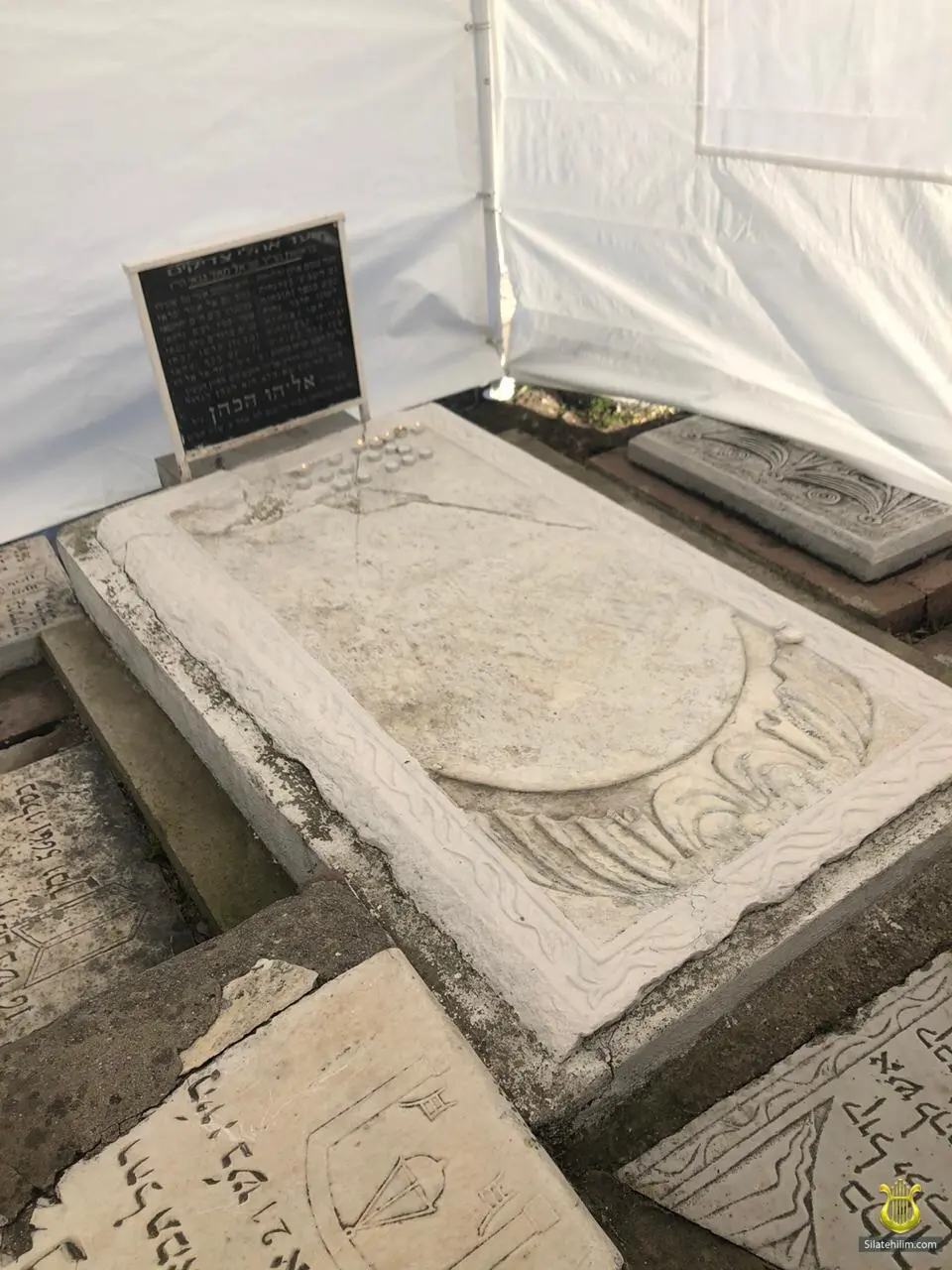
Yahrzeit (Hillula)
- 8 Adar — Rabbi Eliyahu HaKohen of Izmir
"This story happened in August 1688. A spirit entered a woman. For eight months before it became known that a spirit was inside her, she was ill, and the doctors exhausted themselves searching for a cure for her.
And then, one day, when I entered the courtyard where that woman was sitting, she fell down and began muttering incessantly. When I saw this, I understood that an evil spirit was inside her. At midday I came to her accompanied by people, and as soon as she saw them, she fell down just as before. Then, threatening the spirit with excommunication, I commanded it to say who it was and why it had tormented the heart of a daughter of Israel for so long.
And he said: "I am Avraham Shneur de Coronieel, who committed suicide because the time of my wedding had come and I had no money for its expenses, and out of shame I chose death. And now I have no rest. When my soul departed, it was sent to Kaf HaKela, into Gehinnom, and tens of thousands of wicked ones came out to meet it with fiery rods, and began pushing me. And they said: 'Get out, defiled one.' And my soul wanders through the world, pursued by destroying angels.
How terrible. A suicide must know that he has no portion in the World to Come (Rambam, Hilchot Rotze'ach 2:2), and he is not even brought into Gehinnom. In the end, the holy gaon rectified this soul. But before that he asked it questions and received instructive answers. Here is one of them.
I asked him about the size of the spirit, and he answered that it all depends on spirituality. His spirit is like a small nut. And there are spirits smaller than his."
It sends a shiver down one's spine.
A person departs into the world of the Holy One, Blessed be He, proud, standing at full height, nearly six feet tall — but that height he leaves behind here. What rises upward – a sesame seed? A poppy seed?
Our forefather Avraham was "a great man among giants." In Shunem there was a "great woman," God-fearing. Their personalities were great. Rabbi Brona, Rabbi Shmuel, Rabbi Eliezer, and Levi were called "great men" because of their personalities.
But there are those who are like a nut. Yet they have this consolation: "There are spirits smaller than them." It pains the heart. (Ma'ayan HaEmunah)
Shevet Mussar
Once Rabbi Bunim of Peshischa came to his Rav – the Seer of Lublin – with eyes red from tears and weeping. When the Seer of Lublin asked, "What happened?" Rabbi Bunim replied that he was crying because something had cut him to the quick.
The Seer asked: "And what did you do to the one who offended you?"
- "I kissed him," Rabbi Bunim answered. The Seer of Lublin was astonished and asked, "Who was it?" Rabbi Bunim answered that it was the book Shevet Mussar by Rabbi Eliyahu HaKohen HaItamari of Izmir, whose words had moved him to tears. And when he finished reading it, before returning the book, he kissed it. (From the book "Branch of the Tree of the Fathers" – commentary on Pirkei Avot by Rav Ovadia Yosef)
Haman’s Lot — 7 Adar or 14 Adar Shir HaShirim on Erev Shabbat – Tikkun of Shlomo HaMelech According to the Sephardic Minhag Prayers for Motzaei Shabbat from Midrash Talpiyot for a Successful Week Жребий амана 7 го адара или 14 го The Blessing “Who Changes the Works of Creation”Gallery
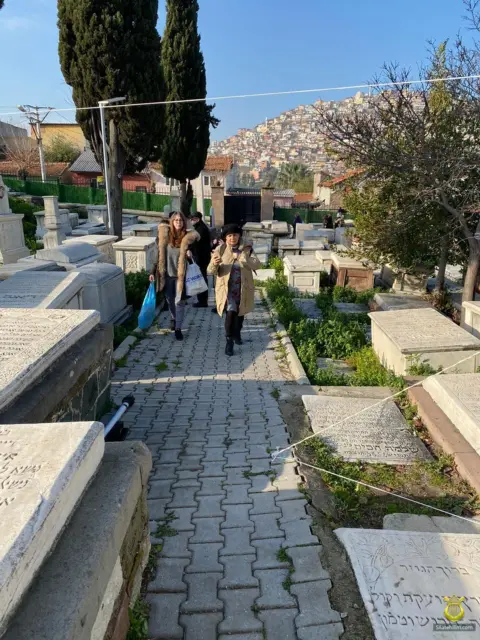
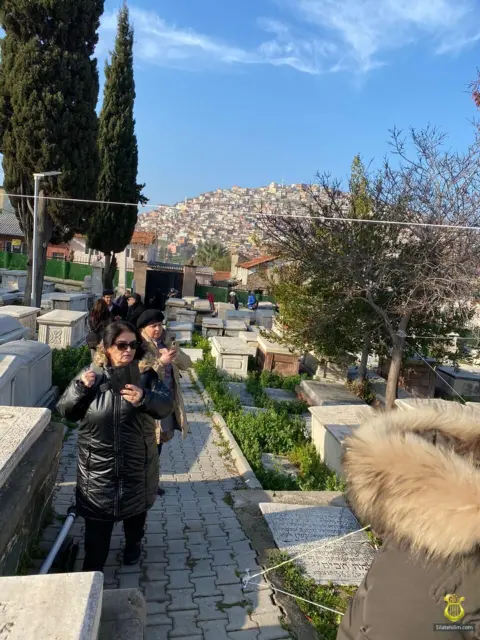
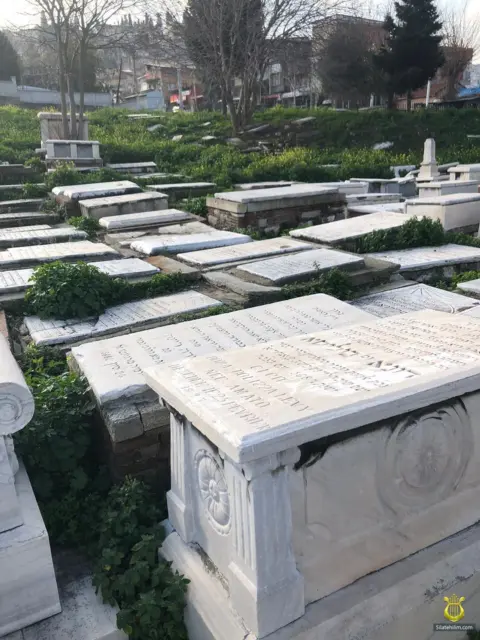

Articles about this tzadik 2


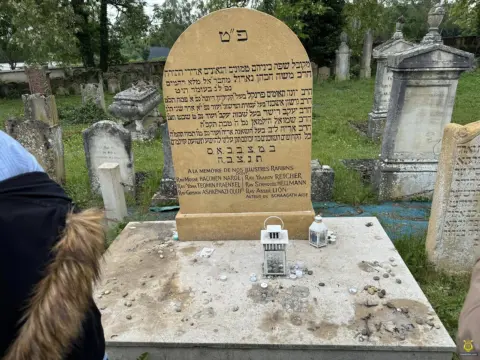
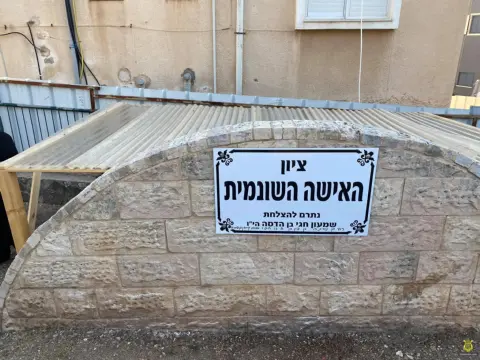
Other graves
Source: https://silatehilim.com/en/kivrei_tsadikim/кевер-рабби-элиягу-а-коэн-из-измира/
Material from our site may be copied for the purpose of spreading Torah, provided a link to Silatehilim.com is included. Any use of the site's material in print publications or for commercial purposes is prohibited without the rights holder's consent.