Rabbi Chaim Palagi’s Segula for Erev Rosh Hashanah
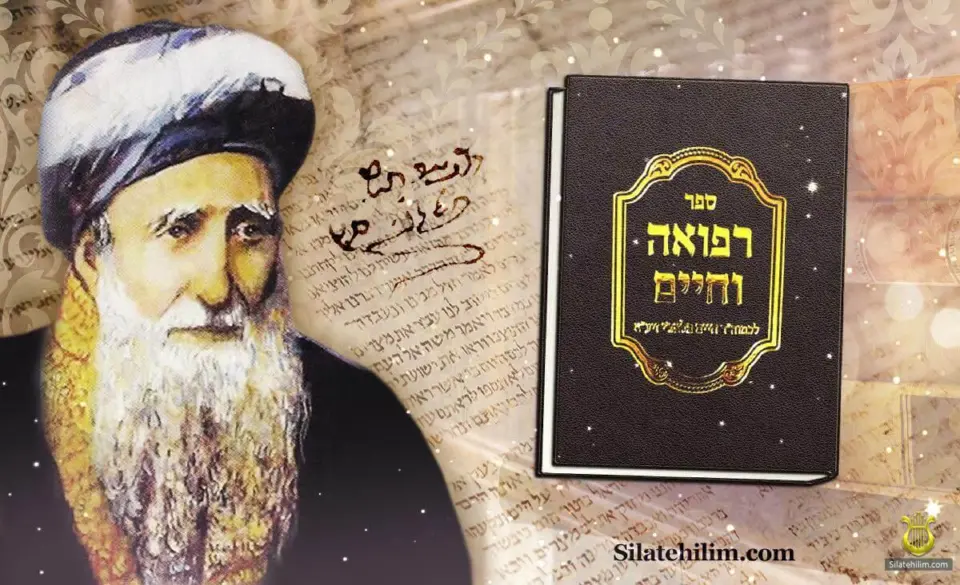
Rabbi Chaim Palagi, in his book Moed Le-Kol Chai — a commentary on the Jewish holidays — presents a beautiful segula for Erev Rosh Hashanah. He writes that before the holiday begins, on Erev Rosh Hashanah, it is good to read the first 11 pesukim of the chapter of Ki Tavo in Sefer Devarim. Whoever reads these verses at this time will have a heavenly voice proclaim that this person has no debts before the Almighty, nor debts in the lower world — he is cleansed of all sins.Why do we recite 11 verses from Ki Tavo before Rosh Hashanah?
The teachings of the Sages state that one of the reasons the Almighty created the world was the mitzvah of bikkurim (first fruits), and that it is so great that the world was created for its sake.
Moreover, this is the only mitzvah in the entire Torah in which a person is explicitly commanded to bow down (to kneel before G-d).
It is said that the Almighty showed Moshe Rabbeinu all the generations and their leaders. He also showed him the destruction of the Temple. Moshe then asked: What will become of the mitzvah of bikkurim? For the sake of this mitzvah, the Almighty instituted prayer.
And here we are, on the eve of Rosh Hashanah and Yom Kippur. This too is preparation for the Day of Judgment, for we will stand and pray; and it is precisely from the mitzvah of bikkurim that we take that “scarlet thread” (chut ha-shani), which is woven into the thread of all our prayers and teaches us how to stand properly before G-d.
The Torah says: “And you shall bow down before the Lord…” — this is the only mitzvah in which a person is explicitly commanded to bow down.
The word “bowing” appears once more when Moshe receives the command to ascend the mountain together with Aharon, Nadav, Avihu, and the elders, where it says: “And they bowed from afar.” But that was a temporary instruction. In the mitzvah of bikkurim, it is a permanent law: a person must come up and bow down.
What does bowing signify? It is a great mitzvah. The Midrashim and the Gemara state that the world was created for three things: challah, maaser, and bikkurim. Regarding them, the word reshit — “first” — is used, and it is for the sake of this “beginning” that the world endures.
Moshe Rabbeinu saw that the Temple would be destroyed, and therefore he was deeply concerned about the mitzvah of bikkurim. He therefore instituted the three daily prayers. This shows that bikkurim are, in essence, equivalent to the Temple, are capable of averting death, and contain a profound secret that can still save a person from misfortune today.
Moshe Rabbeinu saw that bikkurim would disappear, and he instituted prayers in which bowing is central.
On Rosh Hashanah, we pray about three central themes: Malchuyot, Zichronot, and Shofarot — recalling the Akeidah of Yitzchak. We:
- blow the shofar (the ram’s horn in place of Yitzchak),
- read the passage about the Akeidah (the binding of Yitzchak),
- go to the river for Tashlich, commemorating those events.
Why is this especially powerful on Rosh Hashanah? Because the very sound of the shofar is already like the Akeidah, like a sacrifice. The one who blows the shofar is, as it were, offering that sound as a sacrifice, and through this the decrees are softened.
Chazal explain that when G-d told Avraham not to slaughter his son, he may have had a question, but he chose silence. He said: “Master of the Universe, just as I was silent now (and this took place on the eve of Rosh Hashanah or Yom Kippur), although I could have objected, so too You — when the accusers raise their voices, make them silent.” And indeed, the Almighty caused the accusers to fall silent. But what did Avraham say as he set out for the Akeidah? “I and the lad will go there, and we will bow down, and we will return to you.” He calls the entire Akeidah by the word “bowing.”
Sefer Devarim, Ki Tavo 1–11
וְהָיָה כִּי-תָבוֹא אֶל-הָאָרֶץ אֲשֶׁר יְהוָה אֱלֹהֶיךָ נֹתֵן לְךָ נַחֲלָה וִירִשְׁתָּהּ וְיָשַׁבְתָּ בָּהּ וְלָקַחְתָּ מֵרֵאשִׁית כָּל-פְּרִי הָאֲדָמָה אֲשֶׁר תָּבִיא מֵאַרְצְךָ אֲשֶׁר יְהוָה אֱלֹהֶיךָ נֹתֵן לָךְ וְשַׂמְתָּ בַטֶּנֶא וְהָלַכְתָּ אֶל-הַמָּקוֹם אֲשֶׁר יִבְחַר יְהוָה אֱלֹהֶיךָ לְשַׁכֵּן שְׁמוֹ שָׁם וּבָאתָ אֶל-הַכֹּהֵן אֲשֶׁר יִהְיֶה בַּיָּמִים הָהֵם וְאָמַרְתָּ אֵלָיו הִגַּדְתִּי הַיּוֹם לַיהוָה אֱלֹהֶיךָ כִּי-בָאתִי אֶל-הָאָרֶץ אֲשֶׁר נִשְׁבַּע יְהוָה לַאֲבֹתֵינוּ לָתֶת לָנוּ וְלָקַח הַכֹּהֵן הַטֶּנֶא מִיָּדֶךָ וְהִנִּיחוֹ לִפְנֵי מִזְבַּח יְהוָה אֱלֹהֶיךָ וְעָנִיתָ וְאָמַרְתָּ לִפְנֵי יְהוָה אֱלֹהֶיךָ אֲרַמִּי אֹבֵד אָבִי וַיֵּרֶד מִצְרַיְמָה וַיָּגָר שָׁם בִּמְתֵי מְעָט וַיְהִי-שָׁם לְגוֹי גָּדוֹל עָצוּם וָרָב וַיָּרֵעוּ אֹתָנוּ הַמִּצְרִים וַיְעַנּוּנוּ וַיִּתְּנוּ עָלֵינוּ עֲבֹדָה קָשָׁה וַנִּצְעַק אֶל-יְהוָה אֱלֹהֵי אֲבֹתֵינוּ וַיִּשְׁמַע יְהוָה אֶת-קֹלֵנוּ וַיַּרְא אֶת-עָנְיֵנוּ וְאֶת-עֲמָלֵנוּ וְאֶת-לַחֲצֵנוּ וַיּוֹצִאֵנוּ יְהוָה מִמִּצְרַיִם בְּיָד חֲזָקָה וּבִזְרֹעַ נְטוּיָה וּבְמֹרָא גָּדֹל וּבְאֹתוֹת וּבְמֹפְתִים וַיְבִאֵנוּ אֶל-הַמָּקוֹם הַזֶּה וַיִּתֶּן-לָנוּ אֶת-הָאָרֶץ הַזֹּאת אֶרֶץ זָבַת חָלָב וּדְבָשׁ וְעַתָּה הִנֵּה הֵבֵאתִי אֶת-רֵאשִׁית פְּרִי הָאֲדָמָה אֲשֶׁר-נָתַתָּה לִּי יְהוָה וְהִנַּחְתּוֹ לִפְנֵי יְהוָה אֱלֹהֶיךָ וְהִשְׁתַּחֲוִיתָ לִפְנֵי יְהוָה אֱלֹהֶיךָ וְשָׂמַחְתָּ בְכָל-הַטּוֹב אֲשֶׁר נָתַן-לְךָ יְהוָה אֱלֹהֶיךָ וּלְבֵיתֶךָ אַתָּה וְהַלֵּוִי וְהַגֵּר אֲשֶׁר בְּקִרְבֶּךָ Transliteration 1. Ve-hayah ki tavo el-ha’aretz asher Hashem Elokecha noten lecha nachalah virishtah veyashavta vah. 2. Ve-lakachta me-reshit kol-peri ha-adamah asher tavi me-artzecha asher Hashem Elokecha noten lach ve-samta va-tene ve-halachta el-ha-makom asher yivchar Hashem Elokecha le-shaken Shemo sham. 3. U-vata el-ha-kohen asher yihyeh ba-yamim ha-hem ve-amarta elav higgadti ha-yom la-Hashem Elokecha ki-vati el-ha’aretz asher nishba Hashem la-avoteinu latet lanu. 4. Ve-lakach ha-kohen ha-tene mi-yadecha ve-hinicho lifnei mizbach Hashem Elokecha. 5. Ve-anita ve-amarta lifnei Hashem Elokecha Arami oved avi va-yered Mitzraymah va-yagar sham bimt’ei me’at va-yehi-sham le-goy gadol atzum va-rav. 6. Va-yarei’u otanu ha-Mitzrim va-ye’anunu va-yitnu aleinu avodah kashah. Va-nitzak el-Hashem Elohei avoteinu va-yishma Hashem et-kolenu va-yar et-onyenu ve-et-amalenu ve-et-lachatzeniu. 8. Va-yotzi’enu Hashem mi-Mitzrayim be-yad chazakah u-vizroa netuyah u-ve-mora gadol u-ve-otot u-ve-mofetim. 9. Va-yevi’enu el-ha-makom ha-zeh va-yiten-lanu et-ha-aretz ha-zot eretz zavat chalav u-devash. 10. Ve-atah hineh heveti et-reshit peri ha-adamah asher natatah li Hashem ve-hinachto lifnei Hashem Elokecha ve-hishtachavita lifnei Hashem Elokecha. 11. Ve-samachta ve-chol-ha-tov asher natan-lecha Hashem Elokecha u-leveitecha atah ve-ha-Levi ve-ha-ger asher be-kirbecha. Translation 1. And it shall be, when you enter the land that the Lord, your G-d, is giving you as an inheritance, and you take possession of it and settle in it; 2. Then you shall take the first fruits of every produce of the soil that you gather from your land, which the Lord, your G-d, is giving you, place them in a basket, and go to the place that the Lord, your G-d, will choose to establish His Name there; 3. You shall come to the kohen who will be serving in those days and say to him: I declare today to the Lord, your G-d, that I have come to the land that the Lord swore to our fathers to give us. 4. The kohen shall take the basket from your hand and place it before the altar of the Lord, your G-d. 5. You shall then declare before the Lord, your G-d: An Aramean sought to destroy my father; he then went down to Egypt and sojourned there with few people, and there he became a great, mighty, and numerous nation. 6. The Egyptians treated us cruelly, afflicted us, and imposed harsh labor upon us. 7. We cried out to the Lord, the G-d of our fathers, and the Lord heard our voice and saw our affliction, our labor, and our oppression. 8. The Lord brought us out of Egypt with a mighty hand and an outstretched arm, with great awe, and with signs and wonders; 9. He brought us to this place and gave us this land, a land flowing with milk and honey. 10. And now, behold, I have brought the first fruits of the soil that You have given me, O Lord. — You shall place them before the Lord, your G-d, and bow down before the Lord, your G-d. 11. And you shall rejoice in all the good that the Lord, your G-d, has granted you and your household — you, the Levi, and the stranger who is among you.Afterward, read Tehillim 24 — a segula for parnassah throughout the year.
During the meal, it is good to read Tehillim 96.
(Based on a lesson by Rabbi Yisrael Yakobov, “The Secrets of Rosh Hashanah”)