A Segula for Annulment of the Harshest Decrees—Lessons from Mordechai ha-Yehudi
A Segula for Annulment of the Harshest Decrees—Lessons from Mordechai ha-Yehudi
In Judaism, there is a principle: “Maasei Avot—Siman laYeladim”—the deeds of the fathers are signs for the children.
In the most difficult times, we seek help from previous generations. Like diamonds, we sift through the legacy of the great Sages—what they did and how they acted in various situations, which prayers they recited, and unusual actions that brought salvation—segulot.
A technique known in Judaism as “she’elat chalom” (asking a question in a dream) was used by many Sages.
But there is another, similar yet little-known practice—“she’elat behakitz” (asking a question while awake).
In the Talmud, Elisha ben Avuya and Rabbi Meir Baal HaNes used this technique—they asked children questions.
Mordechai ha-Yehudi, facing a difficult situation after learning of the harsh decree against the entire Jewish people, prayed to the Almighty. He then went outside and asked three boys what they had learned that day in cheder.
The first boy answered:
אַל תִּירָא מִפַּחַד פִּתְאֹם וּמִשֹּׁאַת רְשָׁעִים כִּי תָבֹא— “Al tira mi-pachad pit’om u-mi-sho’at resha’im ki tavo” —
(Do not fear sudden terror or the devastation of the wicked when it comes); (Mishlei 3:25)
The second boy answered:
עֻצוּ עֵצָה וְתֻפָר דַּבְּרוּ דָבָר וְלֹא יָקוּם כִּי עִמָּנוּ אֵ׳׳ל— “Utsu etzah ve-tufar, dabru davar ve-lo yakum, ki imanu El” (Nevi’im)
(The enemies of Israel devise plans, but they will be thwarted; they conspire together, but nothing will come of it—for G-d is with us); (Isaiah 8:10)
The third boy answered:
וְעַד־זִקְנָה אֲנִי הוּא וְעַד־שֵיבָה אֲנִי אֶסְבֹּל אֲנִי עָשִׂיתִי וַאֲנִי אֶשָּׂא וַאֲנִי אֶסְבֹּל וַאֲמַלֵּט— “Ve-ad ziknah ani hu, ve-ad seivah ani esbol, ani asiti ve-ani esa, ve-ani esbol ve-amalet” —
(Until old age I will remain the same, and until our years of old age I will bear with the people of Israel. I made them, and I will care for them; I will bear with them, and I will save them). (Isaiah 46:4)
Later, these pesukim from “she’elat behakitz” (asking a question while awake) became a Sephardic minhag, passed down through a chain of tradition from Rabbi Moshe Zacuto, “Shorshei HaShemot”.
Prayer
These verses should be recited three times to annul the harshest and most difficult decrees:
— “Al tira mi-pachad pit’om u-mi-sho’at resha’im ki tavo” } 3 times
(Do not fear sudden terror or the devastation of the wicked when it comes;
— “Utsu etzah ve-tufar, dabru davar ve-lo yakum, ki imanu El” } 3 times
(The enemies of Israel devise plans, but they will be thwarted; they conspire together, but nothing will come of it—for G-d is with us);
— “Ve-ad ziknah ani hu, ve-ad seivah ani esbol, ani asiti ve-ani esa, ve-ani esbol ve-amalet”} 3 times
(Until old age I will remain the same, and until our years of old age I will bear with the people of Israel. I made them, and I will care for them; I will bear with them, and I will save them).
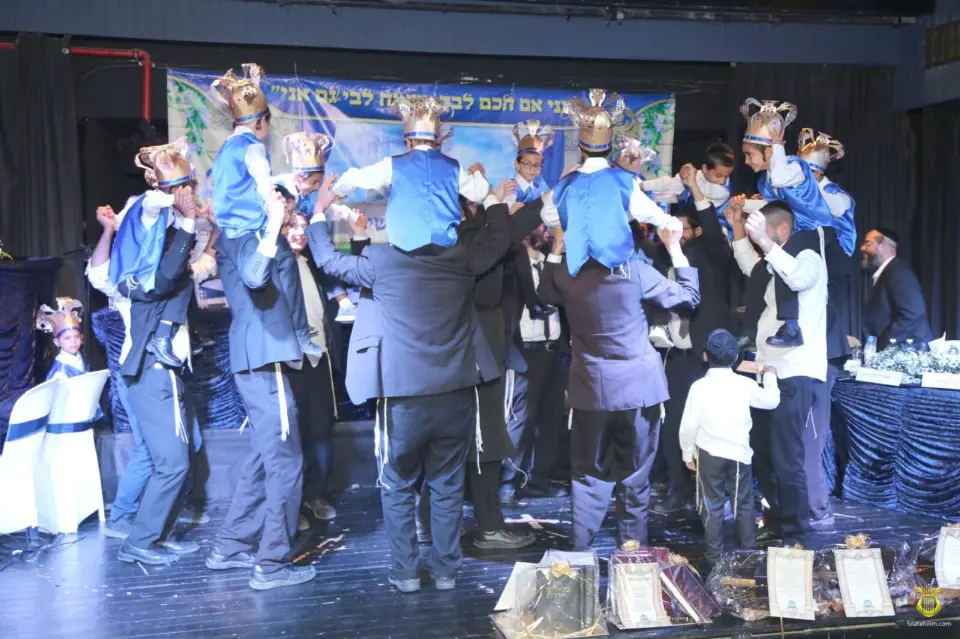
(Based on a lesson by Rav Yisrael Yakovov, “The Hidden Meaning of Tehillim,” for Silatehilim.com; photo from the Simchat Torah celebration at the Yodei Binah Yeshivah)
Was this helpful?
100% of readers found this article helpful (200 votes).
Please note: some articles on our site contain the holy Names of the Almighty. If you print these articles, they may not be thrown away or destroyed. Please handle printed copies with care and respect.
Material from our site may be copied for the purpose of spreading Torah, provided a link to Silatehilim.com is included. Any use of the site's material in print publications or for commercial purposes is prohibited without the rights holder's consent.