Yahrzeit of Tzadikim in Shevat and Their Segulot
1 Shevat - Shaul HaMelech2 Shevat - Rabbi Zusha of Anipoli
2 Shevat - Rabbi Yosef ben Chaim Messas 2 Shevat - Rabbi Mansour ben Raphael Aharon Ben-Shimon4 Shevat - Rabbi Israel ben Massoud Abuhatzeira - Baba Sali
4 Shevat - Rabbi Avraham bar Alexander Katz HaKohen of Kalisk - the Kalisker Rebbe
4 Shevat - Rabbi Moshe Leib Erblich of Sasov5 Shevat - Rabbi Yehuda Aryeh of Gur - Sfat Emet
7 Shevat - Rabbi David of Lelov
7 Shevat - Rabbi Gadol of Minsk - Or Gadol
10 Shevat - Rabbi Sar Shalom Mizrachi ben Yitzchak Sharabi (Rashash)
10 Shevat - Rabbi Rachamim Chai HaVita ben Hanina HaKohen 13 Shevat - Rabbi Daniel Frisch (Matok MiDvash) 17 Shevat - Rabbi Chaim Palagi - Habif 20 Shevat - Asher ben Yaakov Avinu 20 Shevat - Rabbi Ovadiah ben Shalom Hedaya 21 Shevat - Rabbi Yechiel Meir of Gostinin - Baal Tehillim 22 Shevat - Rabbi Menachem Mendel ben Leibush Morgenstern - the Kotzker Rebbe - the Saraf of Kotzk 22 Shevat - Rebbetzin Chaya Mushka bat Yosef Yitzchak Schneerson25 Shevat - Rabbi Yisrael Salanter
26 Shevat - Rabbi David bar Shmuel HaLevi (Taz - Turei Zaav)
29 Shevat - Rabbi Natan-Tzvi Finkel - the Alter of Slabodka
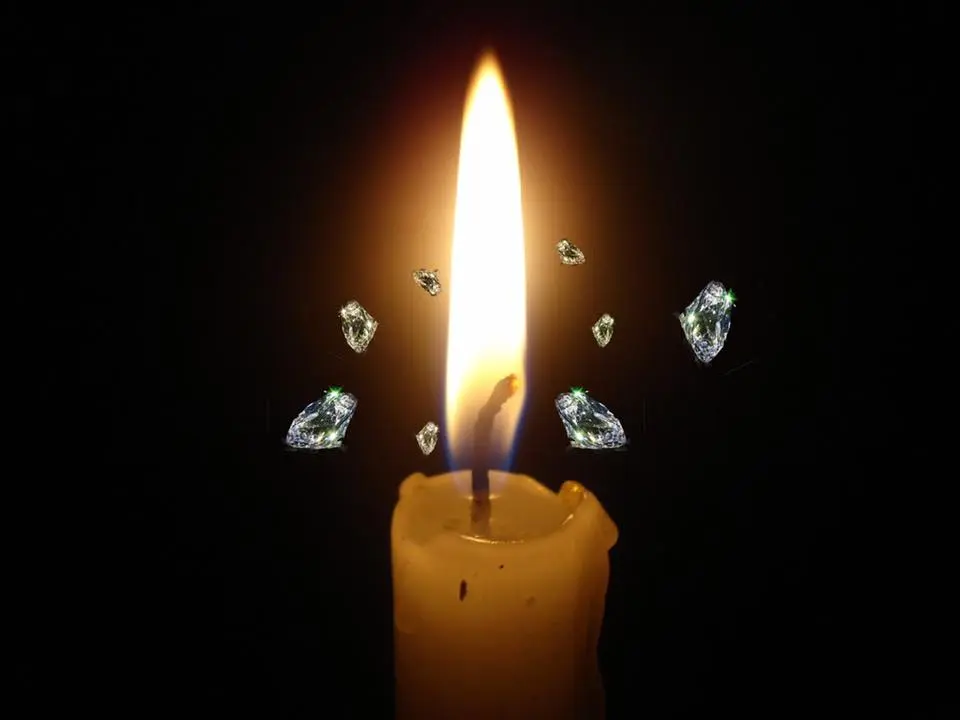
Why Is It So Important to Light a Ner Neshamah?
"Ner Neshamah" in Hebrew means - a soul candle, or a memorial candle. In Hebrew, instead of "for the repose of the soul", the term "LeIlu y" is used, meaning - the elevation of the soul. Lighting a candle leIlu y Nishmat for the deceased is mentioned in several places.
«It is known that the soul derives pleasure from the lighting of candles; it moves in the splendor of Heaven, joy spreads from the source of light, and it yearns for that light, even though the light of the candle's flame is material, while the light of the soul is spiritual, pure, and simple.»
(Rabbeinu Bachya, Terumah "Offerings
- "הרי לך שהנשמה יש לה הנאה מןהאור" - «The souls there delight in the light, and one should not be surprised that even the fragrance is loved by the soul when it is in the body.»
Ben Ish Chai teaches that the soul of a righteous person rejoices when a memorial candle is lit for him, and his soul ascends to HaShem and intercedes on behalf of the person who lit a Ner Neshamah in his honor.
(Ben Ish Chai, Torah Lishmah, 520)
The origin of this custom is associated with Rabbi Yehudah HaNasi, the compiler of the Mishnah, who instructed his family:
«נריהיה דלוק במקומו» - «A candle shall be lit in his place», - expressing respect for the deceased.
"The Name of the Almighty is present in the name of a righteous person. It is 'clothed' in him, and from this we learn that when the name of a righteous person is exalted, the Name of the Blessed One is exalted. The greater the name of the righteous person, the greater the Name of the Almighty, because the Name of the Almighty is associated with the name of the righteous person." (Chazal)
A votive or oil candle is used to light a candle le I luy Nishmat . Before lighting the candle, money is set aside for a Kupat Tzedakah.
The candle is lit with the words: «Hareini madlik ner leIlu y Nishmat Rabbi... Ribono Shel Olam, bizchut tzadik Rabbi"... (personal requests)
(Sila Tehillim website)