Yahrzeit of Tzadikim and Their Segulot in Nisan
1 Nisan – Nadav and Avihu, sons of Aharon HaKohen
1 Nisan – Tanna Rabbi Rahumai
1 Nisan – Rabbi Shmuel ben Natan Neta Kelin of Boskovitz – "Machatzit HaShekel" on the "Magen Avraham" 1 Nisan – Rabbi Moshe Yosef ben Michael Hoffman – "Mei Be'er Mayim Chaim," Dayan of Pupa 1 Nisan – Rabbi Elimelech ben Chaim Meir Yechiel of Grodzhisk – "Divrei Elimelech" – father of the Piaseczner Rebbe 2 Nisan – Rabbi Sholom Dov Ber ben Shmuel Schneerson – the fifth Lubavitcher Rebbe – the Rebbe Rashab 2 Nisan – Rabbi Yaakov Yosef ben Dovid Twersky – the Skverer Rebbe 2 Nisan – Rabbi Baruch of Worms – father of the Maharam of Rothenburg 2 Nisan – Rabbi Yeshayahu Mordechai ben Yisrael Hizkiyah Bassan (Bassano) – teacher of the Ramchal of Padua5 Nisan – Rabbi Avraham Yehoshua Heshel ben Shmuel of Apta – the Apter Rebbe – "Ohev Yisrael"
5 Nisan – Rabbi Tzvi Elimelech ben Dovid Shapiro of Bluzhov – author of "Tzvi LaTzadik" – grandson of the "Bnei Yissachar" 5 Nisan – Rabbi Reuven Yosef Gershonowitz – tzadik of Ofakim6 Nisan – Rabbi Aharon ben Shmuel Yaakov Rotha – "Shomer Emunim"
6 Nisan – Rabbi Meir Dan ben Chaim Yitzchak Plotsky of Ostrow Mazowiecka – "Kli Chemdah" 7 Nisan – Rabbi Yitzchak ben Yosef of Drohobych – father of the Rebbe of Zloczow 7 Nisan – Rabbi Pinchas Zelig, Rav of Liska – "Ateret Paz" 7 Nisan – Rabbi Aryeh Leib Yellin of Białystok – "Yafeh Einayim" 8 Nisan – Rabbi Mordechai ben Dov Ber Shapira of Nesvizh – disciple of Rabbi Mikhl of Zloczow9 Nisan – Rabbi Chaim Meir ben Yisrael Hager – the Vizhnitzer Rebbe – "Imrei Chaim"
9 Nisan – Rabbi Aryeh Leib ben Binyamin Beinish Levin – tzadik of Jerusalem – rabbi to prisoners.10 Nisan – Miriam bat Amram the prophetess
10 Nisan – Rabbi Shalom Mashash
11 Nisan – Rabbi Moshe ben Nachman – Ramban – Nachmanides
11 Nisan – Rabbi Yeshayahu ben Avraham HaLevi Horowitz – the Shelah HaKadosh 11 Nisan – Rabbi Shalom ben Memoun Messas – "Mizrach Shemesh" 11 Nisan – Rabbi Betzalel bar Yisrael-Moshe HaKohen of Vilna – direct descendant of Eli the High Priest 13 Nisan – Rabbi Menachem Mendel ben Sholom Shachna Schneerson – the Tzemach Tzedek13 Nisan – Rabbi Moshe ben Chaim Alshich – "Torat Moshe"
13 Nisan – Rabbeinu Yosef ben Ephraim Karo – "Beit Yosef"
15 Nisan – Shmuel HaLevi Wosner
15 Nisan – Yitzchak ben Avraham Avinu (and his birthday) 15 Nisan – Job 15 Nisan – Rabbi Yonah ben Yeshayahu Teomim – "Kikayon LeYonah"16 Nisan – Levi ben Yaakov Avinu
17 Nisan – Rabbi Meir Shalom ben Yisrael Abuhatzeira – Baba Meir 17 Nisan – Rabbi Avraham Reuven ben Hoshke HaKohen of Prague – "Yalkut Reuveni"19 Nisan – Rabbi Aharon ben Yaakov of Karlin – disciple of the Maggid of Mezhirech
20 Nisan – Rabbi Hai bar Sherira Gaon – Rosh Yeshiva of Pumbedita – the last Gaon (1038) Segulah – reciting Tehillim for specific troubles according to his book "Shimush Tehillim"25 Nisan – Rabbi Chaim of Tzanz
26 Nisan – Yehoshua bin Nun
27 Nisan – Yom HaZikaron laShoah ve-laGevurah, on the 11th day of the Counting of the Omer
29 Nisan – Rabbi Moshe ben Yisrael Polier of Kobrin30 Nisan – Rabbi Chaim Vital – disciple of the AriZal
30 Nisan – Rabbi Yaakov bar Tzvi-Hirsch Emden (Yaavetz) – son of the Chacham Tzvi30 Nisan – Rabbi Yaakov ben Moshe Berav – teacher of Maran Yosef Karo
30 Nisan – Rabbi Yosef bar Meir HaLevi ibn Migash – the Ari Migash – disciple of the Rif and teacher of Rambam's fatherWhy Is It So Important to Light a Ner Neshamah?
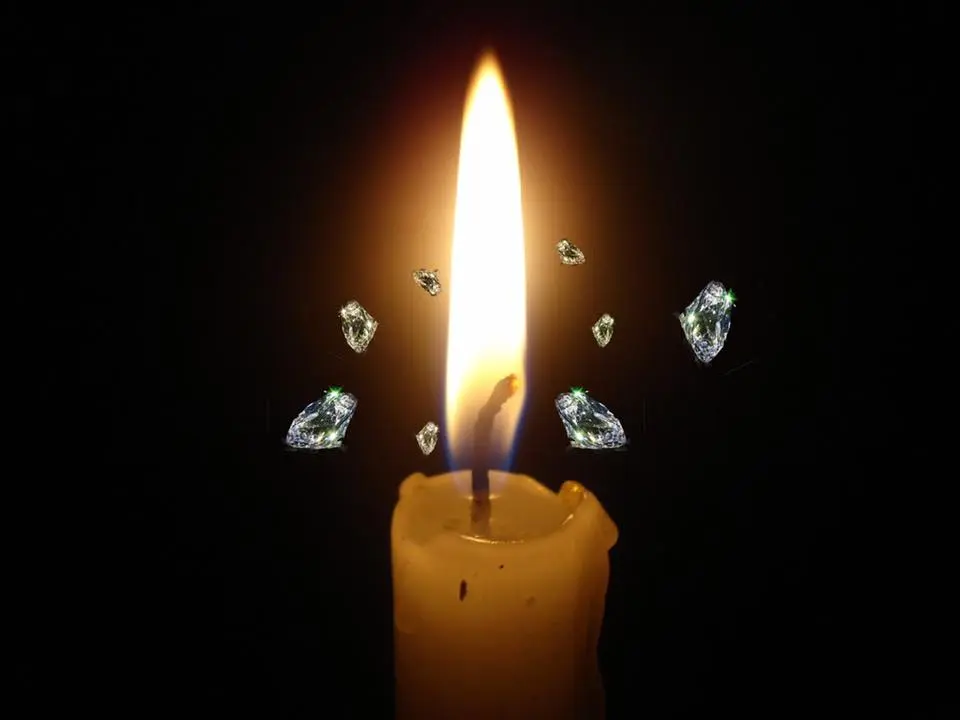
"Ner Neshamah" in Hebrew means a soul candle, or a memorial candle. In Hebrew, instead of "for the repose of the soul", the expression "Leilui" is used, meaning the elevation of the soul. Lighting a candle Leilui Nishmat the deceased is mentioned in several sources.
“It is known that the soul derives pleasure from the lighting of candles; it moves amid the splendor of heaven, joy spreads from the source of light, and it yearns for that light, even though the light of the candle's flame is material, while the light of the soul is spiritual, pure, and simple.”
(Rabbeinu Bachya, Terumah "Offerings
- "הרי לך שהנשמה יש לה הנאה מןהאור" – “There the souls delight in the light, and there is no need to wonder that even fragrance is beloved by the soul when it is in the body.”
Ben Ish Chai teaches that the soul of a righteous person rejoices when a memorial candle is lit for him, and his soul ascends to HaShem and intercedes on behalf of the person who lit a Ner Neshamah in his honor.
(Ben Ish Chai, Torah Lishmah, 520)
The origin of this custom is associated with Rabbi Yehudah HaNasi, the compiler of the Mishnah, who instructed his family:
«נריהיה דלוק במקומו» – “A candle shall remain lit in his place”, – expressing respect for the deceased.
“The Name of the Almighty is present in the name of a righteous person. It ‘clothes itself’ in him; from this we learn that when the name of a righteous person is exalted, the Name of the Blessed One is exalted. The greater the name of the righteous person, the greater the Name of the Almighty, because the Name of the Almighty is joined with the name of the righteous person.” (Chazal)
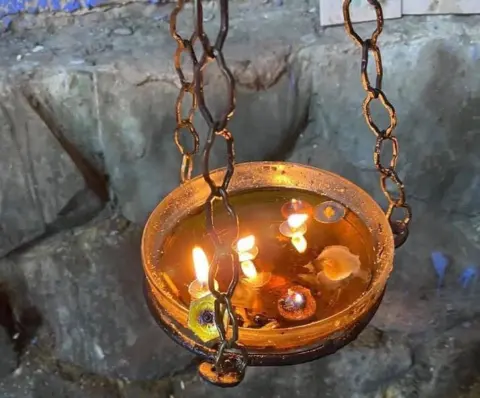
A 24-hour candle or an oil lamp is used to light a candle Leilui Nishmat. Before lighting the candle, money is set aside for a Kupat Tzedakah.
The candle is lit with the words: “Hareini madlik ner leilui nishmat Rabbi… Ribono Shel Olam, bizchut tzadik Rabbi...” (personal requests)
(Sila Tehillim website)