Yahrzeit of Tzadikim in the Month of Kislev
Yahrzeit of Tzadikim in the Month of Kislev
1 Kislev - Rabbi Ephraim ben Israel Ankawa - Tlemcen, Algeria
1 Kislev - Rabbi David Idan ben Moshe - Djerba, Tunisia
1 Kislev - Rabbi Shalom Shachna ben Yosef of Lublin - teacher of the Rema
1 Kislev - Rabbi Yosef Shmuel of Krakow - “Mesorat HaShas”
1 Kislev - Rabbi Yitzchak Hizkiyah ben Shmuel Lampronti - “Pachad Yitzchak”
2 Kislev - Rabbi Aharon Kotler - Beit Midrash Gavoah Yeshivah in Lakewood
3 Kislev - Rabbi Shalom ben Moshe Chaim Hedayah - Av Beit Din, Syria
3 Kislev - Rabbi Eliezer Sofino - teacher of Rabbeinu Chida
4 Kislev - Rabbi Yaakov Dovid ben Yitzchak Yisrael Kalish - Amshinover Rebbe (son of Rebbe Yitzchak of Vorki)
4 Kislev - Rabbi Baruch Avraham Toledano - “Imrei Baruch”
5 Kislev - Rabbi Shmuel-Eliezer ha-Levi bar Yehudah Eidelis - Maharsha - Av Beit Din in Ostrów and Lublin (1636)
The Baal Shem Tov said that if someone knew how great the Maharsha was, he would lick the dirt from his grave.
5 Kislev - Rabbi Dovid Luria - Radal - student of the Vilna Gaon - author of a commentary on “Pirkei de-Rabbi Eliezer”
6 Kislev - Rabbi Baruch Ber Leibowitz - “Birkat Shmuel”
7 Kislev - Rabbi Yaakov Moshe Harlap - head of the “Beit Zvul” and “Merkaz HaRav” Yeshivot
8 Kislev - Rabbi Aharon ben Mordechai Twersky of Chernobyl
8 Kislev - Rabbi Moshe ben Pinchas Shapiro of Slavuta (son of Rabbi Pinchas of Koretz)
8 Kislev - Rabbi Dovid ben Shmuel Bornstein of Sochaczew - “Chasdei Dovid” - perished in the Warsaw Ghetto
9 Kislev - Rabbi Dov Ber ben Shneur Zalman - the Mitteler Rebbe (the second Lubavitcher Rebbe)
9 Kislev - Rabbi Natan Salem
10 Kislev - Rabbi Moshe Mordechai Epstein - “Levush Mordechai”
12 Kislev - Rabbi Avrum of Ovruch - “Bat Ayin”
12 Kislev - Rabbi Shlomo Luria - Maharshal
12 Kislev - Rabbi Yitzchak Lampronti - “Pachad Yitzchak”
13 Kislev - Rava bar Rav Huna
13 Kislev - Rabbi Yisrael Taub - Modzhitzer Rebbe
13 Kislev - Rabbi Shalom Hedayah - Rosh Yeshivah of “Beit-El”
13 Kislev - Rabbi Yisroel Friedman - Rebbe of Chortkiv
14 Kislev - Rabbi David ben Machsud Abuhatzeira - Al Kiddush Hashem
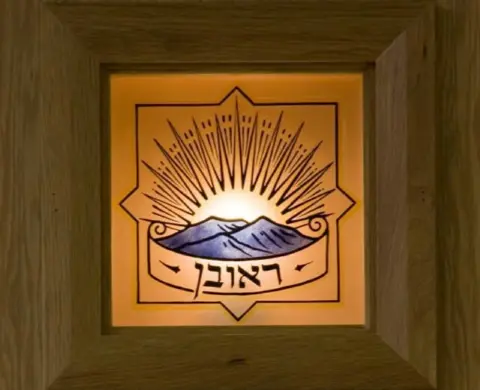
14 Kislev - Reuven ben Yaakov Avinu - one of the Twelve Tribes
15 Kislev - Rabbi Yehudah HaNasi - Rabbeinu HaKadosh
15 Kislev - Rabbi Simcha Bunim Sofer - “Shevet Sofer”
17 Kislev - Rabbi Yosef Yozel Horwitz - the Alter of Novardok
18 Kislev - Rabbi Baruch ben Yechiel of Medzhybizh
18 Kislev - Rabbi Avraham ben the Rambam - “HaMaspik le-ovdei Hashem”
19 Kislev - Rabbi Dov Ber of Mezhirich - the Great Maggid
19 Kislev - Rabbi Yitzchak Chai Taieb Lo Met - Baal Mofet (miracle worker)
20 Kislev - Rabbi Yitzchak bar Chaim-Yoel Gutner - “Pachad Yitzchak”
20 Kislev - Rabbi Meshullam Feivush Heller of Zbarazh - “Yosher Divrei Emet”
22 Kislev - Rabbi Eliezer Ashkenazi - “Maasei Hashem” (a contemporary of the Maharal)
23 Kislev - Gaon Shimon Druzi
23 Kislev - Rabbi Dovid of Novardok - “Geilah Mesechet”
24 Kislev - Rabbi Aharon Yehudah Shteiman
24 Kislev - Rabbi Shimon ben Yaakov Avinu - one of the Twelve Tribes
24 Kislev - Rabbi Avraham ben Shmuel Abulafia - kabbalist, author of “HaYashar,” “Imrei Shefer”
24 Kislev - Rabbi Chaim Hizkiyahu ben Raphael Eliyahu Medini (1904) - “Sdei Emet”
24 Kislev - Rabbi Hizkiyahu Medini - “Sde Chemed”
25 Kislev - Rabbi Avraham ben Ezra Harari Raful
26 Kislev - Rabbi Avraham bar David (Raavad) - “Baal HaHasagot”
26 Kislev - Rabbi Shaul Kassin - student of Rabbi Eliyahu Mani in Hebron
27 Kislev - Rabbi Shaul Margaliot of Lublin
27 Kislev - Rabbi Chaim of Chernivtsi, author of “Be'er Mayim Chaim”
28 Kislev - Rabbi Hizkiyah bar David De-Silva - “Pri Chadash”
28 Kislev - Rabbi Ezra ben Yitzchak Hamwey - Rosh Av Beit Din
28 Kislev - Rabbi Moshe Torgeman - Rebbe Baba Sali
29 Kislev - Rabbi Shimon Yaakov ha-Levi Kliksberg
29 Kislev - Rabbi Shlomo Dovid Kahana - “Father of Agunot”
Why Is It So Important to Light a Ner Neshama?
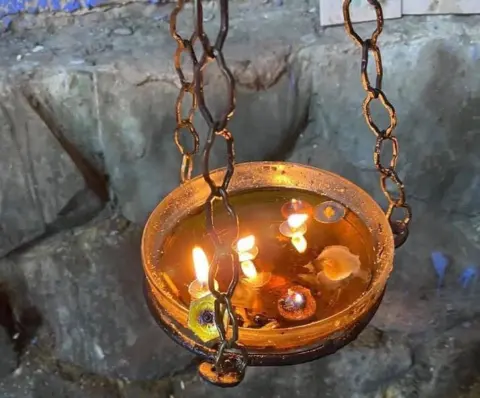
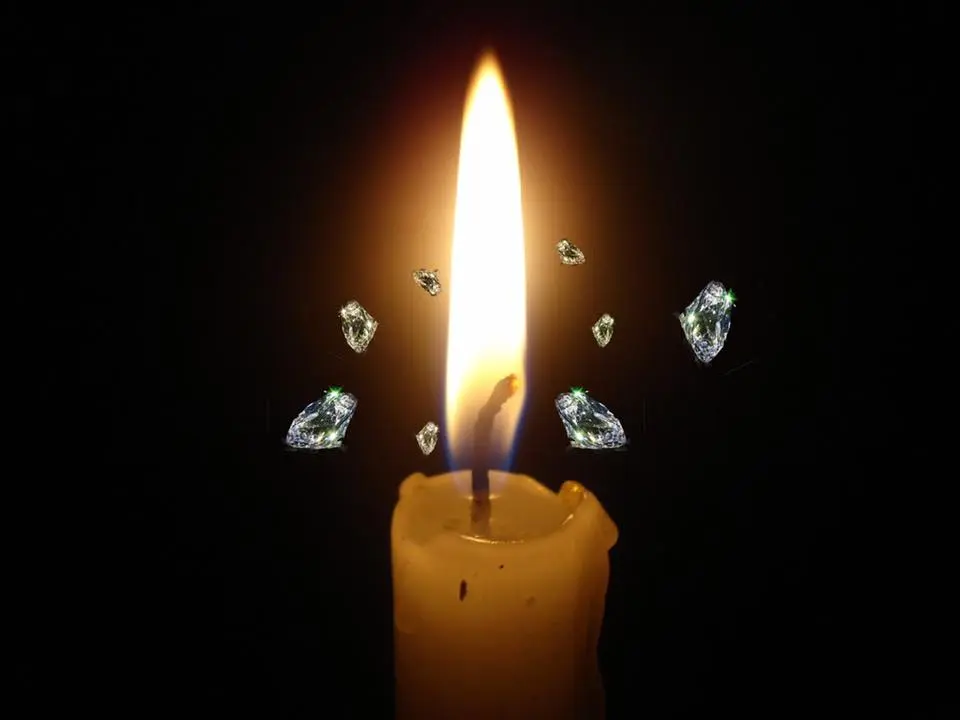
“Ner Neshama” in Hebrew means the soul’s candle, or a memorial candle. In Hebrew, instead of “for the repose of the soul,” the term “Le'ilui” is used, meaning the elevation of the soul. Lighting a candle le'ilui nishmat the deceased is mentioned in several places.
“It is known that the soul derives pleasure from the lighting of candles; it moves amid the splendor of heaven, joy spreads from the source of light, and it yearns for that light, even though the light of a candle’s flame is physical while the light of the soul is spiritual, pure, and simple.”
(Rabbeinu Bachya, Terumah “Offerings”)
- “הרי לך שהנשמה יש לה הנאה מןהאור” - “The souls delight in the light there, and one should not be surprised that even the scent is beloved by the soul when it is in the body.”
Ben Ish Chai teaches that the soul of a tzadik rejoices when a memorial candle is lit for him, and his soul ascends to Hashem and intercedes on behalf of the person who lit the Ner Neshama in his honor.
(Ben Ish Chai, Torah Lishmah, 520)
The origin of this custom is associated with Rabbi Yehudah HaNasi, the compiler of the Mishnah, who instructed his family:
“נריהיה דלוק במקומו” - “Candles shall be lit in his place,” - expressing respect for the deceased.
“The Name of the Almighty is present in the name of a tzadik. It ‘clothes’ itself in him; from this we learn that when the name of a tzadik is publicized, the Name of the Blessed One is publicized. The greater the name of the tzadik, the greater the Name of the Almighty, because the Name of the Almighty is associated with the name of the tzadik.” (Chazal)
A votive or oil candle is used for lighting a candle le ilui nishmat. Before lighting the candle, money is set aside for the Kupat Tzedakah.
The candle is lit with the words: “Hareini madlik ner le'ilui nishmat Rabbi… Ribbono shel Olam, b'zechut tzadik Rabbi…” (personal requests)
(Sila Tehilim website)
Was this helpful?
100% of readers found this article helpful (5 votes).
Please note: some articles on our site contain the holy Names of the Almighty. If you print these articles, they may not be thrown away or destroyed. Please handle printed copies with care and respect.
Tags: Yahrzeit, Yahrzeit of Tzadikim