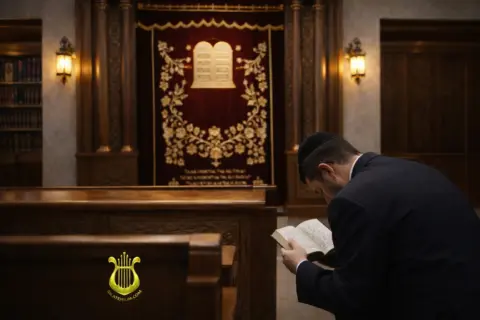
Ayelet HaShachar The Mekubalim call this the time when prayers are accepted, a time of special Divine favor and benevolence toward the Jewish people. We find an explanation for this in the Torah.
The concept of “Ayelet HaShachar” appears twice in Tanakh: in the Torah and in Tehillim. In both instances, it serves as a point of departure for salvation and redemption.
Interestingly, the same concept is pronounced differently in the Torah and in Tehillim: Alot HaShachar (in the Torah) and Ayelet HaShachar (in Tehillim).
It is known that Yaakov received the name Yisrael at Ayelet HaShachar, after wrestling throughout the night with the angel of Edom.
The Sages teach that there are 72 minutes between Ayelet HaShachar (dawn) and hanetz hachamah (sunrise), corresponding to the 70 years of the birth pangs of Mashiach—“Chevlei Mashiach”—and the two years of “Chezkas Mashiach,” when Mashiach will be able to reveal himself.
Alot HaShachar in the Torah
It is stated in Bereishit (32:24–33):
כה וַיִּוָּתֵר יַעֲקֹב, לְבַדּוֹ; וַיֵּאָבֵק אִישׁ עִמּוֹ, עַד עֲלוֹת הַשָּׁחַר
— “And Yaakov was left alone; and a man wrestled with him until the dawn” (Alot HaShachar).
כו וַיַּרְא, כִּי לֹא יָכֹל לוֹ, וַיִּגַּע, בְּכַף-יְרֵכוֹ; וַתֵּקַע כַּף-יֶרֶךְ יַעֲקֹב, בְּהֵאָבְקוֹ עִמּוֹ.
— “And when he saw that he could not overcome him, he touched the socket of his thigh; and the socket of Yaakov’s thigh was dislocated as he wrestled with him.”
“Me’am Lo’ez” teaches that “gid hanasheh” is a tendon in the human body, corresponding to one of the 365 negative commandments—“Rechilut” (the prohibition against gossip).
כז וַיֹּאמֶר שַׁלְּחֵנִי, כִּי עָלָה הַשָּׁחַר; וַיֹּאמֶר לֹא אֲשַׁלֵּחֲךָ, כִּי אִם-בֵּרַכְתָּנִי.
— “And he said, ‘Let me go, for the dawn has risen.’ And he said, ‘I will not let you go unless you bless me.’”
כח וַיֹּאמֶר אֵלָיו, מַה-שְּׁמֶךָ; וַיֹּאמֶר, יַעֲקֹב.
— “And he said to him, ‘What is your name?’ And he said, ‘Yaakov.’”
כט וַיֹּאמֶר, לֹא יַעֲקֹב יֵאָמֵר עוֹד שִׁמְךָ - כִּי, אִם-יִשְׂרָאֵל: כִּי-שָׂרִיתָ עִם-אֱלֹהִים וְעִם-אֲנָשִׁים, וַתּוּכָל.
— “And he said, ‘Your name shall no longer be called Yaakov, but Yisrael; for you have struggled with an angel and with men, and have prevailed.’”
(The establishment of the State of Israel is associated by many Sages with Ayelet HaShachar—in the year 5708.)
ל וַיִּשְׁאַל יַעֲקֹב, וַיֹּאמֶר הַגִּידָה-נָּא שְׁמֶךָ, וַיֹּאמֶר, לָמָּה זֶּה תִּשְׁאַל לִשְׁמִי; וַיְבָרֶךְ אֹתוֹ, שָׁם.
— “Yaakov asked him, ‘Please tell me your name.’ And he said, ‘Why do you ask my name?’ And he blessed him there” (the angel of Edom).
לא וַיִּקְרָא יַעֲקֹב שֵׁם הַמָּקוֹם, פְּנִיאֵל: כִּי-רָאִיתִי אֱלֹהִים פָּנִים אֶל-פָּנִים, וַתִּנָּצֵל נַפְשִׁי.
— “And Yaakov named the place Penuel, for: ‘I have seen an angel of G-d face to face, and my life has been spared.’”
לב וַיִּזְרַח-לוֹ הַשֶּׁמֶשׁ, כַּאֲשֶׁר עָבַר אֶת-פְּנוּאֵל; עַל-יְרֵכוֹ.
— “And the sun rose upon him as he passed Penuel, and he limped on his thigh.” (Seventy-two minutes after Ayelet HaShachar.)
As we see, the Torah describes the entire period from Ayelet HaShachar (dawn) until sunrise.
Ayelet HaShachar in Tehillim
Chazal teach that Esther is called Ayelet HaShachar.
The morning star does not appear all at once. At the moment of Ayelet HaShachar, it is difficult to see anything—the sky is still black. A tiny light begins to emerge within the vast, endless darkness. Then, after some time, everything begins to grow clearer, the sky brightens, and the sun rises.
The same was true of Esther. Alone in the lair of her enemies—neither her youth nor her beauty shining—she had not appeared before the king for more than 30 days. Rejected and desperate, she cried out to Hashem:
— “Lamenatzeach al Ayelet HaShachar… Eli, Eli, lama azavtani…” — (For the conductor, upon the dawn. Why have You forsaken me… You are far from my salvation… from the words of my prayer… I call to You by day, but You do not answer; by night, yet I am not silent).
And then Esther understands that there is a hidden salvation, a “nes nistar,” and she recites: “Ve’atah Kadosh, yoshev tehillot Yisrael”—(Yet You are holy, enthroned upon the praises of Israel).
Kadosh means hidden, set apart from others.
When Hashem governs the world through nature, He is Kadosh—hidden.
When Hashem is concealed and a person cannot discern what He has intended or understand His plan, He is called Kadosh.
Throughout the long nights of Jewish history, we have clearly felt separated from Hashem.
Rabbi Nachman of Breslov (zt”l) teaches that the darkest time of night is the moment just before dawn.
In the midst of the deepest despair, Ayelet HaShachar—the dawn—arrives. It rises and gradually illuminates everything around it, and then the sun rises.
This is why prayers recited at Ayelet HaShachar (Vatikin, Netz) have always been the most effective.
(translated from http://yearsofawe.blogspot.com, Dov Ber Leib; based on the teachings of Rabbi Nachman of Breslov)
Was this helpful?
100% of readers found this article helpful (57 votes).
Please note: some articles on our site contain the holy Names of the Almighty. If you print these articles, they may not be thrown away or destroyed. Please handle printed copies with care and respect.
Material from our site may be copied for the purpose of spreading Torah, provided a link to Silatehilim.com is included. Any use of the site's material in print publications or for commercial purposes is prohibited without the rights holder's consent.