

 Sila Tehilim
כוחה של תהילים
silatehilim.com
Sila Tehilim
כוחה של תהילים
silatehilim.com
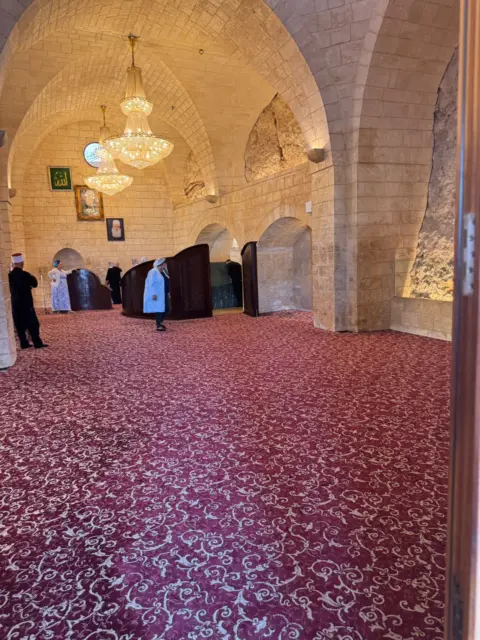
Grave
Or HaChaim
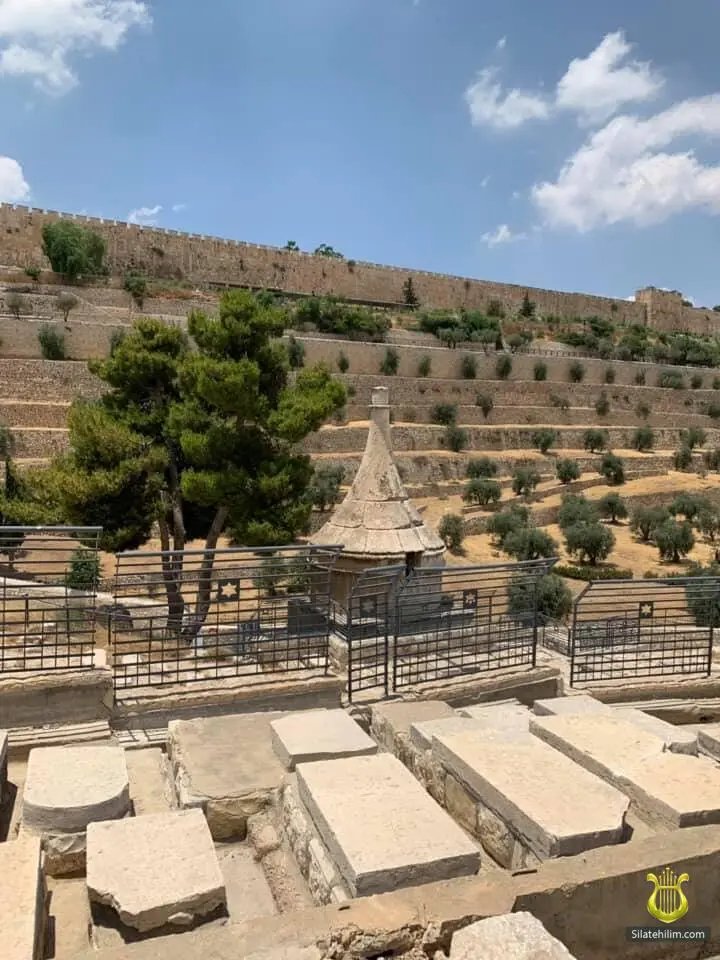
Yahrzeit (Hillula)
- 15 Tammuz — Rabbi Chaim ben Attar - Or HaChaim
Rabbi Chaim ibn Attar - Or HaChaim
Before Rabbi Chaim ibn Attar – the "Or HaChaim" – revealed himself to the world and people realized that he was a tzadik, the following story took place.
In those years there lived a king who was well versed in astrology. One day, gazing at the stars, the ruler saw that at the moment of his birth the position of the stars had been identical to that of another man - a very wealthy and wise Jew. Through the stars the king learned that this Jew possessed an enormous military force, and that he lived in a country under the king's own rule!
Doubt crept into the astrologer-king's heart: "The Jews have no country, no ministers, no leader! They are all poor and scattered across the world. What could this mean?"
To find this mysterious man, the king decided to divide the whole world into several parts by lot. It turned out that the Jew the stars spoke of lived in the East.
Setting off on his journey, the king appointed his 70-year-old priest, his most trusted minister, as regent on the throne in his place. Disguised in plain clothing, the stargazing ruler took provisions with him and headed east. Stopping for the night at an inn, the king again cast lots to determine in which city this mysterious Jew lived.
Arriving in the city, the king used lots to find the street where the man lived, and went there. To the ruler's astonishment, it turned out that the street in question was in the Jewish quarter, in its very poorest corner, where most of the residents huddled in poverty in cellars. Despite all his efforts, the king found it hard to believe he had found the right place: "Perhaps I made a mistake?" the king thought, and returned to the inn.
That night he studied the starry sky again, and again saw that the wealthiest and wisest Jew indeed lived on that impoverished street. Casting lots, the ruler discovered that the man he sought must live in one of the cellars.
The next day, toward evening, the disguised king went there and knocked on the door. An elderly woman opened it. The king asked her: "Where is your husband?" The woman answered that her husband was at the synagogue and would return in an hour.
Exactly an hour later the king knocked on the door again. Opening it, Rabbi Chaim ibn Attar said to his guest: "Welcome, my sovereign!" The king pretended to be surprised and said: "What made you decide that I am a king?!"
Rabbi Chaim answered him: "Yes, my sovereign, I know that you are a king, and this is no mistake." Hearing the Jew call him king twice, the ruler felt that he was standing before a prophet, or a man possessing a spirit of holiness. It seemed all the stranger to the king that this holy man lived in such great poverty: in his small room, stones stacked one atop another served instead of chairs, with mats laid upon them. An old table stood in the middle of the room, and an oil lamp hung on the wall. There was nothing else in the room...
"I wish to reveal a secret to you," the ruler said to the Jew.
"Please do!" he answered.
"How do you know that I am a king?
Let his majesty reveal his secret to me – and I will reveal mine to him."
"I read very strange things about you in the stars," said the king.
"You saw everything correctly. I am wealthier than your majesty, and I have a vast army and faithful guards, but they are all spiritual beings. If my lord the king wishes, I would be glad to show him," said the mysterious Jew.
Rabbi Chaim ibn Attar gave the king a small mirror and asked him to look into it.
When the king looked into the mirror, he suddenly cried out: "Woe! Woe is me! My wife is in danger!"
"Do not worry, my sovereign! Take your pistol and fire at the mirror twice," Rabbi Chaim advised.
The king fired at the mirror and saw in its shards his trusted minister falling to the ground, dead.
"Is that your regent?" the rabbi asked in wonder.
"Yes, it is he... Could all this be an illusion? A dream? Sorcery?" the king wondered.
"No, my sovereign, this is neither a dream, nor an illusion, nor witchcraft. If you return home, you will see for yourself that it is true. But wait a moment and look into the broken mirror to see the rest of the story."
Looking into one of the shards, the king saw that a great uproar had broken out in the palace; ministers and guards were rushing about searching for the killer, but the witnesses all agreed that they had only seen two deadly bullets fired by someone through the window...
It was decided to bury the king's regent in a secret place, to conceal all the unclear details, and to blame the Jews for the murder itself...
When the king took his eyes off the mirror, the rabbi advised: "Let his majesty go home, and I will come in a few days."
The king sensed that Rabbi Chaim was a holy man capable of working wonders. He decided to follow the rabbi's word.
When the ruler arrived at his palace, he immediately asked: "Where is my minister?"
The courtiers told the king that the elderly priest had gone into the Jewish quarter and had not returned from there. This hint was enough to set off slander against the Jewish people throughout the palace.
Having heard the courtiers' reply, the king himself remarked: "I have heard that this people is cruel and
ungrateful, and that they love Christian blood. Bring them here at once, and I shall judge them! Let representatives of every nation be brought here, along with one of the Jewish sages - we shall judge them by the law."
The courtiers did not favor the Jews, and so the king's words pleased them greatly.
A day of judgment was set, and the Or HaChaim was invited as well.
When the appointed time came and the trial began, everyone present began accusing the people and heaping every kind of blood libel upon the Jews.
Then the king asked Rabbi Chaim: "What can you say in answer to these accusations? How dare you repay us evil for good?"
Rabbi Chaim drew himself up and said: "Great sovereign! Know this: everything said here is a lie! Your minister did not die at the hand of any man. This punishment was sent to him from Above! It happened when he entered the queen's chambers, attacked her, covered her mouth, and attempted to violate her. Our queen is a modest woman and a faithful wife. She wanted to scream to save herself but could not utter a sound, so she began to struggle with this villain. Suddenly two bullets were sent from Above and killed your minister on the spot. The courtiers decided to bury him in secret from everyone, but I will tell you where to look for the body. And if the sovereign does not believe my words, let him send for the queen, and she will tell the whole truth!"
To this the king remarked: "It is not fitting for my wife to come here to speak of such things before a crowd. I will go to her myself!"
In anger the king rose from his throne, ordered the guards to let no one leave the courtroom, and went to his wife's chambers. Five minutes passed, and the king returned. The first thing he did was embrace and kiss the sage, saying to him: "Your words are true!"
He then ordered the execution of six noblemen who had conspired with the priest, and the threat hanging over the Jewish community vanished.
(Ahavat HaChaim, Beha'alotcha)
Limud - commentary of the Or HaChaim on the weekly Torah portion "Bo":
"Vehigadta levincha vechulei – tzarich lada'at lama lo amar "ve'amarta" ki teivat hagada matzinu leraboteinu zichronam livracha she'amru (Shabbat "pei zayin"). She'itkaven ba dvarim kashim kegidim. Od kasha omro "beyom hahu" uvesamuch gamar omer ba'avur ze vedarshu raboteinu zichronam livracha (be-Mechilta ve be-Hagada): "Besha'a shematza umaror vechulei…" vehu balaila velo bayom, ve'im ken lo haya lo lomar ela vehigadta levincha" le'emor ba'avur ze ve'ani yodea zman hahagada shehu balaila. Od tzarich lada'at omro "le'emor" vehu kvar amar "vehigadta".
Venir'e ki yachvin al derech omram zichronam livracha (Pesachim "kuf tet zayin"): "Matchil bignut umesayem beshevach", yomar gnut avoteihem shel ha'avot ki lo haya davar meshubach, vehu omro "vehigadta" dvarim shelev ha'adam ne'ekash mehem, ve'achar-kach mesayem beshevach, vehu omro "le'emor" amirot meshubachot mesamchim et halev umesa'adim oto, ve'amar "beyom hahu" hodia bemetek lashon tzadik, ki halaila hahu yom ikare vehu omro (Tehillim "kuf lamed tet") "velaila keyom yair", velo chash shetit'e lomar yom mamash shegamar omer ba'avur ze shehu bish'at matza vechulei ke'omram za"l. Ve'ulai ki samach "beyom hahu" im "vehigadta" ki gam nes ze bichlal mitzvat hagada.
Od yirtze be'omro "le'emor" lihyot she'amar "vehigadta levincha" teinach im yesh lo ben im ein lo ben yihye patur talmud lomar "le'emor, she'al kol panim tzarich lehagid, afilu beino lvein atzmo, im ken lama amar "levincha". Ve'ulai shebe'emtza'ut ha'itur ani mevin ken velo belo itur. Ve'efshar od she'irmoz be'omro "vehigadta levincha" she'im yagid hahagada ha'amura be'inyan izakehu Ado-nai she'yagid livno uchdei shelo tit'e lomar davka, leze amar "le'emor".
(Yeshiva "Yodei Bina", based on a lesson by Rav Israel Yakobov, "The Power of the Tzadikim")
Prayer of the Or HaChaim HaKadosh for the Shechinah
Gallery
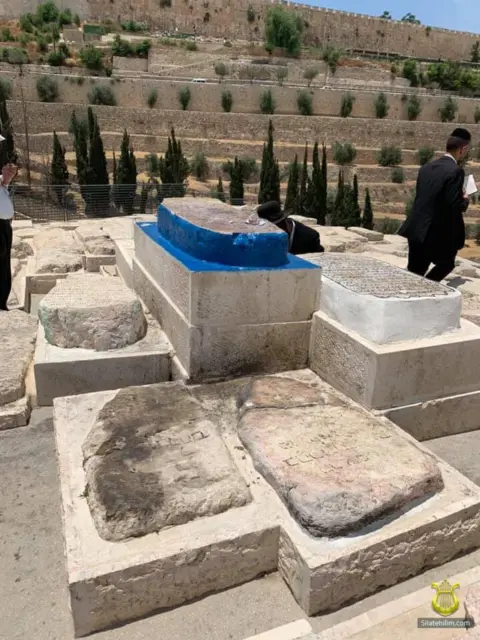
Articles about this tzadik 9
 Stories of Tzadikim - Rabbi Chaim ben Attar
12.07.2022
Stories of Tzadikim - Rabbi Chaim ben Attar
12.07.2022
 Borei Nefashot – a segula for prosperity according to the Or HaChaim
24.06.2021
Borei Nefashot – a segula for prosperity according to the Or HaChaim
24.06.2021
 Shirat HaYam and Ohr HaChaim HaKadosh
22.01.2024
Shirat HaYam and Ohr HaChaim HaKadosh
22.01.2024
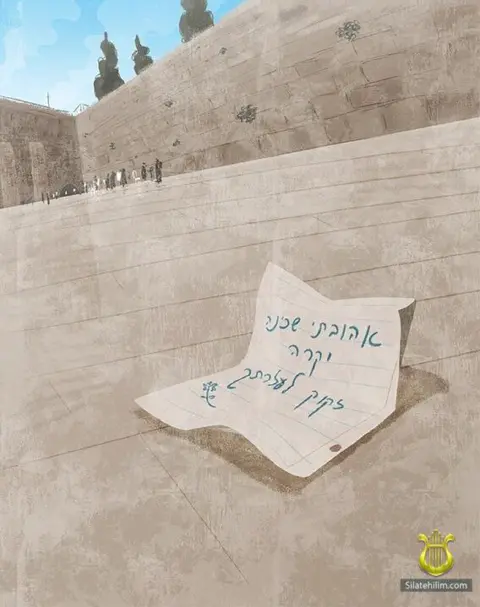 A Note for the Western Wall — How the Tradition Began
03.07.2023
A Note for the Western Wall — How the Tradition Began
03.07.2023
 Tikkun HaGadol of the Shelah HaKadosh
03.04.2022
Tikkun HaGadol of the Shelah HaKadosh
03.04.2022
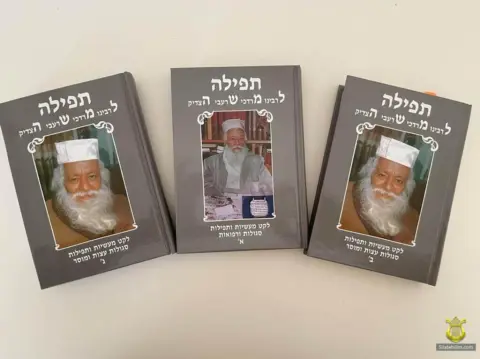 Seder Melaveh Malkah of the Mekubal Rabbi Mordechai Sharabi
29.09.2021
Seder Melaveh Malkah of the Mekubal Rabbi Mordechai Sharabi
29.09.2021
 Segulot for Rosh Chodesh Tammuz
22.06.2020
Segulot for Rosh Chodesh Tammuz
22.06.2020
 Yahrzeit of Tzadikim in the Month of Tammuz and Their Segulot
21.06.2017
Yahrzeit of Tzadikim in the Month of Tammuz and Their Segulot
21.06.2017
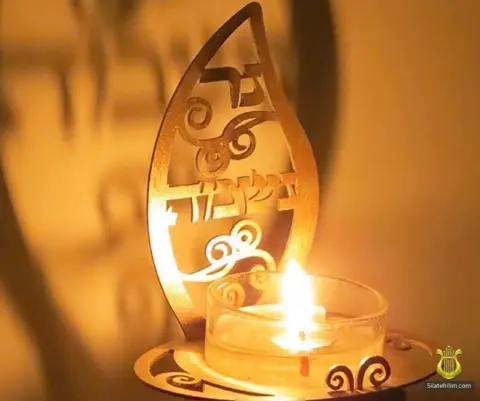 13-Day Candle Lighting Lechvod Tzadikim
21.07.2016
13-Day Candle Lighting Lechvod Tzadikim
21.07.2016
Other graves
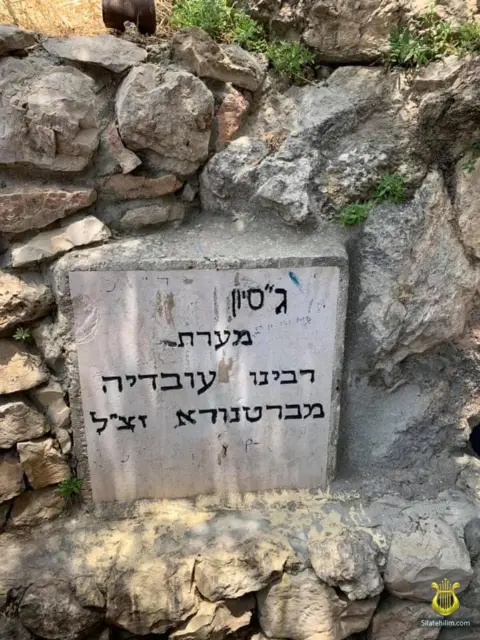
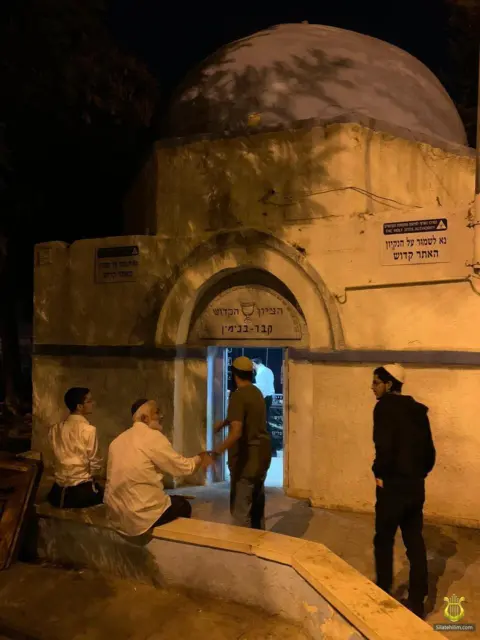

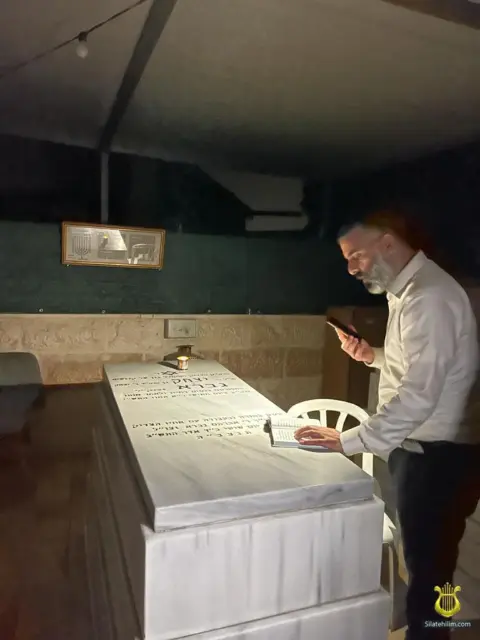

Source: https://silatehilim.com/en/kivrei_tsadikim/кевер-рабби-ор-а-хаим/
Material from our site may be copied for the purpose of spreading Torah, provided a link to Silatehilim.com is included. Any use of the site's material in print publications or for commercial purposes is prohibited without the rights holder's consent.