Skip to content
This English version of the site was translated with AI assistance. We apologise for any errors and are working to improve it.
13-Day Candle Lighting Lechvod Tzadikim
Candle Lighting

13-Day Candle Lighting Lechvod Tzadikim

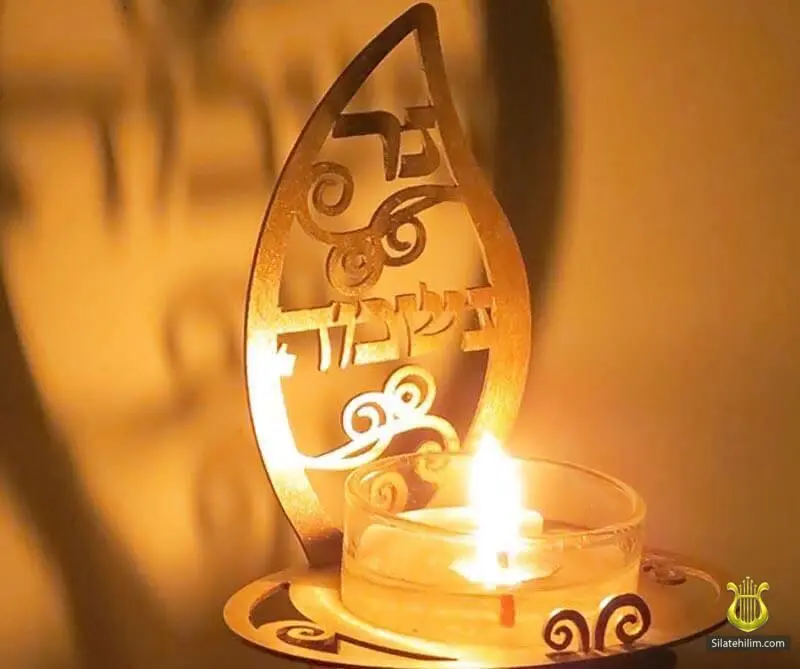
13-Day Candle Lighting Lechvod Tzadikim Lighting candles Lechvod Tzadikim for 13 days is a very powerful segula for opening the 13 Shaarei Rachamim. It is known that the number 13 in Judaism is associated with the 13 Attributes of Mercy of the Almighty.  This segula comes from the Kisei Rachamim Yeshiva in Bnei Brak, founded by the mekubal, HaGaon Rabbi Meir Mazuz, and it has helped many of my friends in extremely difficult situations. Since we are the spiritually lowest generation and do not have enough merits of our own, this is a good segula for connecting ourselves to the merits of our greatest ancestors—the Tzadikim. Thus, for 13 days, each evening 15–20 minutes before shkiah (sunset), light one candle for one tzadik according to the list and recite the words corresponding to that day. For lighting a candle Lechvod Tzadikim, it is preferable to use an oil candle.  Before the prayer, the pious perform Netilat Yadayim and set aside tzedakah—ideally three coins; details at the link: https:The Power of Tears — Esau’s 2½ Tears and the Mystery of the Three Coins in Shacharit) Prayer Before Lighting the Candles “LeShem Yichud Kudsha Berich Hu u-Shechintei Bidhilu u-Rchimu, u-Rchimu Bidhilu LeYichuda Sheim ‘Yud,’ ‘Kei,’ ve-‘Vav,’ ‘Kei BeYichuda Shalem, be-Sheim Kol Yisrael, Hareini madlik ner zeh le-Chvod: [With awe and love, with awe and love, for the sake of the unification of the Holy One, blessed be He, and His Shechinah, on behalf of all Israel, I light candles in honor of]   Day 1 – Avot (the forefathers Abraham, Isaac, and Jacob), olam aleihem ha-shalom; may their merit protect us; Day 2 – Imahot (the foremothers Sarah, Rebecca, Rachel, and Leah), kedoshot aleihem ha-shalom; Day 3 – Moshe Rabbeinu, alav ha-shalom; Day 4 – Aharon HaKohen, alav ha-shalom; Day 5 – David HaMelech, alav ha-shalom; Day 6 – Rabbi Shimon bar Yochai, alav ha-shalom; Day 7 – Rabbi Meir Baal HaNes, alav ha-shalom; Day 8 – Rabbi Levi bar Sisi, alav ha-shalom; Day 9 – Rabbi Chaim ben Attar (Ohr HaChaim), alav ha-shalom;  Day 10 – Rabbi Yaakov Abuhatzeira (Abir Yaakov), alav ha-shalom;  Day 11 – Rabbi Shalom Sharabi (Rashash), alav ha-shalom; Day 12 – Rabbi Chaim Pinto, alav ha-shalom; Day 13 – Rabbi Moshe Aharon Pinto, alav ha-shalom; After lighting the candles, it is good to read the following chapters of Tehillim: 42, 43, 72, 89, 90, 122, 132; Since Tehillim should not be recited after sunset, it is preferable to light half an hour before shkiah or at midnight. After Tehillim, recite the prayer “Nishmat Kol Chai.” Prayer at the link: The “Nishmat Kol Chai” Prayer - Text with the Segula of Rabbi Yehuda HaChassid   “Ner Neshamah” in Hebrew means a soul candle, or memorial candle. In Hebrew, instead of “for the repose of the soul,” the expression “LeIlui” is used, meaning “the elevation of the soul.” Lighting a candle LeIlui Nishmat for the deceased is mentioned in several sources. “It is known that the soul derives pleasure from the lighting of candles; it moves amid the splendor of Heaven, joy spreads from the source of light, and it yearns for that light. Although the light of a candle’s flame is material, the light of the soul is spiritual, pure, and simple.” (Rabbeinu Bachya, Terumah ‘Offerings’)  “There, souls delight in the light, and one should not be surprised that the soul also loves fragrance while it is in the body.” Ben Ish Chai teaches that the soul of a tzadik rejoices when a memorial candle is lit for him, and his soul ascends to Hashem and intercedes on behalf of the person who lit a Ner Neshamah in his honor. (Ben Ish Chai, Torah Lishmah, 520)    The origin of this custom is associated with Rabbi Yehudah HaNasi, the compiler of the Mishnah, who instructed his family: «נריהיה דלוק במקומו»  – “Let a candle remain lit in his place”,— which expresses respect for the deceased. “The Name of the Almighty is contained in the name of a tzadik. It ‘clothes itself’ in him. From this we learn that when the name of a tzadik is spread, the Name of the Blessed One is spread as well. The greater the name of the tzadik, the greater the Name of the Almighty, because the Name of the Almighty is adjacent to the name of the tzadik.” (Chazal) “After death, the Tzadikim have an even greater influence on the welfare of the world than during their lifetimes.” (the holy Zohar on Vayikra, 71a). The holy Zohar (Shemot, 16b) writes that if those who have departed did not plead with the Almighty on behalf of the living, we would not be able to endure even half a day. Elsewhere, the holy Zohar (Vayikra, 70b) states: “When the world is in distress, the especially worthy representatives of the nation inform the souls of the righteous and weep at their graves. Then the souls of the righteous awaken, gather together, and ascend to those ‘sleeping’ in Hebron, telling them of the distress. Then they all enter together through ‘that very entrance’ and inform the ‘Spirit’ of the distress. The ‘Spirits’ crowned in the Garden of Eden, together with the higher angels, go and tell everything to the ‘Soul,’ and the ‘Soul,’ in turn, tells the Almighty. They all plead for mercy for the living. And the Almighty, for their sake, shows mercy to the earth.”
Chacham Rabbi Menachem Menashe from Turkey wrote remarkable words about lighting candles in honor of a tzadik, words often quoted by Rishon LeZion Rabbi Mordechai Eliyahu and the great Chelban:
“Regarding the venerable custom on the eve of Lag BaOmer, when candles are sold, the names of certain Tannaim and Amoraim are mentioned, and candles are lit in their honor, I heard that at that very moment the tzadik himself comes from the World of Truth and looks into the person’s face; he departs remembering that person’s name and appearance. When the person dies, the tzadik comes to his defense, saying how that person spent his money and lit candles in the tzadik’s honor. Although they did not see us or know us, for the sake of faith they seek as many merits as possible; all the more so for a person who studies Torah and mentions their names in the Mishnah or a tractate, causing his lips to move in the grave—such a person receives even greater assistance.”
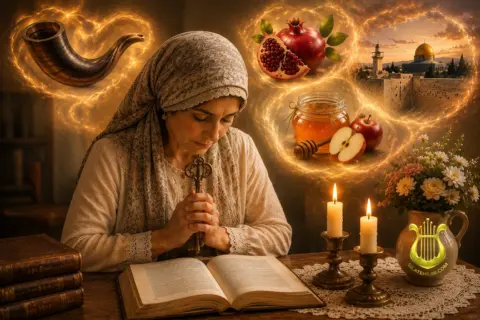
After lighting the candle, recite Psalm 13 thirteen times—this is a segula from the great kabbalist Rabbi Daniel Frisch, author of “Matok MiDevash,” who connects this practice with the 13 Attributes of the Creator’s Mercy. By reciting Psalm 13 in this manner, we draw Rachamim from Hashem. Since Tehillim should not be recited after sunset, it is preferable to light half an hour before shkiah or at midnight. After Tehillim, recite the prayer “Nishmat Kol Chai.” (With the support of the Kisei Rachamim Yeshiva for silatehilim, Yuri Plishtiev)

Was this helpful?

97% of readers found this article helpful (73 votes).

Please note: some articles on our site contain the holy Names of the Almighty. If you print these articles, they may not be thrown away or destroyed. Please handle printed copies with care and respect.

Tags: Segulot, 13-Day Candle Lighting “Ner Neshamah” in Honor of the Tzadikim, Ner Neshama, Candle Lighting, Lighting a “Ner Neshamah” in Honor of the Tzadikim

21 Jul 2016
Share

Related articles