2) Rabbi Nachman teaches, following the counsel of the Baal Shem Tov, that meticulous observance of the mitzvot helps overcome the consequences of sins imprinted upon the bones: “On the night of Shavuot, we enumerate the 613 mitzvot. Like the word tzavat (connection), the word mitzvah implies the joining of the bones together— so that “not one of them is broken.” (Tehillim 34:21)
“All my bones shall proclaim, O L-rd, who is like You?”. (Tehillim 35:10)
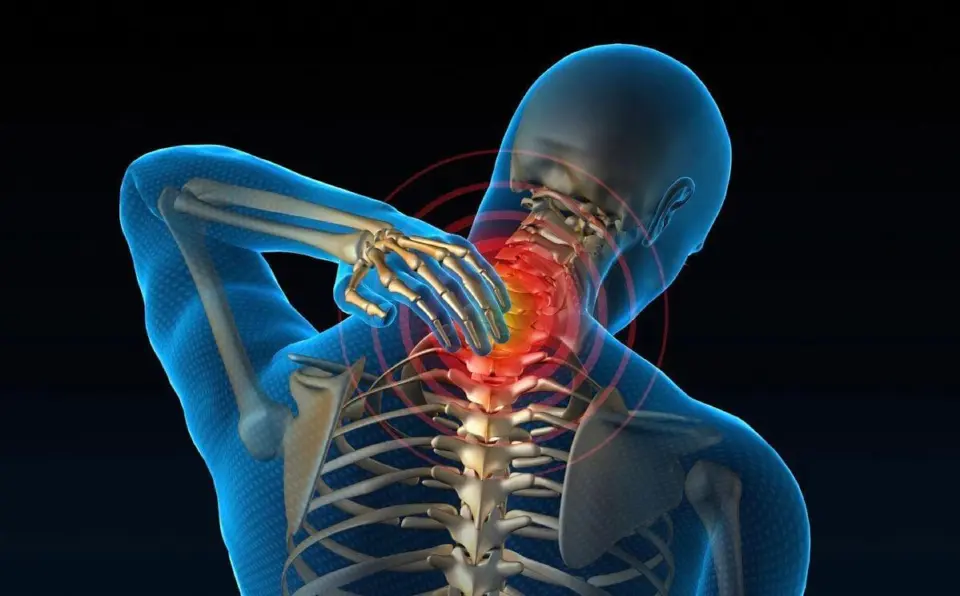
3) The four species of Sukkot symbolize the human body. When a person blesses them during the festival in the Name of the Almighty, he symbolically entrusts Him with his heart and body, his ability to see and express his feelings—in other words, his entire self. A person says: “I belong entirely to You; therefore, the joy of this festival is found only in You!” Then all traces of sin defiling the human body are erased and disappear. The Almighty forgives the person who fulfills this commandment with love and awe. This is what our Sages said in the Midrash: “All my bones shall proclaim, O L-rd, who is like You?” (Tehillim 35) This verse refers to the lulav, because the stalk of the lulav resembles the human spine, to the hadas—because its leaves resemble the eyes, to the aravah—because its leaves resemble the lips, and to the etrog—because it resembles the heart.King David said that no parts of the human body are more important than these. Therefore: “All my bones—all that is within me, my entire being—shall proclaim.” (Vayikra Rabbah 30)
Segulot for Healing the Bones:- Confession (vidui);
- Reverent observance of the mitzvot;
- Performing the mitzvah of netilat lulav with kavanah on Sukkot.
(Based on Likutei Moharan by Rabbi Nachman of Breslov)