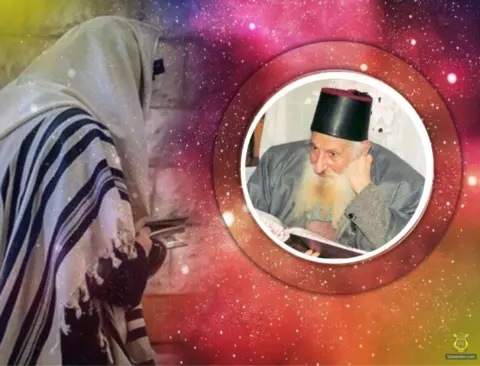
The 36 Rules of Rabbi Moshe Cordovero - the Ramak
1) Your heart should have no room for anything other than Torah; whoever achieves this has transformed it into a Temple for the Shechinah;
2) Never become angry under any circumstances or for any reason, because anger leads a person to sin;
3) Always try to understand what the people around you need, and treat them gently—even those who transgress the laws of the Torah;
4) On weekdays, never drink wine during the day, only at night. On Shabbat and festivals, however, you may drink it during the day as well;
5) On weekdays, try to eat less meat and drink less wine even in the evening; in this way, you will give less strength to the Angel of Death;
6) During prayer, do not allow yourself to think about mundane matters—devote the entire time of prayer to the Creator;
7) Do not allow yourself to speak badly of a loved one, or, even more so, of animals or any of the L-rd's creations;
8) Forbid yourself from cursing any Jew, even in a moment of anger. On the contrary, summon the courage to bless him, for this will make you blessed as well, as the L-rd said to Abraham: “and I will bless those who bless you…” (Bereishit 12:3);
9) Do not speak in the synagogue about anything except Torah;
10) Never speak about mundane matters—every conversation should be about Torah;
11) Do not touch your body with your hands, and do not lower your hands below your waist;
12) Never swear any oath, even when you wish to use it to confirm the truth;
13) Never lie under any circumstances;
14) Find a friend with whom you can arrange to set aside time each day to discuss matters related to serving the Creator;
15) On the eve of Shabbat, discuss with this same person what was done properly during the week and what should have been avoided, and then welcome Shabbat;
16) Concentrate during prayer as much as possible. Try to recite the first three blessings attentively and bow and straighten yourself four times, being mindful of the meaning of these actions, because the Shechinah is angered by one who performs them without awareness and says: “The L-rd has delivered me into the hands from which I cannot rise” (Eikhah 1:14)
17) Try to recite Mincha while wearing a tallit and tefillin, and during its repetition by the chazzan;
18) Recite Birkat HaMazon after a meal at which you ate bread, loudly enough for your children to hear and repeat it after you word for word;
19) Try not to eat on Sunday meat or a meat dish, and also refrain from wine on that day, except on festivals, Rosh Chodesh, and at a seudat mitzvah;
20) Every night, while sitting on the ground, mourn the destroyed Temple, remembering that our sins delay Mashiach, redemption from Galut, and the rebuilding of the Third Temple for as long as we have not corrected them;
21) Never host a feast in your home unless it is connected with a mitzvah;
22) On weekdays, recite Psalm 137 before Birkat HaMazon;
23) Do not engage in idle conversation;
24) Take care not to become one of the four groups of people whom the Talmud says the Shechinah does not wish to see before it: flatterers, liars, scoffers, and those who disparage others in the eyes of their fellow human beings;
25) Give tzedakah every day, so that it may help you atone for your sins: “Redeem your sins through tzedakah” (Daniel 4:24);
26) Recite “Shema Yisrael” with great concentration, having first purified your heart so that these words may enter it;
27) During the Torah reading, devote your full attention to it, so that nothing distracts you;
28) If you have made a promise, try to fulfill it immediately, or, at the latest, within 30 days;
29) Recite vidui before eating and before going to sleep;
30) Do not recite the blessing “Shehecheyanu…” during the period between the 17th of Tammuz and the 9th of Av. Do not eat meat or drink wine (except for those who fasted on one of these days and need to eat meat and drink wine after the fast);
31) As far as your health permits, try to undertake additional fasts beyond those prescribed in the Shulchan Aruch;
32) Even while chewing your food, try to contemplate a question from the section of Torah you are studying. Then your food will become like a sacrifice, and the water with which you wash it down will be counted for you as a libation upon the altar;
33) Set aside time every day to study Chumash, Mishnah, Kabbalah, Talmud, and Halachah;
34) Divide your Talmud study so that you complete it three times over the course of 12 months;
35) Try to ensure that every prayer, or at least one prayer each day, is accompanied by tears;
36) During each of the four seasons of the year, observe three-day fasts. Whoever is able to add more is praiseworthy.
(“Tomer Devorah,” Pardes edition, edited by Ben-Zion Melamed)