Baba Sali’s Prayer—the Secret to Gratitude
Baba Sali’s Prayer—the Secret to Gratitude
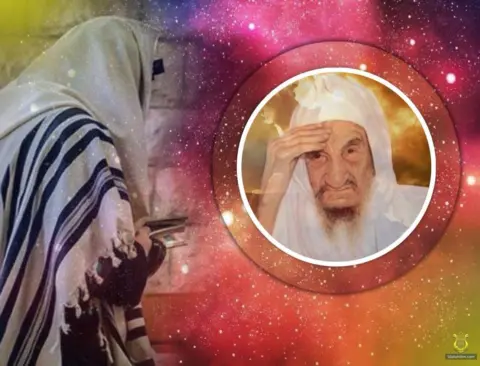
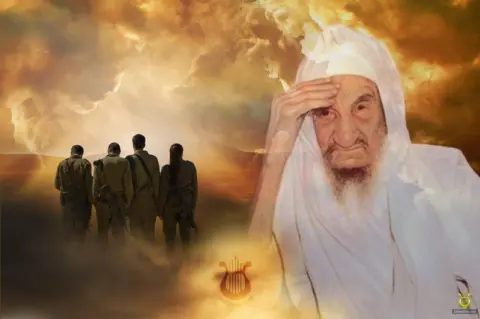
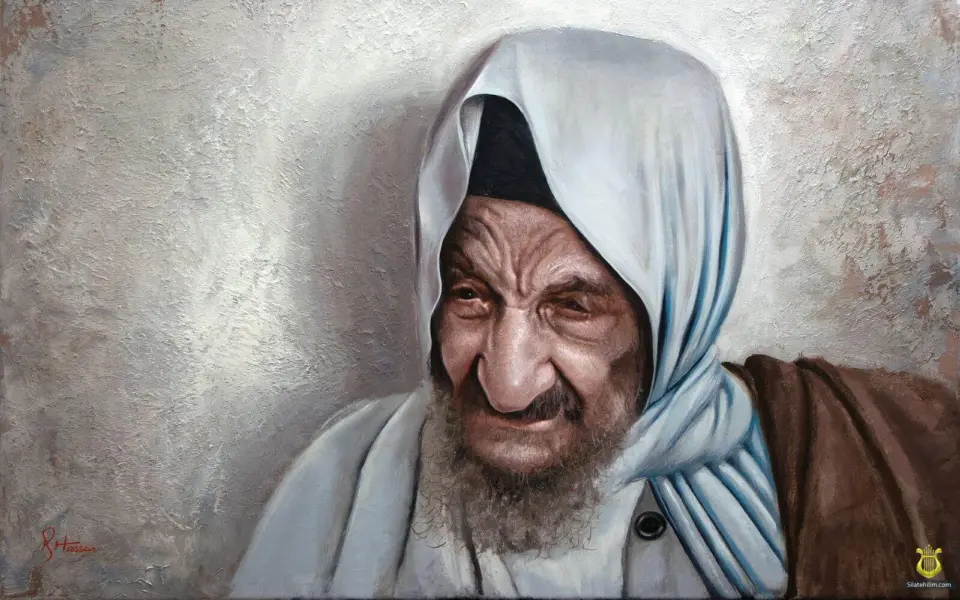
Once, Baba Sali (Rabbi Yisrael Abuhatzeira) developed a serious eye condition.
He was sent to a private eye clinic in Paris, where he was treated by a doctor named Clichy.
The doctor showed the renowned tzadik the utmost concern. He took meticulous care of him and provided everything necessary for his treatment and stay at the clinic. A complex operation was performed, and as a result, the rav’s sight was fully restored.
Baba Sali’s gratitude knew no bounds.
Many years later, a French Jew came to Baba Sali’s synagogue and asked him to pray for his wife, who was seriously ill. The tzadik fulfilled his request, mentioning the woman’s name in the Shabbat prayer, when Jews pray for the complete recovery of all the sick among their people.
After the prayer, the visitor from France remained in the synagogue, waited for an opportunity, and approached Baba Sali. He explained that his wife, for whom the tzadik had just prayed, was the daughter of Dr. Clichy, who had treated Rabbi Yisrael. (He told him this only after the prayer, not beforehand.)
Baba Sali was so moved that he began asking questions—about the doctor and about the visitor’s family. He said how grateful he was to that remarkable doctor and spoke of him in the most glowing terms.
He then added that he would pray once again, right then, for the recovery of Dr. Clichy’s daughter.
For her alone.
He prayed and told the Jew that he would now go home—and his wife would meet him at the door.
The visitor was astonished, because his wife had not gotten out of bed for several weeks.
As soon as he set out for home, at least two dozen other Jews followed him to witness the miracle their beloved rabbi had performed before their very eyes just moments earlier.
They arrived at the house, but no one was there to greet anyone at the door. Well, these things happen. Perhaps it had been meant figuratively: she had surely raised herself up in bed and revived—but the important thing was that she would now recover and certainly get back on her feet. With that, the people began to leave the courtyard. Suddenly, the Jew burst outside and shouted, “She’s standing! She’s standing!”
It turned out that she really had gotten up. She said that she was feeling much better and had decided to help her family set the table for the morning meal. The people immediately ran back to the synagogue and announced to their rav, “She’s standing!”
What happened? The tzadik’s prayer came from a grateful heart. Baba Sali felt immense gratitude toward the doctor who had healed him and shown such extraordinary concern for his illness and recovery.
And the gratitude of a tzadik is capable of working miracles.
When we pray for another person’s recovery, we should remember what he has done for us and for others—and how grateful we are to him for it. Then the prayer will be effective.
Incidentally, we can see from this that if you want other people’s prayers to help you, you should do good deeds so that those around you feel grateful toward you.
The Midrash teaches that during the days of Creation, the grass rose up but did not grow; the world could not develop, and everything stood still, awaiting the appearance of Man. As soon as Man appeared and recited the first prayer, the grass began to grow and the world began to develop.
Thus, the world was “set in motion” by prayer. Prayer lies at the foundation of everything and precedes the fulfillment of all the mitzvot.
But what kind of prayer was it? Man had no requests yet, because he possessed everything! Therefore, he recited a prayer of gratitude—for the Creator had given him life and created a magnificent world for him.
Gratitude set the world in motion. It became its ignition key.
Incidentally, gratitude is not only the beginning of human history but also the beginning of each day for us, which we start with the prayer “Modeh Ani Lefanecha.”
In other words, gratitude is the foundation of the world, our lives, and our daily existence.
(Rabbi Reuven Pyatigorsky)
Was this helpful?
100% of readers found this article helpful (169 votes).
Please note: some articles on our site contain the holy Names of the Almighty. If you print these articles, they may not be thrown away or destroyed. Please handle printed copies with care and respect.
Tags: Baba Sali, The Baba Sali’s Prayer — A Patent for Gratitude, Baba Sali's Prayer