Segulot of Baba Sali
1. Arak (anise-flavored vodka)
All the rabbis of the Abuhatzeira family, beginning with
Abir Yaakov, would bless the Jewish people with
arak (anise-flavored vodka).
Baba Sali once explained that “
arak” –
ערק – is an acronym for “
Kabel
Rinat
Amecha,” the second pasuk of the well-known prayer “Ana BeKoach”; that is,
קרע “
Kra” – from the phrase “
Kra Satan” (“tear apart…”).
There is also a well-known tradition that when Baba Sali poured arak for Jews, he would cover the bottle with a towel, and the arak would flow endlessly without running out. This was a miracle of blessing for shefa (abundance)…
Rabbi Adir Amrocci reveals this secret to us: it turns out that in many Moroccan communities, arak was made from tmarim (dates) to bring shefa, since the tamar is a symbol of shefa. The sages of the Abuhatzeira family would bless people through the arak by performing great and holy yichudim, connecting the Holy Shechinah, which is now in exile, with its Source.
2. Tehillim 107 – Arak – Healing
When people asked Baba Sali to pray for healing, he would recite a pasuk from Tehillim 107:
יִשְׁלַ֣ח
דְּ֭בָרוֹ
וְיִרְפָּאֵ֑ם וִֽ֝ימַלֵּ֗ט מִשְּׁחִיתוֹתָֽם׃
– “Yishlach devaro veyirpa'em, vimalet mishchitotam” – (He sent His word and healed them, and delivered them from their destruction.)
He would then pour arak onto the person's affected area (hand, head, back, and so on), having kavannah for the rashei teivot, the initial letters of this phrase,
ידו “
yado” (“His hand”).
Remarkably, the gematria of the Name
באבא סאלי –
Baba Sali – equals
107.
The Mekubalim transmit that whoever reads
Tehillim 107 before
Shabbat performs a tikkun for all the days of the week and rectifies his body, soul, and spirit.
3. Attaining emunah (faith)
To attain emunah, Baba Sali advised looking up at the sky in the morning and reciting a pasuk from Tehillim (136:4):
לְעֹ֘שֵׂ֤ה נִפְלָא֣וֹת גְּדֹל֣וֹת לְבַדּ֑וֹ כִּ֖י לְעוֹלָ֣ם חַסְדּֽוֹ
– “Le'oseh nifla'ot gedolot levado, ki le'olam chasdo” –
(To Him alone Who performs great wonders, for His kindness endures forever.)
4. Za'atar
When performing the mitzvah of
hachnasat orchim (welcoming guests), Baba Sali would always sprinkle “
za'atar” on the table, beneath the tablecloth, explaining to his family that it protects against ayin hara.
5. Reading Tehillim from Rosh Chodesh to Rosh Chodesh
Baba Sali advised reading Tehillim beginning on the first day of
Rosh Chodesh (specifically from a Sefer Tehillim), five psalms consecutively each day, and reading the remaining five psalms on the final day of the month. Baba Sali explained that on Rosh Chodesh there is a special blessing that descends through the reading of Tehillim. The best option is to read the entire Book of Tehillim.
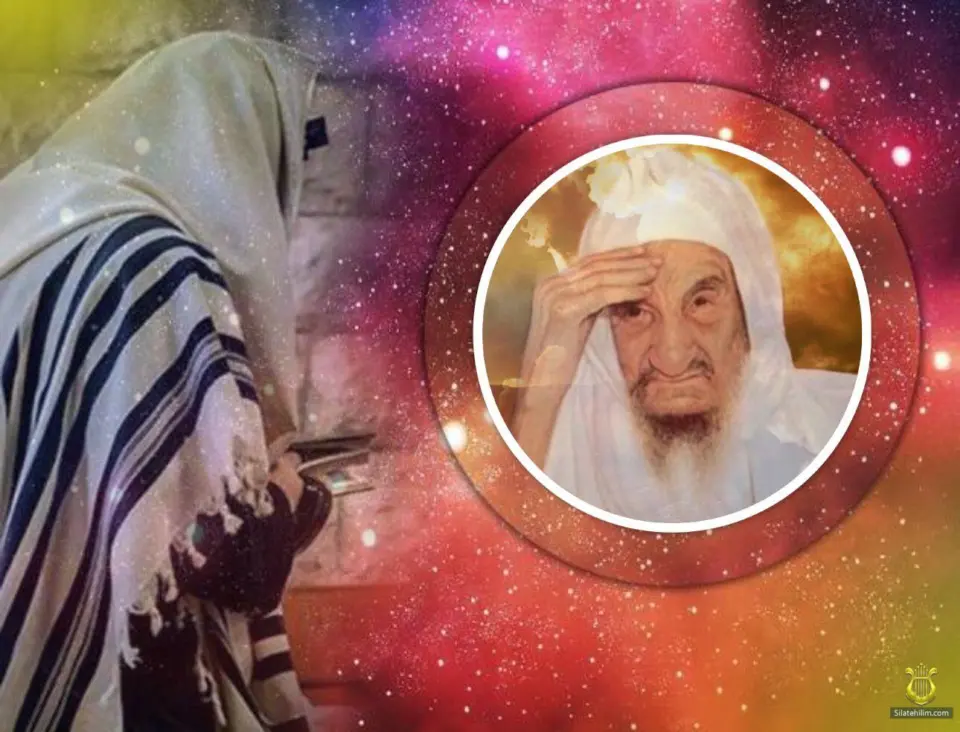
6. Looking at portraits of tzadikim
The segula is that the holiness and righteousness of the tzadikim influence the person who looks at them, eliminating negative character traits.
The Beard of the Ben Ish Chai, or the Segula of Looking at Portraits of Tzadikim
7. For yeshu'ot gedolot
Baba Sali advised those in need of a great salvation to travel to Jerusalem, to Har HaZeitim (the Mount of Olives) (Mount of Olives), to the kever of
Rabbi Shlomo Eliezer Alfandari – Saba Kadisha of Constantinople. Standing at his grave, one should read the entire Sefer Tehillim and then ask for one's personal needs—and this is a segula that has been tested by many.
8. The segula of drinking hot water while reading Tehillim
Baba Sali, whose soul still comes to his students in dreams, advised drinking hot water while reading Tehillim. This has helped many people who were in distress. It is good to say at the same time: “Be-zchut Baba Sali.”
Was this helpful?
100% of readers found this article helpful (103 votes).
Please note: some articles on our site contain the holy Names of the Almighty. If you print these articles, they may not be thrown away or destroyed. Please handle printed copies with care and respect.