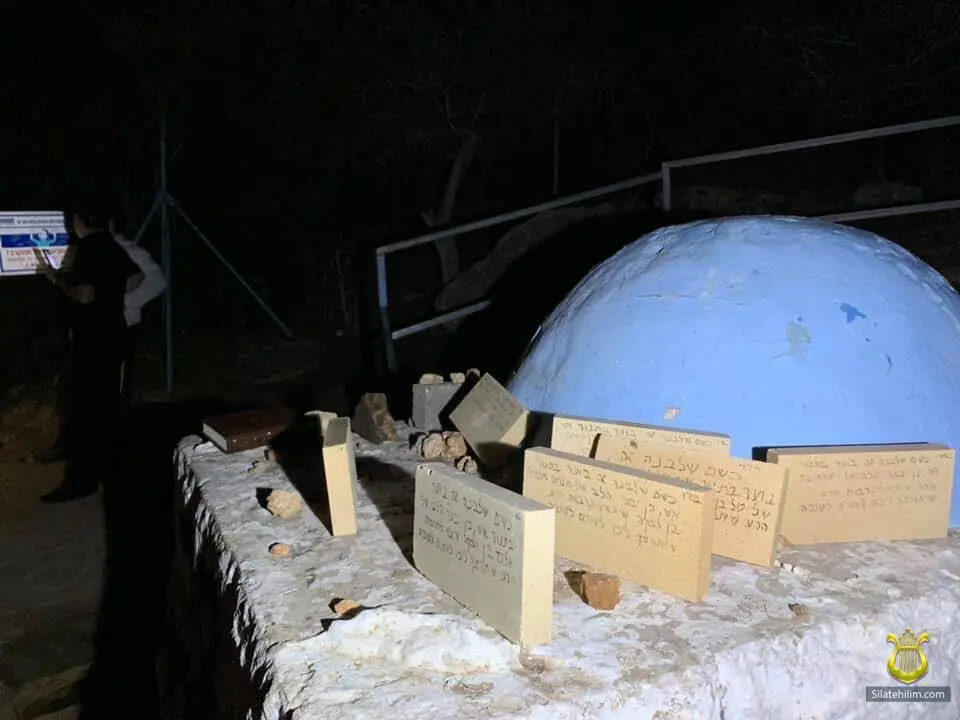
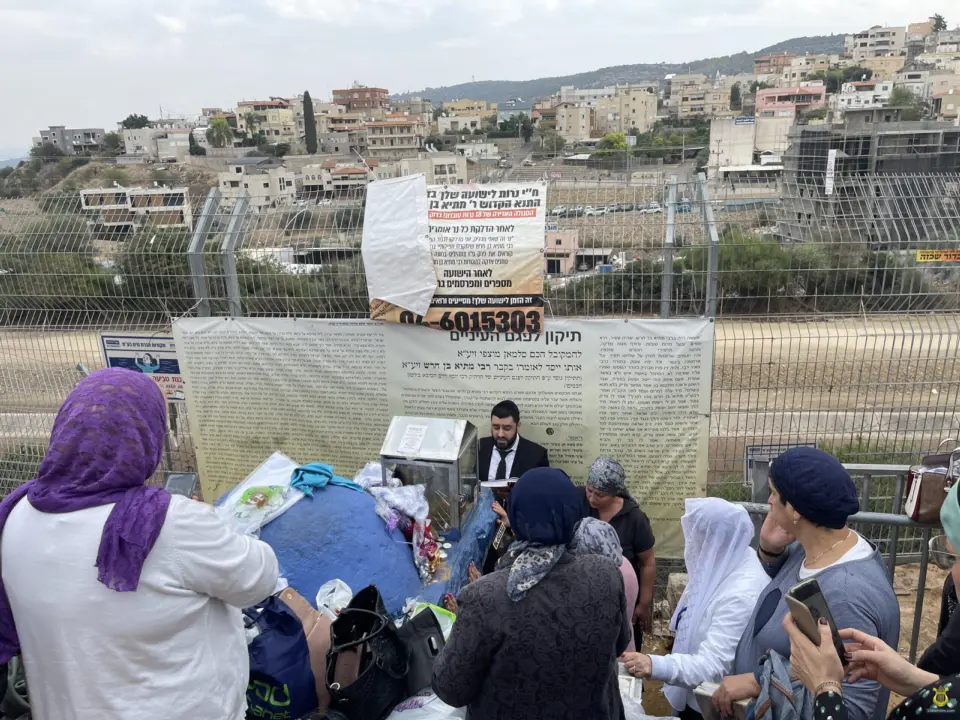
“Tikun Einaim” at the Kever of Rabbi Matya ben Harash
“
Tikun Einaim” (the rectification of the eyes and eyesight) is performed at the Kever of the great Tanna,
Rabbi Matya ben Harash.
He was a holy tzadik who is cited as an example in “
Shemirat Einaim” (guarding one’s eyes). The mekubalim consider
Tanna Rabbi Matya ben Harash to have been a gilgul of
Yosef ben Yaakov Avinu—Yosef HaTzadik, and he was likewise outstanding in “
Shemirat Einaim” (guarding one’s eyes). Therefore, the segula at his Kever is to pray for healing of the eyes.
The story of the test of
Rabbi Matya ben Harash can be found here:
Matya ben Charash
Mekubal Salman Mutzafi offers a סדר of prayers, “
Tikun le-Pegam Re’iyut,” at the Kever of the tzadik Rabbi Matya ben Harash for the rectification of impaired eyesight.
1. “
Tikun le-Pegam Re’iyut” (rectification of impaired eyesight)
We beseech your honor, our master and teacher—the holy Tanna,
Rabbi Matya ben Harash—to intercede for us, for because of the anguish, toil, and journeys of the exile that have befallen us, we have come from our homes to prostrate ourselves at your grave, so that you may pray for us before our Father in Heaven. May He, for the sake of your merits, save us from the evil inclination and grant us the merit to repent before Him completely and soon. May He watch over us with a compassionate gaze, so that we may rectify everything we have damaged through sin when we looked upon forbidden nakedness. May He save us, through His compassion and mercy, so that we will not undergo gilgul (reincarnation) as the bird called the “
ra’ah” (the sharp-sighted one) [a bird of the falcon family distinguished by its keen eyesight, and therefore called in the Torah “the sharp-sighted bird”] because of the sin committed through the eyes. May He save us from the punishment of
chibbut hakever, from the cruel angel who strikes the eyes of the wicked in the grave. May He bring our souls to rest in tranquil habitations and grant us a good portion in the World to Come.
[recite 24 times]
וְנֹחַ מָצָא חֵן בְּעֵינֵי יי
— “Ve-Noach matza chen be-einei Ado-nai” —
(and Noach found favor in the
eyes of G-d).
[recite 10 times]
פִּקּ֘וּדֵ֤י יי יְ֭שָׁרִים מְשַׂמְּחֵי־לֵ֑ב מִצְוַ֥ת יי בָּ֝רָ֗ה מְאִירַ֥ת עֵינָֽיִם
— “Pikudei Ado-nai yesharim, mesamchei lev, mitzvat Ado-nai barah, me’irat einaim” —
(The ordinances of G-d are upright, gladdening the heart; the commandment of G-d is pure, enlightening the
eyes).
[recite 12 times]
עֵינַ֣י תָּ֭מִיד אֶל־יי כִּ֤י הֽוּא־יוֹצִ֖יא מֵרֶ֣שֶׁת רַגְלָֽי׃
“Einai tamid el Ado-nai, ki Hu yotzi mereshet raglai” —
(My
eyes are always turned to G-d, for He releases my feet from the net).
[recite 3 times]
גַּל־עֵינַ֥י וְאַבִּ֑יטָה נִ֝פְלָ֗אוֹת מִתּוֹרָתֶֽךָ׃
— “Gal einai ve-abitah niflaot mi-Toratecha” —
(Open my
eyes, that I may behold wondrous things from Your Torah).
[recite 2 times]
Tehillim 121
א שִׁיר, לַמַּעֲלוֹת אֶשָּׂא עֵינַי, אֶל-הֶהָרִים— מֵאַיִן, יָבֹא עֶזְרִי
ב עֶזְרִי, מֵעִם יי — עֹשֵׂה, שָׁמַיִם וָאָרֶץ
ג אַל-יִתֵּן לַמּוֹט רַגְלֶךָ; אַל-יָנוּם, שֹׁמְרֶךָ
ד הִנֵּה לֹא-יָנוּם, וְלֹא יִישָׁן— שׁוֹמֵר, יִשְׂרָאֵל
ה יי שֹׁמְרֶךָ; יי צִלְּךָ, עַל-יַד יְמִינֶךָ
ו יוֹמָם, הַשֶּׁמֶשׁ לֹא-יַכֶּכָּה; וְיָרֵחַ בַּלָּיְלָה
ז יי יִשְׁמָרְךָ מִכָּל-רָע: יִשְׁמֹר, אֶת-נַפְשֶׁךָ
ח יי, יִשְׁמָר-צֵאתְךָ וּבוֹאֶךָ— מֵעַתָּה, וְעַד-עוֹלָם
(1) Shir hama’alot, esa
einai el heharim, me’ayin yavo ezri. (2) Ezri me’im Ado-nai, oseh shamayim va’aretz. (3) Al yiten lamot raglecha, al yanum shomrecha. (4) Hineh lo yanum velo yishan, shomer Yisrael. (5) Ado-nai shomrecha, Ado-nai tzilcha, al yad yeminecha. (6) Yomam hashemesh lo yakeka, veyare’ach balaylah. (7) Ado-nai yishmarecha mikol ra, yishmor et nafshecha. (8) Ado-nai yishmor tzetcha uvo’echa, me’atah ve’ad olam.
(A Song of Ascents. I lift my
eyes toward the mountains: from where will my help come? My help is from G-d, Maker of heaven and earth. He will not let your foot falter; your Guardian will not slumber. Behold, the Guardian of Israel neither slumbers nor sleeps. G-d is your Guardian; G-d is your shade at your right hand. By day the sun will not harm you, nor the moon at night. G-d will guard you from all evil; He will guard your soul. G-d will guard your going out and your coming in, from now and forever. (2 times.)
[recite 2 times]
Tehillim 123
א שִׁ֗יר הַֽמַּ֫עֲל֥וֹת אֵ֭לֶיךָ נָשָׂ֣אתִי אֶת־עֵינַ֑י הַ֝יֹּשְׁבִ֗י בַּשָּׁמָֽיִם׃
ב הִנֵּ֨ה כְעֵינֵ֪י עֲבָדִ֡ים אֶל־יַ֤ד אֲֽדוֹנֵיהֶ֗ם כְּעֵינֵ֣י שִׁפְחָה֮ אֶל־יַ֪ד גְּבִ֫רְתָּ֥הּ כֵּ֣ן עֵ֭ינֵינוּ אֶל יי אֱלֹקינוּ עַ֝֗ד שֶׁיְּחָנֵּֽנוּ׃
ג חָנֵּ֣נוּ יי חָנֵּ֑נוּ כִּֽי־רַ֝֗ב שָׂבַ֥עְנוּ בֽוּז׃
ד רַבַּת֮ שָֽׂבְעָה־לָּ֪הּ נַ֫פְשֵׁ֥נוּ הַלַּ֥עַג הַשַּׁאֲנַנִּ֑ים הַ֝בּ֗וּז לִגְאֵ֥יוֹנִֽים׃
(1) Shir hama’alot, Elecha nasati et
einai, HaYoshev baShamayim. (2) Behold, as the
eyes of servants look to the hand of their masters, as the
eyes of a maidservant to the hand of her mistress, so are our
eyes directed to G-d our L-rd until He grants us favor. (3) Be gracious to us, G-d, be gracious to us, for we are fully sated with contempt. (4) Our soul is fully sated with the mockery of the complacent and the contempt of the arrogant.
(A Song of Ascents. To You I lift my
eyes, You Who are enthroned in heaven. Behold, as the
eyes of servants look to the hand of their masters, as the
eyes of a maidservant to the hand of her mistress, so are our
eyes directed to G-d our L-rd until He grants us favor. Be gracious to us, G-d, be gracious to us, for we are fully sated with contempt. Our soul is fully sated with the mockery of the complacent and the contempt of the arrogant.)
[recite 2 times]
אזן שמעת ועין ראה יי עשה גם שניהם
— “Ozen shoma’at ve-ayin ro’ah Ado-nai asah gam sheneihem” —
(The hearing ear and the seeing
eye—G-d made them both).
[recite 2 times]
וּמָת֖וֹק הָא֑וֹר וְט֥וֹב לַעֵינַ֖יִם לִרְא֥וֹת אֶת־הַשָּֽׁמֶשׁ:
— “Umatok ha-or, vetov la-einaim lirot et hashemesh” —
(And light is sweet, and it is good for the
eyes to behold the sun).
2. Idra Rabba
עֵינוֹי דְּרֵישָׁא חִוָּורָא, מִשְׁתַּנְיָין מִשְּׁאַר עַיְינִין, לֵית כְּסוּתָא עַל עֵינָא. וְלֵית גְּבִינִין עַל עֵינָא. מַאי טַעְמָא. דִּכְתִיב (תהלים קכא) הִנֵּה לֹא יָנוּם וְלֹא יִישָׁן שׁוֹמֵר יִשְׂרָאֵל. יִשְׂרָאֵל דִּלְעֵילָּא. וּכְתִיב (ירמיה לב) אֲשֶׁר עֵינֶיךָ פְּקוּחוֹת. וְתָאנָא, כָּל מַה דְּאָתֵי בְּרַחֲמֵי, לֵית כְּסוּתָא עַל עֵינָא, וְלֵית גְּבִינִין עַל עֵינָא. כָּל שֶׁכֵּן רֵישָׁא חִוָּורָא, דְּלָא בָּעָא מִידִי.
Einoy de-reisha hivara, mishtanyayin mi-she’ar ayinin, leit ksuta al eina. Ve-leit gvinin al eina. Mai ta’ama? Di-chtiv: hineh lo yanum velo yishan Shomer Yisrael. Yisrael di-le’eila. U-chtiv: Asher einecha pkuhot. Ve-tana, kol ma de-atei be-rachamei, leit ksuta al eina, ve-leit gvinin al eina. Kol sheken reisha hivara, de-lo ba’ah midi.
The
eyes of the White Head differ from other eyes, for there is no covering over these eyes—that is, no eyelids—and there are no eyebrows above them. What is the reason? It is written: “Behold, the Guardian of Israel neither slumbers nor sleeps” (Tehillim 121:4). This refers to the supernal Israel. And it is written: “Your eyes are open” (Yirmeyahu 32:19). We have learned: wherever there is mercy, there is no covering over the eyes and no eyebrows above the eyes. How much more so the White Head, which cannot be described in words.
אָמַר רִבִּי שִׁמְעוֹן לְרִבִּי אַבָּא לְמָאי הִיא רְמִיזָא. אָמַר לֵיהּ לְנוּנֵי יַמָּא, דְּלֵית כְּסוּתָא עַל עֵינָא, וְלֵית גְּבִינִין עַל עֵינָא, וְלָא נַיְימִין, וְלָא בַּעְיָין נְטוּרָא עַל עֵינָא. כָּל שֶׁכֵּן עַתִּיקָא דְּעַתִּיקָא, דְּלָא בָּעֵי נְטוּרָא. וְכָל שֶׁכֵּן דְּאִיהוּ מַשְׁגַּח לְכֹלָּא, וְכֹלָּא מִתְּזָן בֵּיהּ וְלָא נָאִים. הֲדָא הוּא דִכְתִיב, הִנֵּה לֹא יָנוּם וְלֹא יִישָׁן שׁוֹמֵר יִשְׂרָאֵל, יִשְׂרָאֵל דִּלְעֵילָּא.
Amar Rabbi Shimon le-Rabbi Abba: Le-ma hi remiza? Amar lei: Le-nunei yama, de-leit ksuta al eina, ve-leit gvinin al eina, ve-lo naymin, ve-lo ba’in netura al eina. Kol sheken Atika de-Atika, de-lo ba’ei netura. Ve-kol sheken de-ihu mashgach le-khola, ve-khola mitzan bei ve-lo na’im. Hada hu di-chtiv, hineh lo yanum ve-lo yishan Shomer Yisrael, Yisrael di-le’eila.
Rabbi Shimon said to Rabbi Abba: “What does this allude to?” He said to him: “To the fish of the sea, which have no covering over their eyes and no eyebrows above their eyes, and which do not sleep or require watchfulness over their eyes. How much more so the Ancient of Ancients, Who requires no watchfulness. How much more so does He watch over everything, everything is sustained by Him, and He never sleeps, as it is written: ‘Behold, the Guardian of Israel neither slumbers nor sleeps’—the supernal Israel.”
כְּתִיב (תהלים לג) הִנֵּה עֵין יְיָ אֶל יְרֵאָיו. וּכְתִיב (זכריה ד) עֵינֵי יְיָ הֵמָּה מְשׁוֹטְטִים בְּכָל הָאָרֶץ. לָא קַשְׁיָא, הָא בִּזְעֵיר אַפִּין. הָא בַּאֲרִיךְ אַנְפִּין. וְעִם כָּל דָּא תְּרֵי עַיְינִין אִינּוּן ואתחזרו לְחָד, עֵינָא דְּאִיהִי חִוָּור בְּגוֹ חִוָּור וְחִוָּור דְּכָלִיל כָּל חִוָּור.
Ktiv: hineh ein Ado-nai el yere’av. U-chtiv: Einei Ado-nai hemah meshוטetim be-chol ha-aretz. Lo kashya, ha be-Zeir Anpin, ha be-Arich Anpin. Ve-im kol da, trei einin inun ve-it’hazru le-chad, eina de-ihi hivar be-go hivar ve-hivar de-chalil kol hivar.
It is written: “Behold, the eye of G-d is upon those who fear Him” (Tehillim 33:18), and it is written: “The eyes of G-d roam throughout the entire earth” (Zechariah 4:10). There is no contradiction between these verses: one refers to Zeir Anpin, the Small Countenance; the other to Arich Anpin, the Long Countenance. Yet these two eyes return and become one: an eye that is white within white, and white that includes all white.
חִוָּורָא קַדְמָאָה, נָהִיר וְסָלִיק, וְנָחִית לאתכללא, דְּצָּרִיר בִּצְרוֹרָא. תָּאנָא, בָּטַשׁ הַאי חִיוָּרָא, וְאַדְלִיק ג' בּוֹצִינֵי, דְּאִקְרוּן: הוֹד. וְהָדָר. וְחֶדְוָה. וְלַהֲטִין בְּחֶדְוָותָא בִּשְׁלֵימוּתָא.
Hivara kadma’a, nahir ve-salik, ve-nachit le-hitkalela, de-tzarir bi-tzerora. Tana, batash hai hivara, ve-adlik shelosh botzinei, de-ikrun: Hod, ve-Hadar, ve-Chedvah. Ve-lahatin be-che(d)vah bi-shleimutah.
The first white radiance shines and rises, then descends to unite what is bound in a knot. We have learned: this radiance struck and kindled three lamps called Hod, Hadar, and Chedvah, and they blaze with the joy of their perfection.
חִוָּורָא תִּנְיָינָא, נָהִיר, וְסָלִיק וְנָחִית, וּבָטַשׁ ואדליק ג' בּוֹצִינִין אַחֲרָנִין, דְּאִקְרוּן נֶצַח וָחֶסֶד וְתִפְאֶרֶת, וְלַהֲטִין בִּשְׁלֵימוּתָא בְּחֶדְוָותָא.
Hivara tinyana, nahir, ve-salik ve-nachit, u-vatash ve-adlik shelosh botzinin acharanin, de-ikrun Netzach va-Chesed ve-Tiferet, ve-lahatin bi-shleimutah be-chedvatah.
The second white radiance shines, rises, and descends; it strikes and kindles three other lamps called Netzach, Chesed, and Tiferet, and they blaze in the perfection of their joy.
חִוָּורָא תְּלִיתָאָה, לָהִיט וְנָהִיר, וְנָחִית וְסָלִיק, וְנָפִיק מִסְּתִימוּתָא דְּמוֹחָא, וּבָטַשׁ בְּבוּצִינָא אֶמְצָעִיתָא שְׁבִיעָאָה. וְאַפִּיק אָרְחָא ללבא תתאה וּמִתְלַהֲטָן כֻּלְּהוּ בּוֹצִינִין דִּלְתַּתָּא. אָמַר רַבִּי שִׁמְעוֹן יָאוּת הוּא, וְעַתִּיק יוֹמִין יִפְקַח עֵינָא דָּא עֲלָךְ, בְּשַׁעֲתָא דְּתִצְטְרִיךְ לֵיהּ.
Hivara telita’a, lahit ve-nahir, ve-nachit ve-salik, ve-nafik mi-stimuta de-mocha, u-vatash be-vutzina emtza’ita shevi’a. Ve-apik orcha le-liba tata’a u-mitlahatan kulhu botzinin di-letata. Amar Rabbi Shimon: Yaut hu, ve-Atik Yomin yifkach eina da alach, be-sha’ata de-titztarech lei.
The third white radiance blazes and shines, descends and rises, and emerges from the hiddenness of the brain. It strikes the central lamp, the seventh, opens a path to the lower heart, and kindles all the lamps below. Rabbi Shimon said: “It is true. And the Ancient of Days will open this eye upon you when you need Him.”
תָּאנָא חִוָּור בְּגוֹ חִוָּור. וְחִוָּור דְּכָלִיל כָּל חִוָּור. חִוָּורָא קַדְמָאָה, נָהִיר, וְסָלִיק. וְנָחִית לְתלת בּוּצִינֵי דְּלִסְטַר שְׂמָאלָא, וְלַהֲטִין וְאַסְחַן בְּהַאי חִוָּורָא, כְּמַאן דְּאַסְחֵי גּוּפֵיהּ בְּבוּסְמִין טָבִין, וּבְרֵיחִין, עַל מַה דַּהֲווֹ עֲלוֹי בְּקַדְמִיתָא.
Tana: Hivar be-go hivar, ve-hivar de-chalil kol hivar. Hivara kadma’a, nahir ve-salik, ve-nachit le-tlata botzinei de-listar semala, ve-lahatin ve-aschan be-hai hivara, ke-man de-aschei gufo be-vusmin tavin u-ve-reichin, al ma de-havu alohi be-kadmita.
We have learned: white within white, and white that includes all white. The first white radiance shines and rises, then descends to the three lamps on the left side, and they blaze. They are washed in this white, like one who washes his body with fine perfumes and fragrances, because of what had previously happened to him.
חִוָּורָא תִּנְיָינָא, נָחִית, וְסָלִיק, וְנָהִיר לִתְלַת בּוֹצִינֵי, דְּלִסְטַר יְמִינָא. וְלַהֲטִין וְאַסְחִין בְּהַאי חִוָּורָא, כְּמַאן דְּאַסְחֵי בְּבוּסְמִין טָבִין וּבְרֵיחִין, עַל מַה דַּהֲווֹ עֲלוֹי בְּקַדְמִיתָא.
Hivara tinyana, nachit, ve-salik, ve-nahir li-tlat botzinei, de-listar yemina. Ve-lahatin ve-aschin be-hai hivara, ke-man de-aschei be-vusmin tavin u-ve-reichin, al ma de-havu alohi be-kadmita.
The second white radiance descends, rises, and shines upon the three lamps on the right side, and they blaze. They are washed in this white, like one who washes his body with fine perfumes and fragrances, because of what had previously happened to him.
חִוָּורָא תְּלִיתָאָה, נָהִיר וְסָלִיק וְנָחִית, וְנָפִיק נְהִירוּ דְּחִוָּורָא, דִּלְגוֹ לְגוֹ מִן מוֹחָא, וּבָטַשׁ בְּשַׂעְרָא אוּכָמָא, כַּד אִצְטְרִיךְ. וּבְרֵישָׁא. וּבְמוֹחָא דְּרֵישָׁא. וְנָהִיר לִתְלַת כִּתְרִין דְּאִשְׁתָּאָרוּ, כְּמָה דְּאִצְטְרִיךְ לְגַלָּאָה. אִי נִיחָא קַמֵּי עַתִּיק סְתִימָא דְּכֹלָּא.
Hivara telita’a, nahir ve-salik ve-nachit, ve-nafik nehira de-hivara, dilgo le-go min mocha, u-vatash be-sa’ara uchma, kad itztarech, u-ve-reisha, u-ve-mocha de-reisha. Ve-nahir li-tlat kitrin de-ishta’aru, ke-ma de-itztarech le-gala’a, i nicha kamei Atik stima de-khola.
The third white radiance shines, rises, and descends; its white light emerges from the innermost part of the brain and strikes the black hair when necessary. It shines upon the three crowns that remain, as required for their revelation, if this is pleasing before the Ancient One hidden from all.
וְתָאנָא לָא סָתִים הַאי עֵינָא. ואִינּוּן תְּרֵין ואתחזרו לְחָד. כֹּלָּא הוּא יְמִינָא. לָא ביה שְׂמָאלָא. לָא נָאִים וְלָא אַדְמִיךְ, וְלָא בָּעֵי נְטִירוּתָא. לֵית מַאן דְּאָגִּין עָלֵיהּ. הוּא אַגִּין עַל כֹּלָּא, וְהוּא אַשְׁגַּח עַל כֹּלָּא. וּמֵאַשְׁגָּחוּתָא דְּהַאי עֵינָא מִתְּזְנָן כֻּלְּהוּ.
Ve-tana: lo satim hai eina. Ve-inun tre’in ve-it’hazru le-chad. Kola hu yemina, la bei smala. Lo na’im ve-lo admich, ve-lo ba’ei netiruta. Leit man de-agin alei; hu agin al kola, ve-hu ashgach al kola. U-me-ashgachuta de-hai eina mitzanen kulhu.
We have learned: this eye is not closed. These two become one. Everything is on the right; there is no left in it. It neither sleeps nor slumbers, requires no covering, and has no one to protect it. It protects everything, watches over everything, and all are sustained through the watchfulness of this eye.
תָּאנָא, אִי עֵינָא דָּא אַסְתִּים רִגְעָא חֲדָא, לָא יַכְלִין לְקַיְּימָא כֻּלְּהוּ, בְּגִין כָּךְ אִקְרֵי עֵינָא פְּקִיחָא. עֵינָא עִלָּאָה. עֵינָא קַדִּישָׁא. עֵינָא דְּאַשְׁגָּחוּתָא. עֵינָא דְּלָא אַדְמִיךְ וְלָא נָאִים. עֵינָא דְּהוּא נְטוּרָא דְּכֹלָּא. עֵינָא דְּהוּא קִיוּמָא דְּכֹלָּא. וְעַל הַאי כְּתִיב (משלי כב) טוֹב עַיִן הוּא יְבוֹרָךְ, אַל תִּקְרֵי יְבוֹרָךְ אֶלָּא יְבָרֵךְ. דְּהַאי אִתְקְרֵי טוֹב עַיִן, וּמִנֵּיהּ מְבָרֵךְ לְכֹלָּא.
Tana: if this eye were closed for a single moment, none could continue to exist. Therefore it is called the open eye, the supernal eye, the holy eye, the watchful eye, the eye that neither slumbers nor sleeps, the eye that protects everything, and the eye through which everything exists. Concerning this it is written (Mishlei 22:9): “He who has a good eye will be blessed.” Do not read “will be blessed” but “will bless,” for it is called the good eye, and blessing flows from it to all.
וְתָאנָא, לֵית נְהִירוּ לְעֵינָא תַּתָּאָה, לְאִסְתַּחֲאָה מֵאַדְמִימוּתָא מֵאוּכָמוּתָא בַּר כַּד חֲזִי מֵהַאי נְהוֹרָא חִוָּורָא דְּעֵינָא עִלָּאָה דְּאִקְרֵי טוֹב עַיִן. וְלֵית דְּיָדַע כַּד נָהִיר עֵינָא עִלָּאָה דָּא קַדִּישָׁא וְאַסְחֵי לְעֵינָא תַּתָּאָה דָּא. בַּר אִיהוּ.
Ve-tana: leit nehira le-eina tata’a le-istachaa me-admimuta me-uchamuta, bar kad chazi me-hai nehura hivara de-eina ila’a de-ikrei tov ayin. Ve-leit de-yada kad nahir eina ila’a da kadisha ve-aschei le-eina tata’a da, bar ihu.
We have learned that the lower eye has no light with which to cleanse itself of redness and darkness, except when it beholds the white light of the supernal eye, called the good eye. No one knows when this holy supernal eye shines and cleanses the lower eye, except Him.
וּזְמִינִין צַדִּיקַיָּיא, זַכָּאֵי עֶלְיוֹנִין, לְמֵחֱמֵי דָּא בְּרוּחָא דְּחָכְמְתָא, הֲדָא הוּא דִכְתִיב, (ישעיה נב) כִּי עַיִן בְּעַיִן יִרְאוּ. אֵימָתַי. בְּשׁוּב יְיָ צִיּוֹן. וּכְתִיב (במדבר יד) אֲשֶׁר עַיִן בְּעַיִן נִרְאָה אַתָּה יְיָ. וְאִלְמָלֵא עֵינָא טָבָא עִלָּאָה, דְּאַשְׁגַּח וְאַסְחֵי לְעֵינָא תַּתָּאָה, לָא יָכִיל עָלְמָא לְמֵיקָם רִגְעָא חֲדָא.
U-zeminim tzadikaya, zaka’ei elyonim, le-mechmei da be-ru’cha de-chachmeta, hada hu di-chtiv: Ki ayin be-ayin yir’u. Eimatay? Be-shuv Ado-nai Tzion. U-chtiv: Asher ayin be-ayin nir’ah Atah Ado-nai. Ve-ilmale eina tava ila’a, de-ashgach ve-aschei le-eina tata’a, la yachil alma le-meikam riga chada.
The righteous, those worthy of the supernal, are destined to behold this through the spirit of wisdom, as it is written (Yeshayahu 52:8): “For they shall see eye to eye.” When? “When G-d returns to Zion.” And it is written (Bamidbar 14:14): “You, G-d, are seen eye to eye.” Were it not for the good and supernal eye, which watches over and cleanses the lower eye, the world could not exist even for a moment.
תָּאנָא בִּצְנִיעוּתָא דְּסִפְרָא, אַשְׁגָּחוּתָא דְּעֵינָא תַּתָּאָה, כַּד אַשְׁגַּח נְהִירוּ עִלָּאָה בֵּיהּ, וְעָיִיל הַהוּא נְהִירוּ דְּעִלָּאָה בְּתַתָּאָה. דְּמִנֵיהּ נָהִיר כֹּלָּא הֲדָא הוּא דִכְתִיב אֲשֶׁר עַיִן בְּעַיִן נִרְאָה אַתָּה יְיָ.
Tana be-Tzniuta de-Sifra: ashgachuta de-eina tata’a, kad ashgach nehira ila’a bei, ve-ayil hahu nehira de-ila’a be-tata’a. De-minei nahir kola, hada hu di-chtiv: Asher ayin be-ayin nir’ah Atah Ado-nai.
We have learned in the hidden book, Sifra de-Tzniuta: the watchfulness of the lower eye occurs when the supernal light watches over and shines within it, and that supernal light enters the lower eye. From it everything shines, as it is written: “You, G-d, are seen eye to eye.”
כְּתִיב (תהלים לג) הִנֵּה עֵין יְיָ אֶל יְרֵאָיו. וּכְתִיב (זכריה ד) עֵינֵי ה' הֵמָּה מְשׁוֹטְטִים בְּכָל הָאָרֶץ. זָכוּ, עֵינֵי יְיָ אֶל יְרֵאָיו, עֵינָא דִּלְעֵילָּא. לָא זָכוּ, עֵינֵי יְיָ הֵמָּה מְשׁוֹטְטוֹת, עֵינָא דִּלְתַּתָּא.
Ktiv: hineh ein Ado-nai el yere’av. U-chtiv: Einei Ado-nai hemah meshוטetim be-chol ha-aretz. Zachu, einei Ado-nai el yere’av, eina di-le’eila. Lo zachu, einei Ado-nai hemah meshוטetot, eina di-letata.
It is written (Tehillim 33:18): “Behold, the eye of G-d is upon those who fear Him.” And it is written (Zechariah 4:10): “The eyes of G-d roam throughout the entire earth.” If they merit it, “the eye of G-d is upon those who fear Him”—the supernal eye. If they do not merit it, “the eyes of G-d roam”—the lower eye.
דְּתַנְיָא, מִפְּנֵי מַה זָכָה יוֹסֵף דְּלָא שַׁלְטָא בֵּיהּ עֵינָא בִּישָׁא, מִפְּנֵי שֶׁזָּכָה לְאִשְׁתַּגְּחָא בְּעֵינָא טָבָא עִילָּאָה, הֲדָא הוּא דִכְתִיב, (בראשית מט) בֵּן פּוֹרָת יוֹסֵף בֵּן פּוֹרָת עֲלֵי עָיִן. אֲמַאי הוּא בֵּן פּוֹרָת. עֲלֵי עָיִן. כְּלוֹמַר עַל סִבַּת עַיִן דְּאִשְׁתְּגַח בֵּיהּ.
De-tanya: mipnei mah zachah Yosef de-lo shalta bei eina bisha? Mipnei she-zachah le-ishtagecha be-eina tava ila’a, hada hu di-chtiv: Ben porat Yosef, ben porat alei ayin. Amאי hu ben porat? Alei ayin—meaning, because of the eye that watched over him.
We have learned: Why did Yosef merit that the evil eye should have no power over him? Because he merited being watched over by the good, supernal eye, as it is written (Bereishit 49:22): “A fruitful son is Yosef, a fruitful son beside the spring.” Why is he called “a fruitful son beside the spring”? Because of the eye that watches over him.
וּכְתִיב טוֹב עַיִן הוּא יְבוֹרָךְ, מַאי טַעְמָא. כִּי נָתַן מִלַּחְמוֹ לַדָּל. מַאי טַעְמָא אִקְרֵי חַד. תָּא חֲזֵי, בְּעֵינֵיהּ דְּתַתָּאָה אִית עֵינָא יְמִינָא, וְאִית עֵינָא דִּשְׂמָאלָא. וְאִינּוּן תְּרֵי, בִּתְרֵי גְּוָונֵי. אֲבָל הָכָא, לֵית עֵינָא שְׂמָאלָא. וְתַרְוַויְיהוּ בְּדַרְגָּא חַד סַלְקֵי, וְכֹלָּא יְמִינָא. וּבְגִינֵי כַּךְ, עֵינָא חַד, וְלָא תְּרֵין.
U-chtiv: Tov ayin hu yevorach. Mai ta’ama? Ki natan mi-lachmo la-dal. Mai ta’ama ikrei chad? Ta chazei: be-einei de-tata’a it eina yemina, ve-it eina di-smala. Ve-inun trei, bi-trei gvanin. Aval hacha, leit eina smala. Ve-tarveyhu be-darga chad salkei, ve-kola yemina. U-ve-ginei kach, eina chad, ve-la tre’in.
And it is written: “He who has a good eye will be blessed.” Why? Because “he gives of his bread to the poor.” Why is it called one? Come and see: among the lower eyes there is a right eye and a left eye. They are two, in two colors. But here there is no left eye; both rise to one level, and everything is right. Therefore it is called one eye, not two.
וְתָאנָא, עֵינָא דָּא, דְּהוּא עֵינָא דְּאַשְׁגָּחוּתָא. פְּקִיחָא תָּדִיר. חַיְיכָאן תָּדִיר. וְחַדָּאן תָּדִיר, דְּלָא הֲוִי הָכִי לְתַתָּאָה, דִּכְלִילָן בְּסוּמָקָא וּבְאוּכָמָא וּבְחִוָּורָא, בְּג' גְּוָונֵי, וְלָא הֲוָה תָּדִיר פְּקִיחָא דליה גבינא סוּטְרָא עַל עֵינָא. וְעַל דָּא כְּתִיב, (תהלים מד) עוּרָה לָמָּה תִישַׁן יְיָ. (מלכים ב יט) פְּקַח יְיָ עֵינֶיךָ.
Ve-tana: eina da, de-hu eina de-ashgachuta, pkeicha tadir, chayechan tadir, ve-chadan tadir; de-lo havi hachi le-tata’a, di-chlilan be-sumaka u-ve-uchama u-ve-hivara, be-shlosha gvanin, ve-lo hava tadir pkeicha de-leyah gvina sutra al eina. Ve-al da ktiv: Urah lamah tishan Ado-nai; Pkach Ado-nai einecha.
We have learned: This is the watchful eye, always open, always smiling, and always joyful—unlike the lower eye, which contains red, black, and white in three colors and is not always open, for it has an eyebrow covering the eye. Concerning this it is written (Tehillim 44:24): “Awaken; why do You sleep, G-d?” and (Melachim Bet 19): “Open Your eyes, G-d.”
כַּד אִתְפְּקַח, אִית לְמַאן דְּאִתְפְּקַח לְטָב. וּלְמַאן דְּלָא אִתְפְּקַח לְטָב. וַוי לְמַאן דְּאִתְפְּקַח וְעֵינָא אִתְעֲרָב בְּסוּמָקָא, וְסוּמָקָא אִתְחֲזֵי לָקֳבְלֵיהּ, וּמְכַסְּיָא עֵינָא. מַאן יִשְׁתְּזִיב מִנֵּיהּ. אֲבָל עַתִּיק יוֹמִין, טָבָא דְּעֵינָא. חִוָּור בְּגוֹ חִוָּור. חִוָּור דְּכָלִיל כָּל חִוָּורֵי. זַכָּאָה חוּלָקֵיהּ, לְמַאן דְּיִשְׁגַּח עִלָּוִיהּ, חַד חִוָּור מִנַּיְיהוּ. וְעַל דָּא וַדַּאי כְּתִיב טוֹב עַיִן הוּא יְבוֹרָךְ. וּכְתִיב (ישעיה ב) בֵּית יַעֲקֹב לְכוּ וְנֵלְכָה בְּאוֹר יְיָ.
Kad itpəkach, it le-man de-itpəkach le-tav, u-leman de-lo itpəkach le-tav. Vai le-man de-itpəkach ve-eina it’arav be-sumaka, ve-sumaka itchazei la-kovlei, u-mechasei eina. Man yishtzeiv minei? Aval Atik Yomin, tava de-eina: hivar be-go hivar, hivar de-chalil kol hivarei. Zaka’ah chelkei le-man de-yishgach ilavei, chad hivar minayhu. Ve-al da vadאי ktiv: Tov ayin hu yevorach. U-chtiv: Beit Yaakov lechu ve-nelech be-or Ado-nai.
When the eyes open, some open for good and some do not open for good. Woe to the one whose eye opens with a mixture of red, and the red is seen opposite it and covers the eye. Who can escape from it? But the Ancient of Days is good of eye: white within white, white that includes every whiteness. Fortunate is the portion of the one watched over by one of these white radiances. Indeed, concerning this it is written: “He who has a good eye will be blessed.” And it is written (Yeshayahu 2:5): “House of Yaakov, come, let us walk by the light of G-d.”
3. After this, if you wish, take 18 coins or 160 Torah rods in your hand and recite this supplication
יְהִי רָצוֹן מִלְפָנֶיךָ יְהוָה אֱלֹהֵינוּ וֵאלֹהֵי אֲבוֹתֵינוּ, שֶׁתַּעֲשֶׂה לְמַעַן רַחֲמֶיךְ וַחֲסָדֶיךָ, וּלְמַעַן פְּסוּקִים וְסִתְרֵי תוֹרָה שֶׁקָרִיתִי לְפָנֶיךָ, וּלְמַעַן מִצְוַת הַפְרָשַׁת צְדָקָה שֶׁאֲנִי מִפְּרִישׁ מָעוֹת אֵלּוּ שֶׁבְּיָדִי לִצְדָקָה, וּלְמַעַן זְכוּת הַצַּדִּיק הַזֶּה הַתַּנָּא הַקָּדוֹשׁ רַבִּי מַתְיָא בֶּן חָרָשׁ הַקָּבוּר פָּה, תָּחוּס וְתַחְמֹל וּתְרַחֵם עָלַי לְתַקֵן הַפְגָם אֲשֶׁר פָּגַמְנוּ בְּהִסְתַּכְּלוּתֵנוּ בְּעֶרִיוֹת, וַהֲרֵינוּ מִתְחָרְטִים עַל אֲשֶׁר חָטָאנוּ בְּעָוֹן זֶה, וְעוֹזְבִים חֵטְא זֶה עֲזִיבָה גְמוּרָה, וּבְרֹב רַחֲמֶיךְ תָּחוּס וְתַחְמֹל עָלֵינוּ שֶׁלֹא תְבִיאֵנוּ לִידֵי חֵטְא זֶה, וְלֹא לִידֵי נִסָיוֹן, וּבְרֹב חַסְדִיךְ הַגְּדוֹלִים תְּרַחֵם עָלֵינוּ שֶׁלֹא נִתְגַּלֵּל בְּעוֹף הַנִּקְרָא רָאָה', וְתַנְחִילֵנוּ חֵלֶק טוֹב לְעוֹלָם הַבָּא, וְיַעֲלֶה לְפָנֶיךְ כְּאִלּוּ כּוּנְנוּ בְּכָל הַכַּנָּנוֹת הָרְאוּיוֹת לְכַהֵן בְּתִקּוּן עָוֹן זֶה. "וִיהִי נעַם אֲדֹנָי אֱלֹהֵינוּ עָלֵינוּ וּמַעֲשֶׂה יָדֵינוּ כּוֹנְנָה עָלֵינוּ וּמַעֲשֵׂה יָדֵינוּ כּוֹנְנֵהוּ".
May it be Your will, G-d our L-rd and G-d of our fathers, that You act for the sake of Your compassion and kindness; for the sake of the pesukim and secrets of Torah that I have read before You; for the sake of the mitzvah of separating tzedakah, whereby I set aside these coins in my hand for tzedakah; and for the sake of the merit of this tzadik, the holy Tanna Rabbi Matya ben Harash, buried here. Have pity, spare, and show mercy to me, to rectify the damage we caused by looking upon forbidden relationships. We regret having sinned through this transgression and completely abandon this sin. In Your abundant compassion, have pity and spare us, so that we will not fall into this sin or into its temptation. Through Your great kindness, have mercy upon us so that we will not undergo gilgul as the bird called the “ra’ah,” and grant us a good portion in the World to Come. May our prayer rise before You as though we had performed all the proper kavanot for rectifying this sin. “May the pleasantness of the L-rd our G-d be upon us; establish for us the work of our hands—yes, establish the work of our hands.”
4. After this, study these Mishnayot
[Yoma, chapter 8, Mishnah 6]
מִי שֶׁאֲחָזוֹ בֻלְמוּס, מַאֲכִילִין אוֹתוֹ אֲפִלּוּ דְבָרִים טְמֵאִים, עַד שֶׁיֵּאוֹרוּ עֵינָיו. מִי שֶׁנְּשָׁכוֹ כֶלֶב שׁוֹטֶה, אֵין מַאֲכִילִין אוֹתוֹ מֵחֲצַר כָּבֵד שֶׁלוֹ {אֵינָהּ רְפוּאָה גְּמוּרָה לְהַתִּיר לוֹ אִסּוּר בְּהֵמָה טְמֵאָה עַל כָּךְ}, וְרַבִּי מַתְיָא בֶן חָרָשׁ מַתִּיר. וְעוֹד אָמַר רַבִּי מַתְיָא בֶן חָרָשׁ, הַחוֹשֵׁשׁ בִּגְרוֹנוֹ, מַטִּילִין לוֹ סַם בְּתוֹךְ פִּיו בְּשַׁבָּת, מִפְּנֵי שֶׁהוּא סְפֵק נְפָשׁוֹת, וְכָל סְפֵק נְפָשׁוֹת דּוֹחֶה אֶת הַשַּׁבָּת:
One seized by bulmos, an attack of inexplicable hunger, may be fed even impure foods until his
eyes become clear. One bitten by a mad dog may not be fed the animal’s liver fat as a remedy (this is not a genuine cure that would permit eating the meat of an impure animal); Rabbi Matya ben Harash permits it. Rabbi Matya ben Harash further said: One suffering from a throat ailment may have medicine placed in his mouth on Shabbat, because it may involve danger to life, and every possible danger to life overrides Shabbat.
[Pirkei Avot, chapter 4, Mishnah 15]
רַבִּי מַתְיָא בֶן חָרָשׁ אוֹמֵר, הֱוֵי מַקְדִּים בִּשְׁלוֹם כָּל אָדָם. וֶהֱוֵי זָנָב לָאֲרָיוֹת, וְאַל תְּהִי רֹאשׁ לַשּׁוּעָלִים
Rabbi Matya ben Harash said: “Be the first to greet everyone. Be a tail to lions, rather than a head to foxes.”
5. After this, study the Mekhilta and Talmud
[Mekhilta, Parashat Bo, 5]
"והיה לכם למשמרת". מפני מה הקדים לקיחתו של פסח לשחיטתו ארבעה ימים ?היה רבי מתיא בן חרש אומר: (יחזקאל טז): "ואעבור ואראך והנה עתך עת דודים" - הגיע שבועתו שנשבע הקב"ה לאברהם שיגאל את בניו, ולא היה בידם מצות שיעסקו בהם כדי שיגאלו, שנאמר "שדים נכונו ושערך צמח ואת ערום ועריה" וגו', ערום מכל מצות. נתן להם הקב"ה שתי מצות, דם פסח ודם מילה, שיתעסקו בם כדי שיגאלו, שנאמר "ואעבור עליך ואראך מתבוססת בדמיך" וגו'. ואומר (זכריה ט): "גם את בדם בריתך שלחתי אסיריך מבור אין מים בו". לכך הקדים הכתוב לקיחתו של פסח לשחיטתו ארבעה ימים, שאין נוטלין שכר אלא על ידי מעשה . ושהוי שטופים באלילים אמר להם: "משכו ידיכם מאלילים משכו וקחו לכם צאן" של מצוה.
“Let it be for you as a safeguard.” Why did the taking of the Paschal lamb precede its slaughter by four days? Rabbi Matya ben Harash said: “It is written (Yechezkel 16): ‘I passed by you and saw you, and behold, your time was a time of love.’ The time had arrived for the fulfillment of the oath that the Holy One, blessed be He, had sworn to Avraham—that He would redeem his descendants. But they had no mitzvot with which to occupy themselves so that they might be redeemed, as it is stated: ‘Your breasts were firm and your hair had grown, yet you were naked and bare’—bare of all mitzvot. The Holy One, blessed be He, gave them two mitzvot: the blood of the Pesach offering and the blood of circumcision, so that they would engage in them and be redeemed, as it is stated: ‘I passed over you and saw you wallowing in your blood.’ And it says (Zechariah 9): ‘You too, by the blood of your covenant, I have sent forth your prisoners from the pit in which there is no water.’ Therefore the verse commanded that the taking of the Paschal lamb precede its slaughter by four days, for reward is received only through action. And because they were steeped in idolatry, He said to them: ‘Withdraw your hands from idols; withdraw and take for yourselves sheep’ for the mitzvah.”
[Sanhedrin, folio 32b]
תנו רבנן צדק צדק תרדף הלך אחר חכמים לישיבה אחר ר' אליעזר ללוד אחר רבן יוחנן בן זכאי לברור חיל אחר רבי יהושע לפקיעין אחר רבן גמליאל ליבנא אחר רבי עקיבא לבני ברק אחר רבי מתיא לרומי אחר רבי חנניא בן תרדיון לסיכני אחר ר' יוסי לציפורי אחר רבי יהודה בן בתירה לנציבין אחר רבי יהושע לגולה אחר רבי לבית שערים אחר חכמים ללשכת הגזית
Our Sages taught: “‘Justice, justice shall you pursue’—follow the Sages to their academies: follow Rabbi Eliezer to Lod; Rabban Yochanan ben Zakkai to Beror Chayil; Rabbi Yehoshua to Peki’in; Rabban Gamliel to Yavneh; Rabbi Akiva to Bnei Brak; Rabbi Matya to Rome; Rabbi Chanania ben Teradyon to Sikhnin; Rabbi Yosei to Tzippori; Rabbi Yehudah ben Beteira to Netzivin; Rabbi Yehoshua to the Diaspora; Rabbi to Beit She’arim; and the Sages to the Chamber of Hewn Stone.”
[Yoma, folio 53b]
שאל רבי מתיא בן חרש את רבי שמעון בן יוחאי ברומי וכי מאחר שרבי אליעזר מלמדנו פעם ראשונה ושניה ארון גלה לבבל ראשונה הא דאמרן {דברי הימים ב לו-י} ויביאהו בבלה עם כלי חמדת בית ה' שניה מאי היא דכתיב {איכה א-ו} ויצא מבת ציון כל הדרה מאי כל הדרה חדרה אתה מאי אתה אומר אמר לו שאני אומר ארון במקומו נגנז שנאמר ויאריכו הבדים וגו'
Rabbi Matya ben Harash asked Rabbi Shimon ben Yochai in Rome: “Rabbi Eliezer taught us twice that the Ark was captured and taken to Babylon. The first is the verse (Divrei HaYamim Bet 36:10): ‘He brought him to Babylon together with the precious vessels of the House of G-d.’ What is the second? It is written (Eichah 1:6): ‘All her splendor departed from the daughter of Zion.’ What does ‘all her splendor’ mean? Her hidden treasure. What do you say about this?” He replied: “I say that the Ark was hidden in its place, as it is stated: ‘The poles extended…’”
6. Awakening the Defender
מָצִינוּ שֶׁיִשְׂרָאֵל מְקַיָּמִין אֶת הָעוֹלָם, שֶׁנֶּאֱמַר (ירמיה לג, כה): "כֹּה אָמַר יְהוָה אִם לֹא בְרִיתִי יוֹמָם וָלָיְלָה חֲקוֹת שָׁמַיִם וָאָרֶץ לֹא שָׁמְתִּי". וּבַעֲוֹנוֹתֵינוּ הָרַבִּים קְרָאָנוּ הַכָּתוּב (איכה ה, ג): "יְתוֹמִים הָיִינוּ וְאֵין אָב אִמּוֹתֵינוּ כְּאַלְמָנוֹת", וּמָצִינוּ בַּתּוֹרָה שֶׁנֶּאמר אצל הַיְתוֹמִים (שמות כב, כא-כב): "כָּל אַלְמָנָה וְיָתוֹם לֹא תְעַנוּן. אַם עַנֵּה תְעַנֶּה אֹתוֹ כִּי אִם צָעק יִצְעַק אֵלַי שָׁמֹעַ אֶשְׁמַע צַעֲקָתוֹ" וְגוֹ'. וּבַזהַר הוּבְאוּ דִּבְרֵי רָעֲיָא מְהֵימְנָא, וְהַשְׁבוּעָה שֶׁהִשְׁבִּיעַ רָעֲיָא מְהֵימְנָא אֶת אֵלִיָּהוּ זָכוּר לְטוֹב, לְהַזְכִּיר צַעֲרָם שֶׁל יִשְׂרָאֵל לִפְנֵי הַשָּׁם יִתְבָּרַךְ. וּבַסְלִיחוֹת אָנוּ מְבַקְשִׁים:
We have learned that Israel sustains the world, as it is stated (Yirmeyahu 33:25): “Thus said G-d: If not for My covenant with day and night, I would not have established the laws of heaven and earth.” But because of our many sins, the verse applies to us (Eichah 5:3): “We have become orphans, without a father; our mothers are like widows.” And we find in the Torah concerning orphans (Shemot 22:21–22): “You shall not ill-treat any widow or orphan. If you do mistreat them, when they cry out to Me, I will surely heed their cry.” The words of the Faithful Shepherd are brought in the Zohar, as is the oath by which the Faithful Shepherd adjured Eliyahu, remembered for good, to mention the suffering of Israel before Ha-Shem, blessed be He. In the Selichot we ask:
עֲשֵׂה לְמַעַן יְרוּשָׁלַיִם עִיר הַקְדֶשׁ', כְּמוֹ שֶׁנֶּאֱמַר אֵצֶל שלמה הַמֶּלֶךְ עָלָיו הַשָׁלוֹם (מלכים א יא, לב): "וְהַשֵׁבֶט הָאֶחָד יִהְיֶה לוֹ לְמַעַן עַבְדִּי דָוִד וּלְמַעַן יְרוּשָׁלַם הָעִיר אֲשֶׁר בָּחַרְתִּי בָהּ מִכֹּל שִׁבְטֵי יִשְׂרָאֵל". נְבַקֵשׁ מִמַּעֲלַת אֲדוֹנֵנוּ הצַּדִּיק הַתַּנָּא הַקָּדוֹשׁ רַבִּי מַתְיָא בֶּן חָרָשׁ, לְעוֹרֵר הָרַחֲמִים בְּעַד כְּלָלוּת יִשְׂרָאֵל, וְיוֹדִיעַ לַאֲבוֹתֵינוּ הַקְדוֹשִׁים הַמַּצב הֶחָמוּר שֶׁל הַגָּלוּת שֶׁאֲנַחְנוּ נִמְצָאִים בּוֹ, וְיִתְאַמֵּץ עִם כְּלָם בְּתְפִלָּה וּבְתַחֲנוּנִים לִפְנֵי הַקָּדוֹשׁ בָּרוּךְ הוּא שֶׁיִּגְאָלֵנוּ בִּמְהֵרָה, וְיַזְכִּירוּ צִדְקָתָם שֶׁל יִשְׂרָאֵל - שֶׁכַּמָּה אֲלָפִים וּרְבָבוֹת בְּיִשְׂרָאֵל לוֹמְדִים בַּתּוֹרָה וְעוֹשִׂים מִצְווֹת וּמַעֲשִׂים טוֹבִים, וְאִם כֵּן אֶפְשָׁר שֶׁיֵּשׁ זְכיּוֹת שֶׁעַל־יָדָם יִגְאָלֵנוּ בִּמְהֵרָה בְּיָמֵינוּ אָמֵן.
Act for the sake of Jerusalem, Your holy city, as it is said concerning King Shlomo, peace be upon him (Melachim Alef 11:32): “The one tribe shall be his for the sake of My servant David and for the sake of Jerusalem, the city that I chose from among all the tribes of Israel.” We ask the exalted master, our tzadik, the holy Tanna Rabbi Matya ben Harash, to arouse mercy on behalf of all Israel and to inform our holy forefathers of the grave state of the exile in which we find ourselves. May he join all of us in prayer and supplication before the Holy One, blessed be He, that He redeem us speedily. May the righteousness of Israel be mentioned: that many thousands and tens of thousands in Israel study Torah, perform mitzvot, and do good deeds. May these merits bring about our speedy redemption, in our days. Amen.
כָּתַב גִּלְגּוּלֵי נְשָׁמוֹת' (אות מ' ס"ה): רַבִּי מַתְיָא בֶּן חָרָשׁ הָיָה פַּלְטִי בֶּן לַיִשׁ שָׁלָקַח מִיכַל בַּת שָׁאוּל, וּשְׁנֵיהֶם - פַּלְטִי וְרַבִּי מַתְיָא בֶּן חָרָשׁ - נִיצוֹץ יוֹסֵף הַצַּדִּיק עָלָיו הַשָׁלוֹם, וּפַלְטִי נָעַץ חֶרֶב בֵּינוֹ לְבֵינָהּ, וְאַף־עַל־פִּי שֶׁלֹא נָגַע בָּהּ, מִכָּל מָקוֹם הָיָה נֶהֶנֶה מִמַּרְאִית עַיִן, וְלֶעָווֹן הַהוּא נִמְסָר לַשָׂטָן לַהֲמִיתוֹ, וְנִתְאַזֵר נֶגֶד יִצְרוֹ וְלֹא רָצָה לְהַבִּיט בְּפָנֶיהָ.
It is written in Gilgulei Neshamot, section Mem, 65: Rabbi Matya ben Harash was a gilgul of Palti ben Laish, who took Michal bat Shaul as his wife. Both Palti and Rabbi Matya ben Harash were sparks of Yosef HaTzadik, peace be upon him. Palti placed a sword between himself and her, and although he did not touch her, he nevertheless took pleasure in looking at her appearance. Because of that sin, he was delivered to the Satan to be killed. He then gathered his strength against his evil inclination and refused to look at her face.
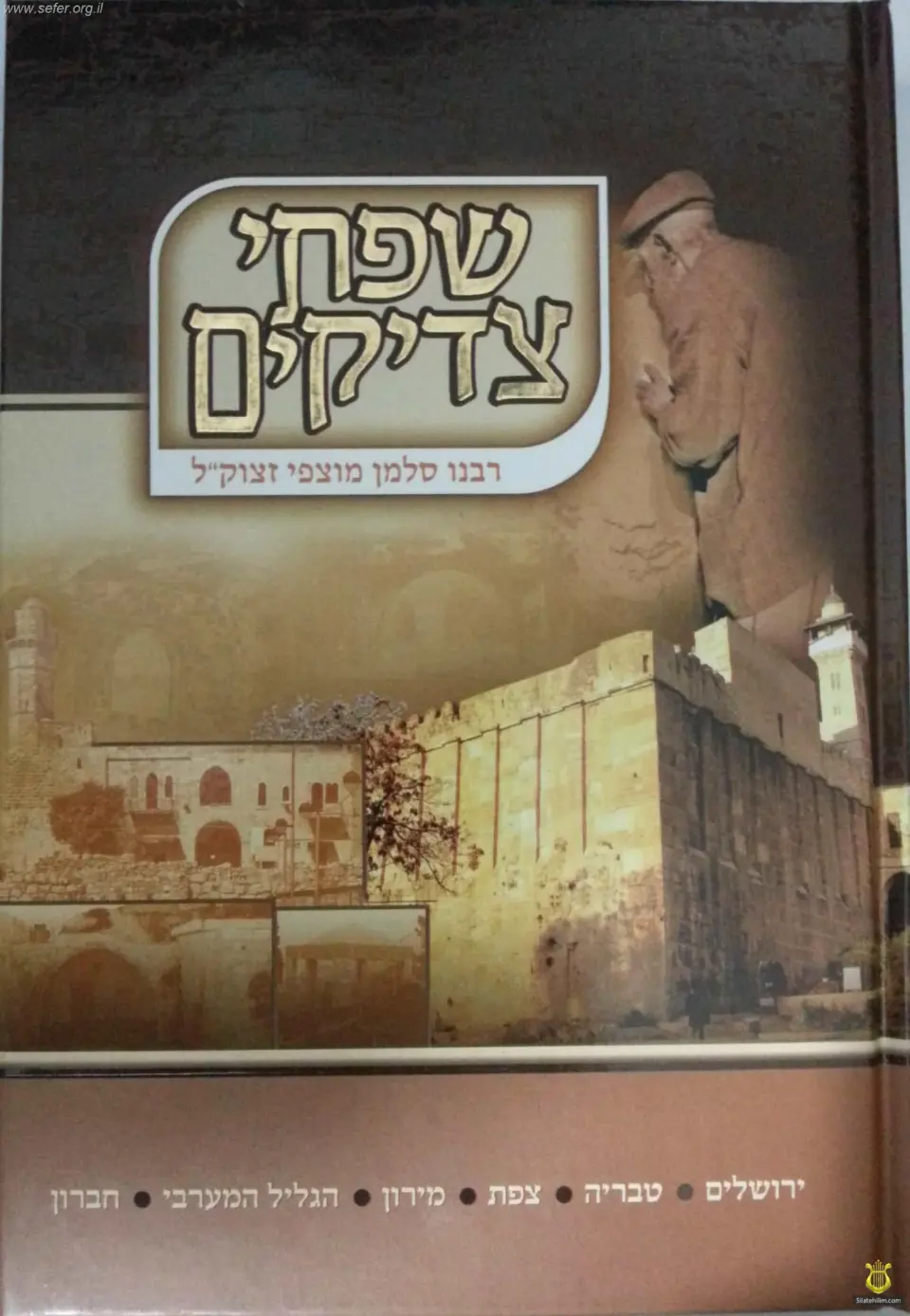
His son,
Gaon Rav Ben-Tzion Mutzafi, offers the following version of “
Tikun Einaim”:
One should recite the blessing “
Ben Porat Yosef”
3 times.
בֵּן פֹּרָת יוֹסֵף — [3 פעמים]
בֵּן פֹּרָת יוֹסֵף בֵּן פֹּרָת עֲלֵי עָיִן בָּנוֹת צָעֲדָה עֲלֵי שׁוּר: וַיְמָרֲרֻהוּ וָרֹבּוּ וַיִּשְׂטְמֻהוּ בַּעֲלֵי חִצִּים: וַתֵּשֶׁב בְּאֵיתָן קַשְׁתּוֹ וַיָּפֹזּוּ זְרֹעֵי יָדָיו מִידֵי אֲבִיר יַעֲקֹב מִשָּׁם רֹעֶה אֶבֶן יִשְׂרָאֵל: מֵאֵל אָבִיךָ וְיַעְזְרֶךָּ וְאֵת שַׁקי וִיבָרְכֶךָּ בִּרְכֹת שָׁמַיִם מֵעָל בִּרְכֹת תְּהוֹם רֹבֶצֶת תָּחַת בִּרְכֹת שָׁקיִם וָרָחַם: בִּרְכֹת אָבִיךָ גָּבְרוּ עַל בִּרְכֹת הוֹרַי עַד תַּאֲוַת גִּבְעֹת עוֹלָם תִּהְיֶיןָ לְרֹאשׁ יוֹסֵף וּלְקָדְקֹד נְזִיר אֶחָיו
“Ben porat Yosef ben porat alei ayin banot tza’adah alei shur. Vayemareruhu va-robu vayistemuhu ba’alei chitzim. Va-teshev be-eitan kashto va-yafozu zero’ei yadav mi-yedei Avir Yaakov, misham ro’eh even Yisrael. Me-El avicha ve-ya’azreka, ve-et Shaddai vi-varecheka, birchot shamayim me’al, birchot tehom rovetzet tachat, birchot shadayim va-racham. Birchot avicha gavru al birchot horai ad ta’avat giv’ot olam tihyena le-rosh Yosef u-le-kodkod nezir echav.”
(Yosef is a fruitful son, a fruitful son beside the spring; branches trail over the wall. Archers bitterly assailed him, shot at him, and harassed him. Yet his bow remained firm, and his arms were made nimble by the hands of the Mighty One of Yaakov, from there—the Shepherd, the Stone of Israel. From the G-d of your father, may He help you, and Shaddai, may He bless you with blessings of heaven above, blessings of the deep beneath, blessings of breast and womb. The blessings of your father surpass the blessings of eternal mountains and the bounty of everlasting hills; may they rest upon the head of Yosef and upon the crown of the one separated from his brothers.)
 (Based on the book “Siftei Tzadikim Rabbeinu Salman Mutzafi”—“Tikun le-Pegam Re’iyut”; translation and transliteration by Rav Alexander Tzvi Sypkov)
Please note: some articles on our site contain the holy Names of the Almighty. If you print these articles, they may not be thrown away or destroyed. Please handle printed copies with care and respect.