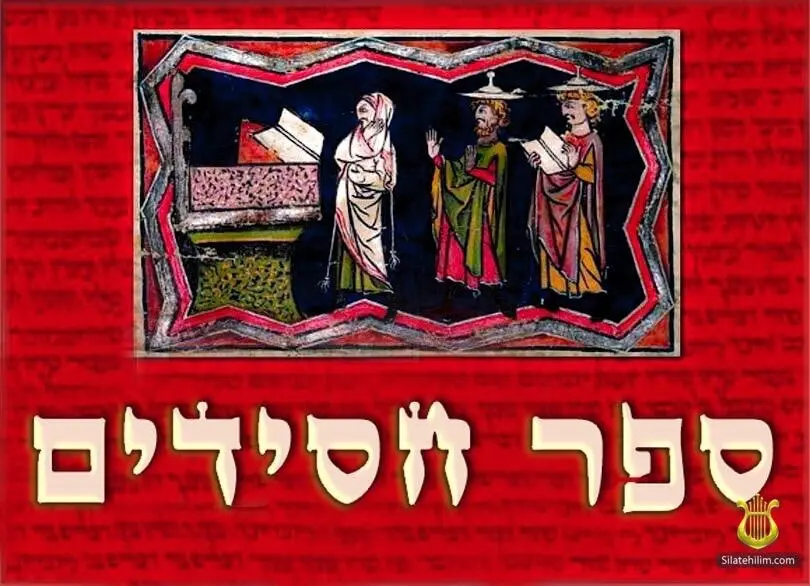
Rabbi Judah he-Hasid's Sefer Hasidim
Rabbi Judah he-Hasid's Sefer Hasidim is one of the most authoritative works, whose opinions are followed by many mekubalim.
This Testament has continued to astonish sages throughout the centuries, since Rabbi Judah he-Hasid's warnings were based not only on primary sources such as the Talmud or the esoteric teachings, but at times even contradicted them.
Some of his instructions applied only to specific cities in Germany or only to his descendants. Out of their special respect for Rabbi Judah he-Hasid, the sages of Europe in all subsequent generations made a practice of studying Rabbi Judah he-Hasid's Testament carefully and considering his instructions to have the status of practical halakha.
In any event, the words of the great Rabbi should be treated with attention. Great sages said that whoever followed Rabbi Judah he-Hasid's Testament would benefit—that is, would act correctly.
Sefer Hasidim
304.
One should not recite a verse from the Torah over a wound (that is, the Torah should not be used to heal wounds).
Nor should one recite Torah verses to calm a frightened child, or place a holy book or tefillin on him so that he will fall asleep.
It is said that in Jerusalem, verses from Tehillim were recited against calamities.
Rabbi Yudan explained that these verses were recited while nothing had yet happened, as a means of protection, but not after the calamity had occurred.
The following verses were recited:
Tehillim 3:2
יְ֭הוָה מָֽה־רַבּ֣וּ צָרָ֑י רַ֝בִּ֗ים קָמִ֥ים עָלָֽי׃
- “Adonai, mah rabbu tzarai, rabbim kamim alai” -
(The L-rd, how numerous are my foes);
Tehillim 91:1-10
יֹשֵׁב, בְּסֵתֶר עֶלְיוֹן; בְּצֵל שַׁדַּי, יִתְלוֹנָן ב אֹמַר—לַיהוָה, מַחְסִי וּמְצוּדָתִי; אֱלֹהַי, אֶבְטַח-בּוֹ ג כִּ֤י ה֣וּא יַ֭צִּֽילְךָ מִפַּ֥ח יָק֗וּשׁ מִדֶּ֥בֶר הַוּֽוֹת׃ ד בְּאֶבְרָת֨וֹ ׀ יָ֣סֶךְ לָ֭ךְ וְתַֽחַת־כְּנָפָ֣יו תֶּחְסֶ֑ה צִנָּ֖ה וְֽסֹחֵרָ֣ה אֲמִתּֽוֹ׃ ה לֹא־תִ֭ירָא מִפַּ֣חַד לָ֑יְלָה מֵ֝חֵ֗ץ יָע֥וּף יוֹמָֽם׃ ו מִ֭דֶּבֶר בָּאֹ֣פֶל יַהֲלֹ֑ךְ מִ֝קֶּ֗טֶב יָשׁ֥וּד צָהֳרָֽיִם׃ ז יִפֹּ֤ל מִצִּדְּךָ֨ ׀ אֶ֗לֶף וּרְבָבָ֥ה מִימִינֶ֑ךָ אֵ֝לֶ֗יךָ לֹ֣א יִגָּֽשׁ׃ ח רַ֭ק בְּעֵינֶ֣יךָ תַבִּ֑יט וְשִׁלֻּמַ֖ת רְשָׁעִ֣ים תִּרְאֶֽה׃ ט כִּֽי־אַתָּ֣ה יְהוָ֣ה מַחְסִ֑י עֶ֝לְי֗וֹן שַׂ֣מְתָּ מְעוֹנֶֽךָ׃
- “Yoshev beseter Elyon, betzel Shaddai yitlonan.
Omar la-Adonai, machsi u-metzudati, Elohai evtach bo.
Ki Hu yatzilcha mipach yakush, midever havot.
Be'evrato yasekh lakh, vetachat kenafav techseh, tzinnah ve-socherah amito.
Lo tira mipachad lailah, me-hetz ya'uf yomam.
Mi-dever ba-ofel yahalokh, mi-ketev yashud tzohorayim.
Yipol mitzidecha elef, u-revavah mimincha, elecha lo yigash.
Rak be-einecha tabit, ve-shilumat resha'im tir'eh.
Ki atah Adonai machsi, Elyon samta me'onecha”
(1) One who dwells in the shelter of the Most High, who abides in the shadow of the Almighty. (2) I say of the L-rd: He is my refuge and my fortress, my G-d in whom I trust, (3) For He will deliver you from the snare of the fowler, from the deadly plague. (4) He will shield you with His pinions, and beneath His wings you will find refuge; His faithfulness is a shield and armor. (5) You need not fear the terror by night, the arrow that flies by day, (6) the plague that stalks in darkness, or the scourge that ravages at noon. (7) A thousand may fall at your side, ten thousand at your right hand, but it will not reach you. (8) You will only look with your eyes and see the punishment of the wicked, (9) because you have said: The L-rd is my refuge; you have made the Most High your dwelling place.
343.
Tehillim 113:1
שִׁ֥יר הַֽמַּעֲל֗וֹת לְדָ֫וִ֥ד הִנֵּ֣ה מַה־טּ֭וֹב וּמַה־נָּעִ֑ים שֶׁ֖בֶת אַחִ֣ים גַּם־יָֽחַד׃
- “Shir ha-ma'alot le-David, hinei mah tov u-mah na'im, shevet achim gam yachad” -
(How good and pleasant it is when brothers dwell together).
The gematria of the words
גם אחים is equal to the gematria of the word
בנים (sons).
This verse is interpreted as follows: if brothers, a father and his sons, or a teacher and his students are quarreling, it is better for them not to remain together, even if they study Torah with one another. Since they cause each other suffering, they should separate.
(compiled from Sefer Hasidim, edited by Beit Sefaradi)
The Testament of Rabbi Judah he-Hasid from Sefer Hasidim
The Testament of Rabbi Yehuda HaChasid from Sefer Chasidim
Was this helpful?
100% of readers found this article helpful (39 votes).
Please note: some articles on our site contain the holy Names of the Almighty. If you print these articles, they may not be thrown away or destroyed. Please handle printed copies with care and respect.