Segulot for Sukkot According to the Advice of the Mekubalim
1. Respect for the Sukkah - It is very important to show respect for the Sukkah. Do not leave dirty dishes or garbage inside, as this is a great disrespect to the Sukkah.
2. Sitting in the Sukkah - Chazal (the Sages, of blessed memory) praise one who sits in the Sukkah rather than spending time on various trips. It is highly recommended to hold festive meals on all the days of the festival (Chol HaMoed), and to stay and sit in the Sukkah as much as possible.
3. Longevity - The Sukkah is a segula for longevity. “You shall dwell in sukkot for seven days; every native-born Israelite shall dwell in sukkot.” (Leviticus 23, Emor)
“Ezrach” (native-born) has a gematria of 216. Gevurah (strictness) also has a gematria of 216. From this we learn: “...and if they are mighty, eighty years.” (Tehillim 90:10)
4. A Segula for Finding a Shidduch - Study the Talmudic tractate (masechet) Sukkah in the Sukkah. (Rabbi Chaim Palagi)
5. A Segula for Finding a Shidduch - Sweep the floor of the Sukkah on Hoshana Rabbah (two hours before the end of the Sukkot festival).
6. A Segula for Finding One’s Zivug - Hang one pomegranate in each of seven different sukkot, and after the festival collect all the pomegranates, squeeze out their juice, and give it to someone seeking a shidduch. It is important that words of Torah be spoken in the Sukkah throughout all seven days of the festival. Another custom is to hang a pomegranate in the Sukkah for the entire Sukkot festival, then freeze it after the festival. On Tu BiShvat, take it out and write on the peel the words: “le-zivug hagun,” remove the peel, and boil it in water. Give this decoction to someone in need of a zivug.
7. Atonement - The Sukkah provides atonement and delivers one from galut (exile).
8. Zera Kodesh (having children) - The Sukkah is a segula for having children, for those who have long been unable to merit this.
9. Protection from Disputes - If someone, G-d forbid, has some dispute or disagreement with another person, he should study the Talmudic tractate (masechet) Sukkah in the Sukkah itself (women may simply read it).
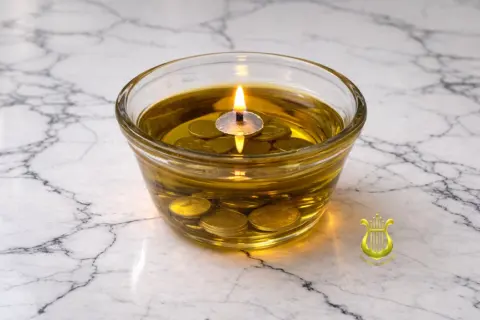
10. A Segula for Celebrations and Festive Occasions - A beautiful segula is to hang olive oil in the Sukkah and leave it there throughout the festival, then use that oil to light the Chanukah candles. Alternatively, hang a sealed bottle of wine in the Sukkah in the same way and save it for a celebration, such as a housewarming, a brit, or any other festive occasion.
11. A Segula for Parnassah - The Sukkot festival is the ideal time to ask the L-rd for a respectable livelihood for the entire year.
12. Hoshana Rabbah - This is the day of the final “sealing” (of the judgment for the coming year), following Rosh Hashanah and Yom Kippur. Until then, the Heavenly gates are still open, and it is highly recommended to recite the entire book of Tehillim on this day.
13. A Segula for Protection from All Calamities - One should kiss the four walls of the Sukkah while reciting the verse:
סכותה לראשי ביום נשק
– “Sakota le-roshi be-yom neshek” - (“You have protected my head on the day of battle.” (Tehillim 140:8)
The walls of the Sukkah symbolize the mercy of the L-rd, serving as a reminder of the clouds that surrounded our ancestors during the Exodus from Egypt.
14. A Segula for Healing - By virtue of fulfilling the mitzvah of Sukkah, a person merits being spared illness and other suffering. As it is written:
כִּייִצְפְּנֵנִיבְּסֻכֹּה בְּיוֹם רָעָה יַסְתִּרֵנִיבְּסֵתֶר אָהֳלוֹ
– “Ki yitzpeneni be-sukkah be-yom ra'ah yastireni be-seter aholo” - (For He will shelter me in His sukkah on the day of trouble; He will hide me in the protection of His tent). (Tehillim 27:5)
We learn an allusion to this from Masechet Sukkah 25b: “A person who experiences discomfort or suffering in the Sukkah is exempt from fulfilling this mitzvah.” According to the explanation at the level of remez (allusion), one who suffers will be delivered from suffering through the Sukkah.
15. A Segula in the Sukkah - Study the tractate of Sukkah from the Mishnah, as it is said: “Inyana de-yoma,” which, loosely translated from Aramaic, means “the matter of the day.”
As Moshe Rabbeinu instructed: study the relevant passages during the relevant festival.
16. A Segula with Wine - Hang two bottles of wine in the Sukkah (one of them must be kosher for Passover), just as with the olive oil, for all the days of the festival. Drink one bottle at the Passover seder and the other at the festive Purim meal, to connect one form of holiness with another.
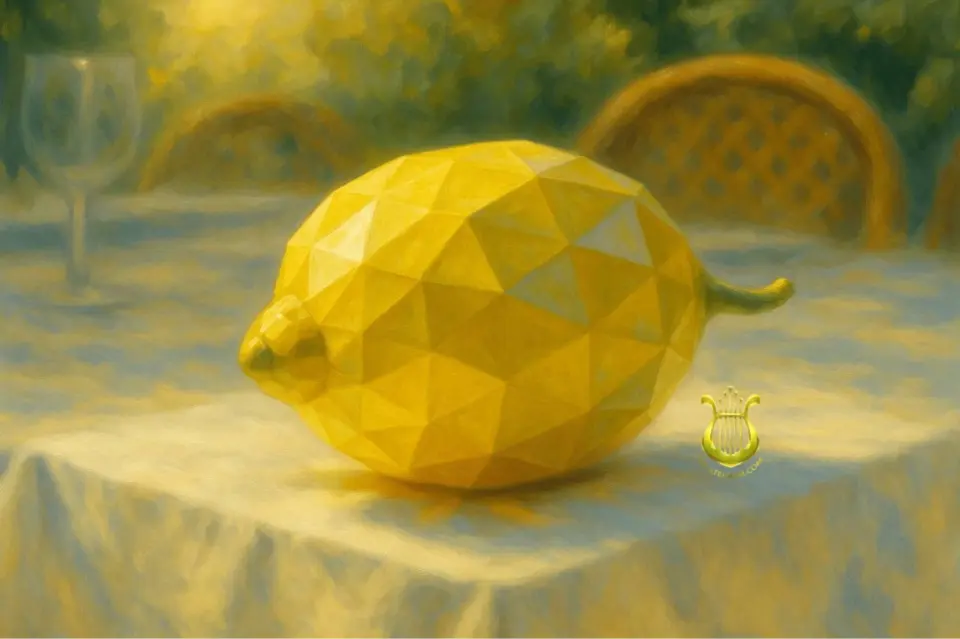
17. A Segula with an Etrog - Hang an etrog in the Sukkah, then after the festival make jam from it and eat it on Tu BiShvat, as a segula for having children and for an easy birth.
18. A Segula with Apples - Hang apples in the Sukkah and eat them after the festival; this is a segula for good health or recovery.
19. A Segula with Honey - Hang a jar of honey in the Sukkah throughout the festival, then use it on Shavuot, as it is said in Shir HaShirim: “Honey and milk are under your tongue.”
20. A Segula for Strengthening Faith - The Sukkah is also called “Tzel HaEmunah” (the shelter of faith), “tzila de-meheimanuta” (Aramaic). One who suffers from a lack of faith should speak with the Creator in the Sukkah.
21. A Segula for Wisdom - Through fulfilling the mitzvah of Sukkah, a person merits attaining knowledge and wisdom. As it is said: “So that your generations may know.” (Leviticus 23; Emor) This means that through study, a person will know how to serve the Blessed Creator.
22. A Segula for Simchat Torah - Rejoice with the Torah. On Simchat Torah, the more a person rejoices with the Torah and kisses the Torah scroll, the more he merits a good livelihood, good sons, joy, finding a worthy partner, comfort and delight, and blessing throughout the year.
23. Care During Prayer. Rabbi Chaim Palagi writes that it is very important to be careful during the prayers of Shemini Atzeret–Simchat Torah: “There is no other day more fitting, when the Creator desires to hear the prayers of everyone who turns to Him.” It is very important to complete the entire book of Tehillim on this day (Rabbi Mordechai of Nadvorna).
24. The Baal Shem Tov taught: “One who concentrates in prayer on this day will have focused prayers throughout the entire year.”
25. A Segula for an Easy Birth - After Simchat Torah, it is recommended that a pregnant woman bite off the tip of an etrog; this is a segula for an easy birth.
26. Hakafot (“circles,” “processions”) - Rabbi Yosef Yitzchak Schneerson said: “During the hakafot, one can draw out and fill ‘buckets’ and ‘barrels’ of spiritual and material influence.”
It is also written in the work Yesod ve-Shoresh HaAvodah: “Anyone who diligently fulfills the mitzvah of rejoicing with the Torah on this day can be certain that Torah will never cease among his descendants.”
27. A Segula for Shalom Bayit and Parnassah - Place an etrog in a vase on the dining table; this will add fragrance to the home and bring joy to the eye;
28. A Segula for Good Speech - If a child takes a long time to begin speaking, stutters, or has a lisp, give him etrog to eat;
29. A Segula for Protection from Eye Diseases - Look at an etrog;
30. A Segula for Protection from Women's Illnesses, an easy pregnancy, and a timely and easy birth - eat an etrog;
31. A Segula for Protection from Colds - Drink etrog liqueur and inhale the scent of a fresh or dried etrog.
P.S. All of this applies to etrogim over which the blessing was recited on Sukkot.
32. Candles for the Ushpizin for Seven Days - a segula for Refuah Shleimah.
33. Lulav Branches – a segula against misfortune: do not throw them away; hang them at the entrance to the home until Passover, then burn them together with the chametz.
(Compiled from a lesson by Rabbanit Hagit Shira, translated by Ila Tova Schlisser)
Segulot for Sukkot
Was this helpful?
100% of readers found this article helpful (101 votes).
Please note: some articles on our site contain the holy Names of the Almighty. If you print these articles, they may not be thrown away or destroyed. Please handle printed copies with care and respect.
Tags: Segulot, Sukkah, Sukkot Segulot, Sukkot, Hakafot, Jewish Holidays