Jewish Psychosomatics—the Connection Between Memory and Spiritual Problems
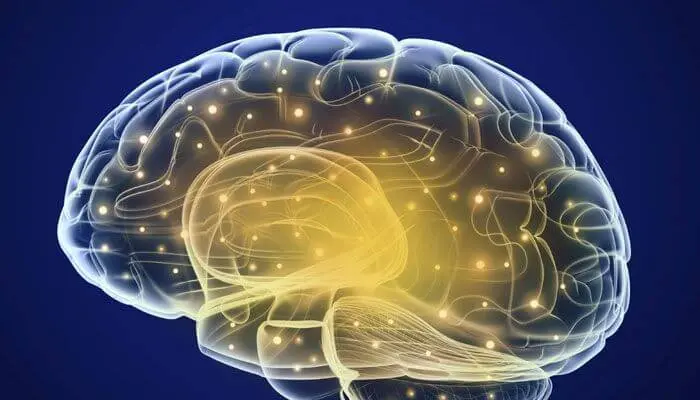
In 1894, scientists discovered an unknown blood vessel in the human brain that plays an important role in memory and attention.
When this was reported to Rebbe Rashab, he showed them a philosophical Chassidic treatise written by his great-grandfather, the Mitteler Rebbe, and pointed out where this very blood vessel was described. It stated that the brain contains a certain blood vessel filled with “vapors,” which moves in a specific manner between two areas of the brain that regulate memory and attention. When this vessel approaches the part of the brain responsible for memory, it enhances memory; when it moves in the opposite direction, concentration increases. The treatise noted that this is why, when a person tries to remember something, he raises his head and tilts it back, while when he wants to concentrate, he lowers it.
Upon seeing this remarkable manuscript, those present said to Rebbe Rashab: “Apparently, your great-grandfather was a great medical scientist!” Rebbe replied: “My great-grandfather learned of the existence of this blood vessel from its counterpart in Adam Kadmon. Having grasped this spiritual property, he was able to determine what its ‘parallel’ was in the organism of an earthly human being.”
Verbal Segulot for Improving Memory
1) Recite the list of the names of the sons of the Talmudic sage Rav Pappa seven times every day: Hanina bar Pappa, Rami bar Pappa, Nahman bar Pappa, Ahai bar Pappa, Abba Mari bar Pappa, Rafram bar Pappa, Rahish bar Pappa, Surhav bar Pappa, Ada bar Pappa, Daro bar Pappa;
2) With the same frequency and regularity, repeat the following verse from Tehillim (119:5): נֵר לְרַגְלִי דְבָרֶךָ וְאוֹר לִנְתִיבָתִי
- “Ner le-ragli dvarecha, ve-or lintivati” - (Your word is a lamp for my feet and a light for my path);
3) Before beginning one’s studies, recite the following verse from Tehillim (119:59):
זְכֹר דָּבָר לְעַבְדֶּךָ עַל אֲשֶׁר יִחַלְתָּנִי
- “Zechor davar le-avdecha, al asher yichaltani” - (Remember the word given to Your servant, through which You have given me hope);
4) During the ceremony of sanctifying Shabbat, Kiddush, emphasize the following word with one’s intonation:
זִכָּרוֹן לְמַעֲשֵׂה בְרֵאשִׁית
- “Zikaron le-maaseh Bereishit” - (in remembrance of the creation of the world);5) During the morning prayer, concentrate on every word of the blessing for peace, which begins with the words שִים שָלוֹם (“Grant peace”);
6) During the Amidah, recite the following blessing thoughtfully and slowly: חונן הדעת (“Blessed are You, O Most High, who grants understanding”);
Dietary Segulot (Talmud, Horayot 13a):
1) Eat bread baked over coals (according to some opinions, this means thoroughly baked bread); 2) Boil eggs until soft and eat them without salt; 3) Consume olive oil regularly—according to the Sages, olives themselves impair memory; 4) Drink water that was used to prepare dough; 5) Dip a finger in salt and lick it; 6) Sephardic Kabbalists offer similar advice: before reciting Birkat HaMazon, dip the little finger in salt and say: “Just as the Holy One, blessed be He, made a covenant with salt, commanding it to remain strong, sharp, and unspoiled, so may He make a covenant with my memory.”
Practical Segulot
◦ Study by chanting the text, as is done in all major yeshivot; ◦ Before and after studying religious books, kiss the book; ◦ After finishing one’s studies, do not leave the book open; ◦ Distance oneself from spiritual darkness (gluttony and licentiousness), since the word חשך “darkness” is formed from the same letters as the verb שכח “forgot”; ◦ Do not look where one should not look. This is hinted at in the prayer “Shema Yisrael,” which says: “Do not stray after your heart and eyes, which lead you astray, so that you may remember.”
P.S. A good segula for memory is to inhale the scent of the Havdalah candle extinguished with wine and have kavanot that we remember the coming of Mashiach and await the Geulah that Hashem promised us.(Yeshiva Kise Rachamim, LeChaim magazine, Toldot.ru)