
The Prayer of the Dove and Parnassah on Hanukkah
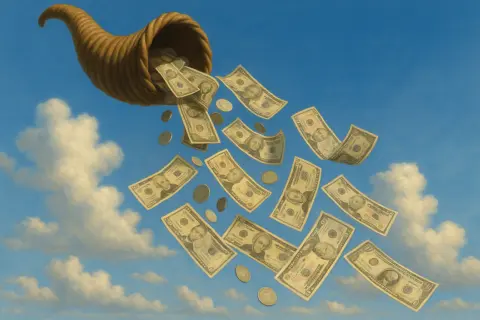
Mahzor Vitry reveals that Hanukkah derives from the word “haninah” or “hinam”, meaning “generosity” or “free gifts.”
The Ruzhiner Rebbe, of blessed memory, said: “On Hanukkah, the Almighty sends down an abundance similar to the abundance that descends on Rosh Hashanah. The difference is that on Rosh Hashanah we receive abundance only if we are deserving, whereas on Hanukkah we receive it even if we are not deserving.”
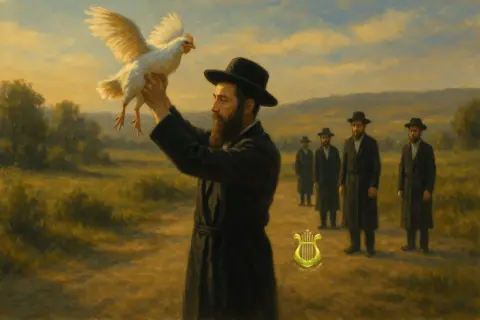
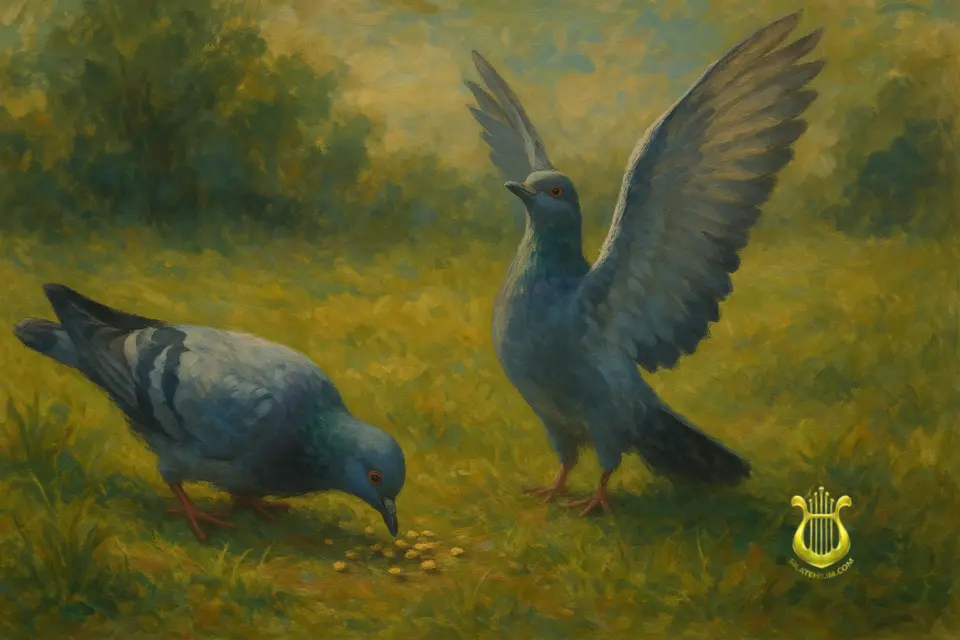
Rebbe Moshe of Razvadov, of blessed memory, also spoke of the great abundance that the Jewish people receive on Hanukkah. He says that this is alluded to by Rashi (Bereishit 8:11), when he says that the dove Noah sent out from the ark said:
“Master of the Universe! May my sustenance be as bitter as this olive, but from Your hand, rather than as sweet as honey, but from the hand of man.”
The Jewish people are compared to a dove (Berakhot 53). Therefore, we can say that the dove’s prayer symbolizes the prayer of the Jewish people, who say to the Almighty:
“May parnassah come from Hanukkah, when we use olive oil, because it comes from the merciful Hand of the Holy One, blessed be He. We prefer this to parnassah on Rosh Hashanah, when we eat an apple with honey, because at that time parnassah depends on human deeds: if one is deserving, one receives it, and if one is not deserving, one does not. On Hanukkah, everyone receives parnassah. It is a time even for undeserved gifts.”
Hanukkah brings parnassah even when we do not deserve it. But this should not be our intention when we perform mitzvot.
Our intention should be to reveal the miracles and bless the Almighty. The Sages said regarding this (Shabbat 22): “It is forbidden to desire money when lighting the Hanukkah candles.”
Parnassah should not be the focus of our attention when we light the Hanukkah menorah, but it will come in the merit of the candles.