“Bameh Madlikin” — A Segula for Livelihood on Friday Before Shabbat
Gaon Rav Yanuka—Shlomo Yehuda Be'eri shared a precious teaching with his students: there is great merit in reading, on Friday before Shabbat, the second chapter of
the Mishnayot of Shabbat, “Bameh Madlikin u-vameh Ein Madlikin” (what may be used for lighting, and what may not be used for lighting).
Today, many people neglect this practice.
But the great
Rabbi Pinchas of Koretz, may his merit protect us, warned in his time: “Whoever does not read
“Bameh Madlikin” on Erev Shabbat will lack a livelihood throughout the entire week.”
The great
Yehuda HaChasid taught as early as the thirteenth century that after the Mincha prayer on Friday, the Sages instituted the reading of
the Mishnah “Bameh Madlikin”, thereby saying, as it were: “We have fulfilled what is written there.” However, if Erev Shabbat falls on Yom Tov, this Mishnah is not read, since it asks: “Have you tithed? Have you made an eruv?” and tithing is not performed on Yom Tov.
(“Sefer Chasidim” 154)
Important!
“Bameh Madlikin” is not read on the following days:
- When Yom Tov falls on Friday or Shabbat;
- During Chol HaMoed (the intermediate days of Pesach and Sukkot);
- During Chanukah;
- In a mourner’s home;
On these days, only “Kol Yisrael” is recited, followed by “Amar Rabbi Elazar” and Kaddish “Al Yisrael.”
The Mishnah “Bameh Madlikin”
Alef
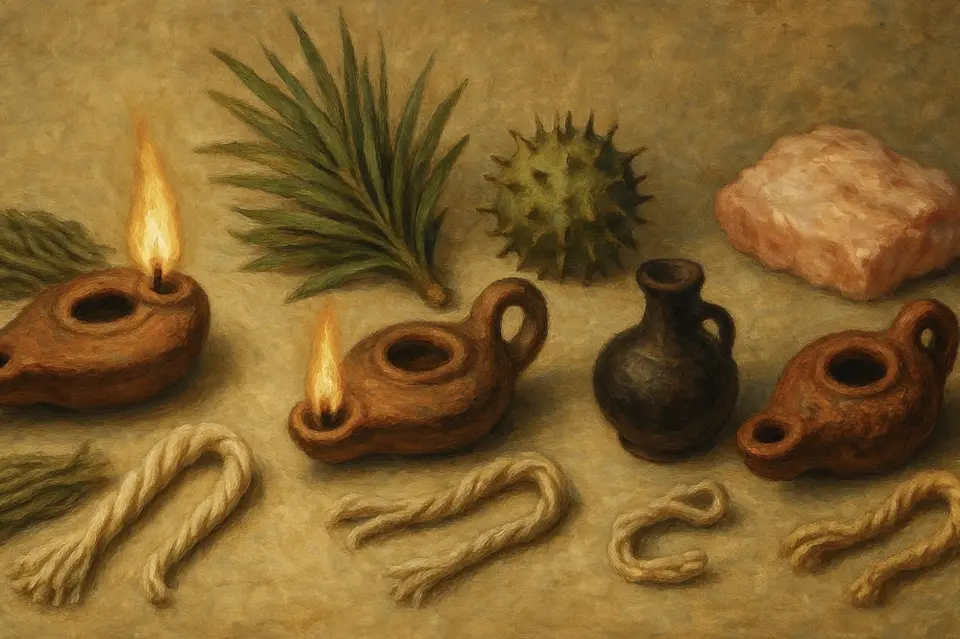
א. בַּמֶּה מַדְלִיקִין וּבַמֶּה אֵין מַדְלִיקִין אֵין מַדְלִיקִין לֹא בְלֶכֶשׁ, וְלֹא בְחֹסֶן, וְלֹא בְכָלָךְ, וְלֹא בִּפְתִילַת הָאִידָן, וְלֹא בִּפְתִילַת הַמִּדְבָּר, וְלֹא בִירוֹקָה שֶׁעַל פּנֵי הַמָּיִם. לֹא בְזֶפֶת וְלֹא בשַׁעֲוָה, וְלֹא בְשֶׁמֶן קִיק, וְלֹא בְשֶׁמֶן שְׂרֵפָה, וְלֹא בְאַלְיָה, וְלֹא בְחֵלֶב. נַחוּם הַמָּדִי אוֹמֵר מַדְלִיקִין בְּחֵלֶב מְבֻשָּׁל, וַחֲכָמִים אוֹמְרִים אֶחָד מְבֻשָּׁל וְאֶחָד שֶׁאֵינוֹ מְבֻשָּׁל אֵין מַדְלִיקִין בּוֹ:
Bameh madlikin u-vameh ein madlikin. Ein madlikin lo ve-lechesh, ve-lo ve-chosen, ve-lo ve-kalach, ve-lo vi-ftilat ha-idan, ve-lo vi-ftilat ha-midbar, ve-lo vi-yerokah she-al penei ha-mayim. Lo ve-zefet, ve-lo ve-sha'avah, ve-lo ve-shemen kik, ve-lo ve-shemen srefah, ve-lo ve-alya, ve-lo ve-chelev. Nachum HaMadi omer: madlikin be-chelev mevushal, va-chachamim omrim: echad mevushal ve-echad she-eino mevushal—ein madlikin bo.
(What may be used for lighting on Shabbat, and what may not be used. One may light neither with flax tow, nor with coarse flax, nor with kalach, nor with a palm-fiber wick, nor with a desert-fiber wick, nor with greens that grow on the surface of the water. One may not light with pitch, wax, castor oil, burnt oil, tail fat, or animal fat. Rabbi Nachum HaMadi says: one may light with boiled fat, but the Sages say: whether boiled or unboiled, it may not be used for lighting.)
Bet
ב. אֵין מַדְלִיקִין בְּשֶׁמֶן שְׂרֵפָה בְּיוֹם טוֹב, רִבִּי יִשְׁמָעֵאל אוֹמֵר אֵין מַדְלִיקִין בְּעִטְרָן מִפְּנֵי כְּבוֹד הַשַּׁבָּת, וַחֲכָמִים מַתִּירִים בְּכָל הַשּׁמָנִים בְּשֶׁמֶן שֻׁמְשְׁמִין, בְּשֶׁמֶן אֱגוֹזִים, בְּשֶׁמֶן צְנוֹנוֹת, בְּשֶׁמֶן דָּגִים, בְּשֶׁמֶן פַּקּוּעוֹת, בְּעִטְרָן וּבְנֵפְטְ. רִבִּי טַרְפוֹן אוֹמֵר אֵין מַדְלִיקִין אֶלָּא בְשֶׁמֶן זַיִת בִּלְבָד:
Ein madlikin be-shemen srefah be-Yom Tov. Rabbi Yishmael omer: ein madlikin be-itran mipnei kevod ha-Shabbat, va-chachamim matirin be-chol ha-shemanim: be-shemen shumshemin, be-shemen egozim, be-shemen tzenonot, be-shemen dagim, be-shemen pakuot, be-itran u-ve-neft. Rabbi Tarfon omer: ein madlikin ela be-shemen zayit bilvad.
(One may not light with burnt oil on Yom Tov. Rabbi Yishmael says: one may not light with pitch, out of respect for Shabbat. The Sages permit all types of oil: sesame oil, nut oil, radish oil, fish oil, oil made from pakua fruits, pitch, and naphtha. Rabbi Tarfon says: one may light only with olive oil.)
Gimel
ג. כָּל הַיּוֹצֵא מִן הָעֵץ אֵין מַדְלִיקִין בּוֹ אֶלָּא פִשְׁתָּן, וְכָל הַיּוֹצֵא מִן הָעֵץ אֵינוֹ מִטַּמֵּא טֻמְאַת אֹהָלִים, אֶלָּא פִשְׁתָּן. פְּתִילַת הַבֶּגֶד שֶׁקִּפְּלָהּ וְלֹא הִבְהֲבָהּ, רִבִּי אֱלִיעֶזֶר אוֹמֵר טְמֵאָה הִיא, וְאֵין מַדְלִיקִין בָּהּ, רִבִּי עֲקִיבָא אוֹמֵר טְהוֹרָה הִיא, וּמַדְלִיקִין בָּהּ:
Kol ha-yotze min ha-etz ein madlikin bo ela pishtan, ve-khol ha-yotze min ha-etz eino metame tum'at ohalim, ela pishtan. Petilat ha-beged she-kipelah ve-lo hivhah—Rabbi Eliezer omer: teme'ah hi, ve-ein madlikin bah. Rabbi Akiva omer: tehorah hi, u-madlikin bah.
(Anything that comes from a tree may not be used for lighting, except flax. And anything that comes from a tree does not convey the ritual impurity of a tent, except flax. Regarding a garment wick that was folded but not singed, Rabbi Eliezer says: it is impure, and one may not light with it. Rabbi Akiva says: it is pure, and one may light with it.)
Dalet
ד. לֹא יִקּוֹב אָדָם שְׁפוֹפֶרֶת שֶׁל בֵּיצָה, וִימַלּאֶנָּה שֶׁמֶן, וְיִתּנֶנָּה עַל פִּי הַנֵּר בִּשְׁבִיל שֶׁתְּהֵא מְנַטֶּפֶת, וַאֲפִלּוּ הִיא שֶׁל חֶרֶס, וְרִבִּי יְהוּדָה מַתִּיר, אֲבָל אִם חִבְּרָהּ הַיּוֹצֵר מִתְּחִלָּה מֻתָּר, מִפְּנֵי שֶׁהוּא כְּלִי אֶחָד: לֹא יְמַלֵּא אָדָם קְעָרָה שֶׁמֶן, וְיִתּנֶנָּה בְּצַד הַנֵּר, ויִתֵּן רֹאשׁ הַפְּתִילָה בְּתוֹכָהּ, בִּשְׁבִיל שֶׁתְּהֵא שׁוֹאֶבֶת, וְרִבִּי יְהוּדָה מַתִּיר:
Lo yikov adam shfoferet shel beitzah ve-yemale'ena shemen, ve-yitnenah al pi ha-ner bishvil she-tehei menatefet, va-afilu hi shel cheres. Rabbi Yehudah matir. Aval im chiberah ha-yotzer mi-techilah—mutar, mipnei she-hu keli echad. Lo yemale adam ke'arah shemen, ve-yitnenah be-tzad ha-ner, ve-yiten rosh ha-petilah betochah bishvil she-tehei sho'evet. Rabbi Yehudah matir.
(One may not puncture an eggshell, fill it with oil, and place it over a lamp so that it will drip, even if it is made of clay. Rabbi Yehudah permits this. But if the potter attached it to the lamp from the outset, it is permitted, because it is one complete vessel. One may not fill a bowl with oil, place it beside the lamp, and put the end of the wick into it so that it will draw up the oil. Rabbi Yehudah permits this.)
Hey
ה. הַמְכַבֶּה אֶת הַנֵּר מִפְּנֵי שֶׁהוּא מִתְיָרֵא מִפְּנֵי גוֹיִם, מִפְּנֵי לִסְטִים, מִפְּנֵי רוּחַ רָעָה, מִפְּנֵי הַחוֹלֶה שֶׁיִּשָׁן פָּטוּר. כְּחָס עַל הַנֵּר, כְּחָס עַל הַשֶּׁמֶן, כְּחָס עַל הַפְּתִילָה חַיָּב, וְרִבִּי יוֹסֵי פּוֹטֵר בְּכֻלָּן, חוּץ מִן הַפְּתִילָה, מִפְּנֵי שֶׁהוּא עוֹשָׂהּ פֶּחָם:
Ha-mechabeh et ha-ner mipnei she-hu mit yare mipnei goyim, mipnei listim, mipnei ruach ra'ah, mipnei ha-choleh she-yishan—patur. Ke-chas al ha-ner, ke-chas al ha-shemen, ke-chas al ha-petilah—chayav. Rabbi Yosei poter be-kulan, chutz min ha-petilah, mipnei she-hu osah pecham.
(One who extinguishes a lamp because he is afraid of gentiles, robbers, an evil spirit, or in order to allow a sick person to sleep is exempt. But if he extinguishes it to spare the lamp, the oil, or the wick, he is liable. Rabbi Yosei exempts him in all these cases except for the wick, because by doing so he turns it into a coal, thereby improving its future burning.)
Vav
ו. עַל שָׁלֹשׁ עֲבֵירוֹת נָשִׁים מֵתוֹת בִּשְׁעַת לִדְתָּן עַל שֶׁאֵינָן זְהִירוֹת בַּנִּדָּה וּבַחַלָּה וּבְהַדְלָקַת הַנֵּר:
Al shalosh aveirot nashim metot bi-sh'at leidatan:
al she-einan zehirot ba-niddah, u-va-challah, u-ve-hadlakat ha-ner.
(For three sins women die in childbirth: because they are not careful in observing:
- the laws of niddah (ritual purity),
- the separation of challah,
- the lighting of the Shabbat lamp.
Zayin
ז. שְׁלֹשָׁה דְבָרִים צָרִיךְ אָדָם לוֹמַר בּתוֹךְ בֵּיתוֹ עֶרֶב שַׁבָּת עִם חֲשֵׁכָה, עִשַּׂרְתֶּן? עֵרַבְתֶּן? הַדְלִיקוּ אֶת הַנֵּר! סָפֵק חֲשֵׁכָה, סָפֵק אֵינָהּ חֲשֵׁכָה, אֵין מעַשְּׂרִין אֶת הַוַּדַּאי, וְאֵין מַטְבִּילִין אֶת הַכֵּלִים, וְאֵין מַדְלִיקִין אֶת הַנֵּרוֹת, אֲבָל מעַשְּׂרִין אֶת הַדְּמַאי, וּמְעָרבִין וְטוֹמנִין אֶת הַחַמִּין:
Shloshah devarim tzarich adam lomar be-toch beito Erev Shabbat im chashechah: Isartem? Eravtem? Hadliku et ha-ner! Safek chashechah, safek einah chashechah—ein me'aserin et ha-vadai, ve-ein matbilin et ha-kelim, ve-ein madlikin et ha-nerot. Aval me'aserin et ha-demai, u-me'arvin, ve-tomnin et ha-chamin.
(There are three things a person must say in his home as Shabbat approaches: “Have you tithed? Have you prepared the eruv? Light the lamp!” If there is uncertainty whether darkness has fallen, one may not tithe definite produce, immerse vessels in a mikveh, or light the lamps. However, one may tithe doubtful produce (demai), prepare an eruv, and insulate the hot food.)
אָמַר רִבִּי אֶלְעָזָר אָמַר רִבִּי חֲנִינָא תַּלְמִידֵי חֲכָמִים מַרְבִּים שָׁלוֹם בָּעוֹלָם, שֶׁנֶּאֱמַר וְכָל בָּנַיִךְ לִמּוּדֵי יְהֹוָה וְרַב שְׁלוֹם בָּנָיִךְ. אַל תִּקְרֵי בָנַיִךְ אֶלָּא בוֹנָיִךְ: יְהִי שָׁלוֹם בְּחֵילֵךְ, שַׁלְוָה בְּאַרְמנוֹתָיִךְ: לְמַעַן אַחַי וְרֵעָי אֲדַבְּרָה נָּא שָׁלוֹם בָּךְ: לְמַעַן בֵּית יְהֹוָה אֱלֹהֵינוּ אֲבַקְשָׁה טוֹב לָךְ: וּרְאֵה בָנִים לְבָנֶיךָ, שָׁלוֹם עַל יִשְׂרָאֵל: שָׁלוֹם רָב לְאֹהֲבֵי תוֹרָתֶךָ וְאֵין לָמוֹ מִכְשׁוֹל: יְהֹוָה עֹז לְעַמּוֹ יִתֵּן, יְהֹוָה יבָרֵךְ אֶת עַמּוֹ בַשָּׁלוֹם
Amar Rabbi Elazar, amar Rabbi Chanina: Talmidei chachamim marbim shalom ba-olam, she-ne'emar: ve-chol banayich limudei Ha-Shem, ve-rav shalom banayich. Al tikrei banayich ela bonayich. Yehi shalom be-cheilech, shalvah be-armenotayich. Lema'an achai ve-re'ai adaberah na shalom bach. Lema'an beit Ha-Shem Elokeinu avakshah tov lach. U-re'eh vanim le-vanecha, shalom al Yisrael. Shalom rav le-ohavei Toratecha, ve-ein lamo michshol. Ha-Shem oz le-amo yiten, Ha-Shem yevarech et amo va-shalom.
(Rabbi Elazar said in the name of Rabbi Chanina: Torah scholars increase peace in the world, as it is stated: “All your children shall be students of the L-rd, and great shall be the peace of your children.” Do not read “your children,” but rather “your builders.” May there be peace within your walls, prosperity in your palaces. For the sake of my brothers and friends I shall say: “May there be peace within you.” For the sake of the House of the L-rd our G-d, I shall seek good for you. May you see children of your children; peace be upon Israel. Great peace is enjoyed by those who love Your Torah, and they have no stumbling block. The L-rd will give strength to His people; the L-rd will bless His people with peace.)
(A student of the Gaon Yanuka, Shlomo Kalmanovich, for Silatehilim)
Please note: some articles on our site contain the holy Names of the Almighty. If you print these articles, they may not be thrown away or destroyed. Please handle printed copies with care and respect.