

 Sila Tehilim
כוחה של תהילים
silatehilim.com
Sila Tehilim
כוחה של תהילים
silatehilim.com
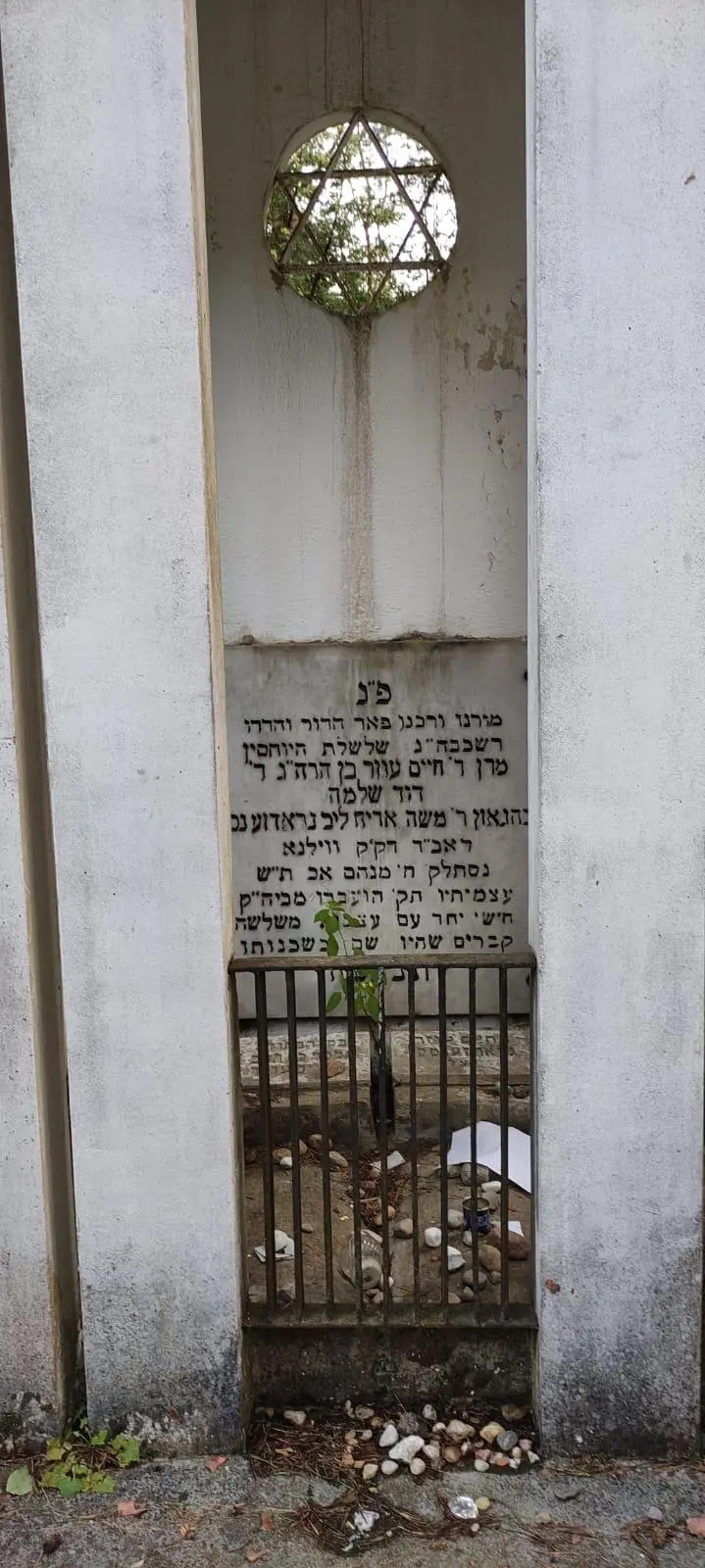
Grave
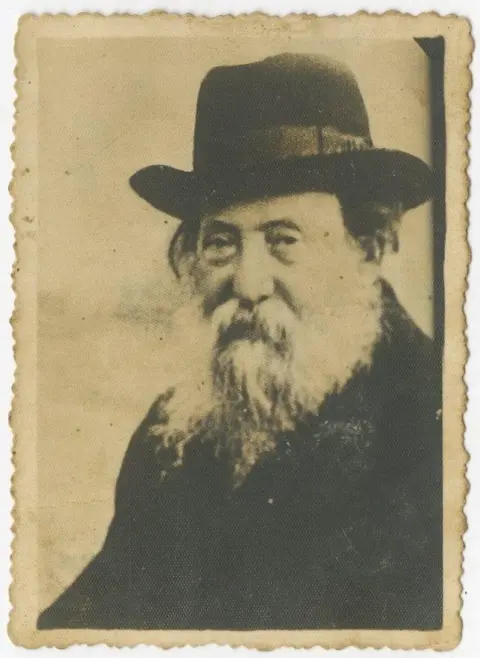
Chaim Ozer Grodzenski
Yahrzeit (Hillula)
- 5 Av — Rabbi Chaim Ozer Grodzinski
Rabbi Chaim Ozer bar David Shlomo Grodzenski (1863-1940) was one of the greatest halachic authorities of the 20th century, Av Beit Din of the city of Vilna, and the author of the famous three-volume work "Achiezer."
Yahrzeit - 5 Av
Resting place - Vilnius, Lithuania
After the passing of Yitzchak Elchanan Spektor, many considered him to be the spiritual leader of Lithuanian Jewry.
He was born in Ivye (Grodno region), where his father served as rabbi. He showed outstanding abilities from an early age. At 15 he began studying at the Volozhin Yeshiva and soon became the closest student of Rav Chaim Soloveitchik. By age 20 he had already become famous among learned Jews as an illui (child prodigy). On his father's advice, he soon married the daughter of Eliezer Eliyahu Grodzinski, a Vilna dayan and son-in-law of Rav Yisrael Lipkin of Salant. Rav Chaim planned to fully immerse himself in Torah study in kollel after the wedding, supported by his father-in-law, but in 1885 his father-in-law suddenly passed away, and the Vilna community asked the young man to take his father-in-law's place. Rav Chaim had to agree, and soon, despite his young age, he rose to a leading role in the rabbinical court and in the Jewish community.
In Vilna, since the time of the Vilna Gaon, there had been no chief rabbi, and all communal affairs were managed by a council of judges, one of whom served as the unofficial chief rabbi. Soon after Rav Grodzinski's appointment as a judge, a group of talented students gathered around him, to whom he gave weekly lectures. Among them, Moshe Shatzkes, Yechezkel Abramsky, and Eliezer Silver became especially renowned.
In 1939, after the partition of Poland and the transfer of the Vilna district to Lithuania, thousands upon thousands of Jewish refugees poured into Vilnius. Rav Grodzinski tried to help them settle in, but his health, already undermined, could not bear the overwhelming burden, and he soon passed away. A central street in Petach Tikva is named after him. Many make a point on this day to study chapters from his book "Achiezer," give tzedakah in support of Torah study, and pray for wisdom in making the right decisions.
Eyewitnesses recounted that Rav Chaim Ozer had visitors virtually around the clock: widows, orphans, refugees, students. Even when gravely ill, he continued to receive people and answer questions of halacha. Once his students asked him to rest for just a few hours. He replied: "If I close the door, someone may lose their last hope." This story is often cited as an example of his extraordinary chesed.
After the outbreak of World War II, thousands of students from Polish yeshivas fled to Lithuania. Rav Chaim Ozer organized, through the Vaad HaYeshivot, the collection of funds, the search for housing and food — literally saving the Torah world of Eastern Europe. The Chofetz Chaim often consulted with him. It is told that Yisrael Meir Kagan would not sign public statements until he heard Rav Chaim Ozer's opinion, considering him one of the greatest sages of the generation. When he passed away, his contemporaries said: "The light of Lithuanian Torah has gone out."
Thousands of people came to his funeral — both local residents and the many refugee yeshiva students whom he had supported in his final years.
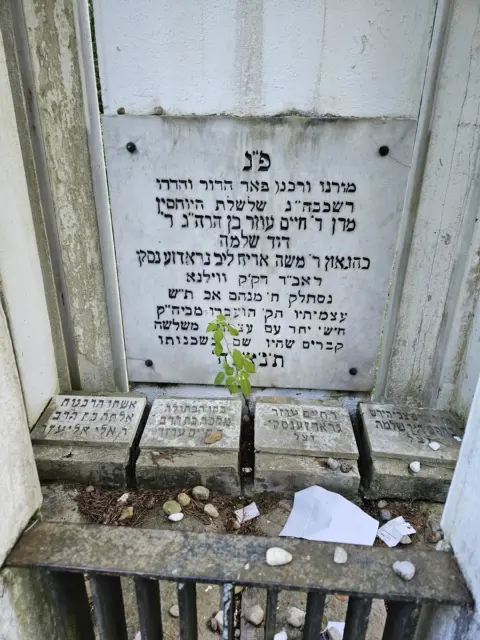
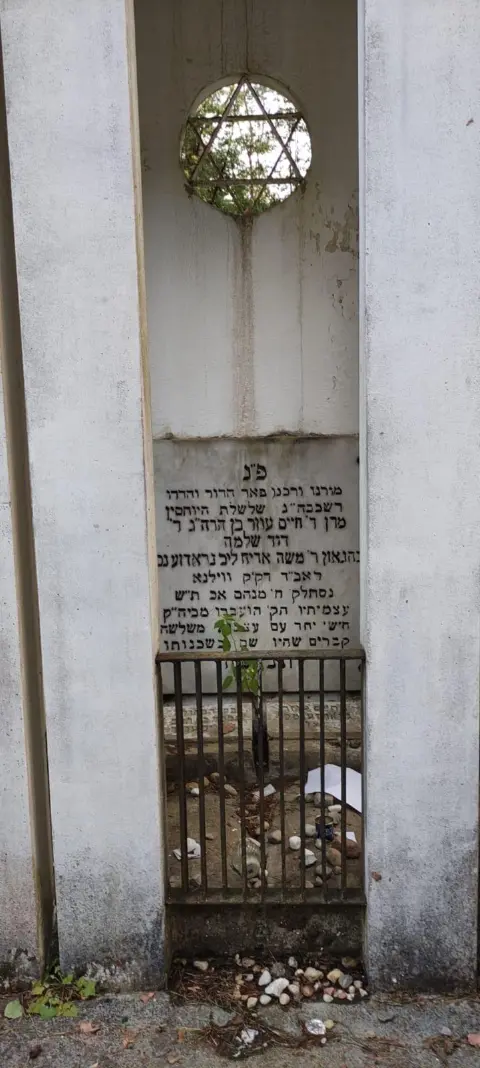
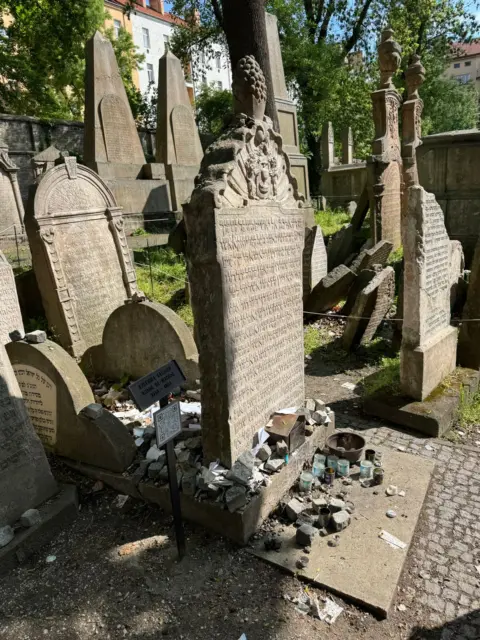
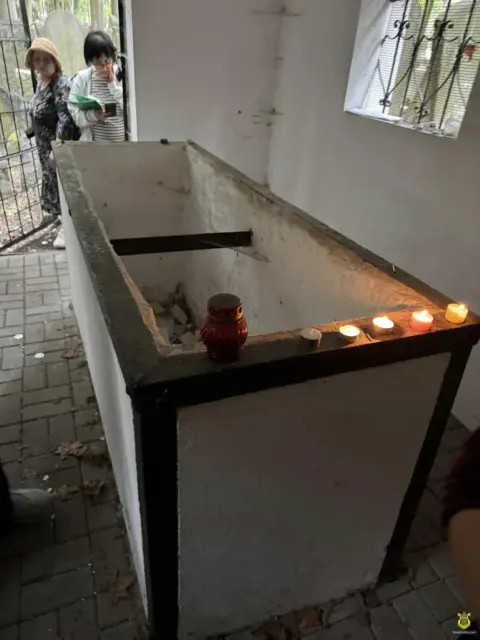
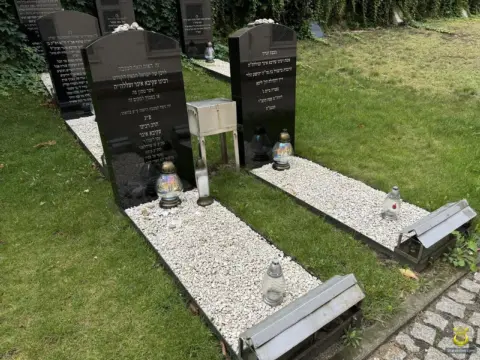
His ohel is in the same cemetery as the grave of the Vilna Gaon.
(https://www.jewage.org/wiki/en/Article:Гродзинский,_Хаим_Озер_-_Биография)
Gallery
Other graves


Source: https://silatehilim.com/en/kivrei_tsadikim/хаим-озер-гродзенский/
Material from our site may be copied for the purpose of spreading Torah, provided a link to Silatehilim.com is included. Any use of the site's material in print publications or for commercial purposes is prohibited without the rights holder's consent.