

 Sila Tehilim
כוחה של תהילים
silatehilim.com
Sila Tehilim
כוחה של תהילים
silatehilim.com
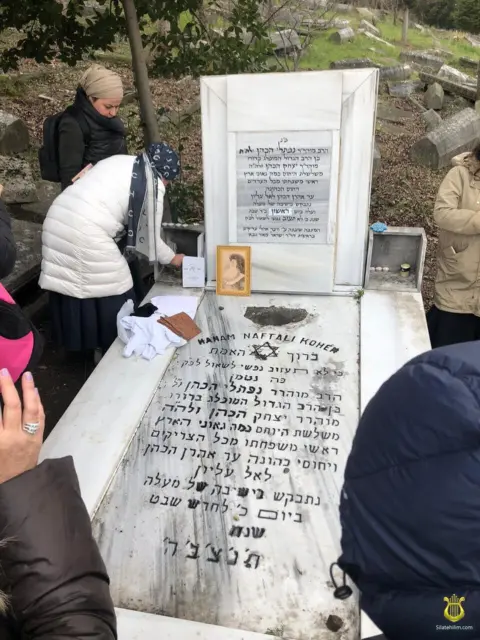
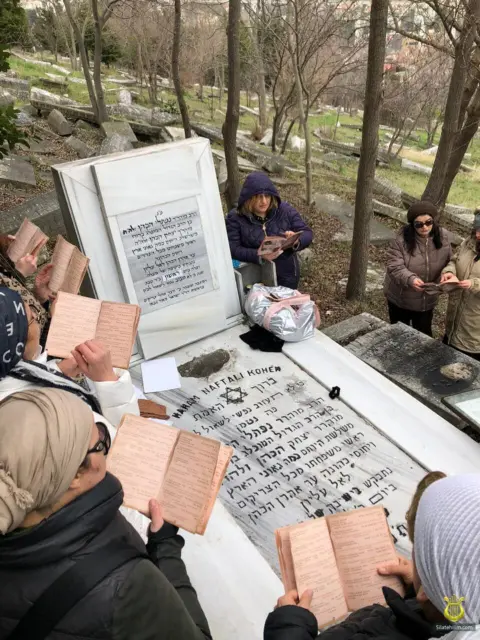
Grave
Naftali HaKohen Katz
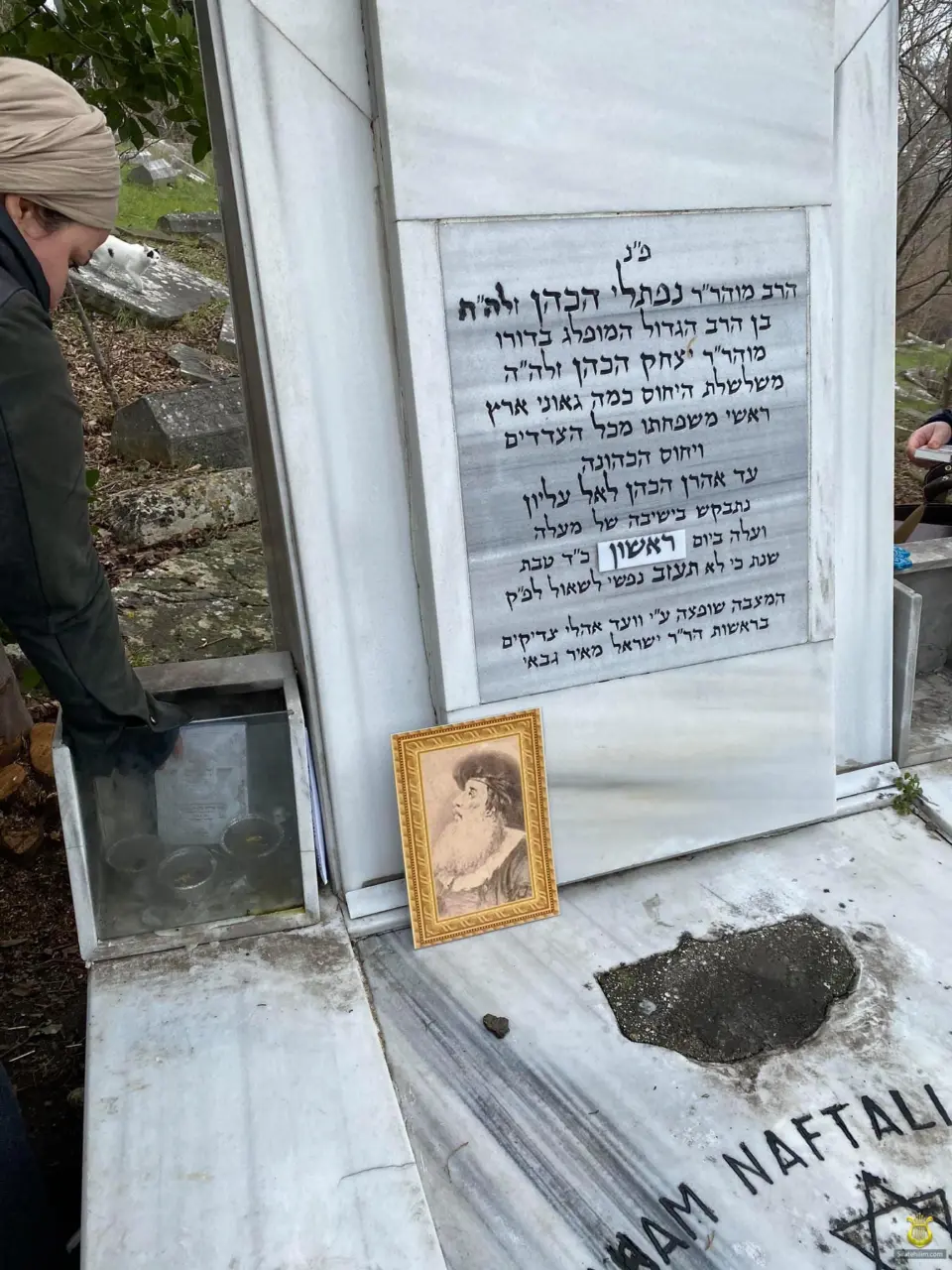
Yahrzeit (Hillula)
- 24 Tevet — Rabbi Naftali HaKohen Katz
Rabbi Naftali ben Yitzchak ve-Idel Margaliot HaKohen Katz was a direct descendant of the Maharal of Prague, and a follower of the greatest Polish kabbalists — Rabbi Nata Nathan Shapiro, the Shelah HaKadosh, and Rabbi Shimshon of Ostropol.
Rabbi Naftali Katz is also the author of the important "Tikkun HaNefesh" — 11 psalms arranged in a special order, which has been revived today by the Mekubal Rabbi Yosef Yeshaya Pinto.
In 1663, Rabbi Naftali fell into the hands of the Tatars, who held him in slavery for several years. After escaping by means of practical Kabbalah, he returned to Ostropol and was chosen as rabbi of the community, succeeding his father in that position. Later he moved to Poznan, where he devoted himself to Kabbalah and assembled a large library of kabbalistic literature.
On the 24th of Tevet, 1711, in the seventh year of his stay in Frankfurt, a fire broke out in his house: the flames spread rapidly, and more than five hundred houses in the Jewish quarter burned down. The city authorities accused Rabbi Naftali of having stopped the spread of the fire through unusual sorcerous powers by using Kabbalah — he was arrested, but managed to escape from prison.
Rabbi Naftali went to Prague, where many members of his family lived. There, another misfortune occurred which darkened his life more than the loss of his wealth and position.
A follower of Shabtai Tzvi — Nechemia Chiyun — obtained letters of recommendation from prominent rabbis through deception and traveled throughout Europe. Appearing in Prague and presenting himself as an emissary from the Land of Israel, he won the trust of Rabbi Naftali Katz through his duplicity. Being a proponent of practical Kabbalah, Rabbi Naftali, suspecting nothing wrong, approved his mystical work "Mehemnuta DeKula," not knowing that Chiyun had shown him only the main body of the work.
Rabbi Naftali soon discovered his mistake and tried to correct it, but all his efforts were in vain. In 1713, while Rabbi Naftali was in Breslau, he supported the renowned Talmudist Rabbi Tzvi Ashkenazi (the "Chacham Tzvi") against Chiyun.
When Rabbi Naftali decided to go up to the Holy Land, his path took him through Constantinople. There, on the 24th of Tevet — the very same date, but many years after the fateful fire — he ascended to the Heavenly Yeshiva.
Rabbi Naftali Katz left behind the following renowned works:
The treatise "Smichat Chachamim" (Ordination of the Sages), which brought him fame, and which he asked to be buried with him;
The treatise "Pi Yesharim" (Mouth of the Upright), profound commentary on just one — the very first — word of the Torah: "Bereishit" (In the beginning). The "Sefer Beit Rachel" (Book of the House of Rachel), quoted in his will. And "Tikkun HaNefesh," which is very popular in Israel today.
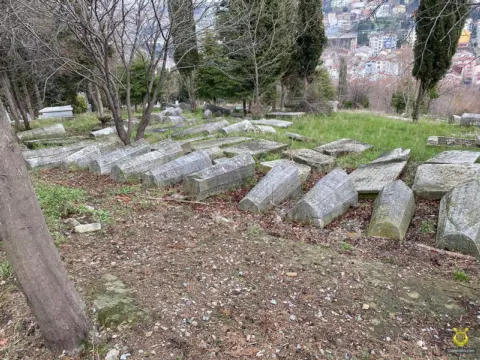
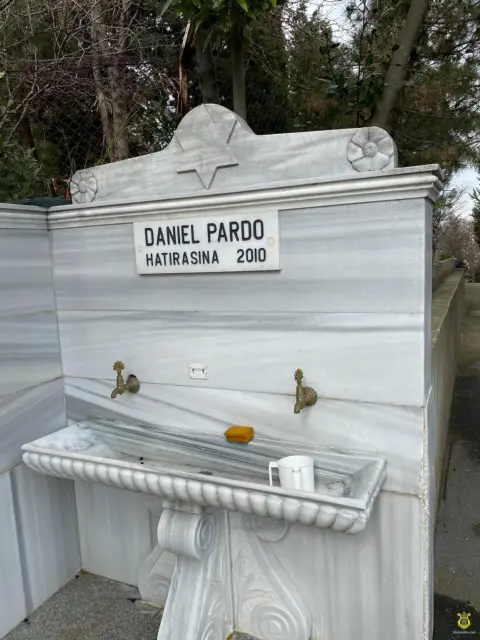
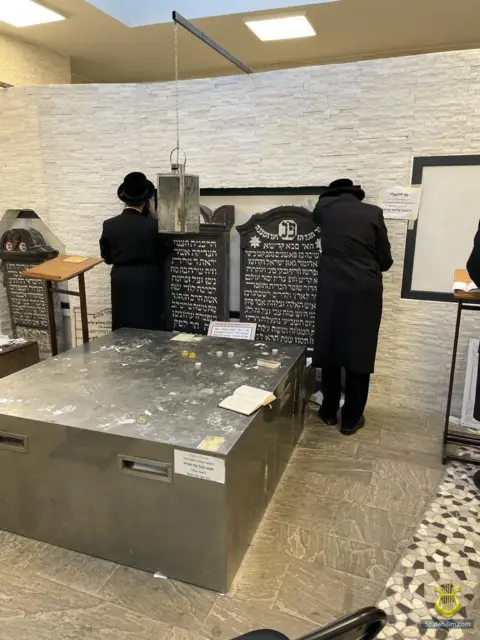
Rabbi Naftali Katz is buried in Istanbul, in the Jewish cemetery in Beşiktaş.
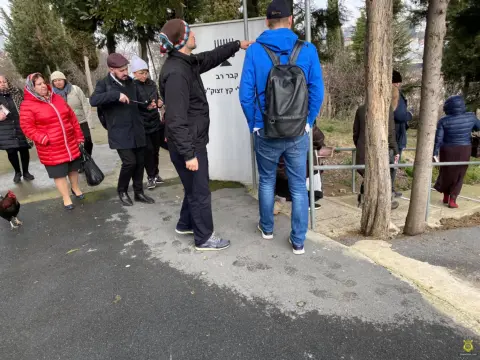
During its trip to the Kivrei Tzadikim in Izmir and Istanbul, "Sila Tehilim" was deeply moved by the special atmosphere at his resting place.
May the merit of the tzadik protect our people!
(Раби нафтали кац)
Location
İstanbul, Mecidiye, 34347 Beşiktaş/İstanbul, Turkey
Gallery



Articles about this tzadik 1

Other graves

Source: https://silatehilim.com/en/kivrei_tsadikim/24-тевета-йорцайт-рабби-нафтали-а-коэн-к/
Material from our site may be copied for the purpose of spreading Torah, provided a link to Silatehilim.com is included. Any use of the site's material in print publications or for commercial purposes is prohibited without the rights holder's consent.