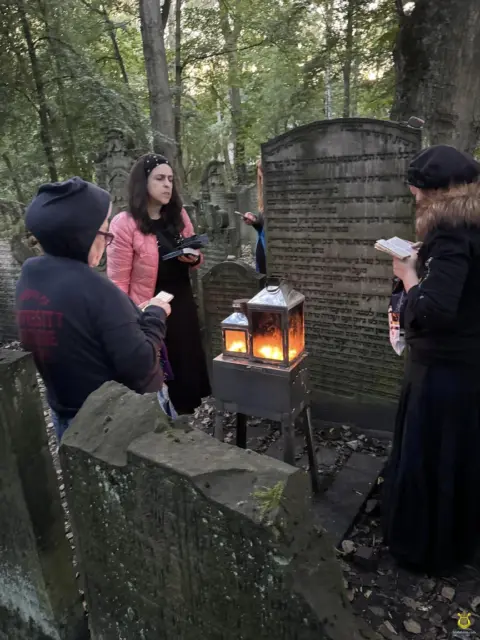
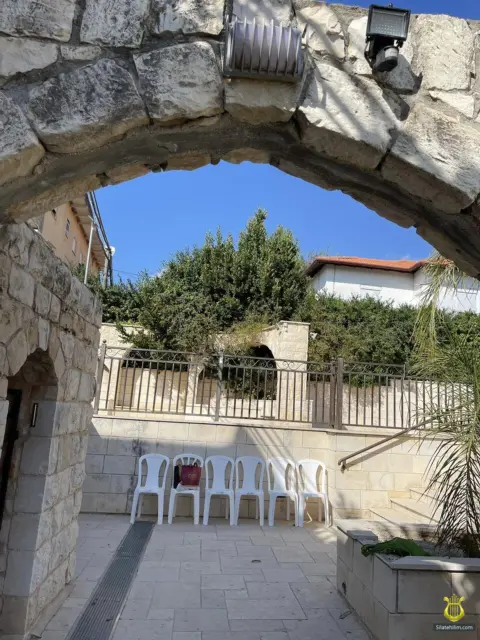
Grave
The Shela HaKadosh
Yahrzeit (Hillula)
- 11 Nisan — The Shelah HaKadosh
Rabbi Yeshaya ben Avraham Horowitz, known as the Shela HaKadosh (after the title of his main work), was born in Prague around the year 1555.
A Czech rabbi — a Talmudist and Kabbalist — he married the daughter of the wealthy Avraham Moel, which enabled him to spend generously on charity and on the purchase of books.
He was one of the leading figures in the life of the Polish Jewish community. As early as 1590 he condemned the practice of acquiring rabbinic positions through bribery.
Horowitz served as rabbi in many communities: in Poznan and Krakow after 1600, in Ostrog, Volhynia (1603), in Frankfurt am Main (c. 1606), and in Prague (1614).
In 1621, after the death of his wife, he moved to the Holy Land. According to the views of the Kabbalists, an unmarried man could not live in the Land of Israel, so Horowitz remarried.
Although various Jewish communities offered him rabbinic positions, he chose instead to go to Jerusalem, where he arrived on November 19, 1621.
In 1625 he was seized by the Turkish governor along with other members of the community and imprisoned. After the community ransomed him for a great sum of money, the Shela HaKadosh moved to Tzfat.
"Shnei Luchot HaBrit" (The Two Tablets of the Covenant) is the main work of the Shela HaKadosh.
The first letters of the title of his book "Shnei Luchot HaBrit" — Shela — became his name, as often happens in Jewish tradition.
Observant Jews sought comfort and instruction in this book, which has been reprinted many times in abridged form.
Horowitz's prayer book is full of pure thoughts and Kabbalistic teachings:
"The morning prayer is an appeal to divine mercy, since the increasing light represents the goodness of G-d, while the waning afternoon light signifies the awesome divine judgment. Avraham established the morning prayer because he embodied divine kindness, while Yitzchak established the afternoon prayer because he embodied divine might." (p. 144a)
The Shela HaKadosh quotes extensively from his predecessors — the De Vidas, the Ramak, and the Arizal. It was the fame of the Arizal that drew Horowitz to the Land of Israel, where he hoped to find his disciples and learn more about his teachings. His own writings, however, spread more widely than the works of any of the Arizal's disciples.
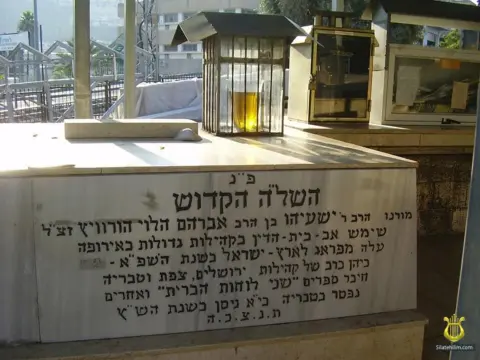
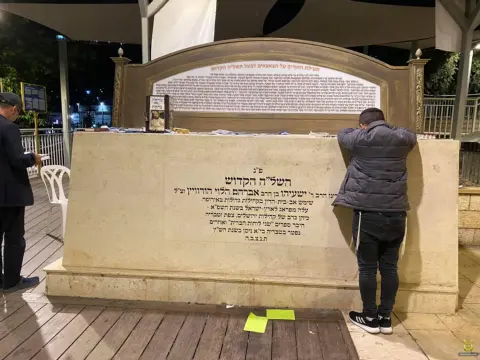
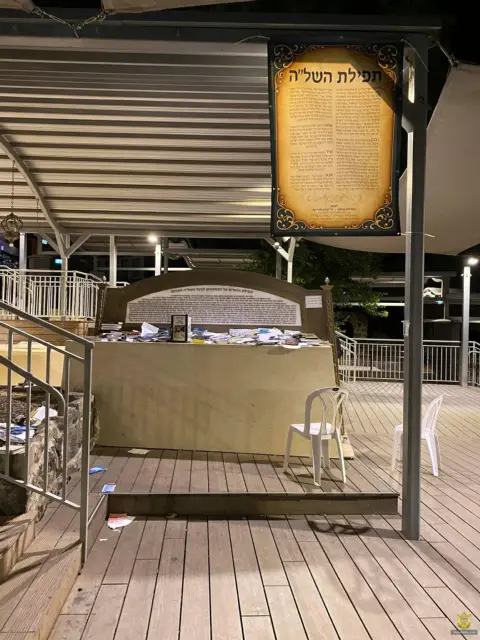
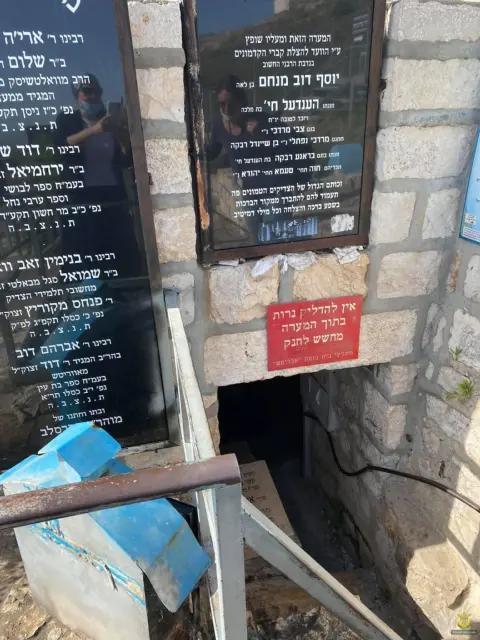
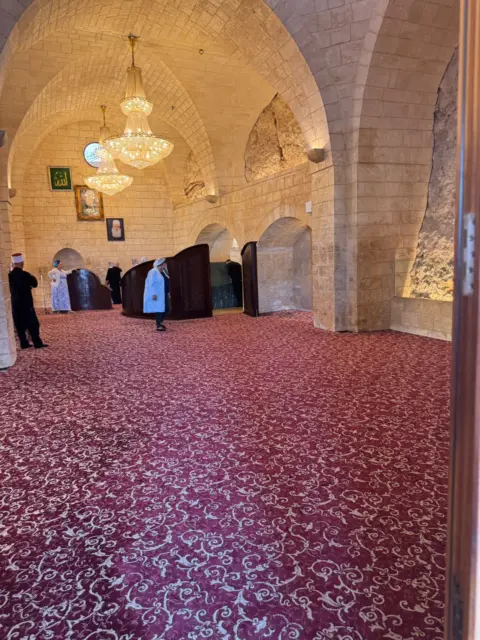
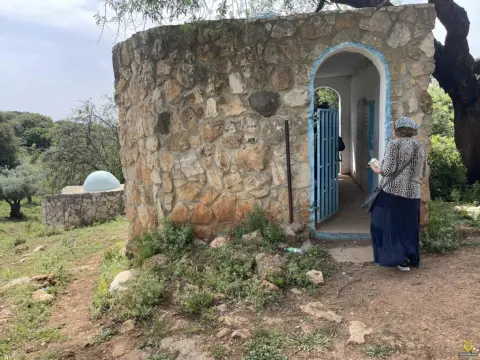
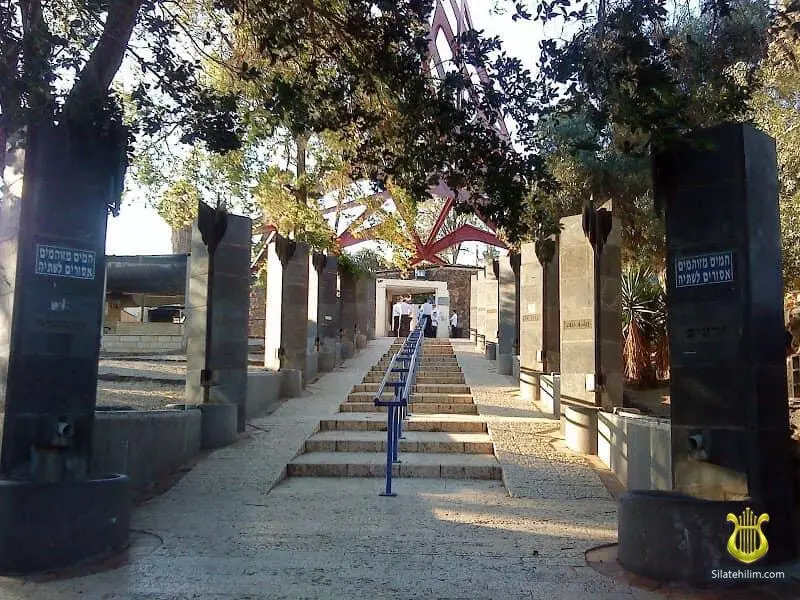
In Tiberias, at the entrance to the burial complex of the Rambam, to the left of the central steps, is the resting place of the Shela HaKadosh.
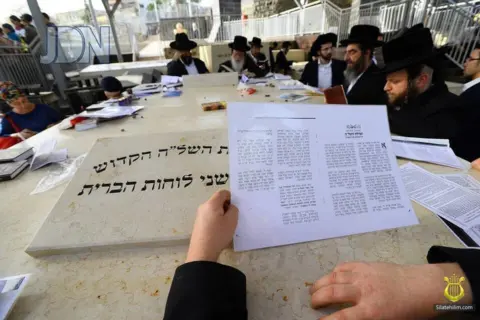
On the 11th of Nissan, his yahrzeit — a great multitude of people gather there.
1. The Shela HaKadosh's Prayer for Children on Rosh Chodesh Sivan
https://silatehilim.com/молитва-за-детей-шла-акодеш-в-рош-ходеш/
2. Tikkun HaGadol of the Shela HaKadosh
https://silatehilim.com/тикун-а-гадоль-шла-а-кадош/
3. Tefila LeParnasa of the Shela HaKadosh
https://silatehilim.com/эрев-рош-ходеш-нисан-тфила-ле-парнаса/
On Rosh Chodesh Sivan — this is the time for pilgrimage to the grave of the greatest tzadik.
Devout parents make every effort to reach the resting place of this tzadik in order to recite the prayer for their children that the tzadik instructed be said on this day.
If you come to the complex where the great Rambam is buried, and climb the stairs, on the left you will see the resting place of the Shela HaKadosh.
On Erev Rosh Chodesh Sivan
it is customary to recite the prayer for children composed by the Shela HaKadosh, the greatest scholar of Torah and Kabbalist, Rabbi Yeshaya bar Avraham HaLevi Horowitz.
For nearly 400 years, Jews all over the world have recited Tefilat HaShela, a special and powerful prayer for the protection of children.
The Shela HaKadosh wrote: "The most fitting time to recite this prayer is Erev Rosh Chodesh Sivan, because it is the month in which Hashem gave us His Torah, and in which we came to be called His children."
Erev Rosh Chodesh Sivan is also known as Yom Kippur Katan.
The Shela HaKadosh teaches that it is on this very day, according to an old custom, that we turn to the Creator with a special prayer, asking Him that our children, and our children's children, until the end of all generations, walk in the way of the Torah.
The text of this prayer has come down to us through Rabbi Shabtai Sofer of Przemyslany.
At the Council of Four Lands in 1614, he, as an outstanding student of Rabbi Mordechai Yaffe, author of the "Levush," was entrusted with republishing the Siddur — the prayer book. By that time many errors had accumulated in the reprinted siddurim, and it was he who was tasked with putting the prayer texts in order. The siddur he published in 1618 bore the approbations of the Maharsha, the Shela HaKadosh, the Bach, and others. Rabbi Shabtai introduced nothing new; he merely corrected and thoroughly verified the authenticity of the prayer texts, which had roots going back to the time of the Great Assembly. Among these prayers was the one that today is commonly called "the Shela's prayer." As for the custom of reciting this prayer on the eve of the month of Sivan, that tradition belongs to the Shela HaKadosh himself — here are his words:
"My heart tells me that the best time for this prayer is the eve of the month of Sivan, since it is the month in which the Torah was given to us, and by virtue of our having accepted the Torah we are called 'children of the Almighty G-d.' It would be proper for both parents to spend this day in fasting, to awaken their hearts to teshuva, to examine whether all the laws are being properly observed in their home, whether they have stumbled in the prohibitions relating to family purity, and to give charity to worthy poor people on this day."
The Mishnah Berurah (47:10) writes that this prayer should become habitual on our lips, so that we constantly pray to the Creator that our children study Torah, become tzadikim, and develop within themselves qualities worthy of the name of a human being. This should be remembered as well at the moment we recite "Ahava Rabbah," and when we recite the morning blessing on the Torah: "and may we, and our descendants..." The Shela HaKadosh wrote about this in his book "Shnei Luchot HaBrit" (from whose abbreviation the author came to be called Shela HaKadosh — "the holy Shela").
Before the prayer it is customary to give tzedakah, and then to light a 24-hour candle in honor of the tzadik, Rabbi Yeshaya bar Avraham HaLevi Horowitz (the Shela HaKadosh).
Gallery