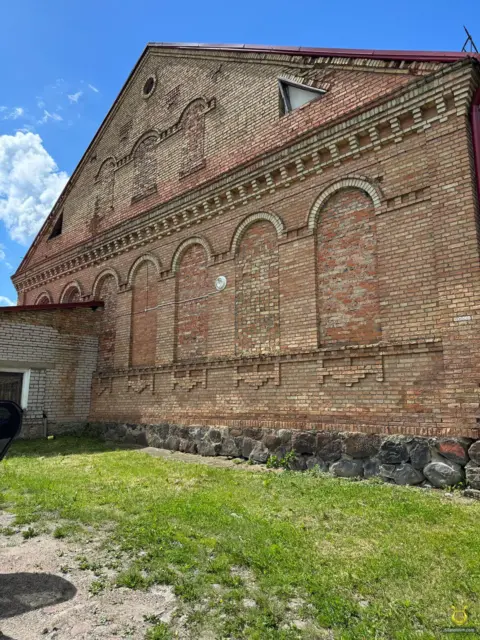
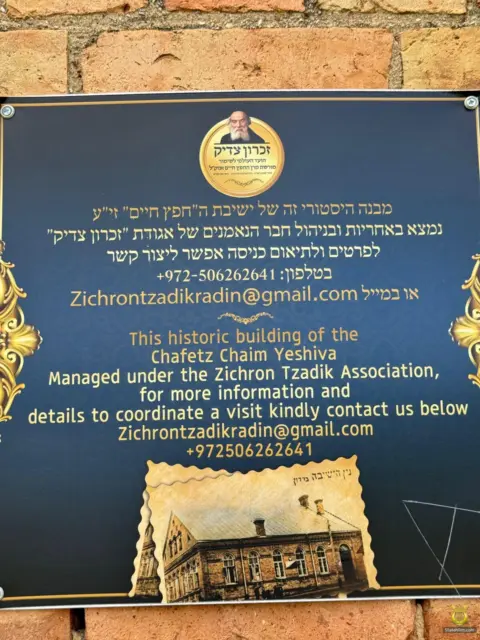
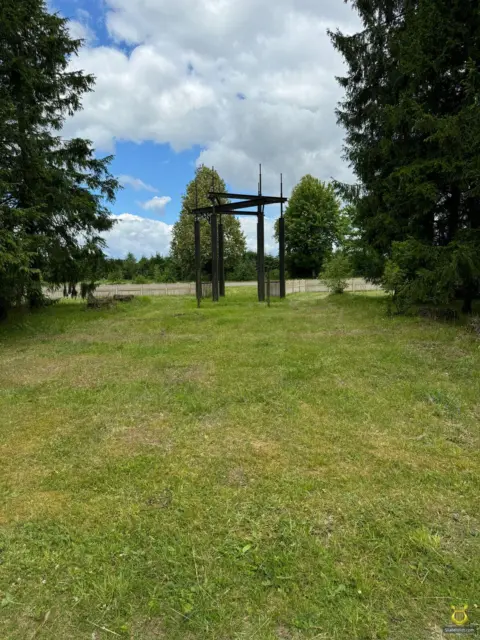
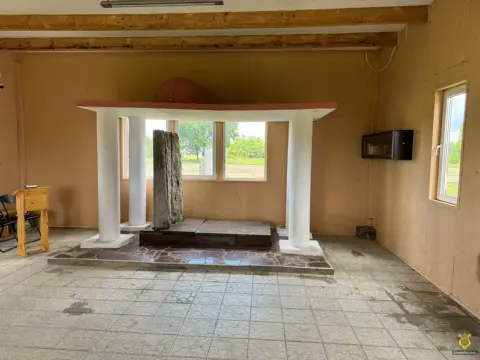
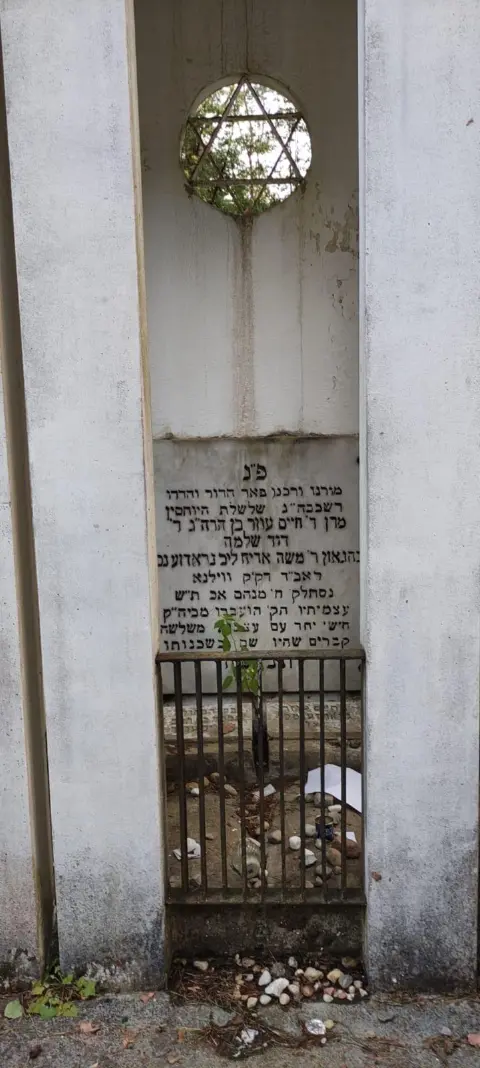
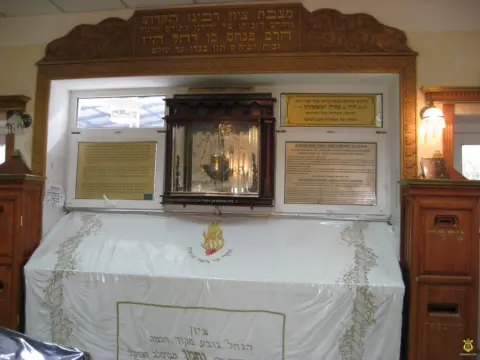
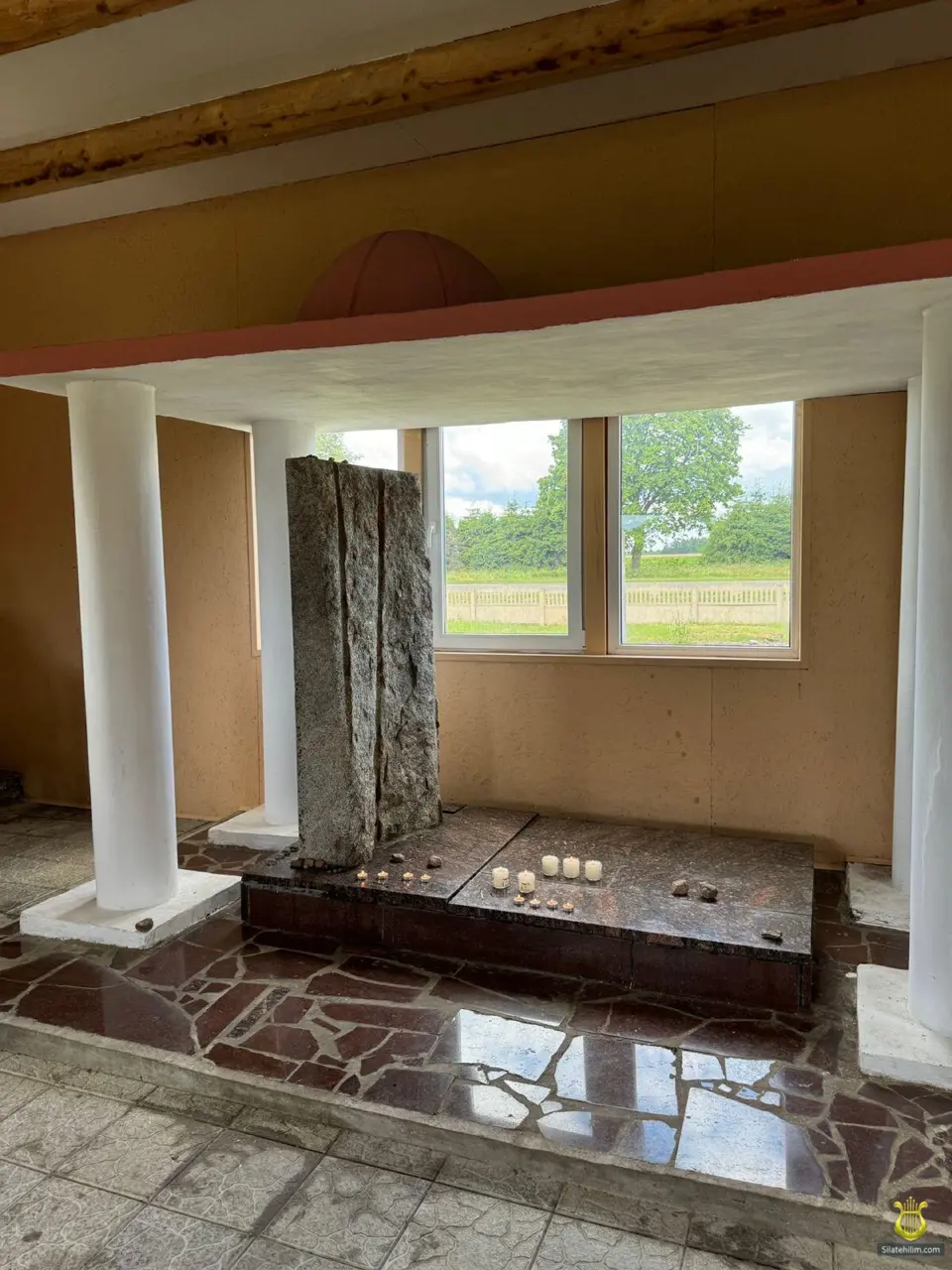
Grave
Chofetz Chaim
Rabbi Yisrael Meir HaKohen Kagan
Yahrzeit (Hillula)
- 24 Elul — Rabbi Yisrael Meir HaKohen Kagan – The Chofetz Chaim
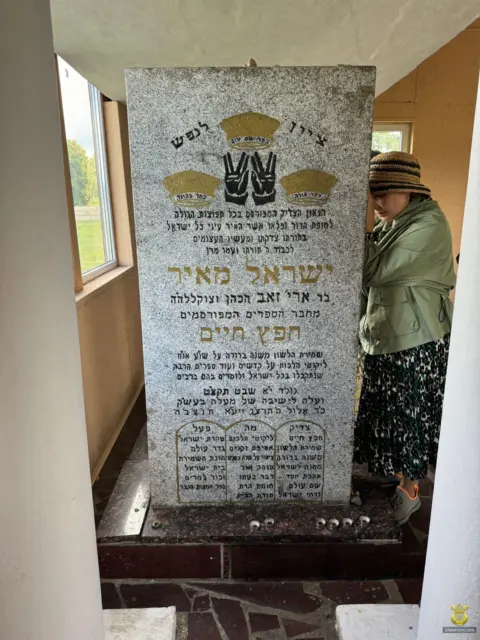
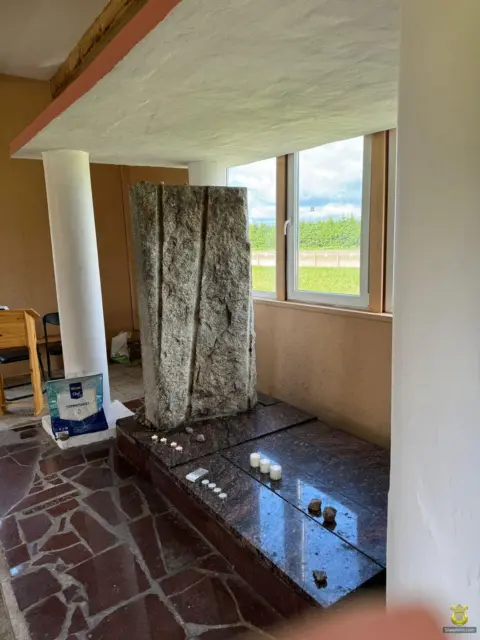
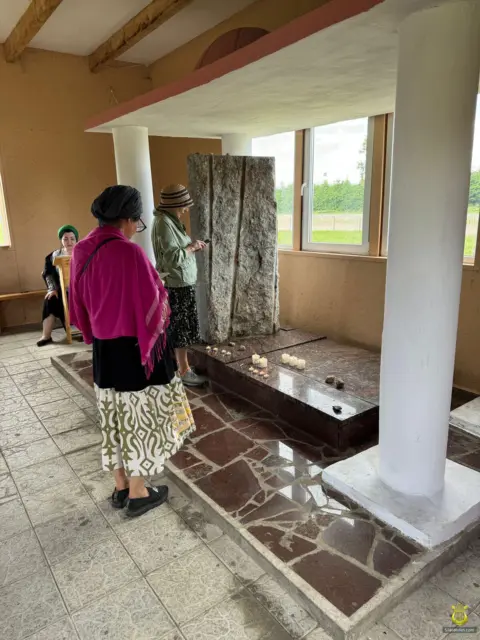
Rabbi Yisrael Meir HaKohen Kagan (1838-1933), known as the Chofetz Chaim (the name of one of his books, which had an enormous influence on the life of the Jewish community), was one of the most significant and revered Torah scholars of the 20th century.Yahrzeit - 24 Elul Burial place - Radin, Belarus Chofetz Chaim ("one who desires life") – Rabbi Yisrael took this from Tehillim (34:13): "Mi ha'ish hechafetz chaim ohev yamim lir'ot tov" – ("Who is the man who desires life, who loves days, that he may see good"). His parents were Rabbi Aryeh Zev and Dobrusha Kagan. He was orphaned of his father at a young age. At nine years old, he entered the great Yeshiva of Vilna, where he soon gained a reputation as a genius. He grew not only in wisdom but also in piety.
As he grew older, his selfless devotion to others and uncompromising honesty became an example for his generation and all generations that followed. Marrying at age 17, he continued to study Torah despite extreme poverty, spending every waking minute absorbed in sacred books. The Chofetz Chaim, who refused to accept the position of rabbi, opened a general store. His wife, insisting that he continue his Torah study, ran the store. The Chofetz Chaim ensured absolute accuracy in weights and measures, the quality of goods, and fairness of prices, making certain that no one was ever cheated or overcharged.
In 1869, he founded the Radin Yeshiva, which attracted students from all over Europe. His book "Chofetz Chaim" had a profound influence on Torah-observant Jewry. It is a compilation of laws concerning lashon hara — spreading gossip and slander — a serious transgression that is often overlooked. The title Chofetz Chaim is based on the verse: "Who is the man who desires life, who loves days, that he may see good? Guard your tongue from evil and your lips from speaking deceit" (Psalm 34:13) (chofetz chaim translates as "one who desires life"). Thanks to the Chofetz Chaim's works, awareness of the harmful consequences and severity of lashon hara has grown. A major achievement was his work "Mishnah Berurah", a detailed commentary on the "Orach Chaim" section of the Shulchan Aruch, which covers the general laws of daily conduct, such as prayers, tefillin, blessings, Shabbat, and holidays. The Mishnah Berurah explains these laws and their application in modern situations. It consists of 6 volumes and took 25 years to complete. Since its publication, the Mishnah Berurah has enjoyed extraordinary popularity. It is part of nearly every Jewish home library, and its pages are consulted daily by scholars, students, and laypeople alike. Emigration to America made him fear for the wellbeing of Judaism in places where Jewish communities were not well organized. He recognized the trials faced by new immigrants and, to meet their needs, wrote "Nidchei Yisrael" ("The Dispersed of Israel"), filled with detailed laws specifically related to the new life of emigrants, along with heartfelt words of inspiration and support to strengthen them in overcoming obstacles and preserving their Judaism. And his caring eye also watched over young conscripts, forced to live far from any semblance of Jewish life and desperately in need of special guidance. For them he composed "Machaneh Yisrael" ("Camp of Israel"). His book "Machaneh Yisrael" offers Jewish soldiers advice on how to observe Jewish traditions in the army, as well as special prayers to recite before going into battle. The Chofetz Chaim was a true leader of his people, caring for their needs and carrying the burden of each one of them. Sipurei Tzadikim Once, on Shabbat — the holy day — a student was caught smoking at the Chofetz Chaim's yeshiva. The yeshiva administration, as well as the smoker's classmates, were shocked by what had happened. The offender was to be expelled from the institution. But when the Chofetz Chaim himself learned of the incident, he invited the student to his home. Here the rabbi interrupted his account and remarked: "I don't know what the Chofetz Chaim said to the student. I only know that their conversation lasted a few minutes. I would very much like to know what the rabbi said to the student, because after that conversation, he never violated Shabbat again. It would be wonderful if he shared the content of that conversation, whatever it was, with everyone else, to strengthen their commitment to keeping Shabbat." After these words, the rabbi continued his lecture. When the gathering ended, the hall emptied. Only one elderly Jew remained, sitting deep in thought. He seemed to be trembling — whether from crying or from a chill, it was hard to tell. The rabbi approached him and asked if everything was all right. The elderly man, without raising his eyes, answered with a question: "How do you know the story about smoking on Shabbat?" "I don't remember," the rabbi replied, "I heard it quite a long time ago, and I no longer recall who told it to me." Then the Jew looked up at the rabbi and said: "I was that student." Then he suggested they take a walk together. During the walk, he told the following: "This happened in the 1920s, when the Chofetz Chaim was already in his 80s. I remember being terrified that I would have to go to his home for a personal conversation. Once inside the tzadik's house, I was struck by how poor his surroundings were. I could not imagine that a man of such stature could live so modestly. Then the Chofetz Chaim himself entered the room. He was very short in stature. I was a teenager at the time, but he barely reached my shoulder. The Chofetz Chaim took my hand and gently squeezed it. He raised our joined hands to his face, and when I tried to look at the tzadik, I saw that his eyes were closed. Then the Chofetz Chaim opened his eyes. They were full of tears. In a quiet voice, full of pain and astonishment, he said: 'Shabbat!' Then he began to cry, still holding my hand. From time to time the Chofetz Chaim repeated: 'Shabbat, holy Shabbat!' My heart nearly leapt out of my chest from fear. Tears streamed down the Chofetz Chaim's face, and one of them fell onto my hand. It felt as though that tear would burn through my skin. Even today, remembering it, I feel as if it is still burning my hand. I cannot describe how terrible I felt, realizing that my transgression had brought such a great man to tears. But after that meeting, during which he said only a few words to me, I felt that he was not angry with me, but that my act had upset and deeply saddened him. It seemed he was afraid of what might result from what I had done." After these words, the rabbi's companion stroked his hand, which still bore the invisible mark of the great tzadik's tear. That tear reminded him for the rest of his life of the importance of keeping Shabbat. A Worthwhile Deal Once a young Jewish man came to the Chofetz Chaim, facing conscription into the army. He asked the sage to pray for his exemption from being drafted into the Polish army. The Chofetz Chaim began thinking aloud, saying: "Well, how could the Chofetz Chaim help in this situation? If I were to speak with a Polish general, would that help?" The young man replied that he did not mean intervention with the Polish authorities, but rather a blessing — that the Rav would bless him to avoid being drafted into the Polish army. The Chofetz Chaim continued reasoning: "So Yisrael Meir will turn to the Creator with your request. And in response the Almighty will ask: what benefit will this bring to Heaven? What good will it do if this young Jew, instead of going into the army, goes to work in his father's store?" The young man was silent, not knowing how to answer. Then the Chofetz Chaim took his hand and said: "I will tell you what Yisrael Meir can say to the Almighty. If you commit that for all the years you are exempted from the army, you will devote yourself to studying Torah in a yeshiva, then Yisrael Meir will have a solid reason to bring this request to the Creator." The young man agreed to this. But the Chofetz Chaim did not rely on a simple promise — he insisted on a handshake to seal the deal. No sooner said than done. And everything worked out according to this "deal." The young man miraculously managed to avoid the draft, after which he studied for several years in yeshiva. He later became a shochet and built a wonderful family in which serving the Almighty was the top priority — which was far from the case for everyone in those difficult times. Limud - The Chofetz Chaim teaches in "Shmirat HaLashon" that one who speaks badly of another person, or even merely discusses someone (even if speaking the truth), transfers all of his merits to the person he is speaking about, and takes upon himself that person's sins at that very moment. - The Chofetz Chaim says in "Mishnah Berurah" (ch. 51:17) that one who reads "Shirat HaYam" with joy, feeling as though he himself had been saved, and pictures Pharaoh drowning together with his army, is forgiven all his sins. A Parable (Mashal) of the Chofetz Chaim for the Days of Shovavim https://silatehilim.com/машаль-от-хафец-хаима-в-дни-шовавим/ Dobrusha The Chofetz Chaim's mother, Dobrusha (an affectionate form of the name Devorah), was a very G-d-fearing woman — she avoided idle talk and gatherings with neighbors, often repeating: "Alein — iz di neshome rein" (in solitude — the soul is pure). She spent many hours a day reading the Chumash, collections of midrash, and Tehillim, and with tears pleaded with the Almighty that her son would grow up to be "a good Jew, faithful to the laws of the Torah." (R. Dov Katz, Tnuat HaMussar 4, p.21) Once, when the Chofetz Chaim was a small child, he fell seriously ill — so seriously that nothing helped, neither prayers nor visits to tzadikim. Then the Chofetz Chaim's mother, Dobrusha, decided to bake 18 challot (corresponding to the gematria of "chai" — life) and distribute them to those in need and to the students of the yeshiva. The very next day, the Chofetz Chaim came to and began to recover. After this story, the segula became widely known for healing. Years later, the grown Chofetz Chaim himself would use his mother's segula, distributing 18 challot on behalf of the sick. The Chofetz Chaim's daughter told her son about her grandmother Dobrusha — that she was a simple, unlettered Jewish woman who could only read, never having learned to write. So when little Yisroelik was small, she asked him to write her name in her siddur, and that siddur has been carefully preserved by every generation since. P.S. In the summer of 2024, a gratitude trip was organized to Radin, to the resting place of the Chofetz Chaim, in thanks for a miraculous healing through his mother Dobrusha's segula. We were told that the mother is buried next to her son, in the same cemetery, but unfortunately we were unable to find her grave.The Chofetz Chaim's Prayer for Purity of Speech
תפילה לשמירת הלשון
רִבּוֹנוֹ שֶׁל עוֹלָם, יְהִי רָצוֹן מִלְּפָנֶיךָ, אֵל רַחוּם וְחַנוּן, שֶׁתְּזַכֵּנִי הַיּוֹם וּבְכָל יוֹם לִשְׁמוֹר פִּי וּלְשׁוֹנִי מִלָּשׁוֹן-הָרָע וּרְכִילוּת וּמִקַּבָּלָתָם.
וְאֶזָּהֵר מִלְדַבֵּר אֲפִלוּ עַל אִישׁ יְחִידִי, וְכָל שֶׁכֵּן מִלְדַבֵּר עַל כְּלַל יִשְׂרָאֵל אוֹ עַל חֵלֶק מֵהֶם. וְכָל שֶׁכֵּן מִלְּהִתְרַעֵם עַל מִדּוֹתָיו שֶׁל הַקָּדוֹשׁ-בָּרוּךְ-הוּא.
וְאֶזָּהֵר מִלְּדַבֵּר דִּבְרֵי שֶׁקֶר, חֲנֻפָּה, לֵצָנוּת, מַחֲלֹקֶת, כַּעַס, גַּאֲוָה, אוֹנָאַת-דְּבָרִים, הַלְבָּנַת-פָּנִים, וְכָל דְּבָרִים אֲסוּרִים.
וְזַכֵּנִי שֶׁלֹּא לְדַבֵּר כִּי-אִם דָּבָר הַצָּרִיךְ לְעִנְיָנֵי גוּפִי אוֹ נַפְשִׁי. וְשֶׁיִּהְיוּ כָּל מַעֲשַׂי לְשֵׁם שָׁמַיִם.
"Ribono shel Olam, yehi ratzon milefanecha, Kel rachum vechanun, shetezakeini hayom uvechol yom lishmor pi uleshoni milashon hara urechilut umikabalatam. Ve'ezaher miledaber afilu al ish yechidi, vechol shekein miledaber al klal Yisrael o al chelek meihem, vechol shekein mile'itraem al midotav shel HaKadosh Baruch Hu.
Ve'ezaher miledaber divrei sheker, chanufa, leitzanut, machloket, ka'as, ga'ava, ona'at devarim, halbanat panim vechol devarim asurim.
Vezakeini shelo ledaber ki im davar hatzarich le'inyanei gufi o nafshi, usheyihyu kol ma'asai vedibburai leshem shamayim."
Translation
Master of the Universe, may it be Your will, Merciful and Gracious G-d, that You grant me the merit today and every day to guard my mouth and my tongue from lashon hara and rechilut. May I refrain from speaking ill even of a single person, and certainly of the entire Jewish people or any part of it. Let me have no complaint about the ways of the Holy One, Blessed be He. May I refrain from words of falsehood, flattery, mockery, strife, anger, arrogance, harsh words, insults, ridicule, and other forms of forbidden speech. Grant me the merit to speak only what is necessary for my physical and spiritual wellbeing, and may all my deeds and words be for the sake of Heaven.
(Transliteration from the book "I Call Upon You"; translation by Rav Yehuda-Ze'ev Segal)
May the merit of the tzadik the Chofetz Chaim and his mother Dobrusha protect Am Yisrael! (https://dailyzohar.com/tzadikim/76-Yisrael-Meir-HaKohen-Kagan, based on the teachings of Gaon Rav Yitzchak Kohen)Gallery