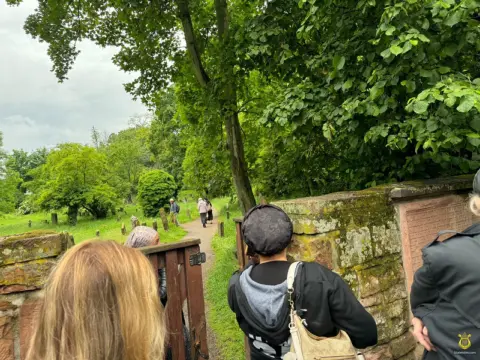
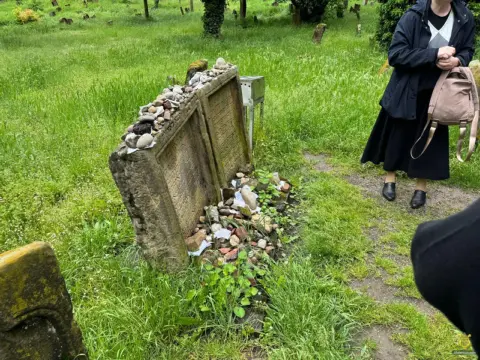
Grave
Meir ben Baruch
Maharam of Rothenburg
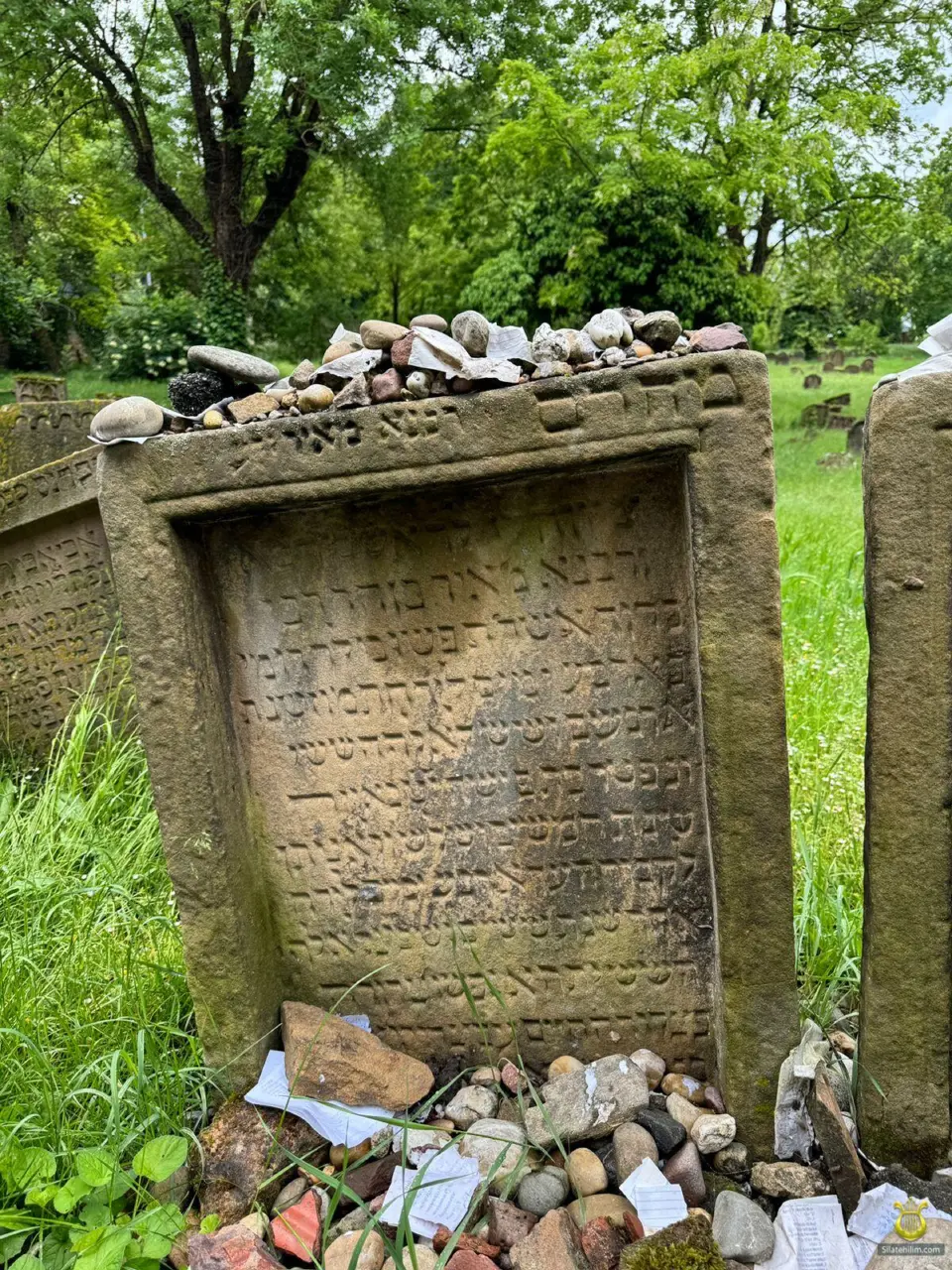
Yahrzeit (Hillula)
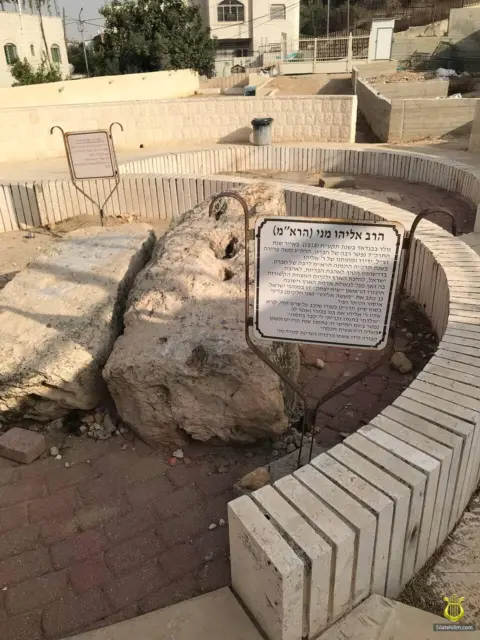
- 17 Nisan — Rabbi Meir Abuchatzira - Baba Meir
Rabbi Meir ben Baruch of Rothenburg - Maharam of Rothenburg - Maharam of Rothenburg (1215, Worms – 1293, Ensisheim, Alsace) – Talmudic scholar and Tosafist.
Yahrzeit - 19 Iyar Burial place - Worms (Old Cemetery), GermanyAlready at the age of 12, in Würzburg, Meir ben Baruch became a student of the renowned Talmudist Rabbi Yitzchak ben Moshe. He later studied under the greatest sages of Germany, Alsace and France, including the Tosafists Rabbi Shmuel ben Shlomo of Falaise and Yechiel ben Yosef of Paris.
Meir ben Baruch was in France in 1240 when both of his Tosafist teachers took part in the disputation over the Talmud with the apostate Nicholas Donin; two years later he witnessed the public burning of the Talmud, which moved him to write the elegy "Sha'ali Serufah ba-Esh…" ("Ask, O you who were burned in fire…"), which was later included in the collection of kinot (lamentations) recited on the 9th of Av. After this, the Maharam returned to Germany and settled in Rothenburg, where he lived for more than 40 years.
Meir ben Baruch's reputation as an unsurpassed authority in Talmudic matters spread throughout Germany and neighboring countries, and the yeshiva he founded attracted numerous students. Renowned rabbis from Germany, Austria, Bohemia, Italy, France, and even Spain turned to Meir ben Baruch for guidance.
About a thousand responsa (answers to questions of Jewish law) of the Maharam of Rothenburg have survived, exceeding the total number of surviving responsa of all the other Tosafot authors (Talmudic commentators of the 11th-13th centuries) combined. The overwhelming majority of the Maharam of Rothenburg's responsa deal with property matters, inheritance, marriage contracts, issues of commerce and taxation, guardianship, and communal administration.
Meir ben Baruch introduced certain changes to the order of prayer and religious minhag, and established many customs that were later adopted by the Jews of Central and Eastern Europe. Many of Meir ben Baruch's students eventually became leaders of Jewish communities in various countries of Europe.
The 13th century was a century in which blood libels and persecution of Jews began to spread throughout Germany. The Fourth Lateran Council of the Catholic Church in 1215 officially sanctioned discrimination against Jews, although it also resolved to protect them from pogroms.
Even when King Rudolf of Habsburg began restoring order in the country in 1273 and put an end to the wars that had been shaking Germany, the situation of the Jews did not improve. Both Rudolf himself and subsequent kings skillfully exploited the Jewish people's lack of rights and gladly plundered them.
Rudolf imposed an additional tax on the Jews of the country. The Jews, who were formally considered "servants of the treasury" (servi camerae), were not only dependent on the emperor but also enjoyed his protection. However, the new tax turned them and all their property into the emperor's personal property. The response to this was a mass exodus of Jews from Germany.
In those days, the Maharam of Rothenburg left bloodstained Germany and set out for Eretz Yisrael. At the Italian border he was recognized by a converted Jew, who informed the ruler of the city of the famous rabbi's flight. Rabbi Meir was returned to Germany, and King Rudolf ordered him imprisoned in the fortress of Ensisheim - Château du Haut-Kœnigsbourg (Upper Königsburg Castle) - for attempting to leave Germany without proper permission.
For Rabbi Meir's release, the king demanded an enormous ransom from the Jewish communities, which was raised through the efforts of his student Rabbi Asher ben Yechiel - the Rosh. However, the Maharam forbade the payment of the ransom, fearing that it would set a precedent and that kings and feudal lords would thereafter arrest prominent Jewish figures and demand fabulous sums of money for their release.
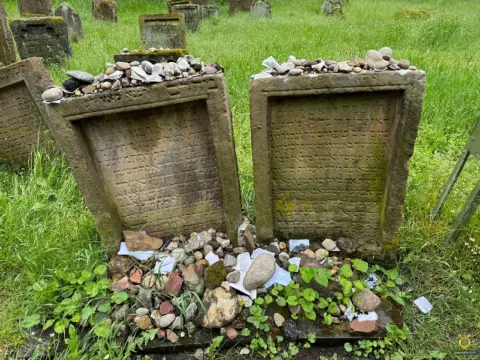
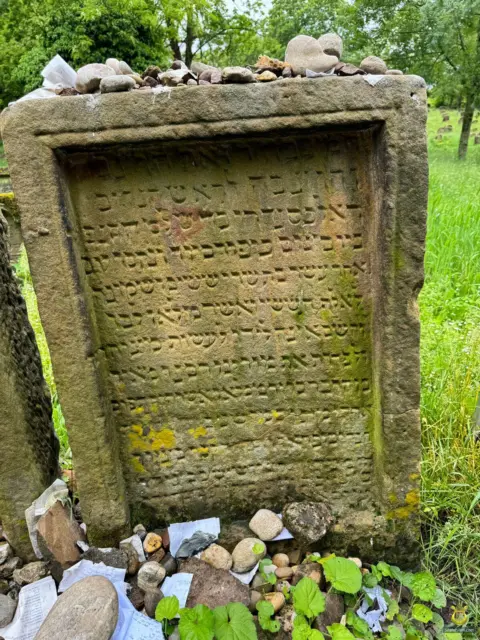
Rabbi Meir spent 6 years in the fortress and died in 1293. But even after his death, the royal authorities demanded a ransom for the Maharam's body, and the Jews did not agree to it, since this went against the wishes of the deceased. Only 14 years later did the wealthy Alexander Zuskind Wimpfen spend his entire fortune on the ransom and bury the teacher's remains in the Worms cemetery. When members of the community asked what he wanted in return for such a mitzvah, he replied: to be buried next to the great Maharam of Rothenburg - and his wish was fulfilled.
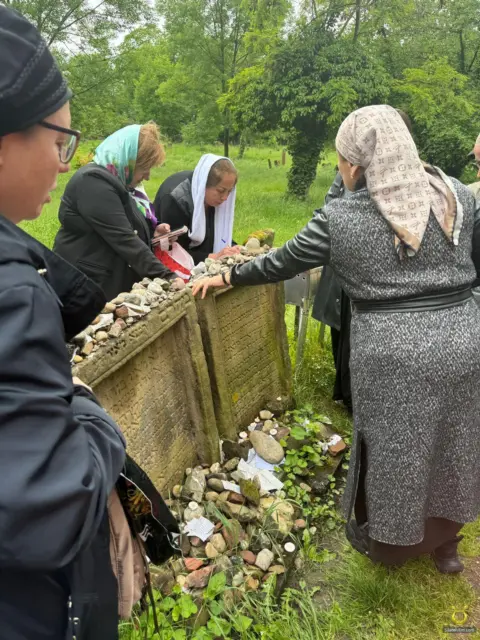
Below is a photo of their graves next to each other.
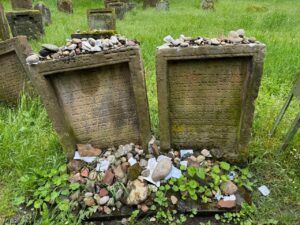
The Maharam's wish was fulfilled: the German rulers realized that blackmail was useless, and Jewish sages, following the example of Rabbi Meir of Rothenburg, would not allow communities to pay ransom for them.
According to the "Shem HaGedolim" of Rabbi Chaim Yosef David Azulai, a student of Rabbi Meir named Meir HaKohen wrote the famous commentary on Maimonides' Mishneh Torah titled "Hagahot Maimoniyot." Rabbi Meir did not write any single major work, but wrote numerous notes, commentaries, expositions and poems, as well as 1,500 responsa. His student the Rosh (Rabbi Asher ben Yechiel) codified much of his teaching. His responsa are of great importance to scholars of the Talmud. Rabbi Meir is well known as a Tosafist and, in particular, is the author of the Tosafot commentary on the Talmudic tractate Yoma; he is cited in the "Tosafot" on various other tractates.May the merit of the tzadik the Maharam of Rothenburg protect Am Yisrael!
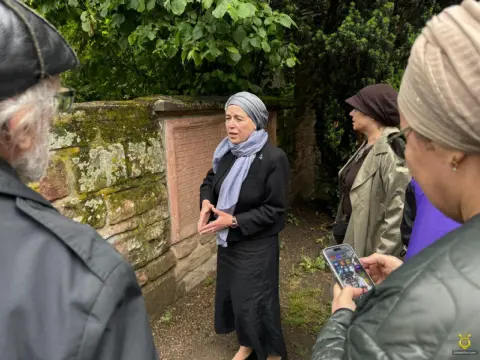
(From a trip to the Kivrei Tzadikim in Alsace-Lorraine with Rabbanit Chava Kuperman, text by Eliezer Lesovoy)
Gallery