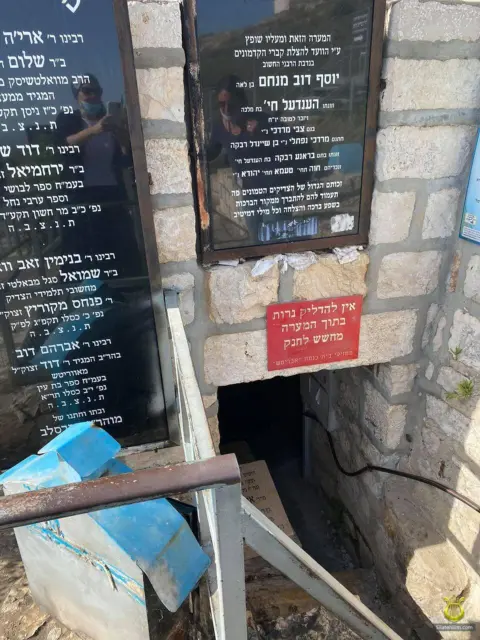
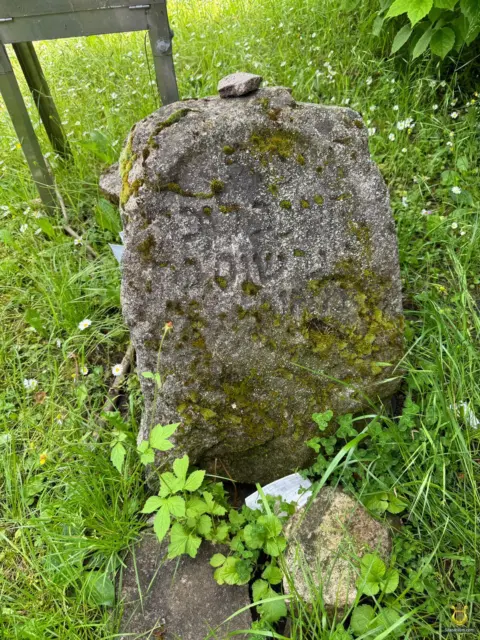
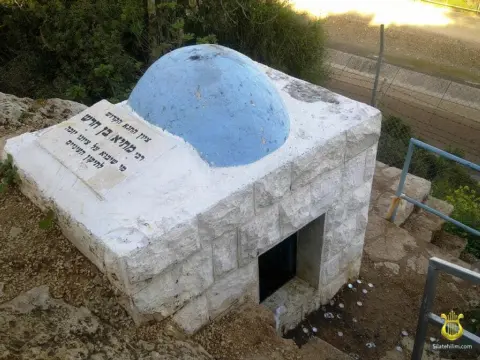
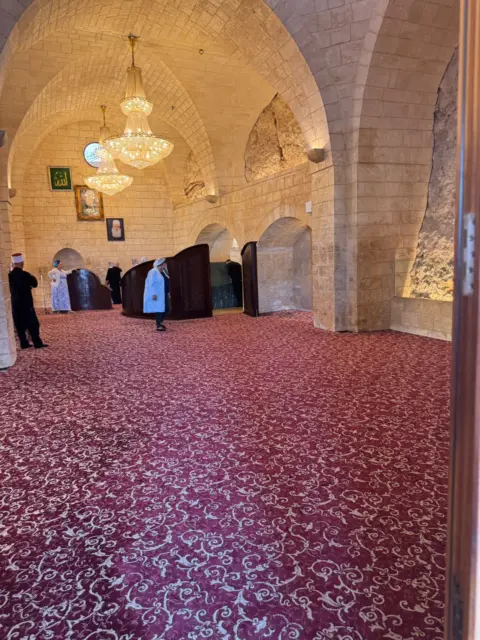
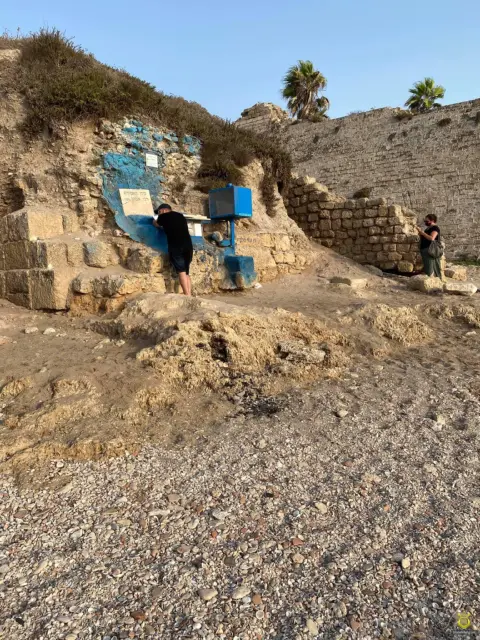
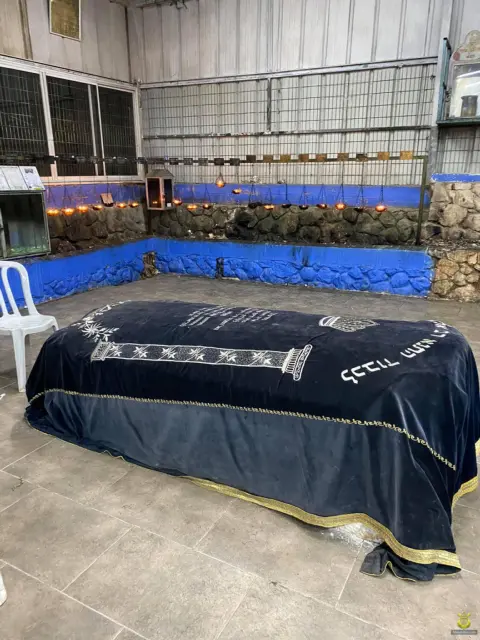
Grave
Schneur Zalman of Liadi
the Alter Rebbe
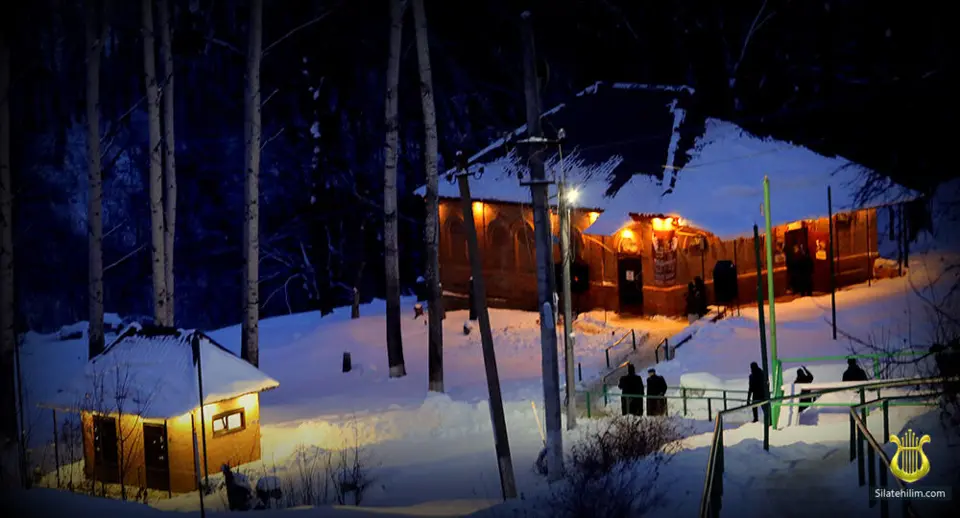
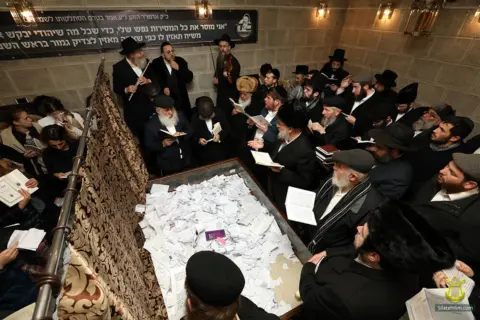
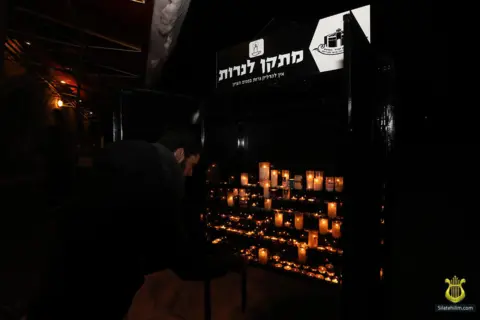
Yahrzeit (Hillula)
- 24 Tevet — Rabbi Shneur Zalman of Liadi - the Alter Rebbe
The Alter Rebbe is also known, after his main work, as the Baal HaTanya.
The day of a tzadik's Hillula holds tremendous power for each of us to draw down an abundance of yeshuot (salvations) from a special place, said to emanate from more than 1,000 Gates of Mercy.
The Baal HaTanya was said to be an angel.
Rabbi Nachman of Breslov, who lived in the generation of the Baal HaTanya, testified that he was called "Sar HaElef" (Prince of the Thousand), because it was said of the tzadik that he ruled over more than 1,000 worlds - so holy and spiritually elevated was he.
It is said that tzadikim are more powerful after death than during their lifetime. The Alter Rebbe attained such a lofty spiritual level that he certainly occupies a very high place in Shamayim and has the ability to access and send down blessings by virtue of his merit - all the more so on the day of his Yahrzeit/Hillula.
The Zohar says that if a person truly understood the power of a tzadik, he would spend the entire Yahrzeit reciting Tehillim and prayers le-chvod (in honor of) the tzadik.
In 1807, in the Russian town of Zhlobin, a meeting took place between two great Chassidic communities. The occasion was the famous "Zhlobin Wedding," when the granddaughter of Rabbi Schneur Zalman of Liadi married the grandson of Rabbi Levi Yitzchak of Berditchev.
At the wedding, the Alter Rebbe raised his cup and declared: "L'chaim! May the Almighty grant His people all they need, both materially and spiritually!"
"Shouldn't it be the other way around?" Rabbi Levi Yitzchak objected. "Shouldn't the 'spiritual' be placed before the 'material'?"
"I am speaking as our forefather Yaakov did," the Alter Rebbe replied.
"First he asked (Bereishit 28:20) that G-d 'give me bread to eat and clothing to wear,' and only afterward, in the next verse, did he pray that 'the L-rd will be my G-d.'"
"Can you compare Yaakov's material life to our material life?" Rabbi Levi Yitzchak challenged.
"Can you compare Yaakov's spirituality to our spirituality?" Rabbi Schneur Zalman countered.
Rabbi Schneur Zalman was once staying in a certain town.
While he was there, a house caught fire, and the Rebbe asked to be taken to the place of the blaze.
When he arrived at the scene, a group of Russian soldiers from the local garrison were trying in vain to put it out. The Rebbe stood before the burning house, leaning on his cane. He remained completely still for several moments. Suddenly the fire died down. The exhausted soldiers could hardly believe their eyes. They ran to report the astonishing event to their commander. He listened calmly, then sent a delegation of soldiers to ask the Rebbe to come to him. When the Rebbe arrived, the officer asked him: "Are you perhaps the son or grandson of the Jewish holy man known as the Baal Shem Tov?"
The Rebbe told him that he was not actually a blood relative, but that he considered himself his spiritual grandson, since he had been a disciple of the Baal Shem Tov's chief disciple and successor.
"If that is so," the officer remarked, "I am no longer surprised by what you did today. Come in, sit down, and I will tell you a story about my late father and the Baal Shem Tov."
My father held the rank of general. Once he came with his troops to the village of Medzhybizh shortly before your festival of Pesach. My father was deeply troubled at the time, because many weeks had passed without any letter or word from his wife. He was lost in thought, imagining all sorts of misfortunes, but he shared his worries with several local residents with whom he was friendly. They immediately suggested that perhaps he should seek the counsel of a holy Jew who lived in their town, a miracle-worker who could reveal hidden things.
"My father sent a soldier to the Baal Shem Tov to request a meeting. To his great surprise, the Baal Shem Tov refused to see the soldier. He sent another soldier, but the Baal Shem Tov again refused. Naturally my father was irritated, but he knew about you Jews and your festivals. He sent yet another delegation, this time with a threat: if the Baal Shem Tov refused to meet with the general, he would have his troops scatter sacks of bread throughout the Jewish community.
And the soldiers would bring chametz into the home of every Jew in the village during the days of preparation for Pesach!"
The threat worked. The Baal Shem Tov sent word inviting the general, my father, to his house.
He set out at once, taking one of his subordinates with him.
Entering the front room, they saw through the open doorway that the Baal Shem Tov was sitting in the second room, completely absorbed in a book before him (which my father later learned was called the Zohar).
However, before even entering or knocking on the door, my father noticed a mirror on the wall of the adjoining room, and for some reason it caught his attention. He walked over to it, intending to fix his hair before greeting the rabbi.
He glanced into the mirror and, to his astonishment, instead of his own reflection he saw streets resembling the outskirts of his hometown. Looking more closely, he saw a paved road leading straight to his house. Utterly astonished, he called his subordinate over to look. They both stared at the mirror.
Suddenly they were looking inside the house, where the general's wife sat at a table writing a letter to her husband - and they could see the letter so clearly that they could read it.
She was apologizing for the long gap in her letters and explained that it was due to her pregnancy and the birth of a baby boy, and that both mother and son were doing well.
My father was stunned by the vision in the mirror. He thanked the Baal Shem Tov at great length. Some time later he received a letter from his wife, identical to the one he had seen in the mirror. My father then recorded the entire story in detail in his personal diary. "I," the commander concluded, "am the son whose birth was announced in that letter!"
The Prayer for Parnassa - A Favor for a Favor - or the Prayer of the ALTER REBBE:
When hard times befell the Jewish community, the Alter Rebbe turned to the Most High with these words:
"Our Father in Heaven surely takes pleasure - 'nachas ruach' - from the service of His children, the people of Israel.
It would be fitting for the Jewish people, too, to have 'pleasure' from their Father in Heaven.
So may the Most High send the Jewish people material blessings, so that the Jews may transform this material wealth - 'gashmiyut' - into spiritual wealth - 'ruchaniyut.'"
May the merit of the greatest tzadik - the Alter Rebbe - protect Am Yisrael, Amen!
("Darkei Shalom" of Otradnoye, Tzadikim.com)
Gallery