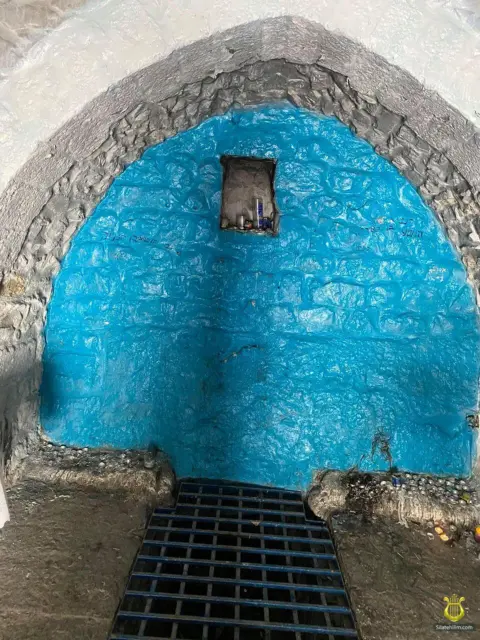
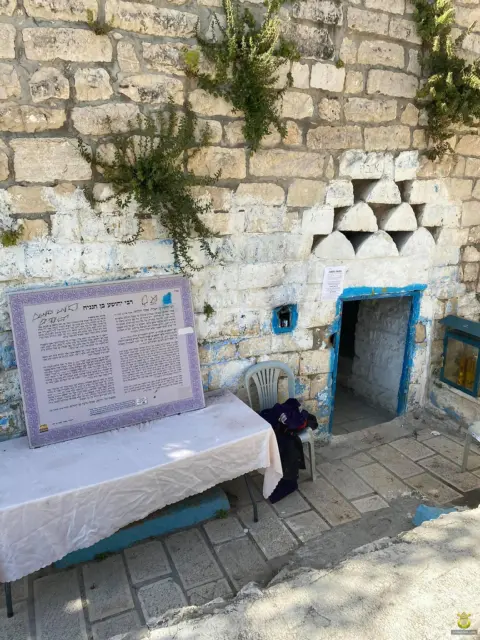
Grave
Yehoshua ben Chananya
Tana
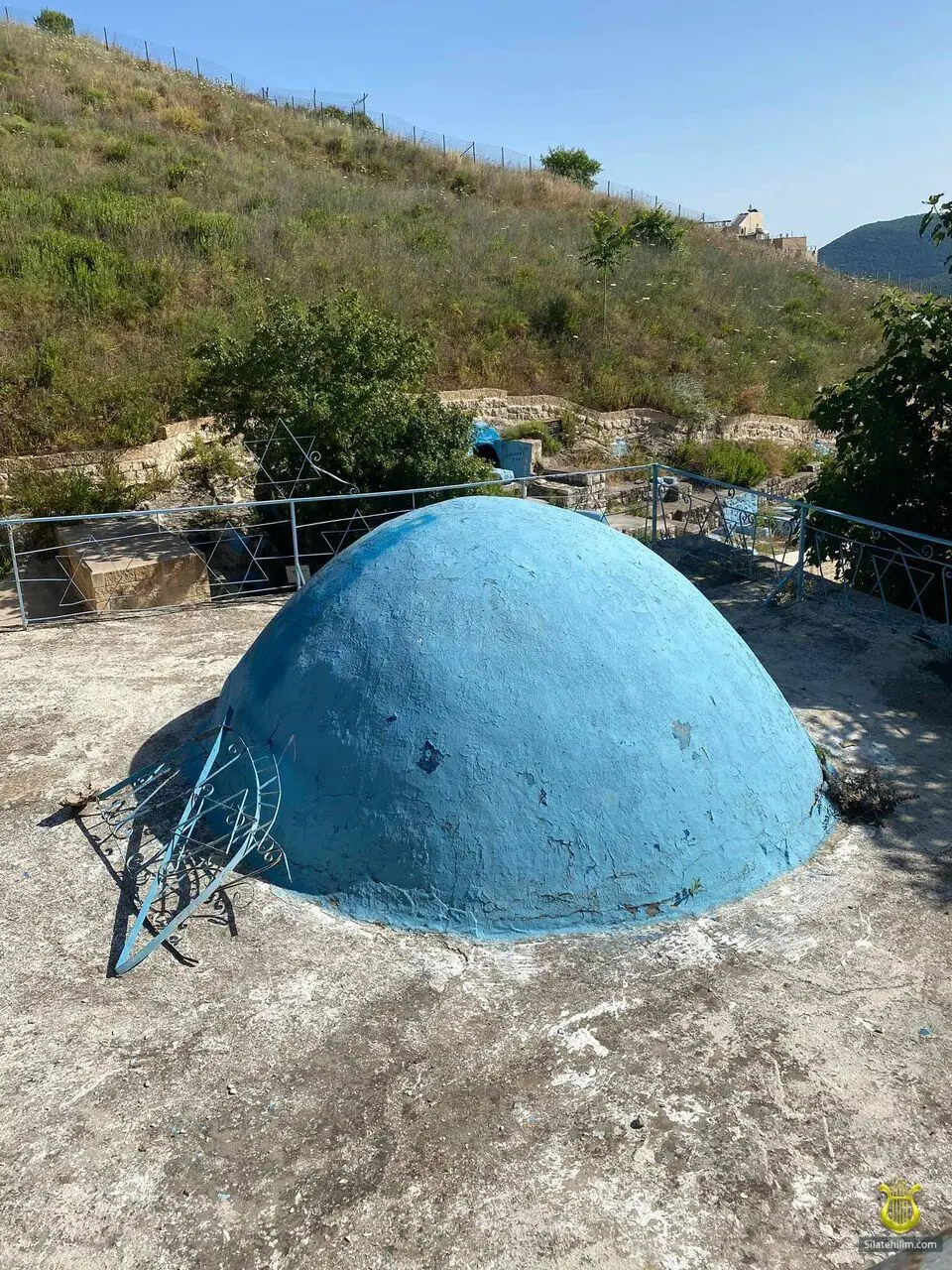
Rabbi Yehoshua ben Chananya was a Tana of the 2nd generation, frequently mentioned in the Mishnah.
He was one of the five primary students of Rabbi Yochanan ben Zakkai. His name is often mentioned in the Mishnah as "Rebbi Yehoshua." Rabbi Yehoshua was a Levite and served as a musician in the 2nd Temple. Fleeing the destruction of Jerusalem together with his teacher, he went on to serve as Av Beit Din of the Sanhedrin in Yavneh and Rosh Yeshiva in Peki'in.
Rabbi Yehoshua was known for his tolerance toward gentiles and believed that if they were righteous and God-fearing, they could merit a place in the World to Come.
The Talmud tells us that it was he who transmitted the hidden knowledge he received from his teacher, Rabbi Akiva. Rabbi Yehoshua was known for his humility and earned his living through a trade.
21 Days - Eggs and Goat Cheese
In those days, debates with the Romans were common, and winning them could bring relief for Am Yisrael. It was Rabbi Yehoshua who was most often chosen to represent the Jewish people in this role.
Rabbi Yehoshua ben Chananya was tasked with taking part in a debate with the Athenian sages - a closed sect that was impossible to infiltrate. Winning the debate with the Athenian sages would give Rabbi Yehoshua a chance to plead with Emperor Hadrian for relief for the Jewish people. By cleverly infiltrating the sages' stronghold, Rabbi Yehoshua put his own life at risk.
Under threat of death, he was posed a question.
The Athenian sages showed him two chicken eggs and demanded he answer:
"Which of these was laid by a white hen, and which by a black hen?"
In response, Rabbi Yehoshua took out from his bag two heads of goat cheese and said he would answer their question after the sages determined which cheese was made from the milk of a white goat, and which from the milk of a black one.
One might ask why the Talmud tells us about this debate at all. What difference does it make between white and black goats and hens?
The great Maharsha explains the hidden meaning behind this debate.
The time it takes for an egg to develop inside a hen's body is exactly 21 days - the same number of days as from the 17th of Tammuz to the 9th of Av. The Athenian sages said to Rabbi Yehoshua: "The Creator has forsaken the chosen people. From the 17th of Tammuz, when Moshe saw the golden calf and broke the tablets of the covenant, the bond between the Jews and G-d came to an end. The hen turned from white to black. Now, forever, these three weeks will symbolize troubles and misfortune for the Jews. It is no coincidence that both Temples were destroyed specifically on the 9th of Av, and that many calamities have befallen the Jewish people on this day throughout the generations."
But the wise Rabbi Yehoshua answered: on Yom Kippur - the day of atonement for the Jewish people - two goats were brought to the High Kohen. One was offered as a sin offering, while the other was cast off a cliff - a sacrifice to Azazel. Yet even this "black goat" had a ribbon tied to its horns which, before the eyes of the entire nation, turned from blood-red to white - a sign that the Jewish people had been forgiven. This means that the black hen, too, is destined to become white.
Rabbi Yehoshua ben Chananya teaches that there are not only 21 days between the 17th of Tammuz and the 9th of Av - the "dark" days of Jewish history - but also 21 days between Rosh Hashanah and Hoshana Rabbah - the "light" days for the Jewish people, a time of spiritual purification, forgiveness, and atonement for sins.
Rabbi Yehoshua ben Chananya teaches us that the period from the 17th of Tammuz to the 9th of Av will soon become a great Chol HaMoed, a period between two festivals. The 9th of Av is not only a day of tragedy, but also the day of the birth and revelation of Mashiach in our world.
May Mashiach come soon, so that we may celebrate the rebuilding of the Third, eternal Temple in Jerusalem.
Rabbi Yishmael in Rome
Rabbi Yishmael was extraordinarily handsome and wise, and as a young boy he was taken to Rome. The great Rabbi Yehoshua ben Chananya, while in Rome, learned that a Jewish boy was being held captive in that city. He passed by the place where the boy was being held and called out: "Who gave Yaakov over to plunder, and Israel to the robbers?", quoting a verse from the prophet Yeshayahu (42:24). The boy immediately answered him: "Was it not the L-rd, against whom we have sinned, and in whose ways we would not walk?" - quoting the prophet's words from the second half of the same verse. Rabbi Yehoshua did everything he could to redeem this boy, saying: "I am certain that this boy will grow up to become one of the greatest sages." (Gittin 58a)
Rabbi Yishmael became a student of the great Rabbi Nechunya ben Hakana, author of the kabbalistic work "Sefer HaBahir" and of the prayer "Ana BeKoach."
Rabbi Yishmael had a special love for the mitzvah of Hachnasat Kallah (helping brides). He would say: "The daughters of Israel are truly beautiful, but their poverty makes them appear plain." When Rabbi Yishmael passed away, all the daughters of Israel mourned his death. (Nedarim 66a-b)
Gallery