14 Iyar – The Secret of Pesach Sheni and the Seven Days of Et Ratzon
14 Iyar – The Secret of Pesach Sheni and the Seven Days of Et Ratzon
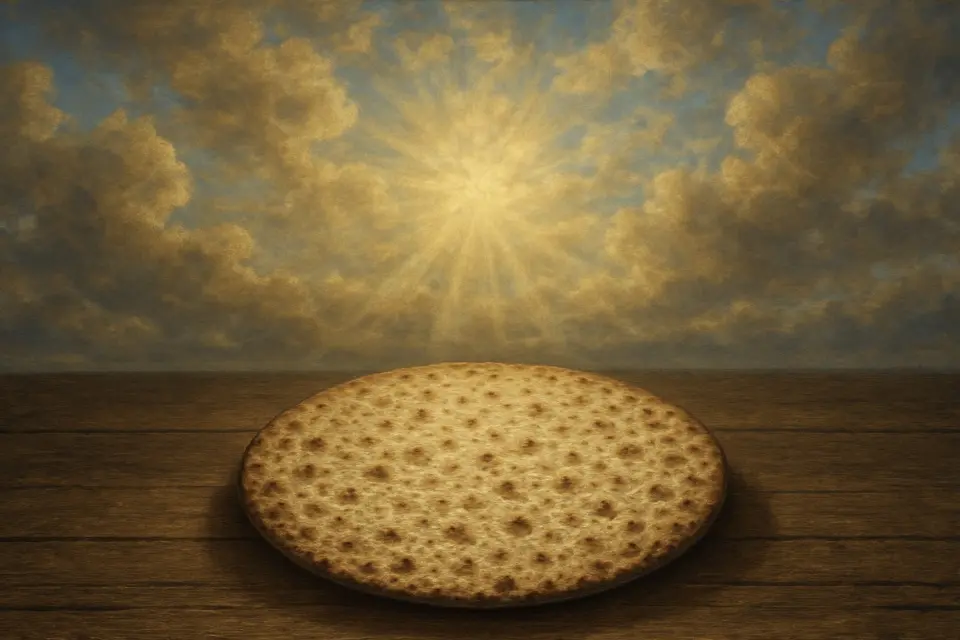
Pesach Sheni (the Second Passover) is observed on 14 Iyar, exactly one month after the eve of the regular Pesach, and lasts for one day. In Temple times, anyone who had been ritually impure or was traveling during Pesach could bring the Passover offering on this day.
But there is a great secret concerning the seven days following Pesach Sheni.
The seven days—14, 15, 16, 17, 18, 19, and 20 Iyar—are days of Et Ratzon (a time of special Divine favor).
The Zohar HaKadosh, Raya Meheimna, on Parshat Beha'alotcha (folio 153a), states:
“Throughout all these 30 days, from the day Israel left Egypt, beginning with Pesach, the Queen sits in her crown, and all her hosts rejoice. Whoever wishes to see the Queen may see her. The herald announces: ‘Anyone who was unable to see the Queen, let him come and see her before the gates close!’”
What does the herald announce?
On the 14th day of the second month and for the seven days following it, the gates are open.
Afterward, following the seventh day, the gates close.
The Queen refers to the Shechinah—the Divine Presence, the revelation of the Creator in our world.
From these words, it is clear that Pesach Sheni is a time when anyone can bring his or her prayers closer to G-d.
However, it should be noted that according to the Zohar HaKadosh, Pesach Rishon (the First Passover, observed in the month of Nisan) represents the right side, that is, Chesed (Mercy), while Pesach Sheni (the Second Passover, on 14 Iyar) represents the left side, that is, Gevurah (Judgment).
The book Shaarei Et Ratzon (Gates of Favorable Time), citing the Zohar HaKadosh, states that during these seven days the gates of the Heavenly Palace (Heichal Ratzon) are open, and there are not even veils at its gates.
It is interesting that 14 Iyar is also the yahrzeit of the great tzadik Rabbi Meir Baal HaNes.
In addition, Lag BaOmer (the 33rd day of the Counting of the Omer)—the hilula of Rabbi Shimon bar Yochai—falls during these days.
It is interesting that the yahrzeit of a tzadik is also an Et Ratzon.
(Based on the book by Alexander Tzvi Sypkov, Tov BeEinei Hashem (Good in the Eyes of Hashem))
Was this helpful?
99% of readers found this article helpful (88 votes).
Please note: some articles on our site contain the holy Names of the Almighty. If you print these articles, they may not be thrown away or destroyed. Please handle printed copies with care and respect.
Material from our site may be copied for the purpose of spreading Torah, provided a link to Silatehilim.com is included. Any use of the site's material in print publications or for commercial purposes is prohibited without the rights holder's consent.