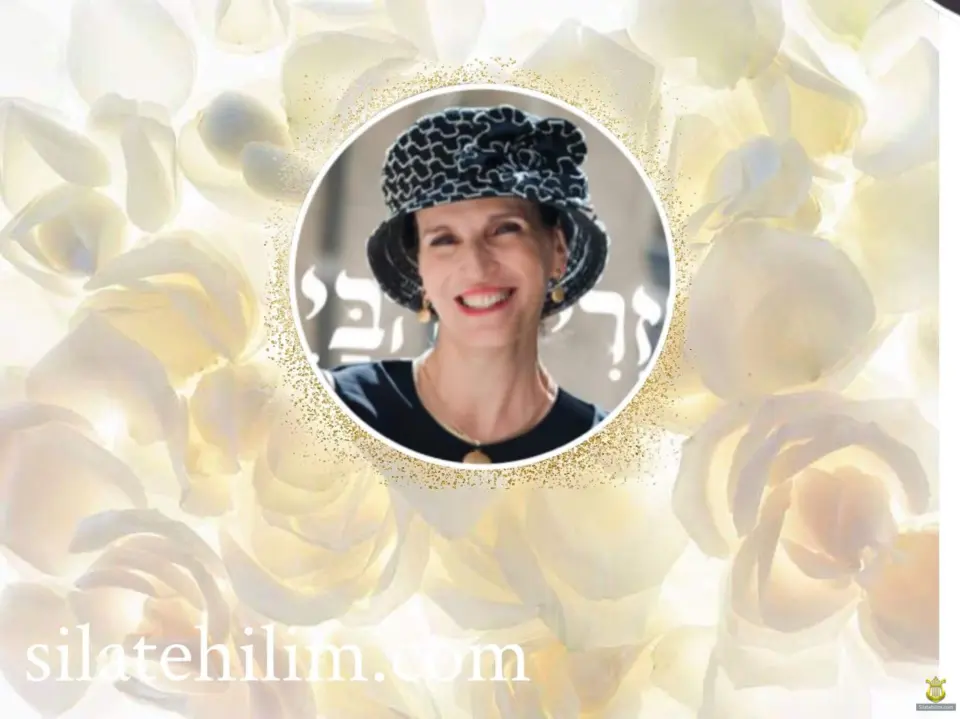
10 Segulot for Lag BaOmer by Rabbanit Yemima Mizrachi
10 Segulot for Lag BaOmer by Rabbanit Yemima Mizrachi
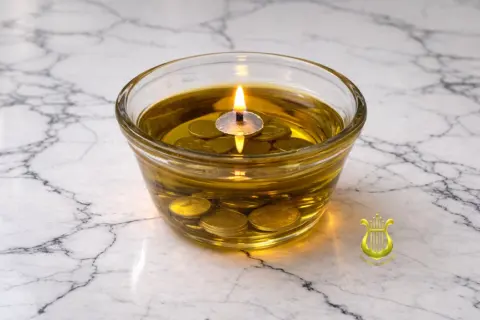
1) 17 Candles
There is a custom to light 17 candles on Lag BaOmer. From Lag BaOmer (the 33rd day) until Shavuot (the 50th day), there are exactly 17 blessed days.
When lighting the candles, one should pray that these days be filled with the Light of Ha-Shem.
2) Finding One's Match
As the Admor of Sochatchov said, this is the very day to pray to find a worthy spouse, as well as a worthy spouse for one's children. Rashbi himself married on Lag BaOmer—18 Iyar!
3) Torah Study
HaPri Tzadik writes: “Every year, when the time of Lag BaOmer arrives, each person can merit, according to his or her ability, attaining an understanding of the Torah learning that descends on this day. Therefore, it is customary to increase one's Torah study on this day, because this day is filled with light and joy, and with awe of the fire of Rabbi Shimon. This is a necessary combination for a student. Fear and awe enhance receptivity to one's teacher, along with light and joy.”
4) Housing
Pray for a home (an apartment or dwelling). It is said that no one wandered as much as Rashbi: “He lived in Yavneh, he lived in Usha, he lived in Tekoa, he lived in Bnei Brak, he hid in the beit midrash, he hid in a cave—where did this man not live?”
When asking for housing, an apartment, or a home, say:
“Master of the Universe, I ask for a good, comfortable, beautiful, and spacious home with a wonderful view from the window.”
Ha-Shem asks Rashbi, and Rashbi replies:
“I know what it means to wander from house to house; give him a worthy dwelling.”
5) Having Children
This is a wonderful opportunity to pray for children—for zera kodesh bar kayama. For this segula, one should acquire a bow and arrows, as it says in Tehillim (127:4): “Like arrows in the hand of a warrior, so are the children of one's youth.”
Maharal of Prague teaches: “The acronym of the word ‘arrow’—‘keshet’ (קשת)—is ‘locks—black—curls’ (קווצותיו- שחורות -תלתלים).” Therefore, one should make the following promise: “With G-d's help, bli neder, I promise that when my son turns three, I will bring him here and perform the ‘chalakeh’ ceremony with him (the traditional haircut for a three-year-old boy on Mount Meron).
6) “Chai Rotel”
This is a very well-known segula: to send 54 bottles of beverages (one liter each) to Mount Meron during the Lag BaOmer celebrations. It does not matter what they are—mineral water or orange juice. Those experiencing financial difficulties may make do with the children's drink “Tropit.” Ideally, of course, people would send wine in bottles of three liters each—18 bottles, totaling 54 liters of wine.
One may send (or bring personally) either the bottles themselves or money as a donation so that someone else can purchase the beverages and bring them to the site. When someone at Meron during the celebration becomes thirsty, opens one of these bottles, recites a blessing over it, and drinks, Rabbi Shimon bar Yochai blesses, at that very moment, the person who sent the beverages with the “guest's blessing” from Birkat HaMazon. Thus, when we send beverages to Mount Meron, we fulfill the mitzvah of hospitality and quench a person's thirst. This act can bring salvation from great troubles and deliverance from major calamities!
The mitzvah of hospitality has a unique power to revive the dead. The mother of Habakkuk—G-d forbid that anyone should ever suffer such grief—lost her son. “Please revive my child,” she asked the prophet, and she gave him something to drink. The drink she gave Elisha before he came to revive her child was the very means through which salvation and revival came about.
There is a well-known story about a woman who sent several bottles of beverages to Meron every year (she could not afford all 54 liters).
After waiting 12 years, she gave birth to a son named Ben Yochai; six years later, she gave birth to a son named Shimon; and two years after that, to a daughter named Hod. This was because Lag BaOmer is the day of Hod shebeHod, according to the counting of the Omer.
7) Parnassah
It is very important to pray for parnassah. In the higher worlds, Rashbi is the tzadik responsible for parnassah. The first time the manna descended for the Jewish people was precisely on Lag BaOmer—18 Iyar. This is the ideal time to pray for a livelihood and abundance.
8) Tehillim 67
Read Chapter 67 of Tehillim seven times consecutively (this psalm is associated with blessing in the counting of the Omer).
9) Be Joyful
One should not be sad on Lag BaOmer. Lag BaOmer always falls on the same day of the week as Purim. In other words, it has the power to turn everything around for the better.
10) Prayer for Children
Pray for proper and positive upbringing for one's children—for the ability to be good, wise parents who not only exercise authority over their children but also know how to compromise.
May we merit, with G-d's help, in the merit of the holy tzadik Rabbi Shimon bar Yochai—may his memory be a blessing. Amen!
(Translated by Ila Tova Shlisser)
Was this helpful?
100% of readers found this article helpful (203 votes).
Please note: some articles on our site contain the holy Names of the Almighty. If you print these articles, they may not be thrown away or destroyed. Please handle printed copies with care and respect.
Tags: Segulot, Lag BaOmer, Rabbanit Yemima Mizrachi, Rabbi Shimon bar Yochai, Rashbi, Lag BaOmer Segulot, Lag BaOmer Segulot by Rabbanit Yamima Mizrachi, 10 Segulot for Lag BaOmer by Rabbanit Yemima Mizrachi, Segulot of Rabbanit Yemima Mizrachi