Shabbat After Pesach – Shabbat Mafteach – The Power of the 7 Shabbatot Before Shavuot
Shabbat After Pesach – Shabbat Mafteach – The Power of the 7 Shabbatot Before Shavuot
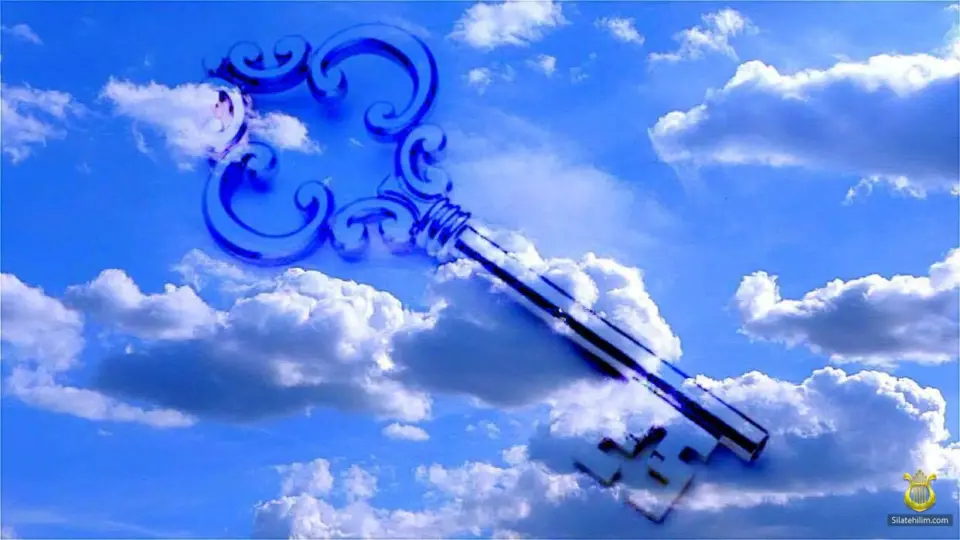
The Shabbat after Pesach, which is Shabbat Mevarchim, is called by our Chazal Shabbat Mafteach (the Shabbat of unlocking) – שבתמפתח.
Beit Avraham of Slonim (zt”l) says that there is a dispute among the Sages in the Gemara. Some say that if the Jewish people observe two consecutive Shabbatot, Mashiach will come, while others say that if even one Shabbat is properly observed, Mashiach will already come.
Beit Avraham of Slonim explains that the Gemara is referring to the Shabbatot that fall during the 49 days of the Omer, of which there are 7.
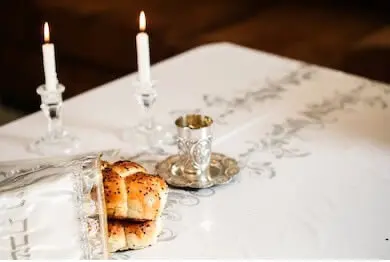
Every Shabbat that is properly observed, together with all the mitzvot associated with that Shabbat, such as lighting candles, making Kiddush, and so on, doubles the merit of every other Shabbat. Therefore, one Shabbat that is properly observed during the weeks of the Omer is considered as two Shabbatot.
The upcoming Shabbat falls within these 7 weeks and is considered a great Shabbat, filled with shefa – abundance.
This is the first Shabbat after the revelation of Yam Suf on the seventh day of Pesach.
Parnasah and zivugim are known to be as difficult as the splitting of the sea, but now the sea has parted. In addition, it is customary on this Shabbat to bake challah in the shape of a key. Thus, we are “holding” the key—our challah—and are now ready to receive blessings of abundance from G-d.
This Shabbat is of great significance, and everyone should make an extra effort to honor Shabbat as well as possible.
It is important to enjoy Shabbat. In general, honoring Shabbat is what brings us blessing and abundance for the week. Everything you do in honor of Shabbat increases the amount of blessing you receive.
The holy Zohar writes that when a person sets their table for Shabbat, thousands of angels, together with the Shechinah, descend to the table. The Shechinah blesses the table, and the thousands of angels respond, “Amen.” This happens every Shabbat, and even more so on this Shabbat, when we hold the Key to Shamayim in our hands.
This is precisely why we bake challah in the shape of a key for this Shabbat.
According to Kabbalah and many tzadikim, this segula is highly significant and can bring an infinite amount of abundance.
Similarly, when we say «פותח את ידך» (Poteach et yadecha) and open our hands, symbolically hinting at the parnasah for which we ask, on this Shabbat as well we invite abundance from Shamayim through the custom of baking challah in the shape of a key.
The Shabbat after Pesach is Shabbat Mevarchim, when we bless the month of Iyar.
Iyar was the month during which the manna began to descend for the Jews in the wilderness.
Manna is a symbol of sustenance and parnasah.
After Pesach, a new cycle of time begins, and we ask G-d to bless us with sustenance and everything we need in abundance for the coming year.
The key-shaped challah symbolizes our readiness in this world to open the gates of abundance, as well as our request that Hashem do the same in Shamayim.
Rabbi Yisrael of Apt (zt”l) said that Shabbat Mevarchim for the month of Iyar is a great segula for parnasah.
The numerical value (gematria) of the words Parnasah + Manna + Challah equals “key”:
פרנסה + מן + חלה = מפתח(Based on a lesson by the Gaon Rabbi Raphael Avitan)
Was this helpful?
100% of readers found this article helpful (71 votes).
Please note: some articles on our site contain the holy Names of the Almighty. If you print these articles, they may not be thrown away or destroyed. Please handle printed copies with care and respect.
Material from our site may be copied for the purpose of spreading Torah, provided a link to Silatehilim.com is included. Any use of the site's material in print publications or for commercial purposes is prohibited without the rights holder's consent.