Skip to content
This English version of the site was translated with AI assistance. We apologise for any errors and are working to improve it.
Tehillim 122—Why Jewish Surnames Ended in “-i”
The Hidden Meaning of Tehillim

Tehillim 122—Why Jewish Surnames Ended in “-i”

Tehillim 122, or Why Jewish Surnames Ended in “-i”

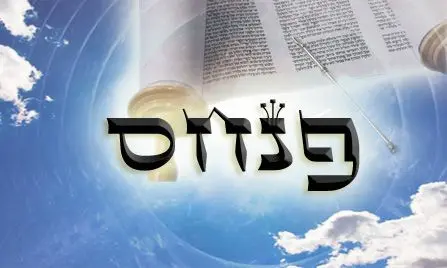
Tehillim 122:4 שִׁבְטֵי־יָ֭הּ עֵד֣וּת לְיִשְׂרָאֵ֑ל - “Shivtei Yah—edut le-Yisrael” - (The tribes of the L-rd—a testimony for Yisrael); Zohar HaKadosh teaches that the letter י “yud” was added to the name Pinchas, and the letter ה “hei” to the name Yosef: “Edut bi-HaYosef samo be-tzeto al eretz Mitzrayim”—(a testimony concerning Yosef, given when he rose above Mitzrayim) (Tehillim 81:6), because both of them were zealous in observing the prohibition against relations with non-Jewish women. Pinchas killed Zimri, while Yosef resisted Potiphar’s wife’s persistent advances. This sheds light on Rashi’s explanation of why each tribal name included in the census consisted of the names of their fathers’ fathers (family names), with the addition of ה “hei” at the beginning of the name and י “yud” at the end. Rashi explains (Pinchas 22:5) that the nations taunted the Jews, saying: “How can they establish their lineage according to their tribes? Do they really think that the Egyptians did not rule over their mothers? If they ruled over them, then surely they ruled over their wives as well.” Therefore, the Holy One, blessed be He, placed His Name upon them—ה “hei” on one side (at the beginning of the name) and י “yud” on the other (at the end of the name)—thereby saying: “I testify concerning them that they are indeed the sons of their fathers.” And this is the meaning of what David HaMelech said: “The tribes of the L-rd, a testimony for Yisrael.” This Name of Hashem testifies concerning them. The tribes were listed as follows: ...הראובני ... השמעני (Bamidbar 26:7, 14) (with ה “hei” at the beginning and י “yud” at the end). However, in the case of Imnah (Pinchas 26:44), there was no need to say “the family of the Imnite,” because the Name of the Most High was already associated with him—י “yud” at the beginning and ה “hei” at the end. (Rashi on Pinchas 26:5, based on the Midrash “Pesikta de-Rav Kahana”)

Was this helpful?

100% of readers found this article helpful (37 votes).

Please note: some articles on our site contain the holy Names of the Almighty. If you print these articles, they may not be thrown away or destroyed. Please handle printed copies with care and respect.

Tags: The Hidden Meaning of Tehillim, Jewish surnames, Parashat "Pinchas", Why Did Traditionally Jewish Surnames End in “-i”? , Tehillim 122, Tehillim 122, or Why Traditional Jewish Surnames Ended in “-i”

03 Jul 2018
Share

Related articles