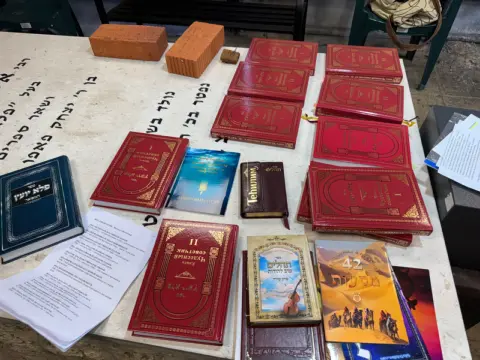
Stories of Tehillim – for the Yahrzeit of Rabbanit Batsheva Kanievsky
A young woman came to Rabbanit Batsheva Kanievsky, having decided to marry a non-Jew. Those who wanted to dissuade her from taking this step unsuccessfully sought help from many rabbis, but no one was able to help. They brought her to Rabbanit Kanievsky, who was their last hope for persuading the young woman not to violate the Torah.
The Rabbanit treated her with great warmth. She explained the special role of the Jewish people in serving G-d and the happiness that awaited her if she married a Jew—especially one who studied and observed the Torah. But when Rabbanit Kanievsky saw that her words were having no effect on the young woman, she began to cry.
The young woman asked why she was crying and heard this reply: “Because I have not merited revealing the truth to you.”
Seeing the love with which the Rabbanit treated her, the young woman felt embarrassed and said: “I feel bad taking up your time. I see how warmly you have responded to my situation, so I am willing to undertake the observance of one mitzvah.”
The Rabbanit began thinking about which mitzvah to ask the young woman to undertake—something that would not be difficult and that, in the future, could help her return to G-d.
She asked the young woman to take upon herself one of the Psalms of King David and recite it every day without missing a single day. The young woman agreed. The Rabbanit then took a book of Tehillim and said:
“I want us to recite this Psalm together the first time.”
She opened the book of Tehillim at random—it was Psalm 43. They began reading the first verse, when the young woman suddenly burst into tears. The Rabbanit asked her why she had suddenly begun to cry and what had happened.
The young woman quoted the verse:
שָׁפְטֵ֤נִי אֱלֹהִ֨ים ׀ וְרִ֘יבָ֤ה רִיבִ֗י מִגּ֥וֹי לֹא־חָסִ֑יד מֵ֤אִישׁ־מִרְמָ֖ה וְעַוְלָ֣ה תְפַלְּטֵֽנִי
“Shof'teni Elohim ve-rivah rivi, mi-goy lo chasid, me-ish mirmah ve-avlah tefaltieni”
(judge me, O G-d, and plead my case against an ungodly nation; deliver me from a deceitful and unjust man).
“Rabbanit does not know my name. My name is Rivah. My name is written in this verse in the words ‘ve-rivah rivi’ (and plead my case). When I saw you take the book of Tehillim, open it at random, and read my name along with the words ‘deliver me from a deceitful and malicious man,’ I understood everything. I am sorry that I was so mistaken. I will remain faithful to G-d and to my people.”
“Ein od milvado,” concluded Rabbanit Batsheva—“There is none besides Him; You alone are the Father.”
(Based on the book Meir Oz by Rabbi Meir Arva—retold by Rabbi Moshe Abramovich)
Was this helpful?
100% of readers found this article helpful (31 votes).
Please note: some articles on our site contain the holy Names of the Almighty. If you print these articles, they may not be thrown away or destroyed. Please handle printed copies with care and respect.