The Prayer Before Lighting the Hanukkah Candles by Bnei Yissaschar
The Special Prayer Before Lighting the Hanukkah Candles by Bnei Yissaschar
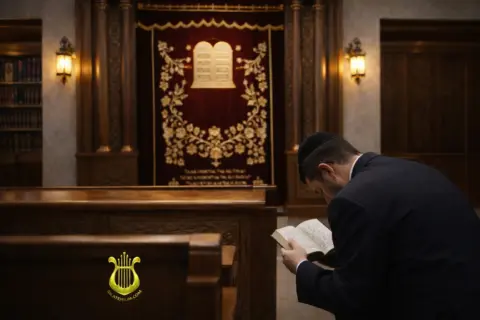
The great Kabbalist, Rabbi Tzvi Elimelech of Dinov, author of Bnei Yissaschar, whose works are studied in yeshivot throughout the world, composed a special prayer to be recited before lighting the Hanukkah candles.
Bnei Yissaschar writes that one of the holiest books—the holy Zohar—avoids discussing Hanukkah, mentioning it only twice and even then only in passing: in the Zohar Chadash (248) and in the Tikkunei Zohar (29).
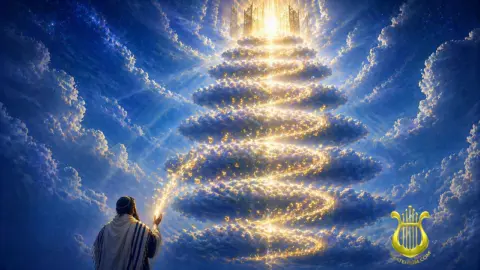
Through the works of the giants of Torah—Rabbi Eliezer HaRokeach, the Maharal of Prague, and Rabbi Pinchas of Koretz—Rabbi Tzvi Elimelech of Dinov reveals that during Hanukkah, through the light of the Hanukkah candles, the Or HaGanuz comes to us—the light created on the first day of Creation, through which it was possible to see “the entire world, from one end to the other.” The L-rd then concealed this light so that it would not fall into the hands of the wicked, but in the future it will be revealed to the righteous as a reward for their righteousness.
Where is this light found today?
From the Ba'al Shem Tov we know that it is found in the Torah, and that even today a tzadik may merit it through the study of holy books. Rabbi Pinchas of Koretz explains that this is why the Babylonian Talmud contains exactly 36 tractates—the number of hours during which this light existed before it was concealed.
Bnei Yissaschar cites the very passage from the holy Zohar in which the word “Hanukkah” is mentioned in passing. It says that the punishment of the wicked in Gehinnom lasts for a year: half of that time in fire and half in cold. But those who possess the merit of fulfilling a number of mitzvot are protected from this punishment.
What mitzvot are these?
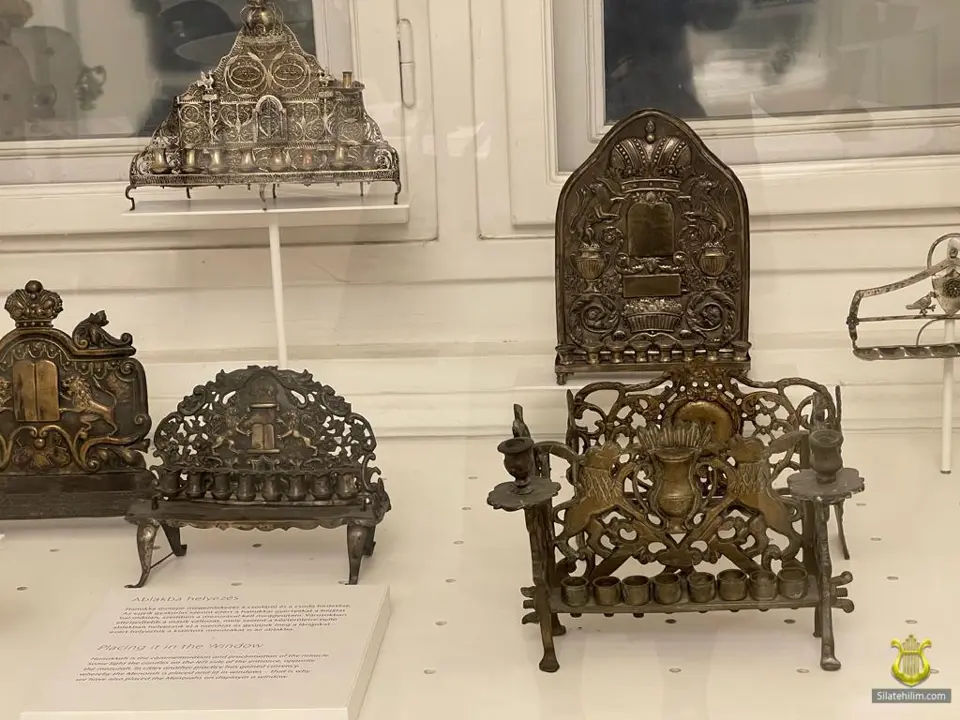
The Zohar names several pairs of mitzvot that protect a person from Gehinnom. One such pair is the mezuzah and the Hanukkah candles. Halachah establishes that the hanukkiah should be placed opposite the mezuzah, so that the mezuzah is on the right of the person entering, and the Hanukkah candles are on the left.
By virtue of these two mitzvot, one can be saved from Gehinnom and merit the light of the Or HaGanuz.
תפילה מהגה"ק רבי צבי אלימלך מדינוב בעל בני יששכר זצוק"ללְשֵׁם יִחוּד קֻדְשָׁא בְּרִיךְ הוּא וּשְׁכִינְתֵּהּ, בִּדְחִילוּ וּרְחִימוּ וּרְחִימוּ וּדְחִילוּ, לְיַחֵד שֵׁם י"ה בְּו"ה בְּיִחוּדָא שְׁלִים בְּשֵׁם כָּל יִשְׂרָאֵל. הִנְנִי מְכַוֵּן בְּהַדְלָקַת נֵר חֲנוּכָּה לְקַיֵם מִצְוַת בּוֹרְאִי כַּאֲשֶׁר צִוּוּנִי חֲכָמֵינוּ ז"ל לְתַקֵּן אֶת שׁוֹרְשָׁה בְּמָקוֹם עֶלְיוֹן:וּבְכֵן יְהִי רָצוֹן מִלְפָנֶיךָ יְיָ אֱלֹהֵינוּ וֵאלֹהֵי אֲבוֹתֵינוּ שֶׁתְּהֵא חֲשׁוּבָה וּמְקֻבֶּלֶת וּמְרֻצָּה לְפָנֶיךָ מִצְוַת הַדְלָקַת נֵר חֲנוּכָּה כְּאִלּוּ כִּוַּנְתִּי כָּל הַכַּוָּנוֹת שֶׁכִּוְּנוּ הַכֹּהֲנִים מְשָׁרְתֵי הַשֵׁם בְּעֵת אֲשֶׁר הֶעֱרוּ לַמָּוֶת נַפְשָׁם בִּשְׁבִיל כְּבוֹד שִׁמְךָ הַגָדוֹל הַגִּבּוֹר וְהַנּוֹרָא. וְאַתָּה בְּרַחֲמֶיךָ הָרַבִּים עוֹרַרְתָּ נִצְחֲךָ עֲלֵיהֶם לְנַצֵּחַ אֶת אוֹיְבֵיהֶם וּלְנַצֵּחַ עַל מֶלֶאכֶת בֵּית יְיָ, וְהִנְנִי עוֹשֶׂה עַל דַּעְתָּם וְעַל כַּוָּנָתָם וְעַל דַּעַת כָּל הַצַדִּיקִים וְהַחֲסִידִים שֶׁהָיוּ בְּאוֹתוֹ הַדּוֹר שֶׁהִשְׁפַּעְתָּ לָהֶם נִסֶּיךָ וְזָכוּ לֵאוֹר בְּאוֹר הַחַיִּים, וְעַל דַּעַת כָּל הַצַּדִיקִים וְהַחֲסִידִים שֶׁבְּדוֹרוֹתֵינוּ, וּפִי כְפִיהֶם וַעֲשִׂיָּתִי כַּעֲשִׂיָּתָם, וּבִזְכוּת הַמִּצְוָה הַזֹּאת תְּזַכֵּנוּ לְנַצֵּחַ אֶת אוֹיְבֵינוּ וּלְנַצֵּחַ עַל מֶלֶאכֶת בֵּית יְיָ, וְגַלֵּה כְבוֹד מַלְכוּתְךָ עָלֵינוּ מְהֵרָה וְלֹא יָמוּשׁ הַתּוֹרָה מִפִּינוּ וּמִפִּי זַרְעֵינוּ וּמִפִּי זֶרַע זַרְעֵינוּ מֵעַתָּה וְעַד עוֹלָם, וְנִזְכֶּה לְבָנִים תַּלְמִידֵי חֲכָמִים אָמֵן כֵּן יְהִי רָצוֹן. קַדְּשֵׁנוּ בְּמִצְוֹתֶיךָ וְתֵן חֶלְקֵנוּ בְּתוֹרָתֶךָ שַׂבְּעֵנוּ מִטּוּבֶךָ וְשַׂמַּח נַפְשֵׁנוּ בִּישׁוּעָתֶךָ וְטַהֵר לִבֵּנוּ לְעָבְדְךָ בֶּאֱמֶת. מְלֹךְ עַל כָּל הָעוֹלָם כֻּלוֹ בִּכְבוֹדֶךָ וְהִנָּשֵׂא עַל כָּל הָאָרֶץ בִּיקָרֶךָ וְהוֹפַע בַּהֲדַר גְּאוֹן עֻזֶּךָ עַל כָּל יוֹשְׁבֵי תֵבֵל אַרְצֶךָ, וְיֵדַע כָּל פָּעוּל כִּי אַתָּה פְעַלְתּוֹ וְיָבִין כָּל יְצִיר כִּי אַתָּה יְצַרְתּוֹ וְיֹאמַר כֹּל אֲשֶׁר נְשָׁמָה בְאַפּ"וֹ (בגי' חנוכ"ה) יְהֹוָ"ה אֱלֹהֵ"י יִשְׂרָאֵ"ל מֶלֶ"ךְ וּמַלְכוּת"וֹ בַּכּ"ל מָשָׁלָ"ה (בגי' כ"ו פעמים חנ"ה אותיות חנוכ"ה, ובגי' מתתיה"ו ב"ן יוחנ"ן כה"ן גדו"ל חשמנא"י ובני"ו). אָמֵן נֶצַח סֶלָה וָעֶדTransliteration
“LeShem Yichud Kudsha Brich Hu u-Shechintei
Bidchilu u-Rechimu, Rechimu u-Dchilu,
LeYached Shem ‘Yud,’ ‘Keh,’ ve-‘Vav,’ ‘Keh,’
be-Yichuda Shelim, be-Shem Kol Yisrael,
Hineni mechaven be-hadlakot Ner Hanukkah
le-kayem mitzvat Borei ka-asher tzivuni Chachameinu
zichronam livrachah le-taken et shorshah bi-Makom Elyon.
Uvechen yehi ratzon milfanecha Ad-nai Eloheinu ve-Elohei Avoteinu she-tehei chashuvah u-mekubelet u-merutzah lefanecha mitzvat hadlakat Ner Hanukkah, ke-ilu kivanti kol ha-kavanot she-kivnu ha-kohanim mesharthei Ha-Shem be-et asher he'eru la-mavet nafsham bishvil kevod Shimcha ha-Gadol, ha-Gibor ve-ha-Nora.
Ve-Atah be-rachamecha ha-rabim orarta Netzachcha aleihem le-natzeach et oyeveihem u-le-natzeach al melechet Beit Ha-Shem, ve-hineni oseh al da'atam ve-al kavanatam, ve-al da'at kol ha-tzadikim ve-ha-chasidim she-hayu be-oto ha-dor she-hishpata lahem nisecha ve-zachu le-or be-Or ha-Chayim, ve-al da'at kol ha-tzadikim ve-ha-chasidim she-be-doroteinu, u-fi khefihem va-asiyati ka-asiyatam, u-vizchut ha-mitzvah ha-zot tezakeinu le-natzeach et oyeveinu u-le-natzeach al melechet Beit Ha-Shem, ve-galeh kevod malchutecha aleinu meherah ve-lo yamush ha-Torah mi-pinu, u-mi-pi zar'einu, u-mi-pi zera zar'einu me-atah ve-ad olam, ve-nizkeh le-vanim talmidei chachamim. Amen ken yehi ratzon.
Kadesheinu be-mitzvotecha ve-ten chelkeinu be-Toratecha, sab'einu mi-tuvecha ve-samach nafsheinu bi-shuatecha, ve-taheir libeinu le-ovdecha be-emet. Meloch al kol ha-olam kulo bi-chvodecha ve-hinasei al kol ha-aretz bi-yikarecha, ve-hofa be-hadar ge'on uzecha al kol yoshvei tevel artzecha, ve-yeda kol pa'ul ki Atah pe'alto, ve-yavin kol yetzur ki Atah yetzarto, ve-yomar kol asher neshamah be-apo, Ad-nai Elohei Yisrael Melech u-malchuto ba-kol mashalah. Amen Netzach Selah va-ed!
TranslationFor the sake of uniting the Holy One, blessed be He, and His Shechinah, with awe and love, with love and awe, to unite the Name “Yud-Kei” with “Vav-Kei” in perfect unity, in the name of all Israel.Behold, as I light the Hanukkah candle, I intend to fulfill the mitzvah of my Creator, as our Sages, of blessed memory, instructed me, in order to rectify its supernal root.May it be Your will, G-d, our G-d and the G-d of our fathers, that the mitzvah of lighting the Hanukkah candle be precious, accepted, and pleasing before You, as though I had all the kavanot intended by the kohanim, the servants of G-d, when they risked their lives for the sake of the glory of Your great, mighty, and awesome Name.And You, in Your abundant mercy, awakened Your attribute of Netzach within them, enabling them to defeat their enemies and complete the work of the House of G-d.Behold, I undertake to act according to their understanding and intention, and according to the understanding of all the righteousand pious people of that generation, when You bestowed Your miracles upon them and they merited the light of the Light of Life. And according to the understanding of all the righteous and pious people of our generations.My mouth is like their mouths, and my deeds are like their deeds.And in the merit of this mitzvah, may You grant us victory over our enemies and enable us to rebuild the House of G-d!Reveal to us the glory of Your kingdom, and may the Torah never depart from our mouths, from the mouths of our children, or from the mouths of our children's children!Reign over the entire world in Your glory, and be exalted over all the earth in Your majesty; reveal the splendor of the glory of Your might over all who dwell in Your world!And let every created being know that You created it.And let every creature understand that You formed it.And let everyone who has the breath of life within him say: “G-d, the G-d of Israel, is King, and His sovereignty is unlimited!”Amen! Netzach, Selah va-ed.(After this prayer, the blessings are recited before lighting the Hanukkah candles.)(Based on the book “At the Festive Table” by Rabbi Yaakov Doktor)
Was this helpful?
100% of readers found this article helpful (169 votes).
Please note: some articles on our site contain the holy Names of the Almighty. If you print these articles, they may not be thrown away or destroyed. Please handle printed copies with care and respect.
Material from our site may be copied for the purpose of spreading Torah, provided a link to Silatehilim.com is included. Any use of the site's material in print publications or for commercial purposes is prohibited without the rights holder's consent.