The Prayer of Habakkuk Ha-Navi
The Prayer of Habakkuk Ha-Navi
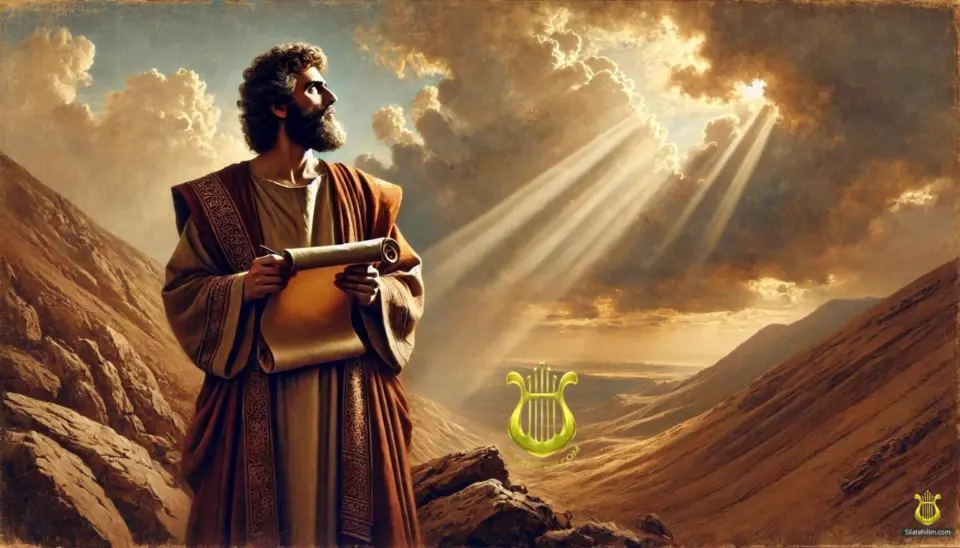
The prophet Habakkuk was the son of the Shunamite woman—the same woman from Shunem who welcomed the prophet Elisha into her home. She had been childless for many years, and her husband was old. In reward for her good deeds, the prophet promised her a son: “By this time next year, you will embrace a child.”
Habakkuk derives from the word “chovek” (to embrace).
As a child, he experienced “clinical” death and was brought back to life by the prophet Elisha.
The holy Zohar says that Habakkuk was brought back to life through Ha-Shem’s 72-letter Name [at the splitting of the Yam Suf, there are three pesukim]. The 72-letter Name contains 216 letters. The gematria of Habakkuk is 216.
The name Habakkuk has a gematria equal to three times 72. It is as though the gematria of the highest Name of the Holy One, Blessed be He, consisting of 72 words, is repeated three times—a threefold Chesed, since 72 is also the gematria of the word “Chesed.”
The number 72 symbolizes the highest degree of mercy. Thus, in the name Habakkuk, this highest mercy is magnified threefold.
The number 72 appears in many places throughout Tanakh. For example, the world was created over the course of 72 hours (Rabbeinu Bachya explains this as follows: there were six days of Creation; the Holy One, Blessed be He, created the world only during the daylight hours; therefore, 6 multiplied by 12 equals 72).
The twelve Tribes of Israel are represented by 72: the Kohen Gadol wore a breastplate with 12 stones, each engraved with six letters.
Habakkuk lived during an extremely difficult period, when people had become corrupt and were steeped in sin. Throughout his life, he sought an answer to the question: Why does the Holy One, Blessed be He, not reward good and punish evil? And, in general, why is there evil in the world?
We have a tradition that Moshe Rabbeinu transmitted 613 commandments to us;
David Ha-Melech grouped and condensed them into 11;
The prophet Micah reduced them to three;
Habakkuk reduced them to one: “The one whose soul is not upright is weakened, but the righteous shall live by his faith” (2:4).
תְּפִלָּה לַחֲבַקּוּק הַנָּבִיא עַל שִׁגְיֹנוֹת
יְהוָה, שָׁמַעְתִּי שִׁמְעֲךָ יָרֵאתִי; יְהוָה פָּעָלְךָ בְּקֶרֶב שָׁנִים חַיֵּיהוּ, בְּקֶרֶב שָׁנִים תּוֹדִיעַ; בְּרֹגֶז, רַחֵם תִּזְכּוֹר. אֱלוֹהַּ מִתֵּימָן יָבוֹא, וְקָדוֹשׁ מֵהַר-פָּארָן סֶלָה; כִּסָּה שָׁמַיִם הוֹדוֹ, וּתְהִלָּתוֹ מָלְאָה הָאָרֶץ. וְנֹגַהּ כָּאוֹר תִּהְיֶה, קַרְנַיִם מִיָּדוֹ לוֹ; וְשָׁם, חֶבְיוֹן עֻזֹּה. לְפָנָיו, יֵלֶךְ דָּבֶר; וְיֵצֵא רֶשֶׁף, לְרַגְלָיו. עָמַד וַיְמֹדֶד אֶרֶץ, רָאָה וַיַּתֵּר גּוֹיִם, וַיִּתְפֹּצְצוּ הַרְרֵי עַד, שַׁחוּ גִבְעוֹת עוֹלָם; הֲלִיכוֹת עוֹלָם, לוֹ. תַּחַת אָוֶן, רָאִיתִי אָהֳלֵי כוּשָׁן; יִרְגְּזוּן, יְרִיעוֹת אֶרֶץ מִדְיָן. הֲבִנְהָרִים, חָרָה יְהוָה, אִם בַּנְּהָרִים אַפֶּךָ, אִם-בַּיָּם עֶבְרָתֶךָ: כִּי תִרְכַּב עַל סוּסֶיךָ, מַרְכְּבֹתֶיךָ יְשׁוּעָה. עֶרְיָה תֵעוֹר קַשְׁתֶּךָ, שְׁבֻעוֹת מַטּוֹת אֹמֶר סֶלָה; נְהָרוֹת, תְּבַקַּע אָרֶץ. רָאוּךָ יָחִילוּ הָרִים, זֶרֶם מַיִם עָבָר; נָתַן תְּהוֹם קוֹלוֹ, רוֹם יָדֵיהוּ נָשָׂא. שֶׁמֶשׁ יָרֵחַ, עָמַד זְבֻלָה; לְאוֹר חִצֶּיךָ יְהַלֵּכוּ, לְנֹגַהּ בְּרַק חֲנִיתֶךָ. בְּזַעַם, תִּצְעַד אָרֶץ; בְּאַף, תָּדוּשׁ גּוֹיִם. יָצָאתָ לְיֵשַׁע עַמֶּךָ, לְיֵשַׁע אֶת מְשִׁיחֶךָ; מָחַצְתָּ רֹּאשׁ מִבֵּית רָשָׁע, עָרוֹת יְסוֹד עַד צַוָּאר סֶלָה. נָקַבְתָּ בְמַטָּיו רֹאשׁ פְּרָזָו, יִסְעֲרוּ לַהֲפִיצֵנִי; עֲלִיצֻתָם, כְּמוֹ לֶאֱכֹל עָנִי בַּמִּסְתָּר. דָּרַכְתָּ בַיָּם, סוּסֶיךָ; חֹמֶר, מַיִם רַבִּים. שָׁמַעְתִּי וַתִּרְגַּז בִּטְנִי, לְקוֹל צָלְלוּ שְׂפָתַי יָבוֹא רָקָב בַּעֲצָמַי, וְתַחְתַּי אֶרְגָּז: אֲשֶׁר אָנוּחַ לְיוֹם צָרָה, לַעֲלוֹת לְעַם יְגוּדֶנּוּ. כִּי תְאֵנָה לֹא תִפְרָח, וְאֵין יְבוּל בַּגְּפָנִים כִּחֵשׁ מַעֲשֵׂה זַיִת, וּשְׁדֵמוֹת לֹא עָשָׂה אֹכֶל; גָּזַר מִמִּכְלָה צֹאן, וְאֵין בָּקָר בָּרְפָתִים. וַאֲנִי, בַּיהוָה אֶעְלוֹזָה: אָגִילָה, בֵּאלֹהֵי יִשְׁעִי. יְהוִה אֲדֹנָי, חֵילִי, וַיָּשֶׂם רַגְלַי כָּאַיָּלוֹת, וְעַל בָּמוֹתַי יַדְרִכֵנִי; לַמְנַצֵּחַ, בִּנְגִינוֹתָי.
The Prayer of Habakkuk Ha-Navi
1. “Tefilah le-Havakuk Ha-Navi al Shigyonot;
2. Adonai shamati shimcha yareti; Adonai pa'alcha bekerev shanim chayeihu, bekerev shanim todia; berogez rachem tizkor; Elo-ka mi-Teiman yavo, ve-Kadosh mehar Paran selah;
3. Kisah shamayim hodo, utehilato malah ha'aretz;
4. Venogah ka'or tihyeh; karnayim miyado lo, vesham chevyon uzo;
5. Lefanav yelech dever, veyetze reshef leraglav;
6. Amad vayemoded eretz, ra'ah vayater goyim, vayitpotzetzu harerei ad, shachu giv'ot olam; halichot olam lo;
7. Tachat aven ra'iti aholei Kushan; yirgazun yeriot eretz Midyan;
8. Havanharim charah Adonai, im banharim apecha, im bayam evratecha; ki tirkav al susейcha, markevotecha yeshuah;
9. Eryah te'or kashtेcha, shevuot מטות omer selah; נהרות tevaка eretz;
10. Ra'ucha yachilu harim, zerem mayim avar; natan tehom kolo, rom yadeihu nasa;
11. Shemesh yareach amad zevulah; le'or chitzecha yehalેchu, lenogah berak chanitecha;
12. Beza'am titzעד eretz; be'af tadוש goyim;
13. Yatzata leyesha amcha, leyesha et meshichecha; machatzta rosh mib בית rasha, הארות yesod ad tzavar selah;
14. Nakavta bematav rosh פרזיו, yis'aru lehafitzני; alitsutam kemo le'echol ani במסתּר;
15. Darachta bayam susეicha; chomer mayim rabim;
16. Shamati vatirgaz bitni, lekol tzalelu sfatai; yavo rakav ba'atzamai, vetachtai ergaz;
17. Asher anuach leyom tzarah, la'alot le'am yegudenu; ki te'enah lo tifrach, ve'ein yevul bagefanim; kichesh ma'aseh zayit, ushdemot lo asah ochel; gazar mimmikhlah tzon, ve'ein bakar barfatim.
18. Va'ani ba-Adonai elozah, agilah be-Elohei yishi; Elohim Adonai cheili, vayasem raglai ka'ayalot, ve'al bamotai yadricheni
19. Yadricheni la-menatzeach binginotai.”
Translation
(1) A prayer of Habakkuk the prophet, upon Shigyonot. (2) O L-rd, I have heard Your message and I was afraid; O L-rd, revive Your work in the course of the years; in the course of the years make it known; in wrath, remember mercy! G-d will come from Teiman, and the Holy One from Mount Paran. Selah! (3) His splendor covered the heavens, and His glory filled the earth. (4) His radiance was like light; rays came from His hand, and there His power was concealed. (5) Pestilence went before Him, and plague followed in His footsteps. (6) He stood and shook the earth; He looked, and the nations trembled; the ancient mountains were shattered, the everlasting hills sank low; His ways are eternal. (7) In distress I saw the tents of Kushan; the curtains of the land of Midian trembled. (8) Were You angry with the rivers, O L-rd? Was Your wrath against the rivers, Your fury against the sea, when You rode upon Your horses, Your chariots of salvation? (9) You uncovered Your bow, according to the oath sworn to the tribes. Selah! You split the earth with streams. (10) The mountains saw You and writhed; a torrent of water swept by; the deep gave forth its voice and raised its hands on high. (11) The sun and moon stood still in their abode; they moved by the light of Your arrows, by the radiance of Your flashing spear. (12) In anger You marched through the earth; in wrath You trampled the nations. (13) You went forth to save Your people, to save Your anointed one; You crushed the head of the house of the wicked, laying it bare from its foundation to its neck. Selah! (14) You pierced the head of his rulers with his own spears; they stormed forth to scatter me, their rejoicing like that of one who seeks to devour the poor in secret. (15) You trod upon the sea with Your horses, through the great turbulence of the waters. (16) I heard, and my innermost being trembled; at the sound, my lips quivered; decay entered my bones, and I trembled where I stood, awaiting the day of distress, when the enemy will rise against the people to attack them. (17) Though the fig tree may not blossom, and there be no yield on the vines; though the olive crop fail, and the fields produce no food; though the flock be cut off from the fold, and there be no cattle in the stalls—(18) yet I will rejoice in the L-rd, I will exult in the G-d of my salvation. G-d, the L-rd, is my strength; He makes my feet like those of deer and leads me upon my high places. (19) To the leader of my songs.
Segulot associated with the Prayer of the Prophet Habakkuk
1. For relief from depression;
2. To find balance between the soul and the mind;
3. In cases of serious illness (Habakkuk was brought back to life by the prophet Elisha);
4. In extremely difficult and seemingly hopeless situations in life (the name Habakkuk has a gematria of 72 × 3—Ha-Shem’s threefold mercy);
5. For the birth of sons—“By this time next year, you will embrace a child,” the prophet Elisha said to Habakkuk’s mother; Habakkuk derives from the word “to embrace”;
6. For one whose thoughts are confused—to recite this prayer regularly.
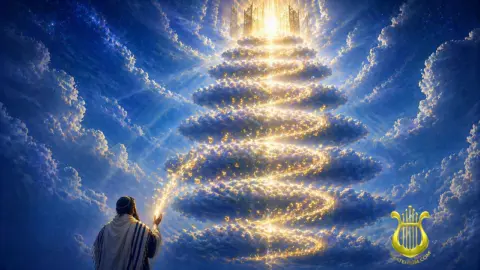
The Revival of Habakkuk Ha-Navi
The Prophet Elisha—Bringing Habakkuk Back to Life
(Based on Rabbi Nachman of Breslov’s book “Daat 2,” “The Book of Traits,” and a lesson by Rabbanit Chava Kuperman; translation and transliteration of the prayer by Zoya Tigai)
Was this helpful?
98% of readers found this article helpful (60 votes).
Please note: some articles on our site contain the holy Names of the Almighty. If you print these articles, they may not be thrown away or destroyed. Please handle printed copies with care and respect.
Tags: Prayer, Segulot, The Prayer of the Prophet Habakkuk, Habakkuk HaNavi, Segula for Having Children, Segula for Depression, The Prophet Habakkuk HaNavi, The Prayer of Habakkuk HaNavi, The Prayer of Habakkuk the Prophet, prophet