Tehillim 119 – How to Merit the Birth of a Son
Tehillim 119:9 (Bet)
- "Bameh yezakeh na'ar et orcho, lishmor kidvarecha" - (How can a young man make his path noble?)
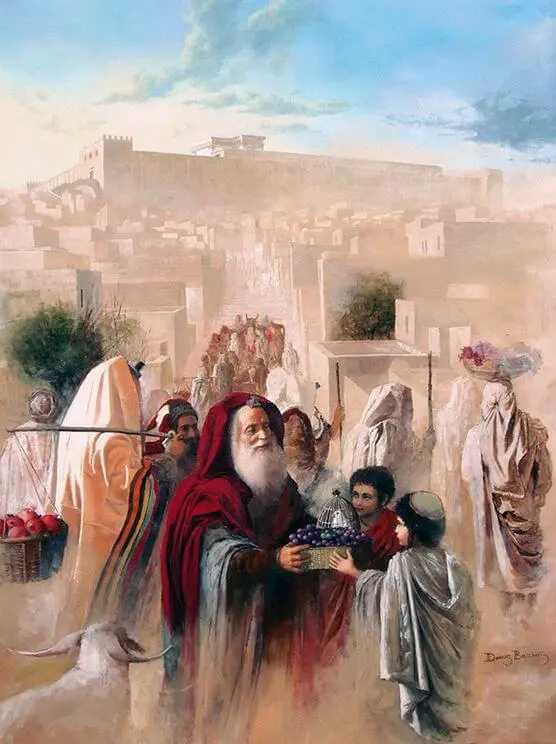
Rabbi Eliezer, the father of the Baal Shem Tov, stood out from many others through his exemplary observance of the mitzvah of hospitality. Precisely because he was so distinguished in his meticulous observance of this mitzvah, it was decided in Heaven to test him. This is the meaning of the expression: “in which area, in which mitzvah, was your father especially careful (literally, did he shine through it)?” Every person has a particular inclination in the soul toward holiness that draws him to devote himself selflessly to a specific mitzvah. Let us note the precision of the wording: The Sages did not say, “what did he especially like” or “what did he love,” but specifically, “in what was he especially careful.”
For a person's primary life force is expressed through the mitzvah with which he is connected in a special way, through the letter of the Torah from which the root of his soul was hewn. It is there that a person discovers the essence of his life, and there that his constant work lies. This is the point at which he must continually grow and move forward, and it is also the point at which he is tested in his relationship with G-d at all times—whether or not he is serving the Almighty properly. When he is appropriately careful, his soul shines most brightly.
It is worth recalling the words of Rabbi Dovber, the Maggid of Mezeritch, which he said to the Alter Rebbe before the latter departed from this world: Through his dedication to fulfilling the mitzvah of hospitality, he would merit a son, as it says in Tehillim: “How to merit a son—through a guest, by means of the mitzvah of hospitality.”
His words can be explained by the fact that hospitality is connected with a sense of self-nullification (bitul), on the basis of which hosts welcome another person into their home and make every effort to care for him. The host's daily routine suddenly becomes secondary in importance, while the guests' needs take center stage.
“How to merit a son—[through a guest]”—in Hebrew, במה, by means of bitul, as it says, “and what are we?” Bitul is an opening created in a person's soul in relation to those around him, and the size of that opening depends on the degree of bitul. When the hosts place themselves and their own affairs in a secondary position for the sake of another Jew, this testifies to their bitul before other Jews and before the Almighty. They then merit—through the unity brought about by fulfilling the mitzvah—the appearance of a new Jewish soul in their home.
(“Or Yisrael,” Rabbi Y. Ginsburg)