How the Baba Sali Prayed for Jewish Soldiers
During the First Lebanon War (1982),
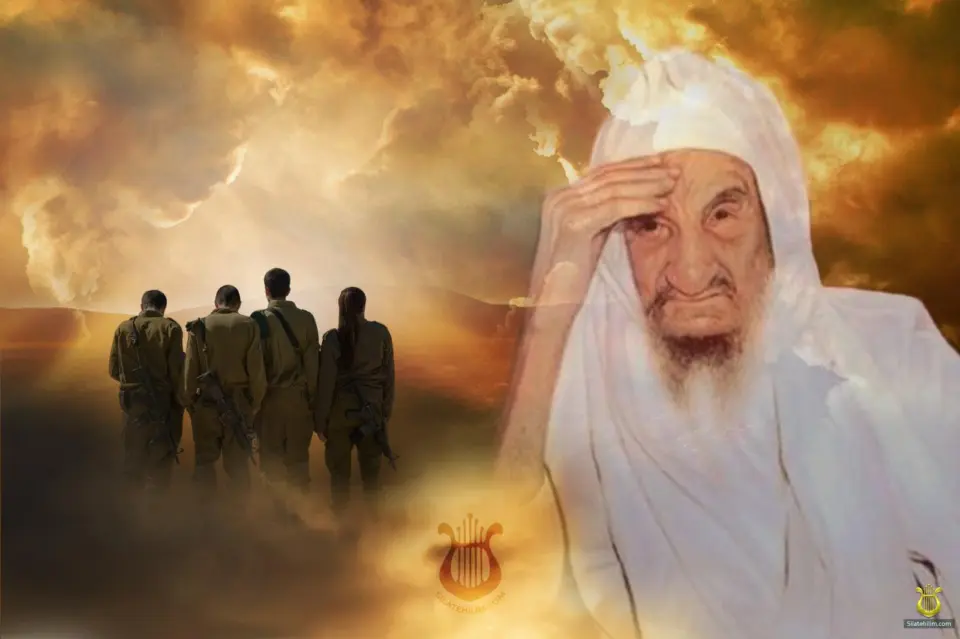
Rabbi Yisrael Abuhatzeira—the Baba Sali was deeply concerned about the situation. He worried about the soldiers and prayed that G-d would save them and that they would return home safe and sound.
One day, during that period, when one of his close disciples entered, he suddenly extended five fingers forward, as if signaling to someone to stop.
The disciple asked him, “What is that?”
The Baba Sali replied, “I am protecting the soldiers so that they will not be struck by bombs and bullets.”
He said, “Look, look at how G-d is saving them.” But the disciple saw nothing—he assumed that he had not yet reached that level.
The Baba Sali's Song That Saved the Soldiers
After the war, a soldier who had served in it came to the Baba Sali. He told him that he and a friend had been in an armored vehicle when, suddenly, a shell struck the vehicle. They managed to jump out, but the Arabs opened fire on them from all sides.
Then one soldier said to the other, “Let's sing the song
of the Baba Sali, ‘Yodu Lecha Ra'yonai’. Perhaps we will be saved in the merit of this song.” They began singing, and both were saved.
After the war, that same soldier who had suggested singing the Baba Sali's song decided that he would definitely visit the tzadik. As soon as he entered the Rav's room, the Baba Sali said to him: “It was precisely in the merit of the song you sang that you and your friend were saved!”
The soldier told the tzadik that he had never seen the Baba Sali and did not even know anything about him, but at the most difficult moment of his life, he suddenly remembered that whenever trouble arose, his parents would always mention the Baba Sali's name in their home—and this brought salvation.
The tzadik smiled and blessed the soldier with a long and prosperous life.
The Baba Sali's Song, “Yodu Lecha Ra'yonai”
יודו לך רעיוני / ר' ישראל אבוחצירה
יוֹדוּ לְךָ רַעְיוֹנַי אֵל מִבֶּטֶן יוֹצְרִי
עַל קִרְבָתְךָ בְּסִינַי לְהָאִיר אֶת נֵרִי
עַל כֵּן בְּתַחֲנוּנַי אֲפָאֵר בְּשִׁירִי
בְּכָל יָמַי וְשָׁנַי עַד לָעַד לְעוֹלָם
אֶשְׂמַח בְּךָ אֵל עוֹלָם
אֶשְׂמַח בְּךָ גּוֹאֵל נַפְשִׁי
אֶת גְאֻלַּת עוֹלָם
שְׂשׂוֹן לִבִּי הֵמָּה בְּזָכְרִי חֲסָדָיו
כִּי בָחַר מִכָּל אֻמָּה יִשְׂרָאֵל עֲבָדָיו
נֵצֶר נְטִיעָה תַמָּה הָאָבוֹת יְדִידָיו
אֶבֶן צֶדֶק שְׁלֵמָה מִשֹׁרֶשׁ גִּדְּלָם
רְצוֹנְךָ אֶשְׁאֲלָה חַי בַּעַל הָרָצוֹן
כַּאֲשֶׁר בַּתְּחִלָּה נָהַגְתָּ אֶת הַצֹּאן
בְּמִרְעֶה טוֹב וְנִפְלָא וְהָיָה כָל עֶלְצוֹן
רוֹעֵה יִשְׂרָאֵל סֶלָה הַאֲזֵן אֶת קוֹלָם
אַתָּה הוּא הָאֱלֹהִים הָעֵד וְהַדַּיָּן
קוּם נָא לִקְרַאת גְבָהִים צְאִי נָא מְזֻיָּן
לִנְקֹם נִקְמָתְךָ מֵהֶם לְהַשְׁלִים כָּל עִנְיָן
שִׁמְךָ וְכִסְאֲךָ שֶׁהֵם מֵעֵין כָּל חַי נֶעְלָם
לְעֹשֵׂה נִפְלָאוֹת לְבַדּוֹ אֶת יְרִיבַי יָרִיב
אֲקַוֶּה תָמִיד חַסְדּוֹ הַשְׁכֵּם וְהַעֲרֵב
וְלֹא יָסֵךְ בַּעֲדוֹ אֶת טִירָתוֹ יַחֲרִיב
וְאָז נָשִׁיר לִכְבוֹדוֹ הַשִּׁירִים בְּמָשְׁלָם
חַזֵּק צִיּוֹן מוֹעֲדֵנוּ אֲשֶׁר מְכֻוֶּנֶת
מוּל זְבוּל מִקְדָּשֵׁנוּ שֶׁהִיא הַנּוֹתֶנֶת
כֹּחַ עֶלְיוֹן לְגַנּוֹ עֵדֶן הַמְכוֹנֶנֶת
אֲשֶׁר בָּם כָּל חֶפְצֵנוּ הֵם מִקְדָּשׁ וְאוּלָם
זֹאת הָיְתָה לִּי בְעָנְיִי גְּדוֹלָה הַבְטָחָה
לְאַב הָמוֹן נִסְיִי בֵּין בְּתָרִים זָרָחָה
לֵאמֹר מָתַי וְאַיֵּה וּמְצֶאנָה מְנוּחָה
בְּךָ כָּל מַאֲוַיַי אֵל תַּאֲוַת עוֹלָם
קֵץ יָמִים גַּלֵּה לְעַם אֵלֶּה עֲמוּסֵי תְלָאוֹת
גַּדֵּל צַעֲרִי וַעֲמָלִי בְפִלְאֵי-פְלָאוֹת
מְצַפִּים אָבוֹת וְעוֹלָלֵי עֲשֵׂה לְטוֹבָה אוֹת
כְּלִילוֹ גְדִילֵי בָנֶיךָ עַל תִּלָּם
Transliteration
Yodu lecha ra'yonai El mibeten yotzri
Al kirvatecha be-Sinai leha'ir et neri
Al ken betachanunai afa'er beshiri
Bechol yamai veshanai ad la'ad le'olam
Es'mach becha El olam
Es'mach becha go'el nafshi
Et ge'ulat olam
Sason libi hemah bezachri chasadav
Ki vachar mikol ummah Yisrael avadav
Netzer neti'ah tamah ha'avot yedidav
Even tzedek shelemah mishoresh giddelam
Retzonecha eshalah Chai ba'al haratzon
Ka'asher batechilah nahagta et hatzon
Bemir'eh tov venifla vehayah kol eltzon
Ro'eh Yisrael selah ha'azen et kolam
Atah hu ha-Elohim ha'ed vehadayyan
Kum na likrat gevahim tzei na mezuyan
Linkom nikmatecha mehem lehashlim kol inyan
Shimcha vechise'acha shehem me'ein kol chai ne'elam
Le'oseh nifla'ot levado et yerivai yariv
Akaveh tamid chasdo hashkem veha'arev
Velo yasech ba'ado et tirato yachriv
Ve'az nashir lichvodo hashirim bemashlam
Chazek Tziyon mo'adenu asher mechuvvenet
Mul zevul mikdasheinu shehi hanotenet ko'ach
Elyon leganno Eden hamchonenet
Asher bam kol cheftzenu hem mikdash ve'ulam
Zot hayetah li ve'onyi gedolah havtachah
Le'av hamon nisyi bein betarim zarachah
Lemor matai ve'ayeh umetz'enah menuchah
Becha kol ma'avayai El ta'avat olam
Ketz yamim galleh le'am elleh amusei tela'ot
Gaddel tza'ari va'amali ufilei-fele'ot
Metzapim avot ve'olelei aseh letovah ot
Kelilo gedilei vanecha al tillam
Share this with soldiers and tell them this story.
You can listen to the song here:
https://www.youtube.com/watch?v=pAcYo9581WI&t=13s
(from the book “Maase Nissim,” part two, by R. Avraham Mugrabi)
Was this helpful?
100% of readers found this article helpful (95 votes).
Please note: some articles on our site contain the holy Names of the Almighty. If you print these articles, they may not be thrown away or destroyed. Please handle printed copies with care and respect.