Zohar on Tehillim 131 – Tzefardea
Zohar on Tehillim 131 – Tzefardea
Tehillim 131:1
- "Hashem, lo gavah libi velo ramu einai" – (the Almighty, my heart was not haughty, nor were my eyes lifted up).
These words were spoken by David as he walked along the riverbank. He said: "Master of the universe! Has there ever been a person who thanked and praised his Master as much as I have?"
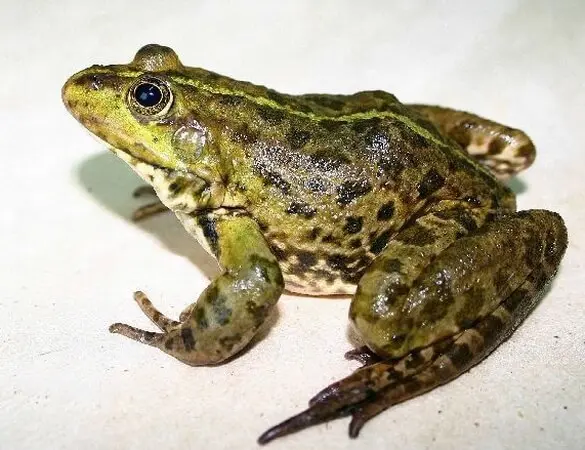
At that moment, a frog appeared before him and replied:
"David, do not be proud, for I have done more than you, having sacrificed my body to carry out my Master's command, as it is written: ‘And the Nile shall swarm with frogs.’.
Moreover, I praise Him day and night—without interruption."
Upon hearing this, David said: "The Almighty, my heart was not haughty, nor were my eyes lifted up."
(Zohar on Pinchas, Sulam, Zvi Nisanzon)
The Arizal, of blessed memory, teaches that the word "Tzefardea" (frog) is formed from two words: tzipor (bird) and de'ah (knowledge). "Tzipor" is Malchut, which is built through "de'ah"—Netzach and Hod.
(Arizal, Sha'ar HaPesukim, Va'eira, p. 137)
Incidentally, in "Perek Shirah" (The Songs of Creation), the frog is entrusted with reciting one of the most important blessings, which concludes such key Jewish prayers as "Shema Yisrael" and "Ana Bekoach" —the blessing uttered by the angels in the upper worlds: "Baruch Shem Kevod Malchuto Le'olam Va'ed."
This blessing is also considered central to the most solemn prayer of the three daily services—the Kaddish—but there it is recited in Aramaic:
"Yehei shmei rabba mevorach le'alam ul'almei almaya."
Was this helpful?
97% of readers found this article helpful (31 votes).
Please note: some articles on our site contain the holy Names of the Almighty. If you print these articles, they may not be thrown away or destroyed. Please handle printed copies with care and respect.
Tags: The Hidden Meaning of Tehillim, Zohar on Tehillim, TEHILLIM, Zohar on Tehillim 131 – Tzefardea, Psalm 131, Perek Shirah, Animals, Animals in Judaism, Tehillim 131