

 Sila Tehilim
כוחה של תהילים
silatehilim.com
Sila Tehilim
כוחה של תהילים
silatehilim.com
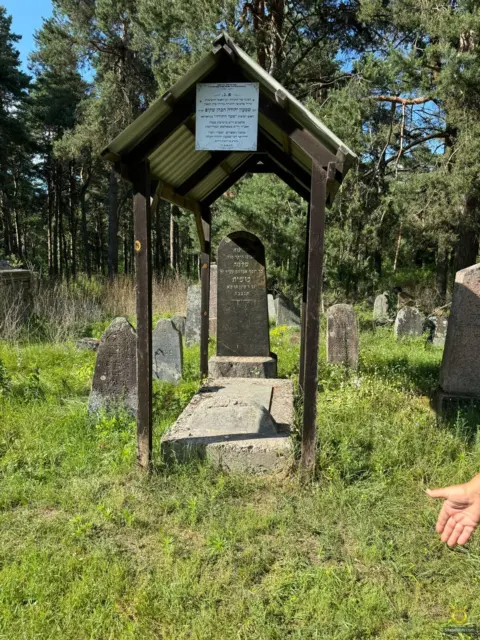
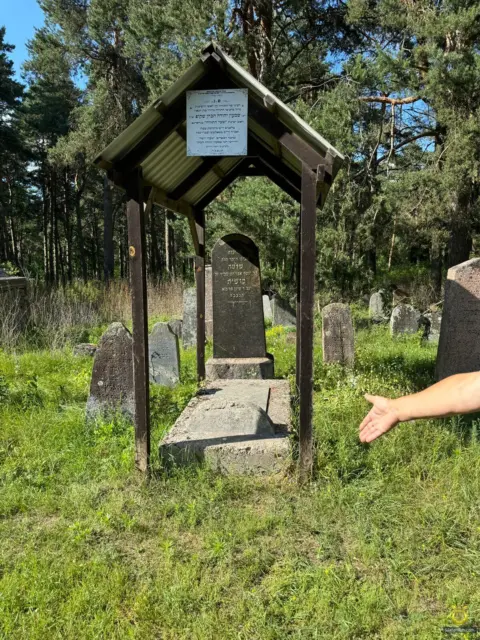
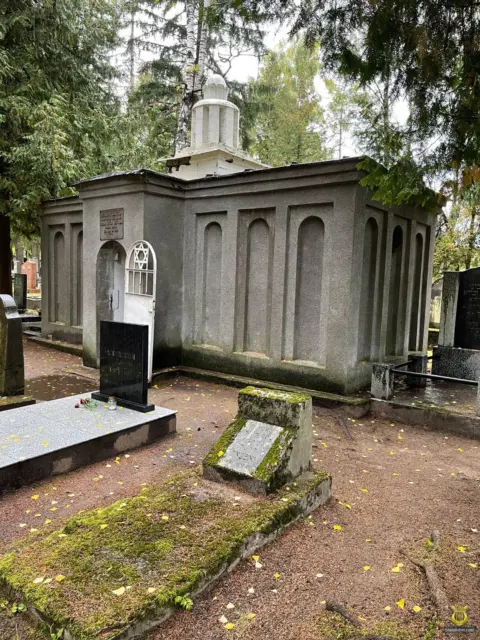
Grave
Shimon Yehuda Shkop
"Shaarei Yosher"
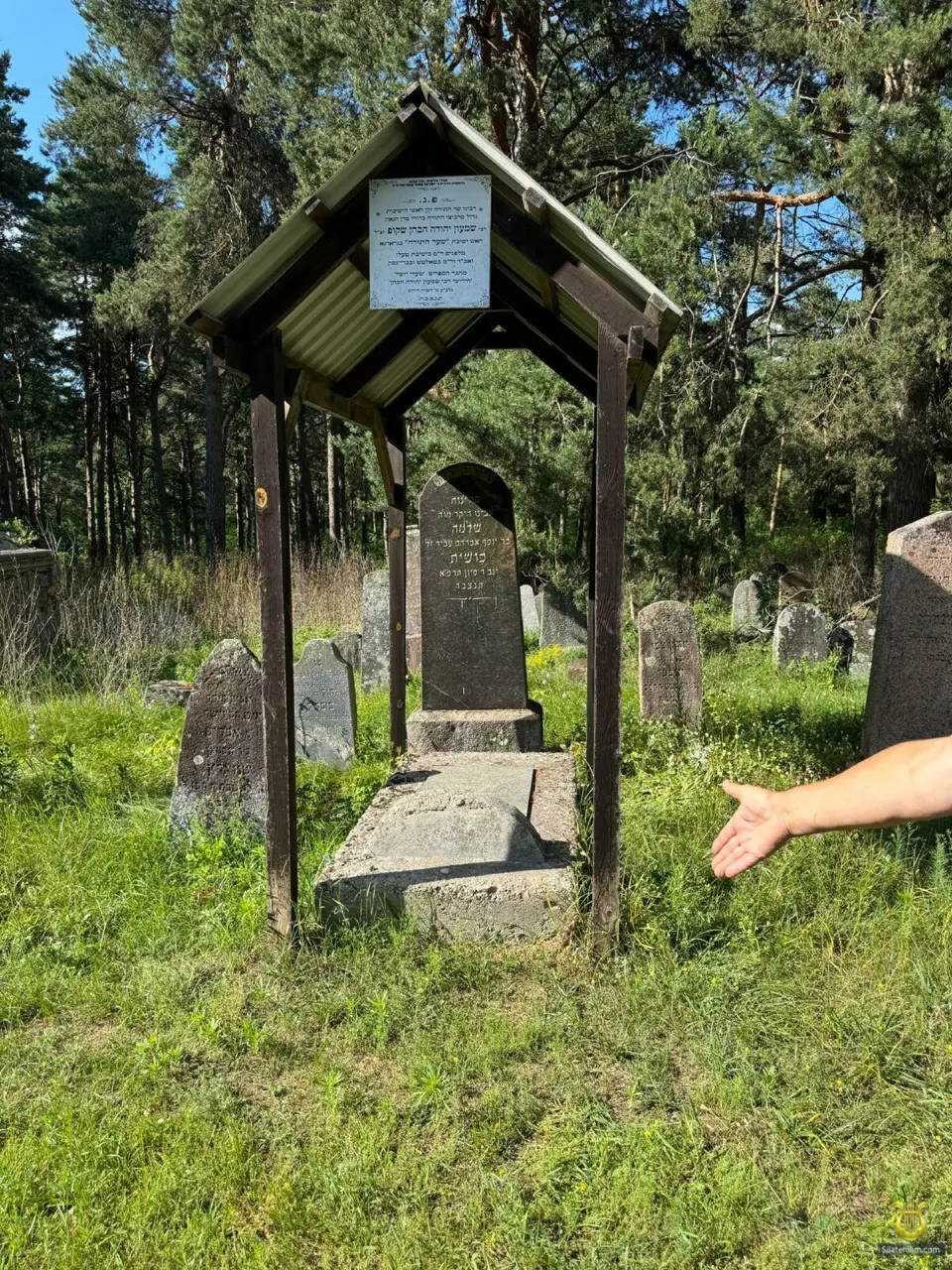
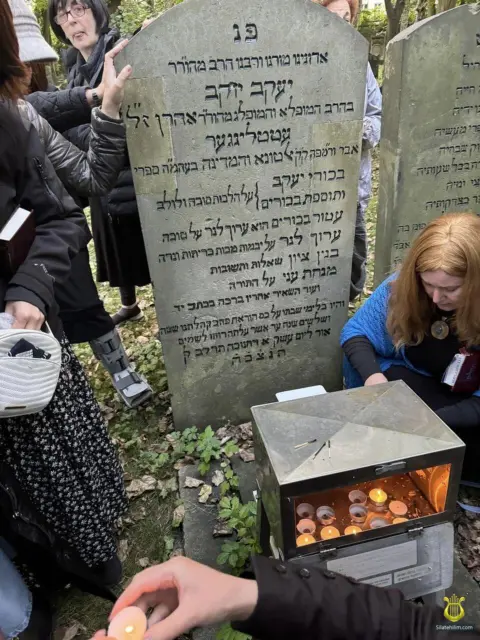
Yahrzeit (Hillula)
- 9 Cheshvan — Yahrzeit/Hillula of Rabbi Shimon Yehuda Shkop
Rabbi Shimon Yehuda Shkop - "Shaarei Yosher" (1860 – October 22, 1939), was Rosh Yeshiva of the Telz (Telshe) Yeshiva, and later of the "Shaar HaTorah" Yeshiva in Grodno, as well as a renowned Talmid Chacham (Torah scholar).
Yahrzeit - 9 Cheshvan
Resting place - Grodno, Belarus
He created a unique approach within the classical Eastern European school of Torah learning, expressed mainly in his book "Shaarei Yosher." As stated in the author's own introduction, he named the book in memory of his parents: the word "yosher" (righteousness, uprightness) is formed from the first letters of his father's and mother's names — Yitzchak-Shmuel (yud and shin) and Rachel (reish).
Rabbi Shimon Yehuda Shkop was born in Torez, today in Belarus, in 1860. At the age of twelve he went to study in the Mir Yeshiva for two years. He then went to the Volozhin Yeshiva, where he studied for six years under Naftali Tzvi Yehuda Berlin.
He belonged to a select group of students with whom Rav Chaim Soloveitchik associated. Among his study partners were Gershon Tanchum Grodener (Bilecki) and Rav Chaim Ozer Grodzinski, the chief rabbi of Vilna.
Shkop married the niece of Rabbi Eliezer Gordon, and in 1884 was appointed Rosh Mesivta at the Telz Yeshiva, where he remained for 18 years. While there, he developed a system of Talmudic study that combined the logical analysis and incisive insight of Rav Chaim Soloveitchik with the simplicity and clarity of Rav Naftali Tzvi Yehuda Berlin, and which became known as the "Telz method of learning."
In 1903 he was appointed rabbi of Moltch, and in 1907 - of Bransk.
Among his students in Moltch was Yechezkel Sarna, who studied under Shkop for a year in 1906 before moving to the Slabodka Yeshiva when Shkop himself left.
During World War I, community leaders urged him to leave before the arrival of the Germans, but he refused and remained with his community in Grodno.
Between 1920 and 1939, at the request of the Grodzinski Rebbe, he succeeded Alter Shmuelevich as Rosh Yeshiva of the renowned "Shaar HaTorah" in Grodno. He raised the level of the institution and turned it into one of the finest yeshivas in Poland and beyond. Hundreds of young men flocked there from near and far. One of his students was Dovid Lifshitz, who later became the Suvalker Rav.
Zelik Epstein, who was married to Shkop's granddaughter, headed for many years the successor institution in Queens known as the Yeshivas Shaar HaTorah of Grodno. When he was eighteen, Chaim Shmuelevich was invited by Shkop to deliver a third-level shiur at the Yeshiva Ketana in Grodno.
At the age of twenty-two, he led a group of students who moved from Grodno to Mir. However, his four years in Grodno with Shkop had a profound influence on his approach to Talmudic analysis. In 1928, Shkop traveled to the United States to raise much-needed funds for the yeshiva. After delivering a lecture at Yeshiva University, he eventually accepted an invitation from Bernard Revel to serve as Rosh Yeshiva of the Rabbi Isaac Elchanan Theological Seminary in New York. During his absence, he was greatly missed in Poland by Yisrael Meir Kagan and Grodzinski, who begged him to return. He also received a sharp letter from Yerucham Levovitz, the mashgiach of Mir, which, according to an eyewitness, he ignored. In 1929, for unknown reasons, Shkop returned to Europe. Shkop was a warm and open-hearted person.
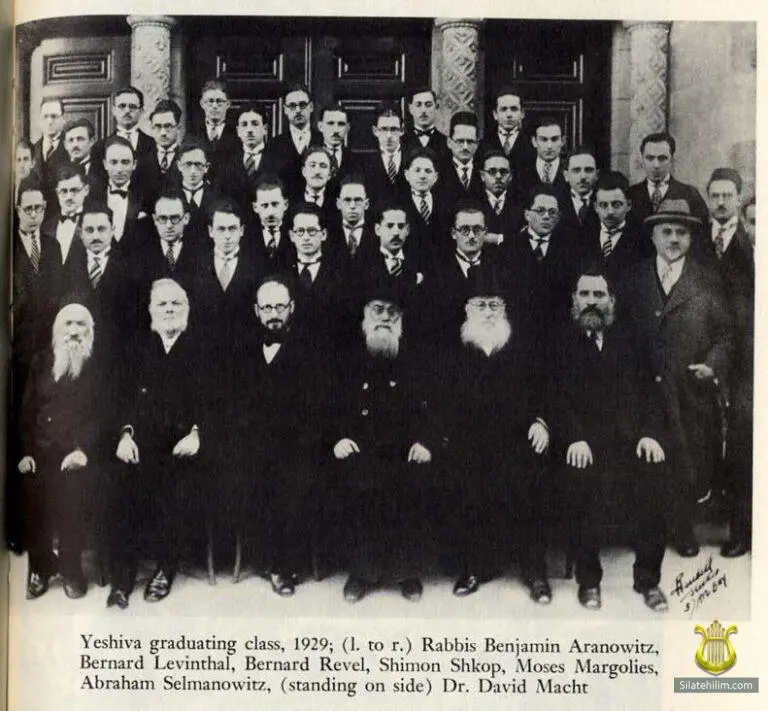 He was an active member of the Moetzes Gedolei HaTorah of Agudas Yisroel. Many of his students achieved great recognition, among them Rabbis Elchonon Wasserman of Baranovich, Yisrael Zev Gustman, Yosef Shlomo Kahaneman of Ponevezh, and Isser Yehuda Unterman, future Chief Rabbi of Israel. Michael Fisher of London was also a student of Shkop. Shkop formed a close bond with the [younger] Yehuda Zev Segal, future Rosh Yeshiva of Manchester. He would occasionally travel to England to raise funds for his yeshiva, and Segal took the opportunity to serve as his assistant, spending one vacation at Shkop's summer resort, studying with him and accompanying him on walks.
Limud
In his introduction to the book "Shaarei Yosher," Rabbi Shimon Shkop states that the commandment "be holy" is an all-encompassing principle of our lives. Its meaning is that we should dedicate ourselves, all our aspirations and strength, to serving the people around us!
Man was created in the image and likeness of the Almighty. The words of the Torah, "be holy, for I, the Almighty, am holy," call upon us to emulate the Almighty. Just as He created and sustains this world for others, so too must a person dedicate his life, his world, to other people.
The more altruism there is in a person, the more he resembles the Almighty and the closer he comes to holiness. And the more selfishness there is in a person, the further he is from G-d and from the perfection of holiness. It is clear that self-love is the cause of many bad character traits (pride, envy) and bad deeds (humiliating others, robbery, theft).
It turns out that love of self and love of others come into conflict in a person's heart and contradict one another.
But if so, why does the Torah state a few verses later: "Love your neighbor as yourself!" (Vayikra 19:18) — that is, to love both oneself and others at the same time?
Who am I?
The whole question is how we define our "self," explains Rabbi Shimon Shkop. Each person's spiritual level is expressed in how he answers this question. A coarse and lowly person limits his "self" to his body. He subordinates his life to the physical needs of the body: how to feed himself, how to clothe himself...
A more perfected person defines his "self" as the union of soul and body. He cares not only for the body, but also directs his strength toward developing and strengthening the soul. Even more perfected is one who includes his family within his "self" and cares for it.
With the commandment "Love your neighbor as yourself!" the Torah obligates us to "include" all Jews within our "self." "A tzadik is the foundation of the world," says King Solomon in the Proverbs (Mishlei 10:25). Therefore, a righteous person loves and feels a sense of responsibility for the entire world, all of humanity.
Only when a person's "self" includes those close to him does the contradiction between self-love and love of others disappear in the commandment "love your neighbor as yourself!"
If a person takes care of himself so that he will have the strength to serve his family, his people, and bring good into this world, then, in essence, he is caring not only for himself but for others as well. Even if he takes something for himself, it is in order to give. However, there are people who, out of self-interest, are willing to give to others only in order to take for themselves.
The essence of an act depends on a person's intention: for whose sake he gives or takes. A person who lives for others gives even when he takes. And one who lives only for himself takes even when he gives. It is no coincidence that the word for "bribe" comes from the word "to take"!
Two people sit down at a table. One eats in order to live, so that he will have the strength to do good. The other lives in order to eat. Which of them would King Solomon call a true человек... a true person?
Of course, a person must take care of himself, as Hillel said in "Ethics of the Fathers" (1:14): "If I am not for myself, who will be for me?"
However, if he thinks only of himself, he will inevitably feel an emptiness in life and the meaninglessness of his existence: "If I am only for myself, what am I!" It is no coincidence that it says "what," not "who"!
Be holy! The Torah addresses each of us: be a Mensch! "And if not now, when?"
May the merit of the tzadik protect Am Yisrael!
(https://dailyzohar.com/tzadikim/1080-Rabbi-Shimon-Yehuda-Shkop, https://toldot.com/articles/articles_574.html)
He was an active member of the Moetzes Gedolei HaTorah of Agudas Yisroel. Many of his students achieved great recognition, among them Rabbis Elchonon Wasserman of Baranovich, Yisrael Zev Gustman, Yosef Shlomo Kahaneman of Ponevezh, and Isser Yehuda Unterman, future Chief Rabbi of Israel. Michael Fisher of London was also a student of Shkop. Shkop formed a close bond with the [younger] Yehuda Zev Segal, future Rosh Yeshiva of Manchester. He would occasionally travel to England to raise funds for his yeshiva, and Segal took the opportunity to serve as his assistant, spending one vacation at Shkop's summer resort, studying with him and accompanying him on walks.
Limud
In his introduction to the book "Shaarei Yosher," Rabbi Shimon Shkop states that the commandment "be holy" is an all-encompassing principle of our lives. Its meaning is that we should dedicate ourselves, all our aspirations and strength, to serving the people around us!
Man was created in the image and likeness of the Almighty. The words of the Torah, "be holy, for I, the Almighty, am holy," call upon us to emulate the Almighty. Just as He created and sustains this world for others, so too must a person dedicate his life, his world, to other people.
The more altruism there is in a person, the more he resembles the Almighty and the closer he comes to holiness. And the more selfishness there is in a person, the further he is from G-d and from the perfection of holiness. It is clear that self-love is the cause of many bad character traits (pride, envy) and bad deeds (humiliating others, robbery, theft).
It turns out that love of self and love of others come into conflict in a person's heart and contradict one another.
But if so, why does the Torah state a few verses later: "Love your neighbor as yourself!" (Vayikra 19:18) — that is, to love both oneself and others at the same time?
Who am I?
The whole question is how we define our "self," explains Rabbi Shimon Shkop. Each person's spiritual level is expressed in how he answers this question. A coarse and lowly person limits his "self" to his body. He subordinates his life to the physical needs of the body: how to feed himself, how to clothe himself...
A more perfected person defines his "self" as the union of soul and body. He cares not only for the body, but also directs his strength toward developing and strengthening the soul. Even more perfected is one who includes his family within his "self" and cares for it.
With the commandment "Love your neighbor as yourself!" the Torah obligates us to "include" all Jews within our "self." "A tzadik is the foundation of the world," says King Solomon in the Proverbs (Mishlei 10:25). Therefore, a righteous person loves and feels a sense of responsibility for the entire world, all of humanity.
Only when a person's "self" includes those close to him does the contradiction between self-love and love of others disappear in the commandment "love your neighbor as yourself!"
If a person takes care of himself so that he will have the strength to serve his family, his people, and bring good into this world, then, in essence, he is caring not only for himself but for others as well. Even if he takes something for himself, it is in order to give. However, there are people who, out of self-interest, are willing to give to others only in order to take for themselves.
The essence of an act depends on a person's intention: for whose sake he gives or takes. A person who lives for others gives even when he takes. And one who lives only for himself takes even when he gives. It is no coincidence that the word for "bribe" comes from the word "to take"!
Two people sit down at a table. One eats in order to live, so that he will have the strength to do good. The other lives in order to eat. Which of them would King Solomon call a true человек... a true person?
Of course, a person must take care of himself, as Hillel said in "Ethics of the Fathers" (1:14): "If I am not for myself, who will be for me?"
However, if he thinks only of himself, he will inevitably feel an emptiness in life and the meaninglessness of his existence: "If I am only for myself, what am I!" It is no coincidence that it says "what," not "who"!
Be holy! The Torah addresses each of us: be a Mensch! "And if not now, when?"
May the merit of the tzadik protect Am Yisrael!
(https://dailyzohar.com/tzadikim/1080-Rabbi-Shimon-Yehuda-Shkop, https://toldot.com/articles/articles_574.html)
He was an active member of the Moetzes Gedolei HaTorah of Agudas Yisroel. Many of his students achieved great recognition, among them Rabbis Elchonon Wasserman of Baranovich, Yisrael Zev Gustman, Yosef Shlomo Kahaneman of Ponevezh, and Isser Yehuda Unterman, future Chief Rabbi of Israel. Michael Fisher of London was also a student of Shkop. Shkop formed a close bond with the [younger] Yehuda Zev Segal, future Rosh Yeshiva of Manchester. He would occasionally travel to England to raise funds for his yeshiva, and Segal took the opportunity to serve as his assistant, spending one vacation at Shkop's summer resort, studying with him and accompanying him on walks.
Limud
In his introduction to the book "Shaarei Yosher," Rabbi Shimon Shkop states that the commandment "be holy" is an all-encompassing principle of our lives. Its meaning is that we should dedicate ourselves, all our aspirations and strength, to serving the people around us!
Man was created in the image and likeness of the Almighty. The words of the Torah, "be holy, for I, the Almighty, am holy," call upon us to emulate the Almighty. Just as He created and sustains this world for others, so too must a person dedicate his life, his world, to other people.
The more altruism there is in a person, the more he resembles the Almighty and the closer he comes to holiness. And the more selfishness there is in a person, the further he is from G-d and from the perfection of holiness. It is clear that self-love is the cause of many bad character traits (pride, envy) and bad deeds (humiliating others, robbery, theft).
It turns out that love of self and love of others come into conflict in a person's heart and contradict one another.
But if so, why does the Torah state a few verses later: "Love your neighbor as yourself!" (Vayikra 19:18) — that is, to love both oneself and others at the same time?
Who am I?
The whole question is how we define our "self," explains Rabbi Shimon Shkop. Each person's spiritual level is expressed in how he answers this question. A coarse and lowly person limits his "self" to his body. He subordinates his life to the physical needs of the body: how to feed himself, how to clothe himself...
A more perfected person defines his "self" as the union of soul and body. He cares not only for the body, but also directs his strength toward developing and strengthening the soul. Even more perfected is one who includes his family within his "self" and cares for it.
With the commandment "Love your neighbor as yourself!" the Torah obligates us to "include" all Jews within our "self." "A tzadik is the foundation of the world," says King Solomon in the Proverbs (Mishlei 10:25). Therefore, a righteous person loves and feels a sense of responsibility for the entire world, all of humanity.
Only when a person's "self" includes those close to him does the contradiction between self-love and love of others disappear in the commandment "love your neighbor as yourself!"
If a person takes care of himself so that he will have the strength to serve his family, his people, and bring good into this world, then, in essence, he is caring not only for himself but for others as well. Even if he takes something for himself, it is in order to give. However, there are people who, out of self-interest, are willing to give to others only in order to take for themselves.
The essence of an act depends on a person's intention: for whose sake he gives or takes. A person who lives for others gives even when he takes. And one who lives only for himself takes even when he gives. It is no coincidence that the word for "bribe" comes from the word "to take"!
Two people sit down at a table. One eats in order to live, so that he will have the strength to do good. The other lives in order to eat. Which of them would King Solomon call a true человек... a true person?
Of course, a person must take care of himself, as Hillel said in "Ethics of the Fathers" (1:14): "If I am not for myself, who will be for me?"
However, if he thinks only of himself, he will inevitably feel an emptiness in life and the meaninglessness of his existence: "If I am only for myself, what am I!" It is no coincidence that it says "what," not "who"!
Be holy! The Torah addresses each of us: be a Mensch! "And if not now, when?"
May the merit of the tzadik protect Am Yisrael!
(https://dailyzohar.com/tzadikim/1080-Rabbi-Shimon-Yehuda-Shkop, https://toldot.com/articles/articles_574.html)Gallery
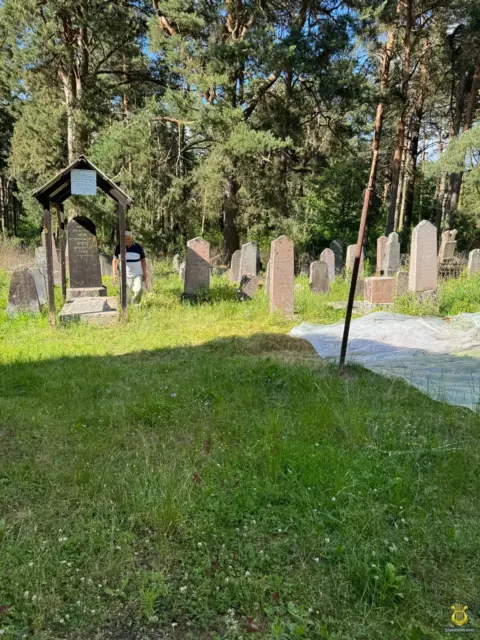
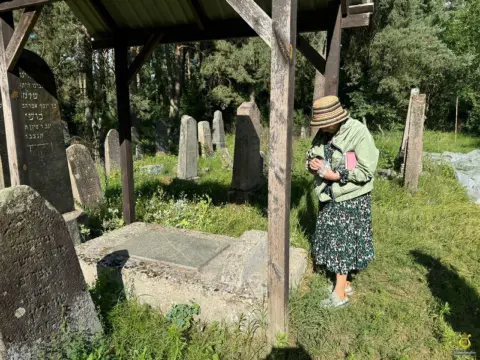

Other graves



Source: https://silatehilim.com/en/kivrei_tsadikim/шимон-йегуда-шкоп-шаарей-йошер/
Material from our site may be copied for the purpose of spreading Torah, provided a link to Silatehilim.com is included. Any use of the site's material in print publications or for commercial purposes is prohibited without the rights holder's consent.