

 Sila Tehilim
כוחה של תהילים
silatehilim.com
Sila Tehilim
כוחה של תהילים
silatehilim.com
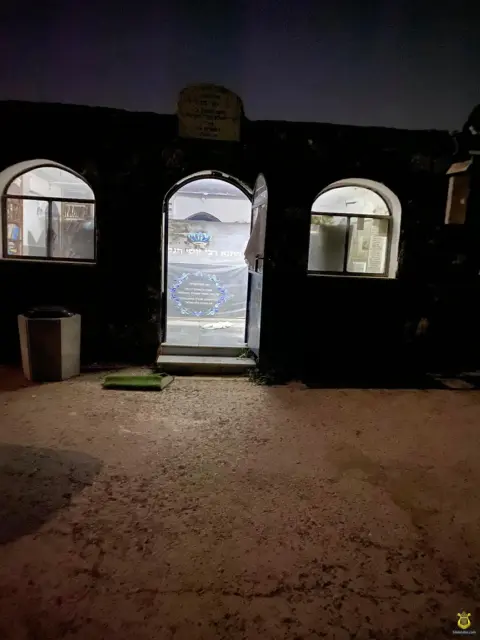
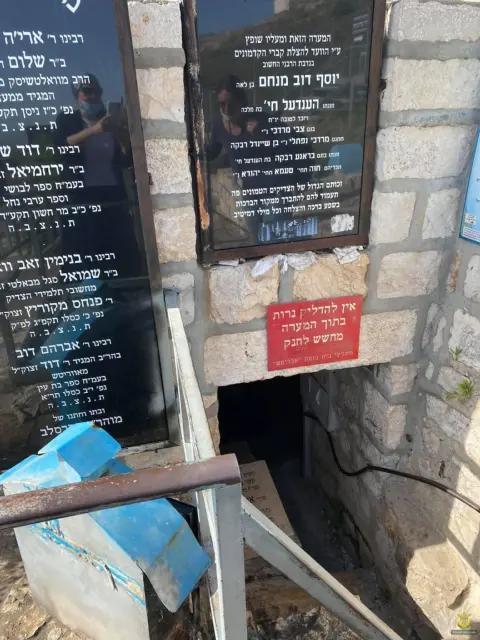
Grave
Ezra HaKohen Sofer
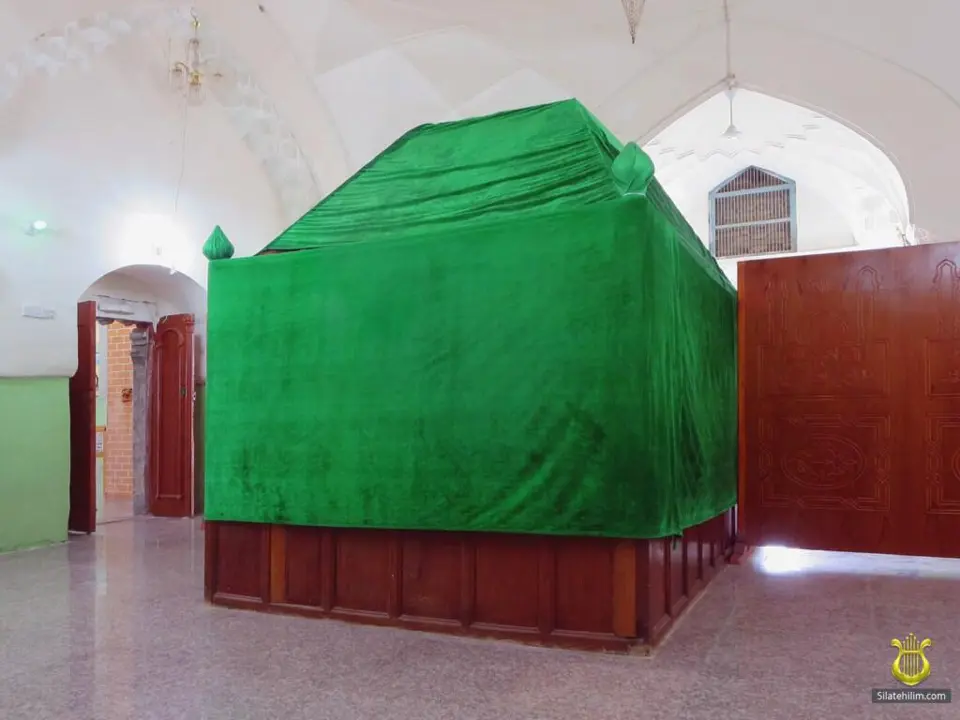
Yahrzeit (Hillula)
- 9 Tevet — Ezra Sofer
Rabbi Ezra HaKohen Sofer, born in the Babylonian exile, came from a family of Kohanim Gedolim (High Priests). From childhood he studied the Holy Scriptures with great zeal and was widely known in the Jewish communities of Babylonia and Persia as a master of Torah. For this, his contemporaries gave him the honorable title "HaSofer," meaning both "scribe" and "scholar."
He distributed scrolls of the Holy Scriptures that he had copied himself, and was a profound expert and commentator on them. Ezra's teacher was Baruch, a disciple of the prophet Yirmeyahu (Jeremiah).
A few years before the Babylonian catastrophe, during restoration work, hidden scrolls of the Holy Scriptures were discovered in the Jerusalem Temple. When Baruch went to Babylon, he took them with him, and later passed them on to his beloved disciple Ezra. Out of devotion to his elderly teacher, Ezra returned to his homeland only after Baruch's death, bringing with him the completed scrolls of the Five Books, in order to strengthen his brethren spiritually and guide them onto the right path.
For his mission in Judea to succeed, Ezra needed to hold civil authority — that is, to have authorization from the Persian king Artaxerxes Longimanus, who knew Ezra well as his court scribe. Artaxerxes provided Ezra with a "nishtevan" (a written decree) granting him the broadest possible powers. Ezra was permitted to take with him from Babylonia to Yerushalayim all the Jews who wished to go. He was allowed to collect donations among the Babylonian Jews for the Temple and for the needy inhabitants of Judea. Rich gifts for the Temple were given to Ezra by the king himself and his advisors. Royal officials were obligated to assist him. All Kohanim, Levites, and other servants of the Jerusalem Temple were fully exempted from taxes.
And most importantly, Ezra received the right to declare the Torah the civil code of the Jews — that is, to bring the life of the people into accordance with the laws of the Holy Scriptures. For this purpose, he was authorized to appoint judges in Judea.
In the seventh year of the reign of Artaxerxes, "there went up (some) of the children of Israel, and of the Kohanim, and the Levites, and the singers, and the gatekeepers (of the Temple)... unto Yerushalayim" /Ezra 7:7/.
Ezra set out on the 1st day of the month of Nisan and, five months later, on the 1st day of the month of Av in the year 3412 /348 CE/, arrived in Yerushalayim. The scene that opened before him was bleak. The people had forgotten the Holy Teaching, were mired in vice, had intermarried with pagans, had lost respect for their sacred things, and had grown impoverished in mind and heart. Ezra refused food and drink, tore his garments, and in deep sorrow sank down upon the steps of the Temple, remaining motionless until evening. A crowd gathered around him, but he did not see them. So profound was his grief that no one dared speak to him.
Only when evening came did Ezra rise and pour out his soul in prayer to the Almighty. And apparently the words of that prayer were extraordinary, for they shook even the most hardened hearts. People came up to Ezra and touched the hem of his garment. Ezra demanded that the Jews send away their pagan wives. This demand meant the dissolution of family bonds, the sacrifice of personal feelings for the sake of the national cause. Ezra understood that in this matter, where the future of the Jewish people was at stake, there could be no room for pity, and that leniency would have been an unforgivable sin. Only by purifying Jewish society of foreign elements could it be rebuilt according to the laws of the Torah. The people accepted Ezra's demand, and within three months all the mixed marriages were dissolved.
Ezra's merits before the Jewish people are inestimable. Later generations said of him: "The Divine Teaching would have been forgotten and lost, had Ezra not restored it."
(http://www.beerot.ru/статьи/эпоха-второго-храма/второй-исход-из-вавилона-эзра-а-софер/)
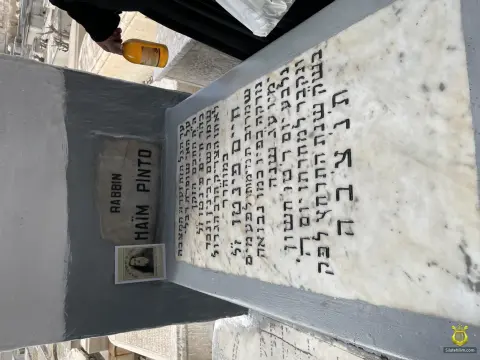
Other graves
Source: https://silatehilim.com/en/kivrei_tsadikim/9-тевета-йорцайт-рабби-эзра-а-коэн-соф/
Material from our site may be copied for the purpose of spreading Torah, provided a link to Silatehilim.com is included. Any use of the site's material in print publications or for commercial purposes is prohibited without the rights holder's consent.