Grave
Pinchas ben Yair
Tanna
Yahrzeit (Hillula)
- 4 Tevet — Rabbi Pinchas ben Yair - Tanna
Rabbi Pinchas ben Yair was a Tanna of the 4th generation, and the father-in-law of Rabbi Shimon bar Yochai. He excelled in two mitzvot – maaser (separating tithes) and pidyon shvuyim (redeeming captives) – and is also well known for his teaching on the levels required to attain Ruach HaKodesh.
Rabbi Pinchas ben Yair is mentioned in the Zohar HaKadosh:
188. Before boarding the ship, birds approached, and in the beak of one of them was a letter. It was written that Rabbi Shimon bar Yochai had come out of the cave together with his son, Rabbi Elazar. Rabbi Pinchas went to them and found them greatly changed: their whole bodies were covered with sores (like holes in the ground – Talmud, Bava Batra 19:2) from having remained so long in the cave. He wept and said, "Woe is me, that I should see you like this!" Rabbi Shimon answered him, "Happy is my lot that you have seen me in this state, for had you not seen me like this, I would not have become what I am!" Rabbi Shimon then revealed teachings on the mitzvot of the Torah and said, "The mitzvot of the Torah which the Creator gave to Israel are all described in general terms."
The Mice and the Maaser
Rabbi Pinchas ben Yair once visited a town whose residents complained that mice were eating their entire harvest. Rabbi Pinchas ben Yair ordered all the mice to gather in the center of town. They came and began to squeak, and he relayed the mice's message that the residents had been punished because they had not separated terumah and maaser from their crops. After the residents resolved to change their ways, the mice stopped eating their harvest.
The River
Rabbi Pinchas ben Yair was once traveling to redeem a captive. He reached a river together with another Jew and an Arab merchant. They needed to cross the river so as not to lose time going around it, and Rabbi Pinchas ordered the river to part and let them through, but it refused, saying it was fulfilling the will of its Creator, who had commanded it to flow. Rabbi Pinchas then threatened to dry it up, and it obeyed his command. He then asked it to part for the Jew who was carrying wheat for the mitzvah of baking matzah, and it split a second time. Then he asked it to part once more for the Arab, so that it would not appear that the Jews were abandoning their traveling companion, and the river obeyed Rabbi Pinchas's command a third time.
Rabbi Pinchas ben Yair's Donkey
Rabbi Pinchas ben Yair's donkey is an example of a righteous animal. It refused to eat oats from which maaser had not been separated. Once, on the way to freeing captives, Rabbi Pinchas stopped at an inn, where they tried to feed his donkey, but it refused to eat. They tried grinding the oats and even cleaning them of dirt, but nothing worked. Only after Rabbi Pinchas inquired whether maaser had been separated, and it was finally separated, did the donkey agree to eat.
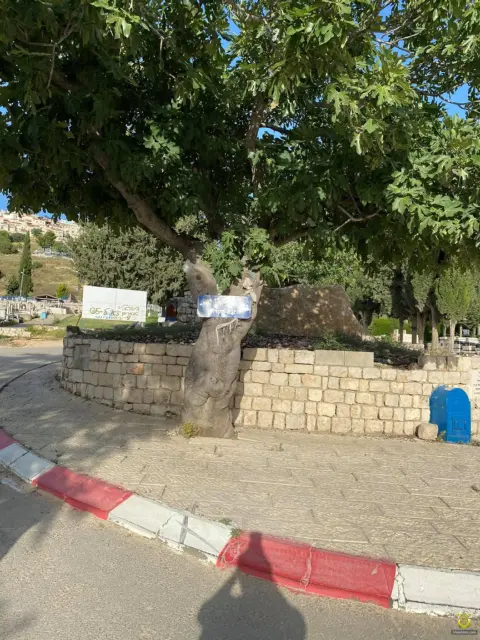
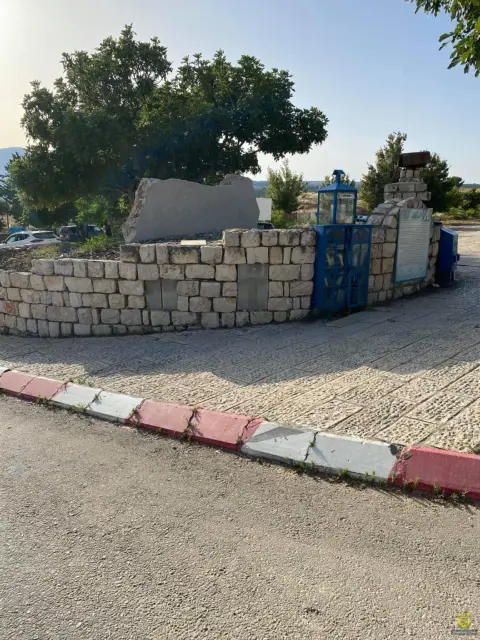
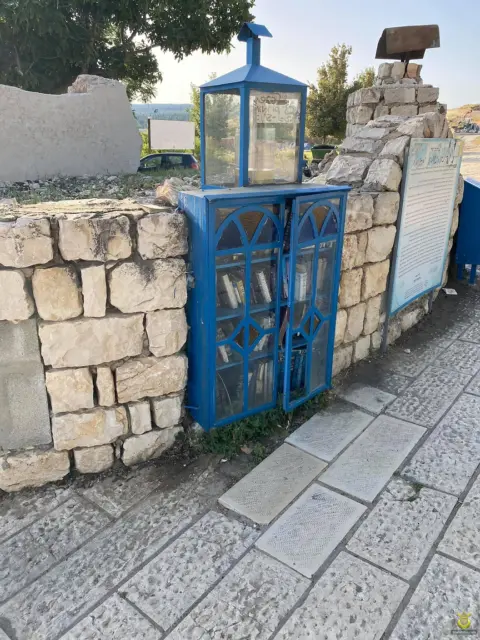
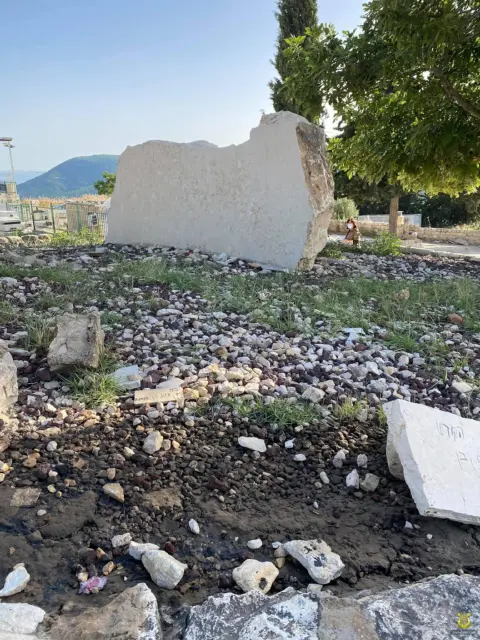
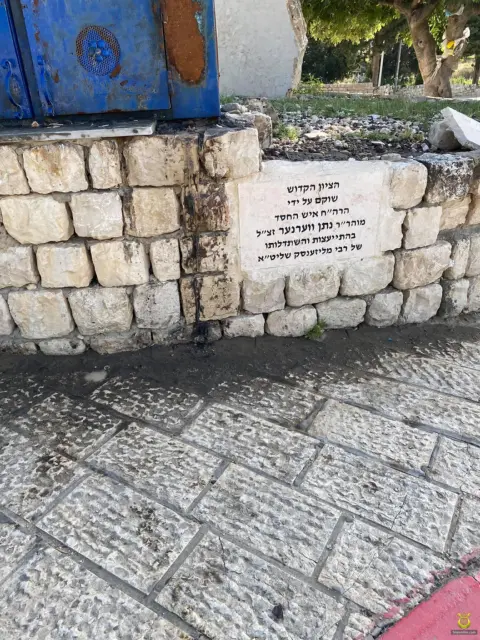
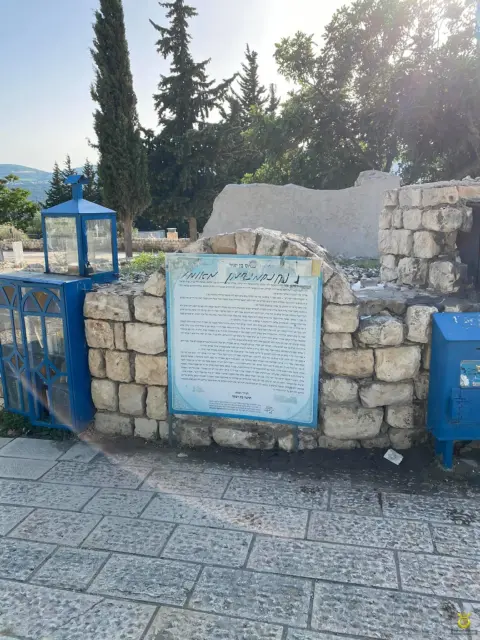
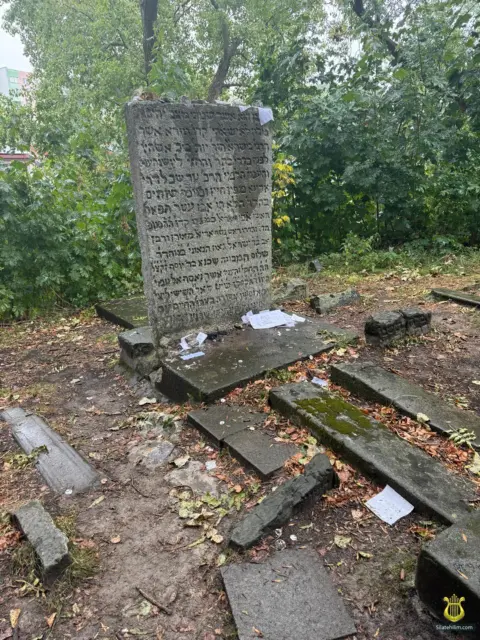
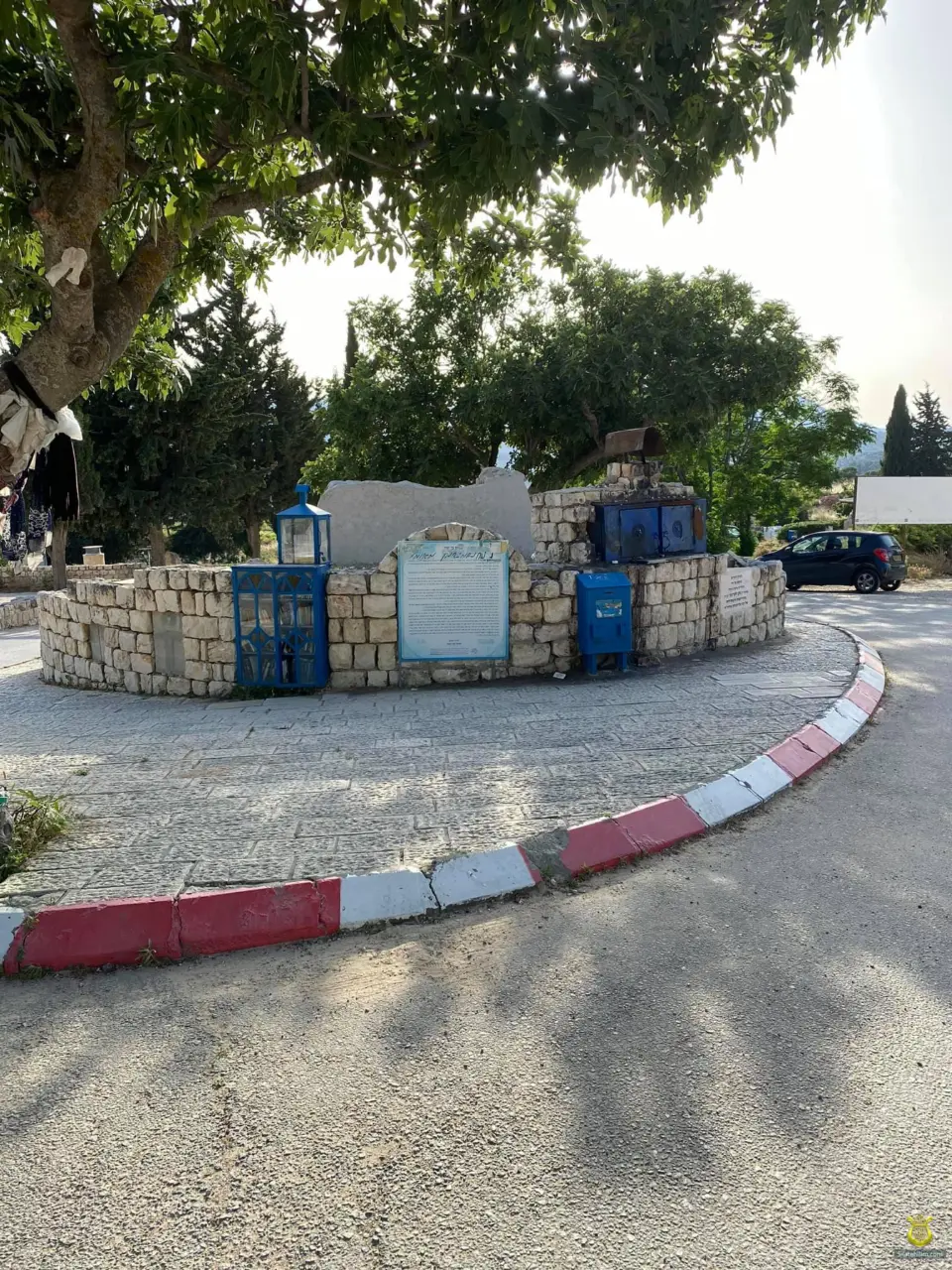
Rabbi Pinchas ben Yair is buried near the lower entrance to the old cemetery of Safed – the Arizal was the first to mention Rabbi Pinchas's grave in Safed. For many years the site was marked only by a pile of stones.
The Testament of Rabbi Pinchas ben Yair
Safed tradition relates that Rabbi Pinchas instructed his students not to place a monument on his grave: a person's name is glorified not by an inscription on a monument, but by his deeds. Despite his request, the students erected a large monument, but it fell and was destroyed. When the students returned and rebuilt the monument, the prophet Eliyahu appeared to them and rebuked them for doing so. The monument was never rebuilt again.
This tradition is based on a 17th-century source, which references the Ari and his intention to build a monument. The Ari abandoned his intention after being warned in a dream. This is how the custom of circling the grave arose, a custom that is apparently hundreds of years old. Safed tradition relates that before his death, Rabbi Pinchas instructed that no one should stand beside his grave in prayer, which is why prayers are recited while circling it.
This tradition is already described in an account of a visit by the Admor of Munkacs (Rabbi Chaim Elazar Shapiro).
Segula – while circling Rabbi Pinchas's grave, recite Psalm 29 and the prayer "Ana BeKoach."
(http://www.zissil.com/topics/Rabbi-Pinchas-Ben-Yair#Hillulah_of_Rabbi_Pinchas_Ben_Yair)
Gallery