
Grave
Yanuka
son of Rav Amnuna Saba (Zohar HaKadosh)
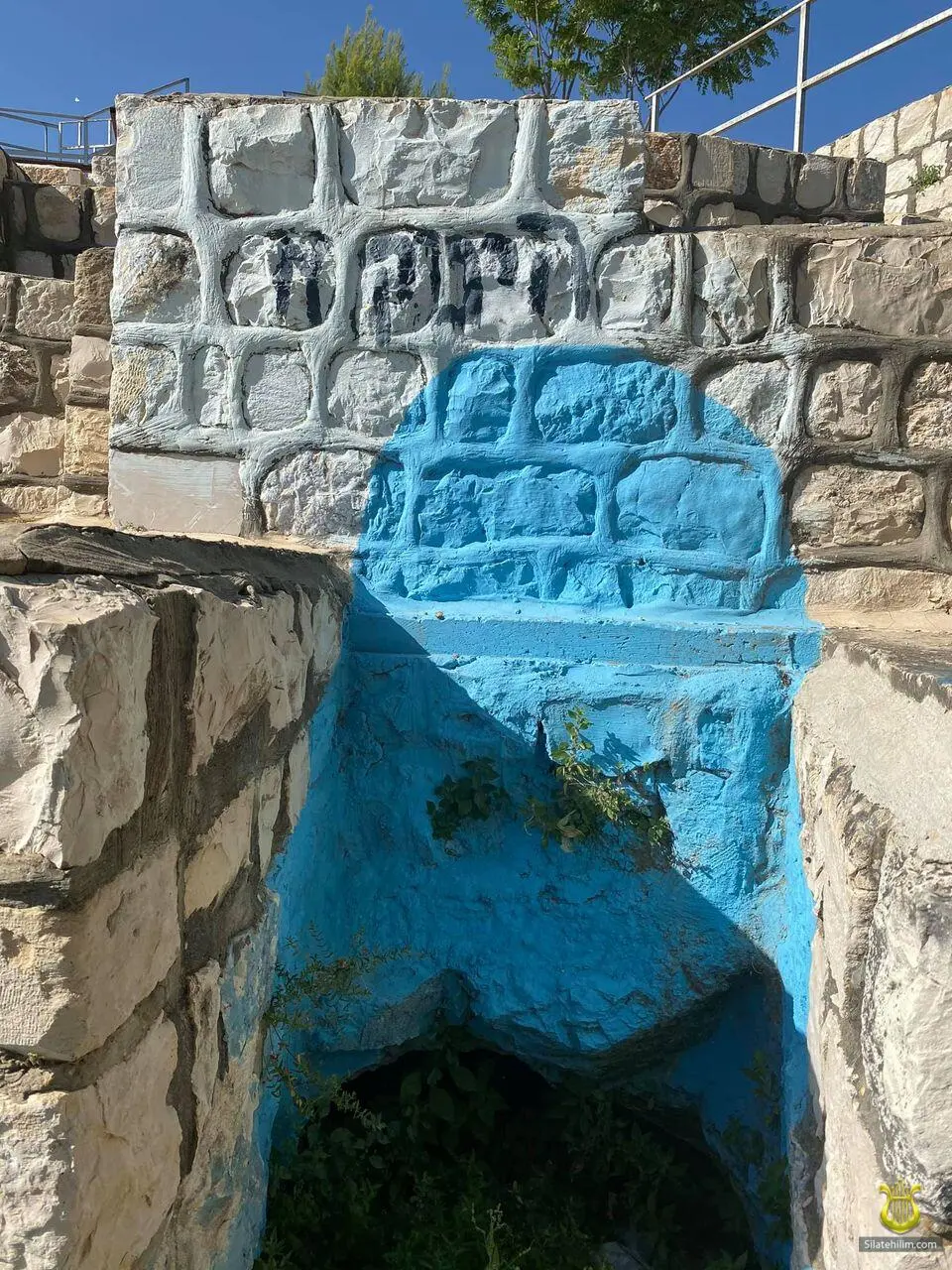
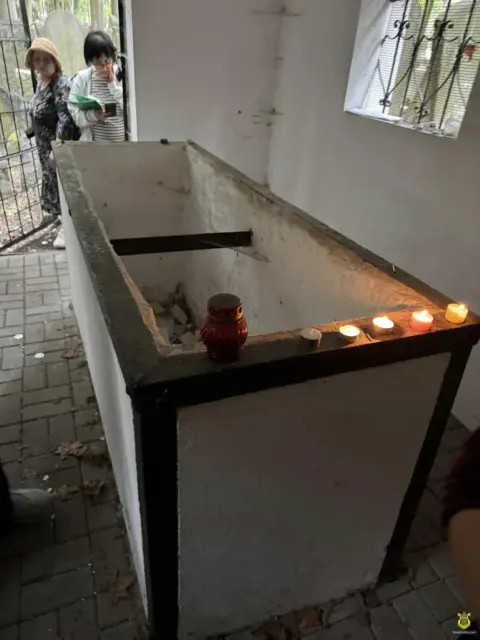
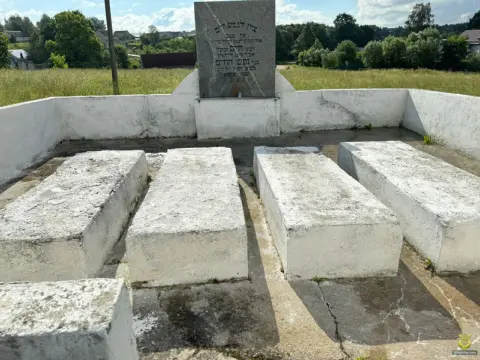
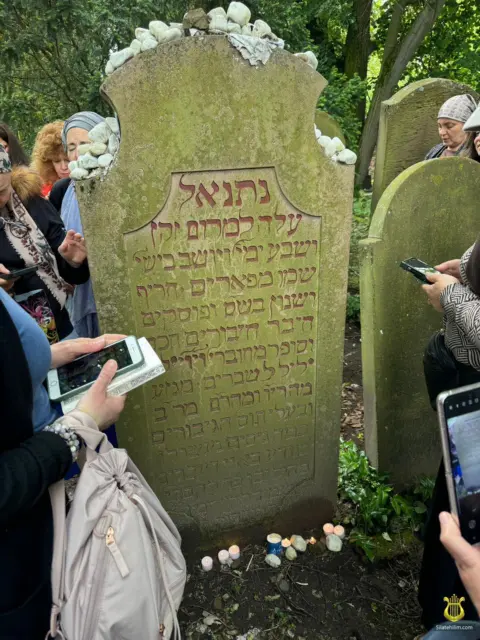
Grave of the "Yanuka" - son of Rav Amnuna Saba from the Zohar HaKadosh
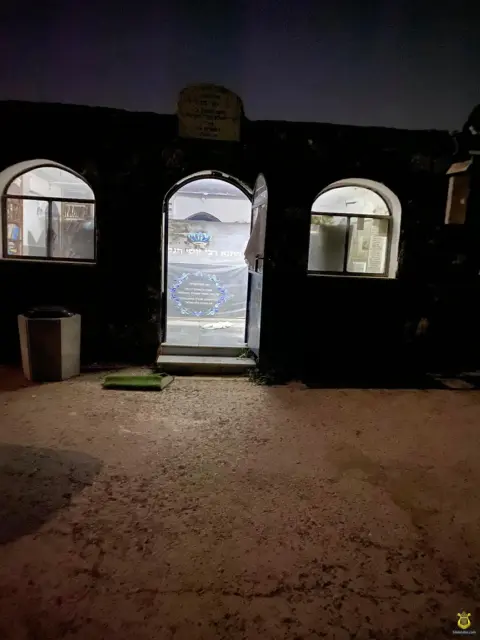
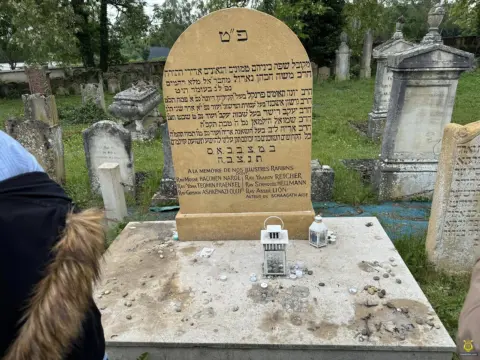
Burial place - Beit HaChaim, Tzfat.
Yanuka in Aramaic means "boy" or "youth."
The Yanuka from the Zohar HaKadosh is also mentioned by the Alter Rebbe in the Tanya.
The Yanuka from the village of Sichnin was a child prodigy, mentioned several times in the Zohar HaKadosh.
There are two opinions about where he is buried.
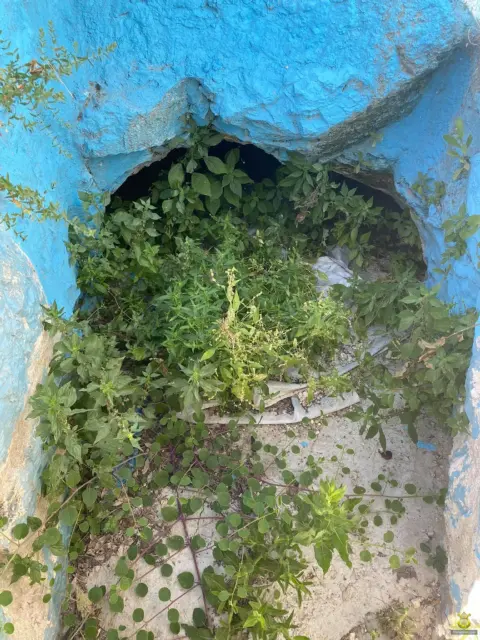
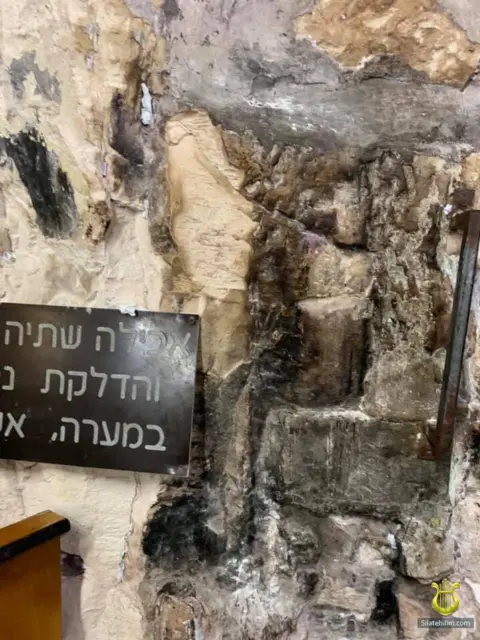
It is traditionally believed that his resting place is in the cave above and to the left of the grave of Rabbi Yehoshua ben Chananya, whose entrance is right next to the grave of Rabbi Yehoshua Bin Nun, a disciple of the Arizal.
According to a recent study by Yisrael Meir Gabbai and Ohalei Tzadikim, based on the descriptions of early visitors, the burial site is considered to be the cave in which Rabbi Yaakov Beirav is buried.
When Rabbi Nachman of Breslov came to Tzfat during his journey to Eretz Yisrael, he visited the cave of the Yanuka.
Before that time, people refrained from entering the cave for fear that a snake lived inside it.
After Rabbi Nachman entered and came out unharmed, people also began to enter it.
In the generation of Rabbi Shimon bar Yochai, author of the Zohar, even young boys grasped the secrets of the Torah, its inner dimension. The same is meant to occur in the period preceding the coming of Mashiach.
The Yanuka in the Zohar HaKadosh
Rabbi Yitzchak and Rabbi Yehuda were on the road. They arrived at the village of Sichnin, at the place where Rav Amnuna Saba had (previously) lived. There they went to visit his wife, who had a young son. Every day he was usually at school, but on that day he returned home and saw these sages.
His mother said to him: "Go up to these exalted men and receive a blessing from them." He approached them, but immediately withdrew. The boy said to his mother: "I do not wish to come near them, for today they did not read the Shema on time, and the entire day has been rejected."
They were astonished to hear this.
They raised their hands and blessed him. They confirmed: "Indeed, we did not recite the Shema, because today we were occupied with the concerns of a bride and groom who lacked all necessities, and their wedding was being delayed, and there was no one to take care of them, so we took care of them, and therefore did not recite the Shema on time. And one who is engaged in one mitzvah is exempt from another."
They asked him: "How did you know this, my son?"
He answered them: "I determined it by the scent of your clothing as I approached you." They were amazed. They sat down. They washed their hands and began to eat bread.
Rabbi Yehuda's hands were dirty. He washed his hands and made the blessing, and the boy (before the washing) said to him: "If you are disciples of the Chasid Rabbi Shmaya, you should not make a blessing with dirty hands; a person who recites a blessing with dirty hands is liable to death."
This child spoke up and declared: "When they enter the Tent of Meeting, they shall wash with water, that they not die."
From this statement we learn that one who does not attend to this and appears before the King with unclean hands is liable to death. For a person's hands must be raised up to the summit of the world.
"But earlier I noticed that you did not read the Kriat Shema, and now I see that you are not lofty holy men. For my father always drives the donkeys of holy men, so as to carry with them the yoke of Torah. But since you have not merited this and my father did not drive your donkeys, I cannot tell you his name."
Rabbi Yehuda said to Rabbi Yitzchak:
"It seems to us that this boy is not a human being (he is like an angel)." They ate, and the boy spoke words of Torah and chiddushim of Torah. They said: "Let us bless." The boy said to them: "You have spoken well, since the Holy Name is blessed in Birkat HaMazon only through the power of the invitation (zimun)."
To recite the Shema takes 3 minutes. Why couldn't the Holy Tannaim spare those 3 minutes to read this passage, and only afterward occupy themselves with collecting funds for the bride and groom?
The reason is that if the passage of the Shema is recited without kavanah, the mitzvah is not considered fulfilled. And the spiritual level of the holy Tannaim was so high that they could not focus on the kavanah of the Shema while knowing that a bride and groom needed their help. Therefore, in this case, most of us are not permitted to follow the example of the holy Tannaim (we do not sufficiently empathize with the troubles of others).
The Tanya on the Yanuka
The Alter Rebbe quotes the boy ("Yanuka") from the book of the Zohar regarding King Shlomo's statement:
"Let there be no lack of oil upon your head."
"Oil is good deeds, and there is a need to ensure a constant supply of 'oil' – good deeds. It is known that everything in the Tanya is exact down to the letter, and certainly no word is there by chance.
But then, at first glance, it seems puzzling why, when quoting the Zohar, the Alter Rebbe uses precisely the word "Yanuka": "And first of all, let us bring the comment of the yanuka (in the book of the Zohar, portion Balak)."
What made the Alter Rebbe note that these words belong to a boy?
It is written in the Zohar and in the teachings of Chassidus, and also briefly in the introduction to the Tanya, that everything said in the Oral Torah by the sages - the Tannaim and Amoraim (sages of the Mishnah and Talmud) - relates to the individual root of their soul.
The statement of the "yanuka" is connected precisely to the fact that he is a "yanuka" - it was by virtue of his relation to a certain aspect of "yanuka" that he expressed this teaching. Moreover, the Alter Rebbe emphasizes here, in identifying the author of the quote, precisely that these words were said by the "yanuka," and not by "the son of Rav Amnuna."
Therefore, the subject of the statement is inwardly connected not with the aspect of "son of Rav Amnuna" - who, incidentally, was a descendant of Moshe Rabbeinu - but specifically with the aspect of "yanuka."
Regarding the greatness of the generation of Rabbi Shimon bar Yochai, it is said in his book, the Zohar (part 2, p. 147a and part 3, p. 58a), that even children studied and revealed the inner, hidden level of Torah. But this, seemingly, is puzzling: why specifically children? For we find great Torah sages who did not reveal the secrets of the hidden level of Torah, and there are also known Tannaim and Amoraim who did not engage with the hidden level of comprehending Torah. Why, then, was it specifically children who occupied themselves with this? An answer may be found in a parable told by the Alter Rebbe, in which a king was prepared to grind into powder the most precious stone, an adornment of his royal crown, in order to help his gravely ill son recover with a medicine prepared from that powder, since the son was no longer able to consume any other food.
In light of the fact that "yanuka" points to a lowly spiritual level, we can understand what connection the greatness specifically of physical actions in fulfilling the commandments has with the aspect of "yanuka." And indeed, a characteristic feature of the Torah's precepts connected specifically with physical actions is precisely this descent to the lowest level - the transition from thoughts and words to concrete deed, to fulfillment, to building a dwelling place for the Almighty specifically in the lower worlds. As a result, the special significance of this aspect was revealed not through the great sages of the Mishnah, the Tannaim, who were present there and are mentioned many times in the Zohar - Rav Yehuda and the like - but specifically from the mouth of a boy, the "yanuka."
The "Yanuka" spoke of the need to ensure a constant supply of "oil" – good deeds.
(Compiled by Silatehilim.com based on the Zohar HaKadosh, Balak, translated by Rav Tzvi Nisanzon; Tanya, Sefer Shel Beinonim, 34)
Gallery