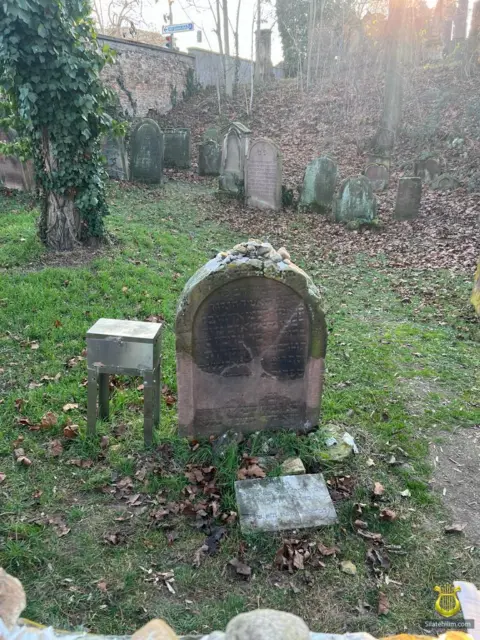
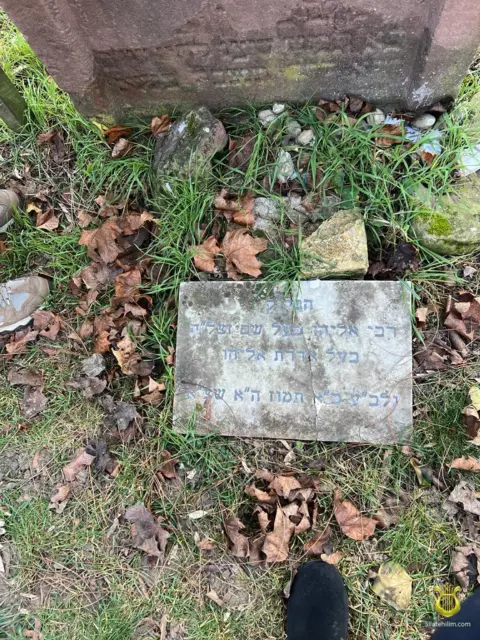
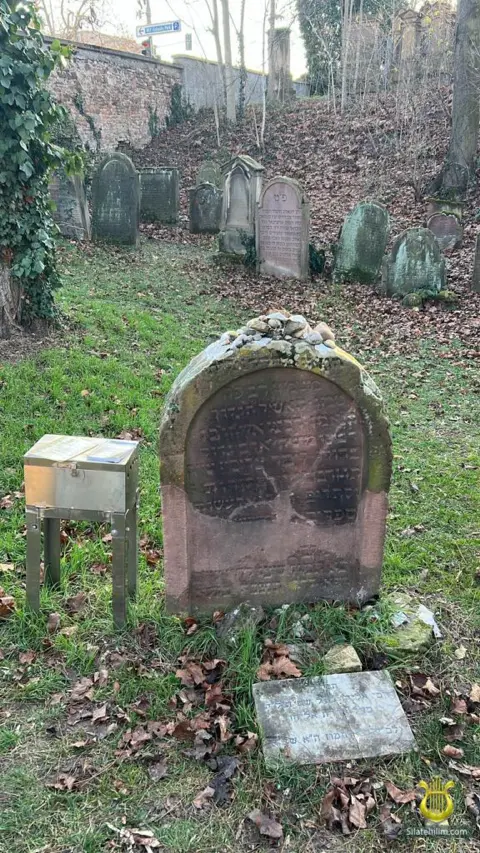
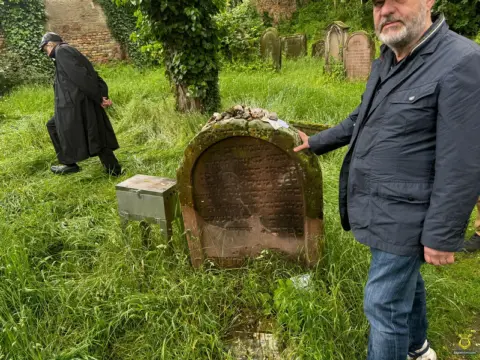
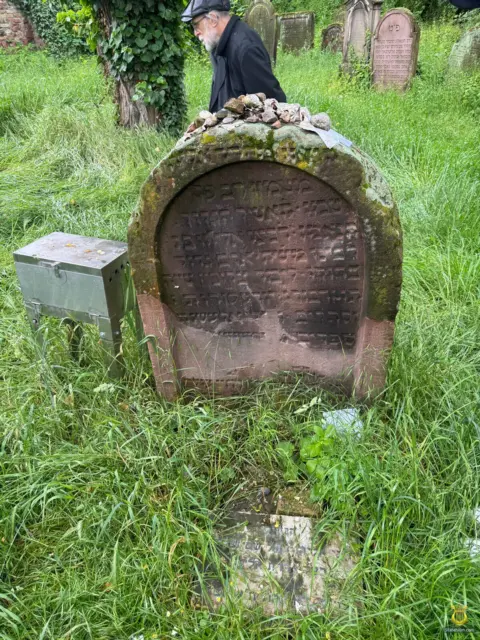
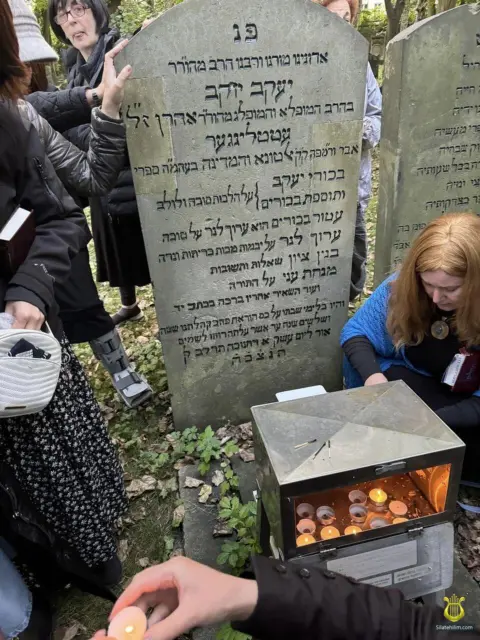
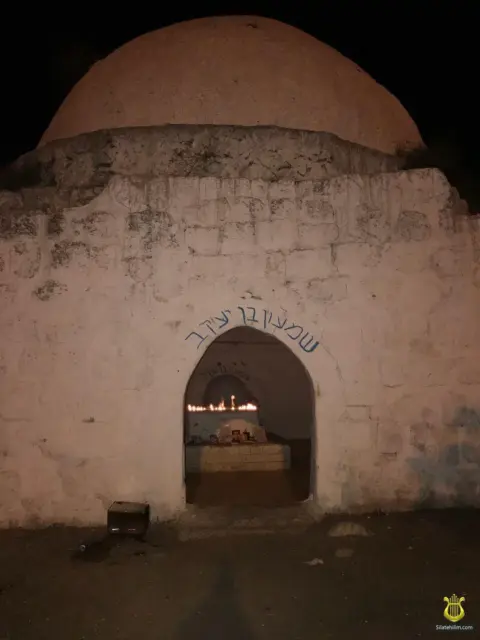
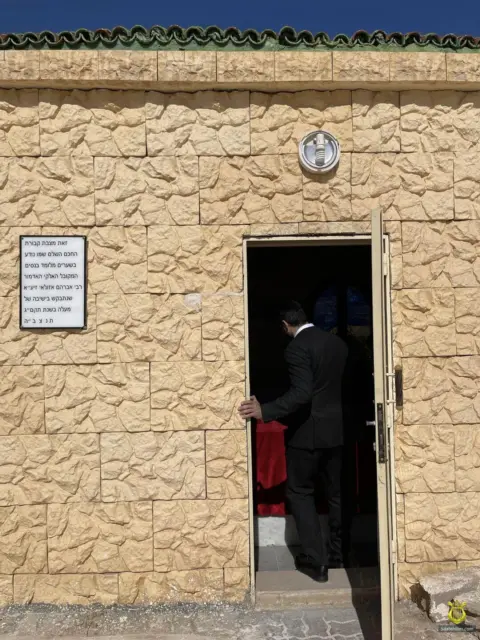
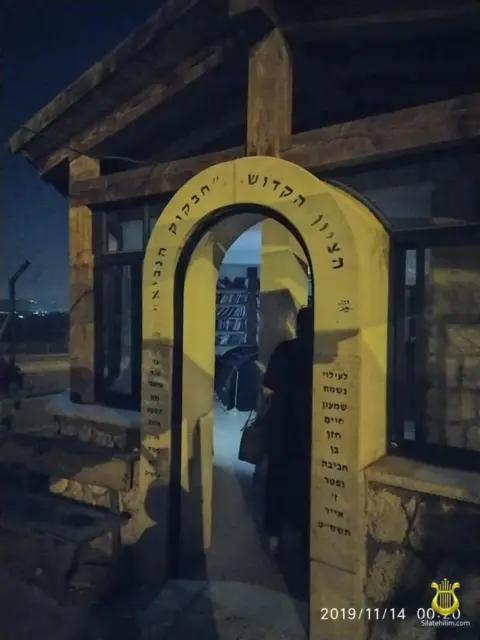
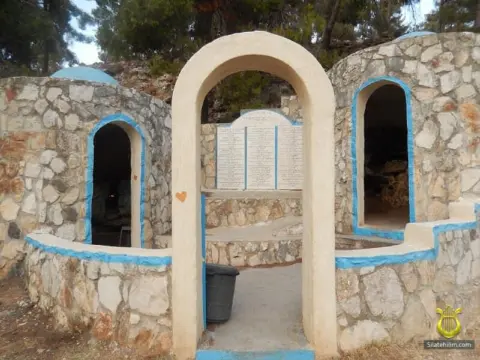
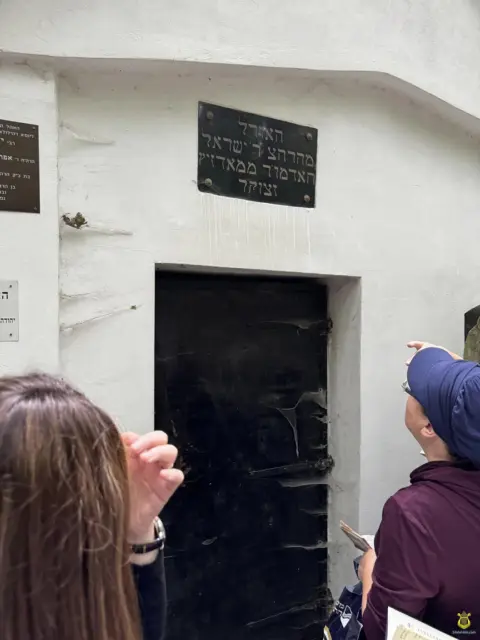
Grave
Eliyahu Baal Shem of Worms
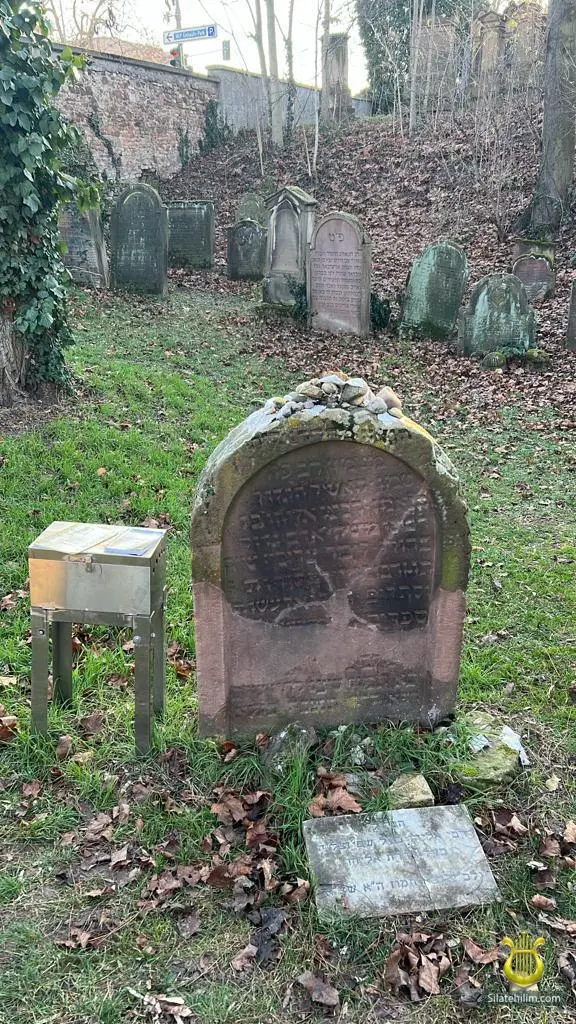
Yahrzeit (Hillula)
- 21 Tammuz — Eliyahu Baal Shem Tov of Worms
- 21 Tammuz — Rabbi Eliyahu Baal Shem Tov of Worms
Rabbi Eliyahu Baal Shem Tov bar Moshe Luntz of Worms (leader of the nistarim, teacher of the "Tosafot Yom Tov") - a kabbalist (1555-1636).
Yahrzeit - 21 Tammuz
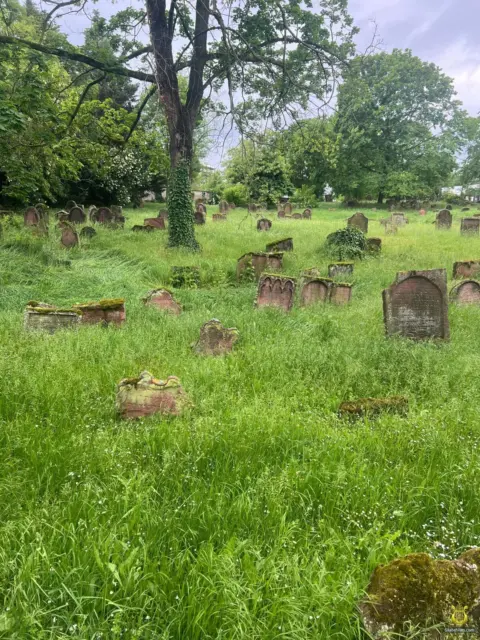
Burial place - Worms, Germany
He was born in Frankfurt. His grandfather was Yosef Luntz - known as "Rabbi Yuzelman" - at the court of the German emperor. There is a tradition that his lineage traced back to the family of Rashi; on his mother's side he was a grandson of Yochanan Luria, and on his father's side, of Yosele of Rosheim.
Rabbi Eliyahu studied in the yeshiva of Rabbi Akiva Frankfurter, and with Rabbi Yaakov Ginzburg of Friedberg, as well as in the yeshiva of the Maharal of Prague.
He made his way to the city of Krakow in the Polish kingdom, of which he wrote: "a great city of sages and writers, knowledgeable in Torah and medicine," and joined the yeshiva of the local Rabbi Menachem Mendel Avigdors, who also taught Kabbalah.
While in Krakow, Rabbi Eliyahu corrected the manuscript of the Rema's book "Darkei Moshe" (The Ways of Moshe) and printed it. In recognition of this, the Rema's brother - Rabbi Eliezer Isserlis - gave him another manuscript by the Rema on the Sefer Zohar. Rabbi Eliyahu combined this manuscript with his own work - "Aderet Eliyahu" on the Zohar.
Around 1594 he returned to Germany. He first settled in Frankfurt, and then traveled through various cities. Upon returning to Worms, he took up the position of Rosh Yeshiva. After the death of the previous rabbi, he was officially appointed rabbi of Worms.
He became known for his practice of Kabbalah and the writing of amulets, and was known by his nickname "Rabbi Eliyahu Baal Shem."
He was the author of the following works:
- "Rinat Dodim" (Basel, 1600) - a commentary on "Shir HaShirim";
- "Miklol Yofi" (Amsterdam, 1695) - a commentary on "Kohelet";
He also wrote commentaries on: "Chovot HaLevavot" by Rabbeinu Bachya; "Tzofnat Pane'ach" - on the "Tikunei Zohar"; and a commentary on "Bereishit Rabbah."
The Legend of His Birth
In 1501, a certain Spanish Jew named Rabbi Yosef Yozpa settled in the city of Krakow.
He was about 50 years old. An unmarried man with a bachelor's habits, he was held in great esteem by the community for his righteousness. His days were entirely devoted to study and prayer. Thirty years after he moved to live in Krakow, something happened that changed his entire way of life.
A young merchant was killed and left behind a childless widow. At that time, Rabbi Yosef Yozpa was studying Torah with Eliyahu HaNavi. After the woman's husband died, Eliyahu HaNavi told Rabbi Yosef that he must marry her in order to bring into the world a certain pure soul, whose task would be to help all Jews. Six months passed, and one day Rav Yosef appeared before the rabbinical court and announced his intention to marry the young widow. They sent a messenger for her. When she came, she burst into tears of relief. When she was pressed to explain, she told of a dream that had recurred several times. Her late father had come to her in his Shabbat clothes, blessed her, and instructed her to marry Rabbi Yosef. Now that she had heard he was ready to marry her, she understood the meaning of the dream. The whole community rejoiced and came to take part in the wedding. A year later they were blessed with a son, whom they named Eliyahu in honor of Eliyahu HaNavi.
At the age of two, the boy was already studying Torah together with his father. His father taught him holiness and seclusion from worldly affairs until his bar mitzvah age. Two weeks before the boy's bar mitzvah, his father called his wife and told her that he must return his soul to the Creator. He asked her not to cry or mourn him too much. She should allow their son to follow, unhindered, the path that he desired. Rabbi Yosef Yozpa passed away. A few weeks after his bar mitzvah, young Eliyahu told his mother that he wished to leave home and go into seclusion. She agreed to let him go.
For the next 40 years, no one knew where Eliyahu was or what he was doing. By the time he settled in Worms, Germany, he was already known as Rabbi Eliyahu Baal Shem. He came to Worms accompanied by his wife. They had already married off their son and two daughters. Rav Eliyahu became famous as a Baal Mofet (miracle worker), and now people flocked to him to find deliverance from their troubles.
Rabbi Eliyahu possessed a most brilliant mind, absorbing mystical knowledge literally from the Holy Zohar, the teachings of the Arizal, and Rabbi Moshe Cordovero.
At the tender age of 13, he was already a master of Kabbalah. Gifted with a logical mind, he also possessed the ability for explanation and eloquence. He began to popularize the study of Kabbalah among Torah scholars, and thanks to him, it soon became an accepted subject in other yeshivot of that time (Worms, Prague, Lublin, and Chelm). His efforts to spread Kabbalah met with opposition from some rabbis. To further spread Kabbalah, Rabbi Eliyahu formed a group of hidden tzadikim (nistarim), who remained anonymous. They were to wander from place to place, reach out to simple people throughout the land and inspire them to good deeds in the service of Ha-Shem, while at the same time working on scholars to introduce them to the study of Kabbalah.
The circle of nistarim grew larger and larger under Rabbi Eliyahu's leadership.
Later he passed on the leadership of his teaching to the Baal Shem of Zamosc, who in turn passed it on to Reb Adam Baal Shem of Ropshitz. It was from Rabbi Adam that this teaching came to Rabbi Yisrael Baal Shem Tov, who then spread Chassidism.
Rabbi Yom Tov Lipman Heller, also known as the "Tosafot Yom Tov," was one of his students.
May the merits of the Tzadik Rabbi Eliyahu Baal Shem Tov protect us all!
[in the photo]
"Shaarei Dura" with the Glosses of the Maharshal - Basel, 1599 - Edition of Rabbi Eliyahu Baal Shem of Worms
(From a trip to the Kivrei Tzadikim in Alsace-Lorraine with Rabbanit Chava Kupperman; https://dailyzohar.com/tzadikim/49-Rabbi-Eliyahu-Baal-Shem)
Gallery