Grave
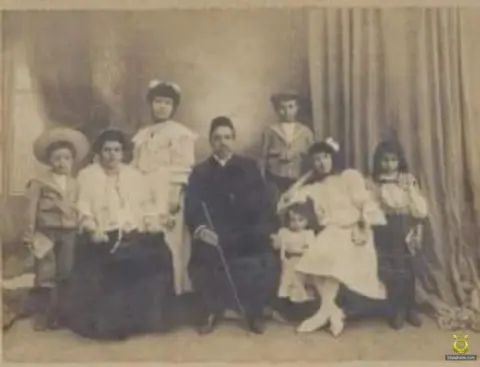
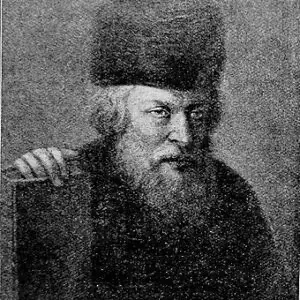
Rabbi Eliyahu Suleiman Mani
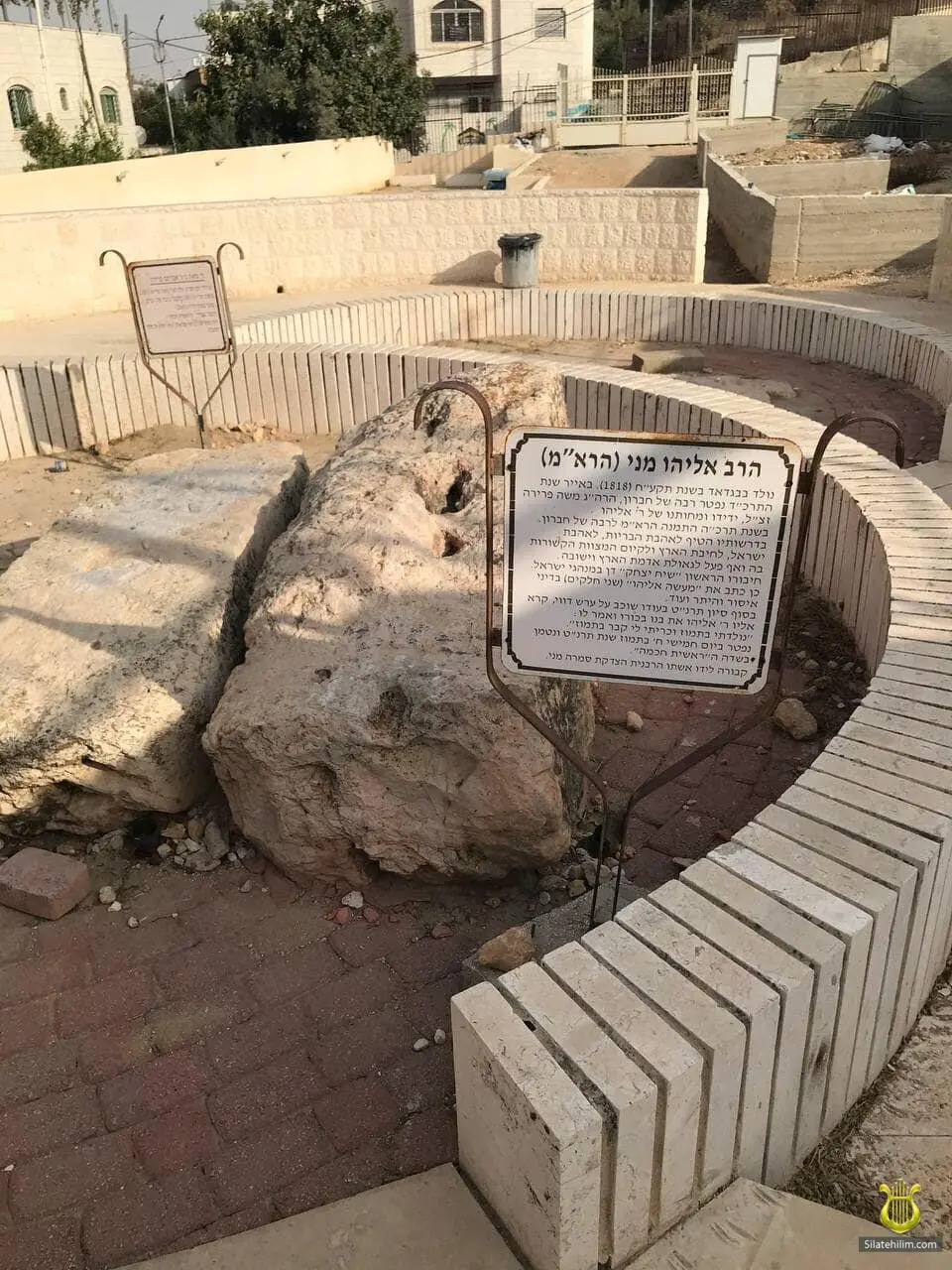
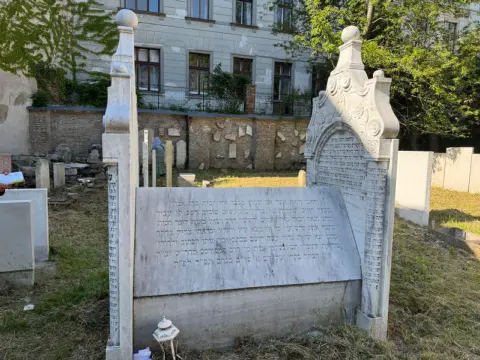
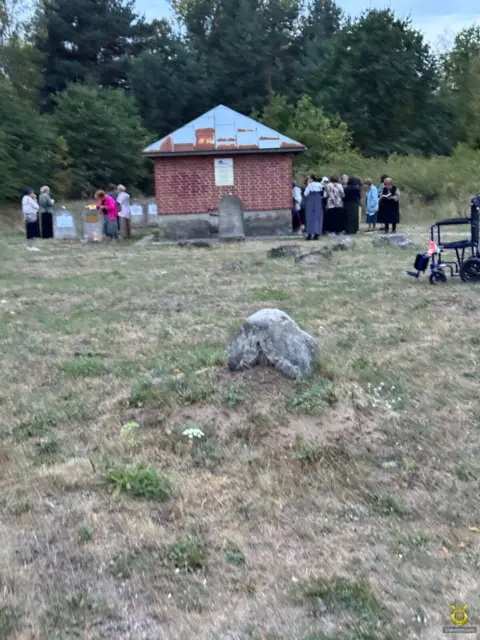
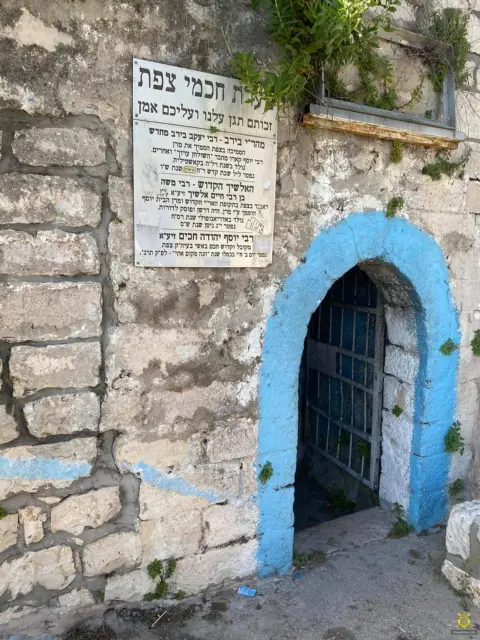
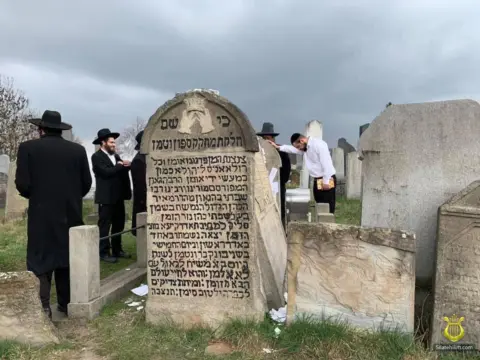
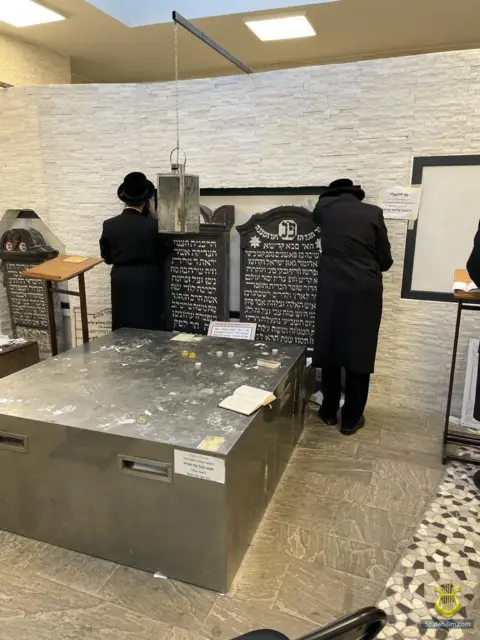
The Grave of Rabbi Eliyahu Suleiman Mani
Yahrzeit - 8 Tammuz;
Place of burial - Hebron, the Jewish cemetery;
Rabbi Eliyahu Mani was born in Baghdad, Iraq. However, after receiving a bracha (blessing) from the great Kabbalist Rabbi Yosef Chaim ben Eliyahu (the Ben Ish Chai), he moved to Eretz Yisrael, where he settled in Hebron and became the head of the Jewish community.
It is known that the Ben Ish Chai corresponded with the Chacham and clarified many halachot pertaining to Eretz Yisrael specifically through Rabbi Eliyahu Mani, during the period when he served in the Kabbalist Yeshiva "Beit El."
In Hebron, Rabbi Eliyahu was respected not only by Jews, but also by the local Arab residents, who called him "Sheikh." After Rabbi Eliyahu passed from this world, he was buried in the Jewish cemetery; however, Arabs stole his body and reburied it in a Muslim cemetery. The Jewish community not only had to achieve the return of Rabbi Eliyahu's body, but also had to post a guard by his grave.
Honoring the Rashash
Rabbi Eliyahu wrote a Hakdama (introduction) to one of his books: "Today, the 27th of Shevat 5616, I took upon myself never to raise any questions about the sefer Nahar Shalom [by the grandson of the Rashash - Rabbi Shalom Sharabi] - because of a certain incident that occurred."
The "Sefer Pri Etz Hagan" tells the following story: Rabbi Moshe Chaim (son of the Ben Ish Chai) had a minhag of bringing respected Chachamim to his home every Shabbat for Seuda Shlishit.
Rabbi Moshe would then deliver a Dvar Torah before them. Rabbi Eliyahu Mani was a regular guest there. One Shabbat, Rabbi Eliyahu was delivering a Dvar Torah, and in the middle of his talk he spoke against the explanations of one of the great Mekubalim, Rabbi Shalom Sharabi. Rabbi Nissim Eni, a colleague of Rabbi Eliyahu and the grandson of Rabbi Shalom Sharabi, was present at the Seuda Shlishit. The two disputed the interpretation of a complex Kabbalistic problem that his grandfather, Rabbi Shalom Sharabi, had addressed. Having read Nahar Shalom's understanding of the matter, Rabbi Eliyahu declared: "This is not what the Rashash meant!"
After finishing his Dvar Torah, Rabbi Eliyahu felt terrible pain and was confined to bed for almost two days. He became gravely ill, and the doctors could not help him. He wept and began to say Vidui. By the third day he felt better and slowly began to recover. He called for his wife, Rabbanit Serach, and said: "Behold, you will bear a son, and we will name him Shalom, because the Mekubal Rabbi Shalom Sharabi appeared to me in a dream and rebuked me for speaking so sharply against his opinion. That was the cause of my illness.
He said to me: 'What right do you have to say that my grandson did not understand me! It is you who misunderstood my grandson's great words.'
Therefore he will not forgive me, and I will not survive this illness, unless I name my future son in his honor. I assured him that I would do so, and he forgave me." His wife gave birth to a son, and they named him Shalom, in honor of the great Mekubal, the Rashash.
A Gift from the King of Egypt
When Rabbi Eliyahu Mani visited Cairo, he was invited to the home of a very wealthy man, the head of the Jewish community. It so happened that this wealthy man was close to the king and had submitted a bid to supply all the military uniforms for his soldiers.
While Rabbi Eliyahu was staying at the wealthy Jew's home, the host was summoned by the King to a meeting of the royal council regarding the military uniforms for the soldiers. Before he set off for the palace, Rabbi Eliyahu told him to be very careful not to miss Mincha.
The man agreed. That very day, the wealthy man won the tender to supply the uniforms!
Then the time for Mincha arrived, and he left the council to find a secluded place to pray. When he returned from praying, the King asked him where he had gone. The wealthy man answered: "I went to pray."
The King asked: "How is this day different from all other days?"
The wealthy man replied: "I have a sage staying with me, and he told me that today I must be careful not to miss this prayer. So I followed his words."
The King said: "Please introduce me to him."
When Rabbi Eliyahu came before the King, he paid him honor. At that time, the King's daughter was very ill, and her father the King could not find a cure. The King asked the Chacham for help, and Rabbi Eliyahu politely replied:
"I am not a doctor." The relatives asked that Rabbi Eliyahu instead give her a bracha. Rabbi Eliyahu agreed, took a glass of water, and read several chapters of Tehillim over it. He gave the glass of water to the King's daughter to drink. When she finished drinking the water, the color returned to her face, and she recovered instantly! The King gave Rabbi Eliyahu a large sum of money and gifts for the needy of the Hebron community, and saw him off with great honor. (Sefer "Chachmei Ha-Sefaradim Be-Eretz Yisrael")
Kosher Observance
It is known that Rabbi Eliyahu Mani would only drink milk that had been set aside in advance from a cow that was about to undergo shechita (ritual slaughter), so as to make certain that it had no damaged organs.
The same held true regarding eggs - he would only eat eggs from hens that were later going to be slaughtered, so as to confirm that all the hen's internal organs were sound.
Rabbi Eliyahu was once in Damascus, Syria, for a charity event. A wealthy man of the city, Mr. Parchi, insisted on hosting the Chacham. Rabbi Eliyahu refused repeatedly, but Mr. Parchi kept insisting, until he promised Rabbi Eliyahu that he would provide him with a private room where he could study and pray in peace. Rabbi Eliyahu finally agreed, on the condition that no woman come near the place where he would be staying, because the clicking of their shoe heels would disturb his learning. Mr. Parchi agreed, and he was honored and delighted by Rabbi Eliyahu's decision.
During the meal, Rabbi Eliyahu behaved as he always did while traveling abroad, and ate only bread. However, Mr. Parchi, who had bought new pots, pans, plates, and cups so that there would not be the slightest issur (violation), would not allow Rabbi Eliyahu to eat only bread, and insisted that he eat from the wonderful food of the Seuda.
Rabbi Eliyahu, of course, refused.
Mr. Parchi would not give up, until he personally brought the shochet with his knife to show Rabbi Eliyahu that the man truly had Yirat Shamayim, and demonstrated the actual shechita.
Rabbi Eliyahu finally agreed to eat from the wonderful dishes set before him, due to the wealthy man's insistence. Mr. Parchi and all the guests were overjoyed and began serving Rabbi Eliyahu. As Rabbi Eliyahu was cutting the chicken, he noticed that one of the chicken's bones was broken, which raised a concern of safek treifa. Rabbi Eliyahu turned to Mr. Parchi to show him, and said: "I appreciate your immense respect for me, but you see, even Heaven wants me to keep to my chumrot (stringencies), and will not let me eat your food!"
(From the book "A Legacy of Leaders" - Sephardic Chachamim, translated by Silatehillim)
Gallery