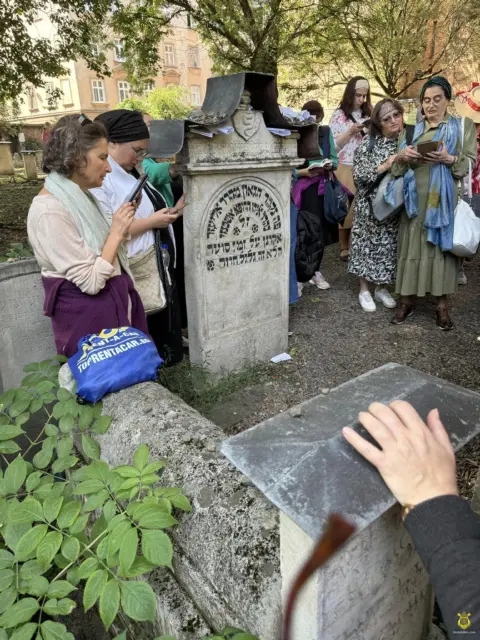
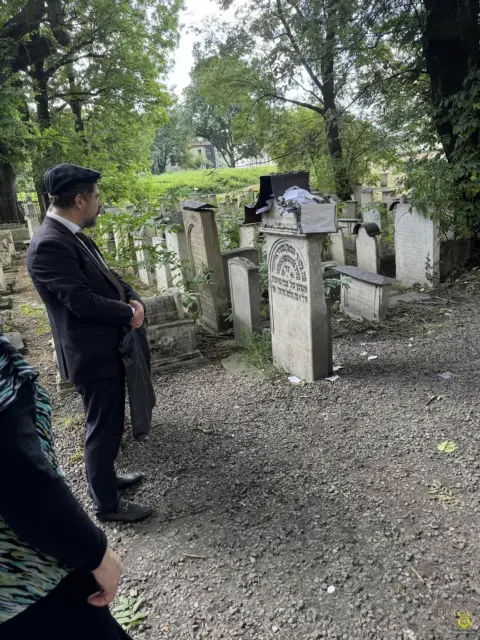
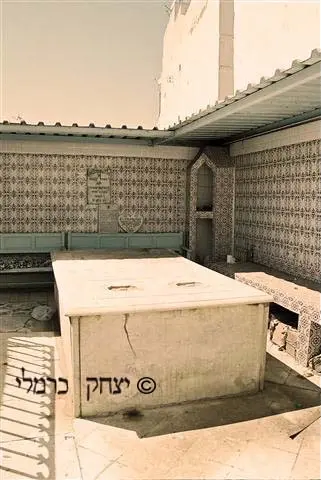
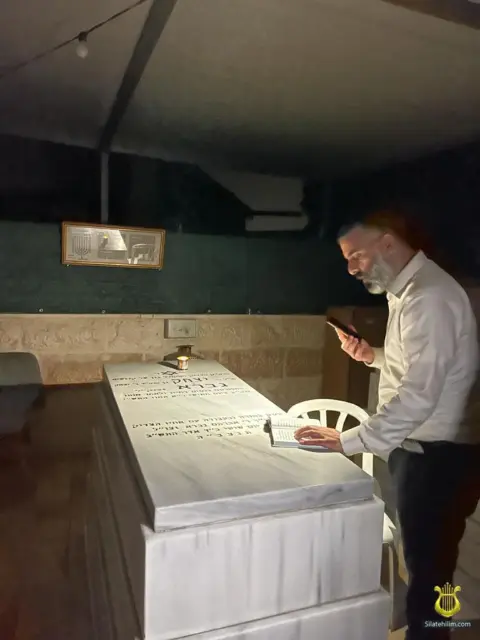
Grave
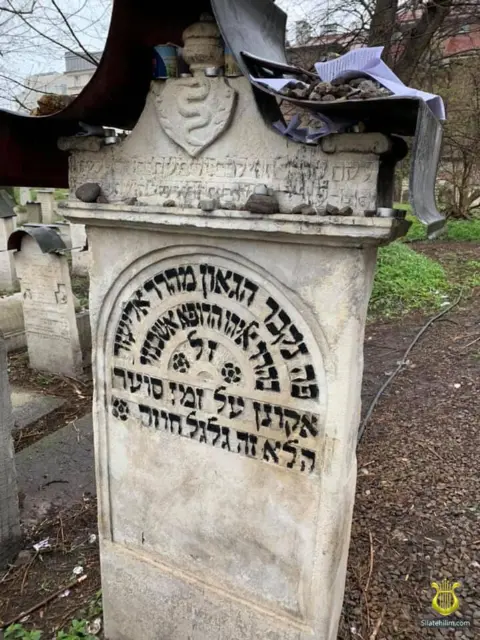
Eliezer Ashkenazi
Yahrzeit (Hillula)
- 22 Kislev — Yahrzeit/Hillula of Rabbi Eliezer Ashkenazi - the "Maasei Hashem"
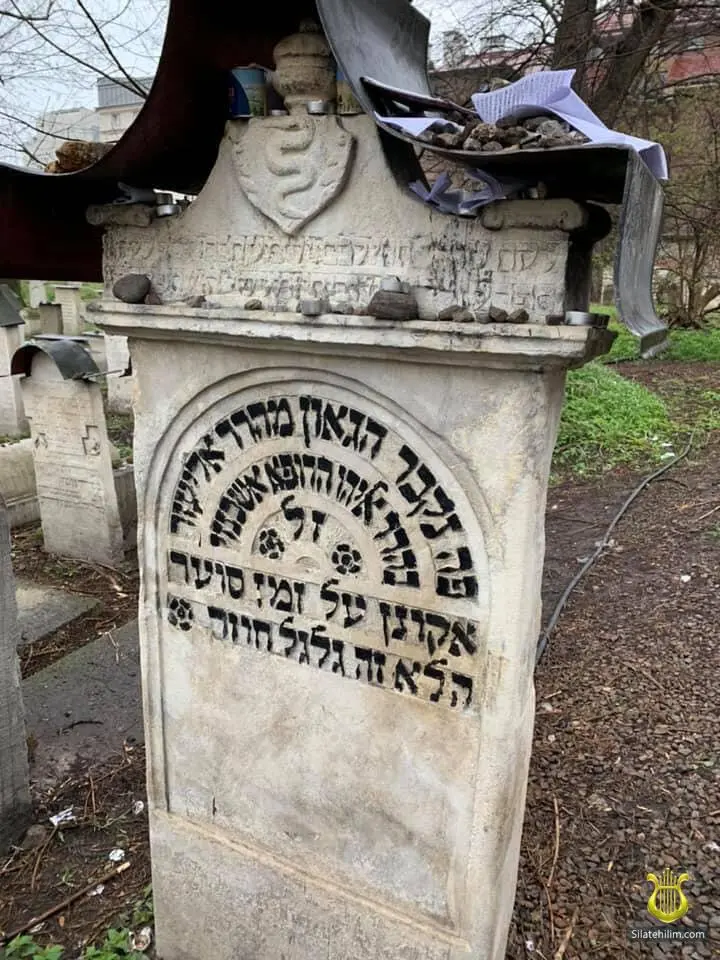
Resting place of Rabbi Eliezer ben Eliyahu Ashkenazi - the "Maasei Hashem" — Talmudist, rabbi, and physician.
Yahrzeit - 22 Kislev
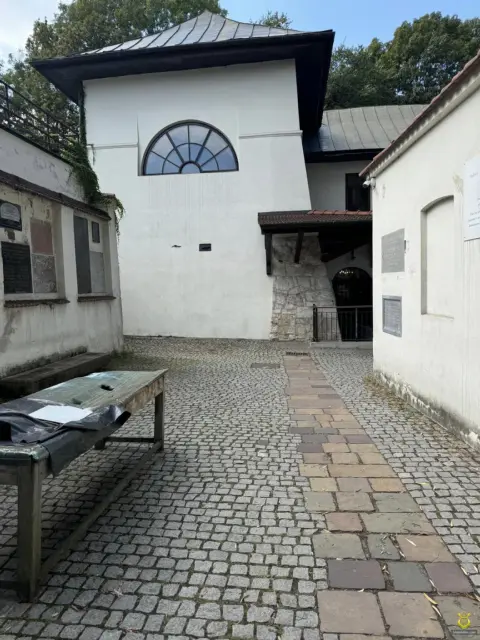
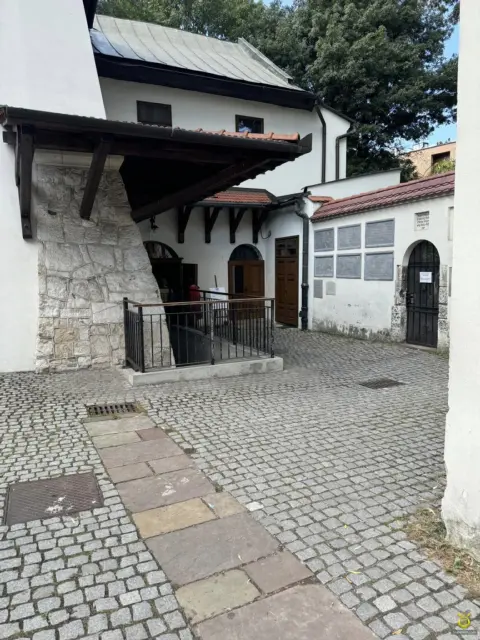
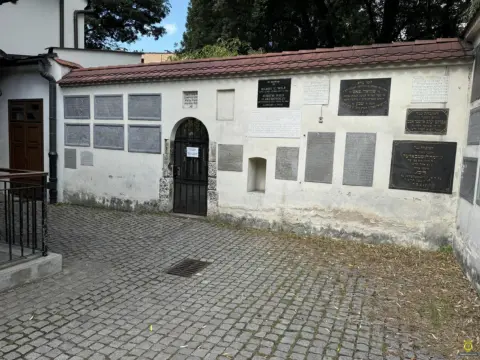
Burial place - Remah Cemetery, Krakow, Poland
Eliezer ben Eliyahu Ashkenazi was born in 1512. By his surname, he was of German origin (a relative of Joseph Colon), and he received his education from Joseph Taitazak in Salonika.
He first took up a rabbinical post, apparently in Fustat (Egypt), where his learning and wealth quickly brought him renown. Circumstances forced him to leave Egypt for Cyprus, where he served as rabbi in Famagusta for two years. A desire to see foreign lands led him to give up his position and set out on his travels.
Ashkenazi first went to Venice; however, a quarrel with the rabbis Meir Padua and his son Judah Katzenellenbogen forced him to move to Prague in 1561. There Ashkenazi was the first to sign the ordinance establishing the burial society.
Leaving Bohemia and traveling further east as far as the Crimea, Ashkenazi did not return to Italy before 1570. In Cremona he published the work "Yosef Lekach," a commentary on the Book of Esther dedicated to Joseph Nasi, Duke of Naxos (son of a converso).
Four years later Ashkenazi found himself in a rabbinical post in Poznan. In 1584 he moved to Krakow. Rabbi Eliezer Ashkenazi died in Krakow in 1585.
Ashkenazi's commentary contains original ideas: he argues, for example, that the stories of the Talmud and Midrash belong to the realm of allegory, written for moral instruction and edification; the same, he continues, can be said of the material in the books of the Prophets, with the exception of the Five Books of Moses.
To the question of why the heavenly bodies were created on the fourth day of Creation, Ashkenazi answers that until that day, only creatures without the gift of sight had been brought into being.
Ashkenazi scarcely influenced later generations, but his personality was extraordinary for his era. He can boldly be called the last of the Mohicans of the most brilliant period in Sephardic history.
At a time when the mysticism of the Arizal was beginning to trouble people in Egypt and Eretz Yisrael, Ashkenazi retained complete independence of thought. Although he was raised by a dreamer-kabbalist and was a companion of Moshe Alshich, he nevertheless studied philosophy and physics. Scholars such as Yosef Karo, the Rema, and Shlomo Luria regarded him as their equal.
In Venice, Ashkenazi issued a ruling by which a husband could be compelled to grant a divorce if his immoral conduct had turned his wife against him (Isserles, Responsa, No. 96).
This ruling was, in all likelihood, the cause of the hostility toward him among the aforementioned Venetian rabbis. From the standpoint of a literal reading of the Talmud, the rabbis' view was, of course, entirely correct; Ashkenazi's opinion diverged from that of the Tosafists, whose views were beyond appeal for German-Italian Jews.
Polish Jews understood a personality like Ashkenazi's even less than the Italians did.
A vivid example is the following: the "Roshei Yeshivot" (heads of academies) forbade students from establishing new academies near their own, but Ashkenazi refused to comply with the requirement; in a letter to Joseph ben Gershon HaCohen, the Rosh Yeshiva of Krakow, he pointed out that although the ordinance of the Polish rabbis was based on the authority of the Rambam, it nevertheless did not accord with freedom of teaching within the rabbinic world. Joseph Solomon Delmedigo notes that Ashkenazi remained misunderstood by the Poles; he rather wittily applies to Ashkenazi the following verse: "You brought a vine out of Egypt; You drove out nations and planted it." (Tehillim 80:9)
Ashkenazi's son Elijah published a collection of prayers, "Zivchei Shelamim," and wrote an elegy on his father's death.
This elegy is inscribed on Ashkenazi's tombstone at the old Remah cemetery in Krakow.
(https://www.geni.com/people/Eliezer-Ashkenazi-ABD-Posen-Maasei-Hashem/6000000010230840515)
Gallery