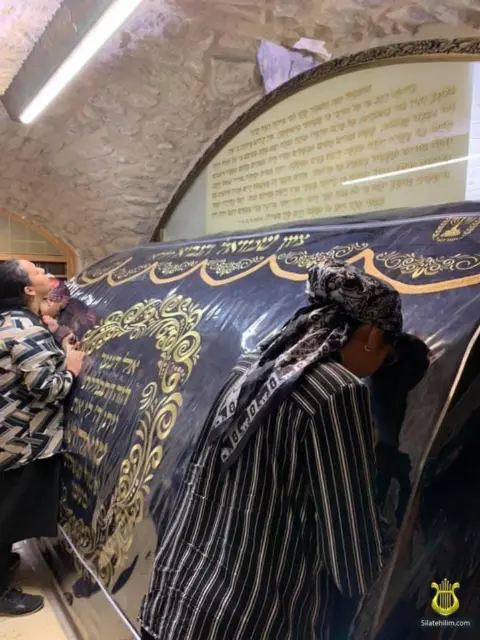
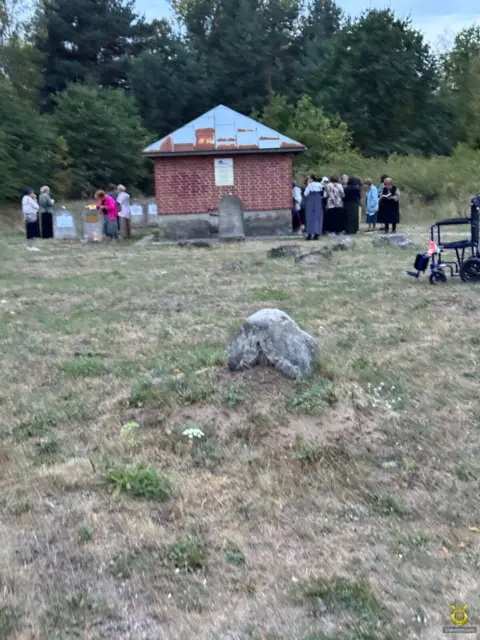
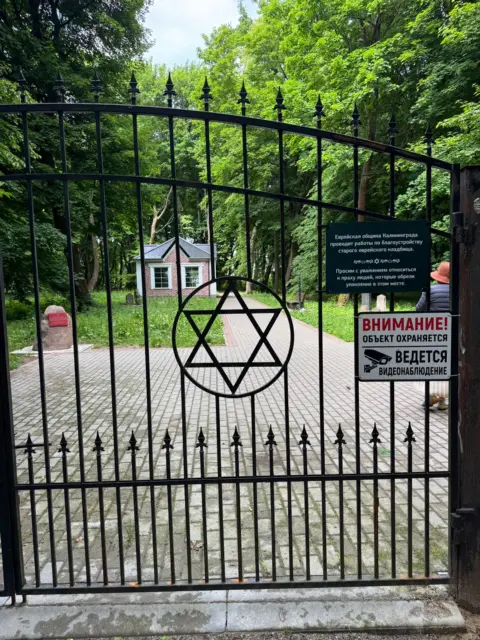
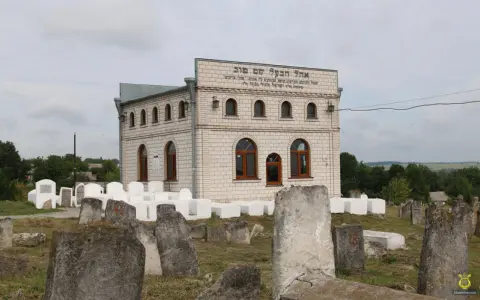
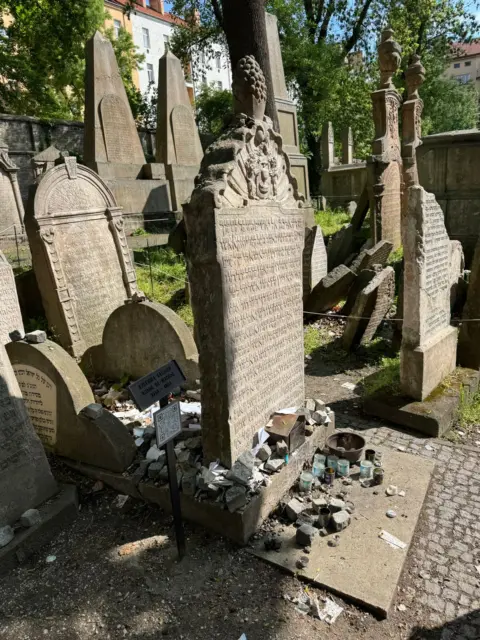
Grave
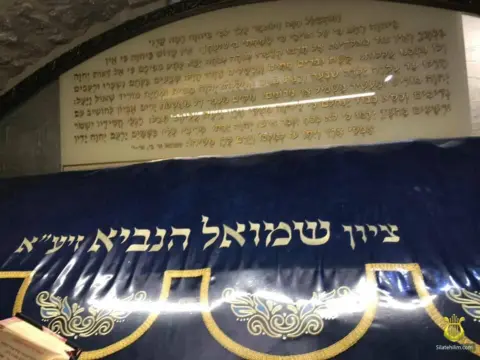
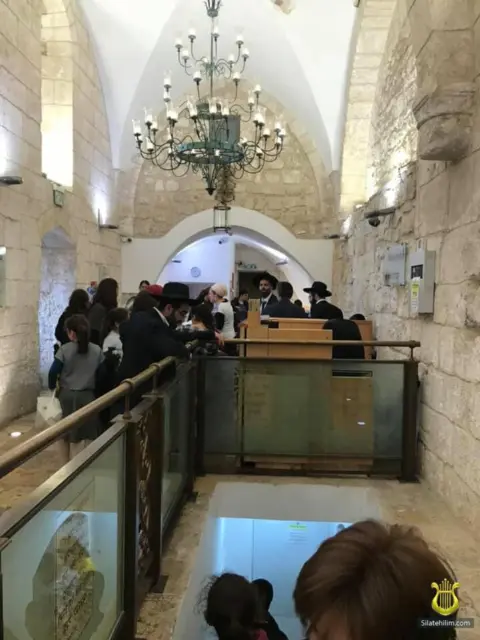
Shmuel HaNavi
Yahrzeit (Hillula)
- 28 Iyar — Shmuel HaNavi
28 Iyar - Yahrzeit of Shmuel HaNavi
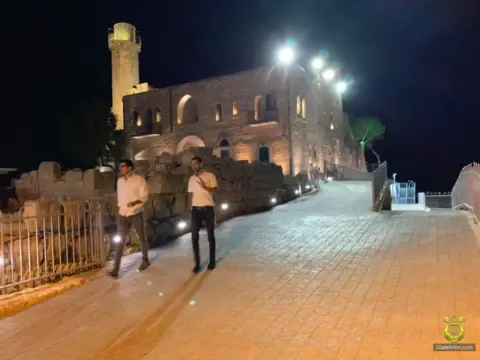
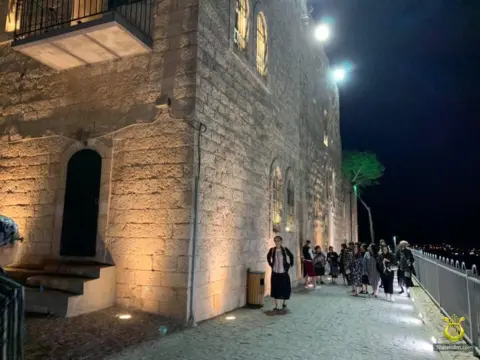
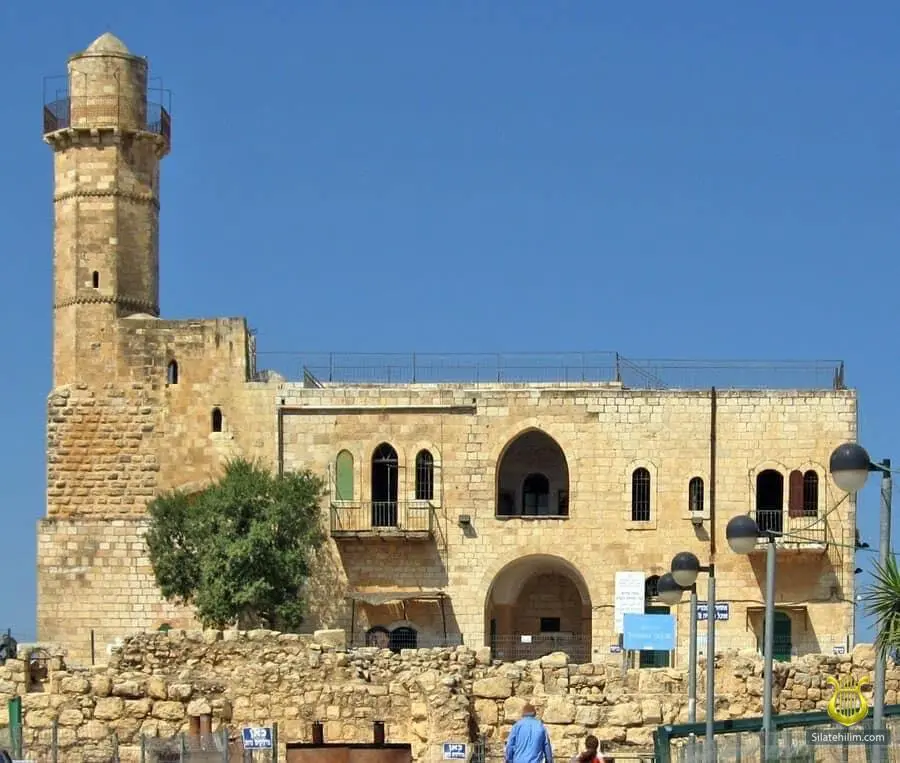
The burial site is in Jerusalem (Ramot), Highway 436 — visible from the window of the synagogue "Beit Sosha" (Ramot Dalet), a branch of the synagogue on Bolshaya Bronnaya in Moscow.
The Prophet Shmuel was the last judge of Israel before the era of the Kings. G-d instructed him to anoint Shaul as the first king of Israel, and later to anoint King David as his successor.
Shmuel is considered the "Father of All Prophets," second only to Moshe Rabbeinu and Aharon HaKohen.
According to the Ari, the root of Shmuel HaNavi's soul derives from Cain, the son of Adam.
Shmuel also attained an ibur — the souls of Nadav and Avihu, the sons of Aharon HaKohen. (Shaar HaGilgulim, Hakdama 32)
Shmuel's soul returned again as Aviya, the son of King Yeravam. (Shaar HaGilgulim, Hakdama 33).
In more recent history, Rabbi Shmuel Shmelke of Nikolsburg (1726–1778), a disciple of the Maggid of Mezeritch, was considered to possess a spark of the soul of Shmuel the Prophet.
The Story of Shmuel HaNavi's Birth
Elkanah had two wives, Chana and Penina. Chana was childless and had not borne children in nineteen years of marriage, while Penina had ten children. Our Sages teach that the A-lmighty loves to send trials specifically to the righteous, for He desires to hear their prayers.
Beyond the grief of her childlessness, Chana also suffered from Penina's taunts about her barrenness. Penina would say: "If you were truly righteous, the A-lmighty would not have withheld children from you!" Some commentators hold that Penina only intended to deepen Chana's anguish so that she would pray with greater intensity and persistence, and that the A-lmighty would sooner hear her prayer.
Elkanah loved Chana deeply, despite her childlessness.
"Do not weep — you are more precious to me than ten sons," he would tell her. "Rejoice in what you have, for this is the will of the A-lmighty."
Yet his words brought Chana no comfort. She could not accept her childlessness as a final verdict. Year after year she traveled with her husband to the Mishkan and prayed there that the A-lmighty would grant her a child. She made a vow that if she were given a son, she would dedicate him to the A-lmighty and bring him to serve in the Mishkan.
Chana prayed silently, so that her voice could not be heard — only her lips moved.
When the High Priest Eli saw Chana praying — trembling as she did — he assumed she was drunk. He therefore consulted the Urim VeTumim, where the letters appeared:
Shin, Kaf, Reish, Heh — from which the High Priest Eli formed the word "shikura" (drunk).
"He then asked Chana:
— Are you drunk?" — to which Chana replied:
— You have read it incorrectly. I am not drunk — not 'shikura.' I am 'kesara' (the same letters rearranged) — like Sarah (barren). I have come to pour out my tears over my childlessness."
Indeed, upon returning home, Chana soon conceived and gave birth to a son. She named him Shmuel, meaning "G-d has heard."
Shmuel was a remarkable child; the L-rd endowed him with wisdom and spiritual strength far beyond his years.
His righteous mother — though she had waited so long for him and loved him with all her heart — fulfilled her vow and, as soon as it was possible, brought him to the Mishkan and entrusted him to Eli, who raised him in holiness as a servant of the A-lmighty.
Each year, when she came to the Mishkan, Chana would bring her son a new cloak.
On the very day that Chana brought Shmuel to the Mishkan, the spirit of prophecy descended upon her, and she composed a song of praise to the A-lmighty — the same song we read every year on the High Holidays.
In this hymn, Chana alludes to the difficulty of parting with her son, and it contains prophecies about what will befall the Jewish people until the end of days.
Chana's prayer is one of the most significant prayers in Judaism. Several laws of prayer in general are derived from her example. It is stated of Chana that her voice could not be heard during prayer — from this is derived the law that one must pray quietly and is forbidden to raise one's voice. Yet Chana's lips did move, and therefore the law requires that the words of prayer be articulated with one's lips.
In some Eastern communities, passages from Chana's prayer are included in the daily morning service. Women add: "Master of the world! Just as You heard the prayer of Chana, so may You hear my prayer!"
Chana was a great woman. She rose above her sorrows and trials. Her song of praise to the A-lmighty became a cornerstone of our prayer. Her prayer was able to overturn the decree of the A-lmighty. She overcame her personal feelings and dedicated the most precious thing she had — her son — to the A-lmighty.
It is noteworthy that Shmuel HaNavi lived 52 years, which equals the gematria of the word "ben" — (son).
https://silatehilim.com/молитва-ханы-2/
https://silatehilim.com/ватитпалель-ханна-молитва-ханны/
Gallery