Grave
Shmaya and Avtalyon
Shmaya and Avtalyon - were among the earliest Tannaim, who lived 100 years before the destruction of the Second Temple, toward the end of the Hasmonean rule. They belonged to the fourth pair of Zugot (paired leaders) - heading the Sanhedrin for six years (3722-3728).
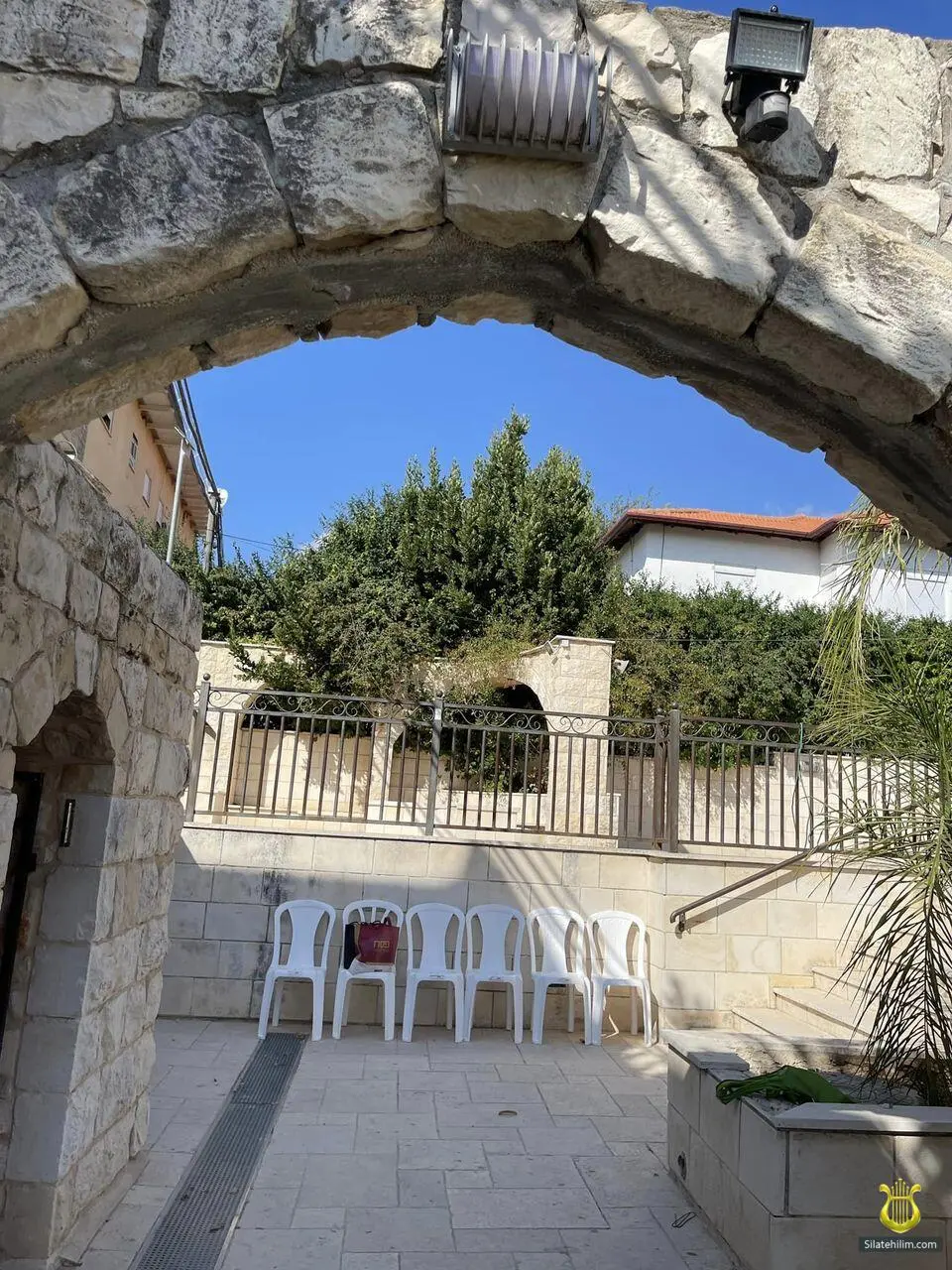
Their resting place is in Gush Halav, Israel.
After them came Hillel and Shammai.
Shmaya and Avtalyon were both converts - descendants of the Assyrian king Sancheriv, who besieged Jerusalem. They were held in great respect and love by the people.
Shmaya served as Nasi of Israel during the era of the Second Temple.
Shmaya served as Nasi at the end of Hasmonean rule, 100 years before the destruction of the Second Temple. Shmaya belonged to the fourth pair of Zugot together with Avtalyon, who served as Av Beit Din.
Shmaya was also a reincarnation of the Ruach of Zechariah, the prophet and priest who was murdered on the grounds of the Temple. Although Zechariah was killed unjustly, since he was rebuking the people of Israel for their sins, he was still held to some degree of accountability because of the harsh level at which he first shamed his people. His Ruach was reincarnated in Shmaya, and his Nefesh in Avtalyon.
After the death of Shimon ben Shetach, Shmaya HaNasi was appointed in his place, making him head of the Sanhedrin. His colleague - the head Av Beit Din - was Avtalyon. Most of their leadership took place during the reign of Hyrcanus and Aristobulus (Hyrcanus II and Aristobulus II). Together, Shmaya and Avtalyon led the central Beit Midrash for the study of Torah. To enter the Beit Midrash, every student had to pay a daily admission fee. This changed after Hillel nearly froze to death trying to listen to a Torah lesson through the skylight of the study hall on a freezing winter night. This incident occurred on a Shabbat morning, as a result of which Shmaya and Avtalyon desecrated the Shabbat in order to save Hillel's life. When it became known that Hillel had risked his life because he could not afford the admission fee, the fee for entering the Beit Midrash was abolished, making the study of Torah accessible to all.
Shmaya is a combination of the words "Shma" (listen) and "Kah" (Ha-Shem). Together this means: "Listen to me, Almighty."
Avtalyon held the position of Av Beit Din, serving as vice president of the Sanhedrin under Nasi Shmaya.
Avtalyon was a student of Rabbi Yehuda ben Tabai and Rabbi Shimon ben Shetach, the third pair of Zugot and leaders of their generation.
When the wicked King Alexander Yannai killed all the Torah sages, Rabbi Yehuda ben Tabai fled to Alexandria, Egypt. Avtalyon went into exile together with his teacher, escaping the massacre. They returned after Yannai's death, during the reign of Queen Shlomtzion.
Most commentaries state that Avtalyon's father was from a family of converts, while his mother was Jewish. According to this view, Avtalyon was born Jewish and could therefore hold the position of deputy head of the Sanhedrin.
There are others who claim that Avtalyon himself was a convert, and that the law forbidding a convert from serving as a judge applies only when alternative candidates are available. In Avtalyon's case, there was no one in the entire nation more worthy of the position. This was especially true given that many sages had been killed by the Sadducee kings who ruled Israel.
Avtalyon was a direct descendant of Sancheriv, the Assyrian ruler whose army was destroyed by angels during his attempt to conquer Jerusalem. Because of his ancestry, Avtalyon was unable to pronounce the letter "chaf" and mispronounced words containing it, using the letter "aleph" instead.
The name Avtalyon means, in Aramaic, "father of minors": "Av" (father) in Hebrew, and "talya" (minors) in Aramaic. Avtalyon ultimately became "father of minors" by serving as Av Beit Din and making decisions regarding the property and lives of young orphans.
Gilgul Neshamot
According to Kabbalah, Adramelech and Sharezer, two sons of Sancheriv, were reincarnated as Shmaya and Avtalyon.
They were among the few survivors of Sancheriv's army, which was struck down at night during the siege of Jerusalem: "And it came to pass that night, that an angel of the L-rd went out and struck in the camp of the Assyrians a hundred and eighty-five thousand. And when they arose early in the morning, behold, they were all dead bodies. So Sancheriv king of Assyria departed and went away and returned." (II Kings, 18:35-36).
Shaken by what they had seen, they killed their father upon learning that Sancheriv planned to sacrifice them to his god Nisroch in exchange for his own salvation. Adramelech and Sharezer then fled to Ararat and converted to Judaism. Although their intention was good, Adramelech and Sharezer still had to rectify the act of murdering their own father. This was rectified through their reincarnation as Shmaya and Avtalyon.
Avtalyon was also a reincarnation of the Nefesh of Zechariah, the prophet and priest who was murdered on the grounds of the Temple. Although Zechariah was killed unjustly, since he was rebuking the people of Israel for their sins, he was still held to some degree of accountability because of the harsh level at which he first shamed his people. His Nefesh was reincarnated in Avtalyon, and his Ruach in Shmaya. By being born as a non-Jew, or by erasing all the negativity of being born to a non-Jewish father, Zechariah's soul was able to erase everything he had said about his people.
The philosopher Aristotle shared the same soul-root as Avtalyon, and therefore lived the first part of his life as a Greek before converting to Judaism.
Sipurei Tzadikim
The Talmud tells that once, when the huge crowd accompanying the High Priest after the conclusion of the Yom Kippur service saw Shmaya and Avtalyon, the entire nation left the High Priest and surrounded the two sages. Stung, the High Priest cried out, alluding to their non-Jewish roots: "Go in peace, foreigners, on your way!"
The reply came: "There are foreigners who pursue peace, following the path of the High Priest Aaron, and there are descendants of Aaron who neglect his path." (Yoma 71b)
Sotah
At that time there lived a freed slave woman named Karkemit, whom her husband accused of adultery. Shmaya and Avtalyon, who headed the Sanhedrin, held that a freed slave could be subjected to the Sotah procedure and made to drink the bitter waters. One of the sages remarked that they had likely done this to lend legitimacy to converts like themselves, and that in fact they used fake water, dissolving a meaningless piece of paper in it. As punishment for insulting the honor of Shmaya and Avtalyon, this sage was placed under a ban until the day of his death and was stoned.
The principal students of Avtalyon were Hillel and Shammai. Hillel was known to be extremely careful to use the precise wording of his teachers when quoting them. After the deaths of Shmaya and Avtalyon, Jewish leadership passed to Bnei Beteira, who ultimately passed it on to Hillel and Menachem. Menachem was eventually succeeded by Shmaya. Hillel openly stated that his superiority in Torah knowledge over the sages of his generation came about through his humbling himself before Shmaya and Avtalyon.
Other Tannaim who lived during Avtalyon's time were Akavya ben Mahalalel, Admon, Chanan, the sons of Beteira, and Rebbi Yehuda ben Dursai.
Kever Tzadikim
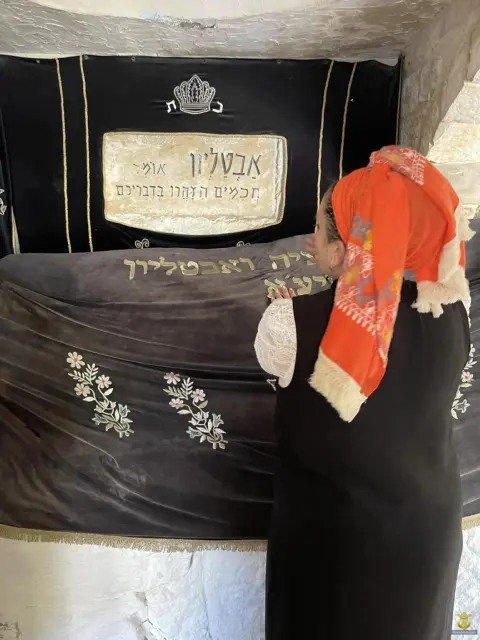
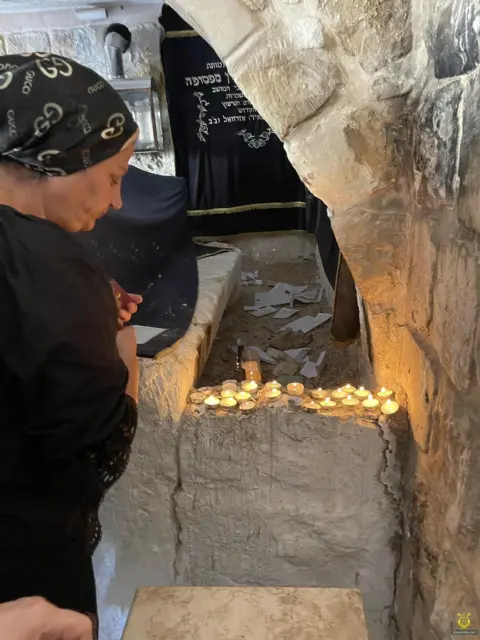
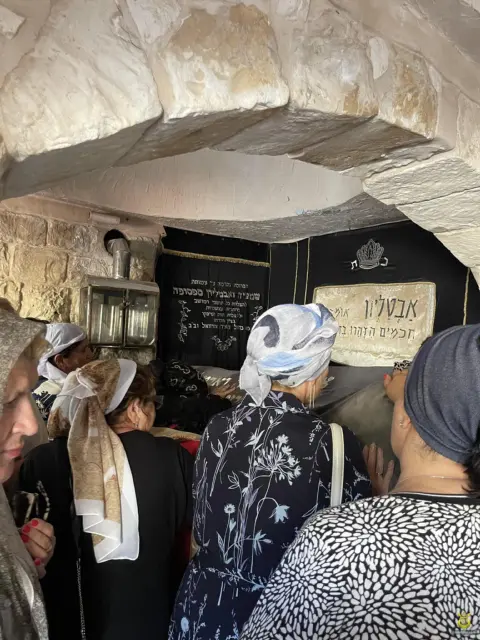
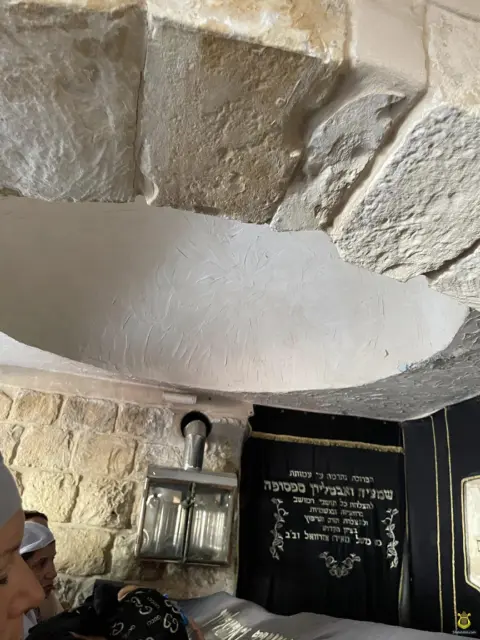
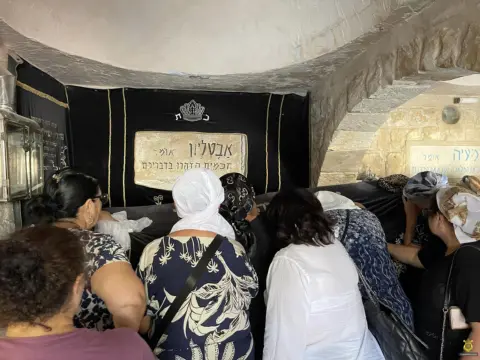
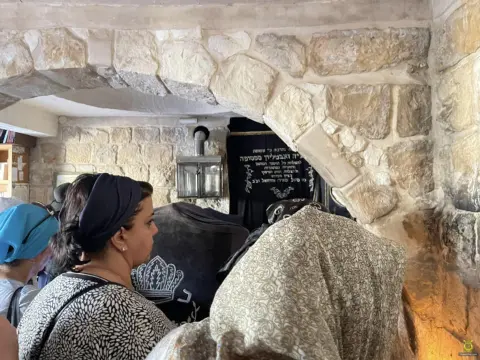
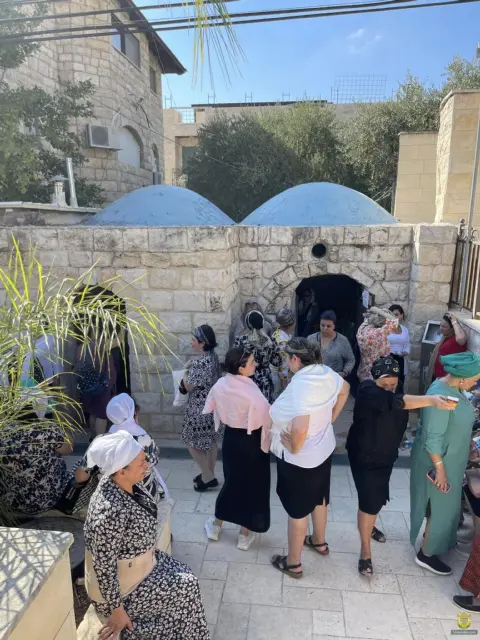
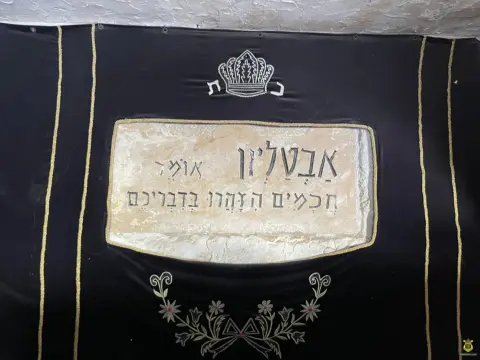
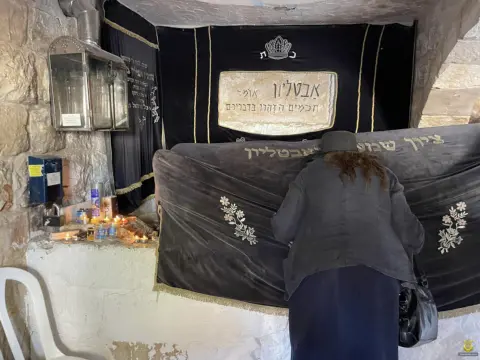
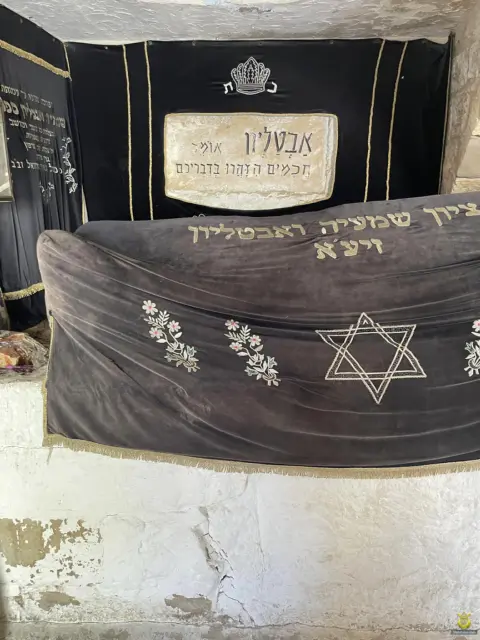
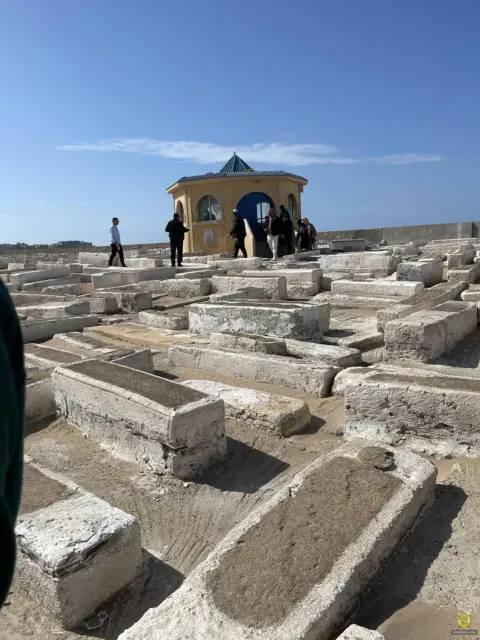
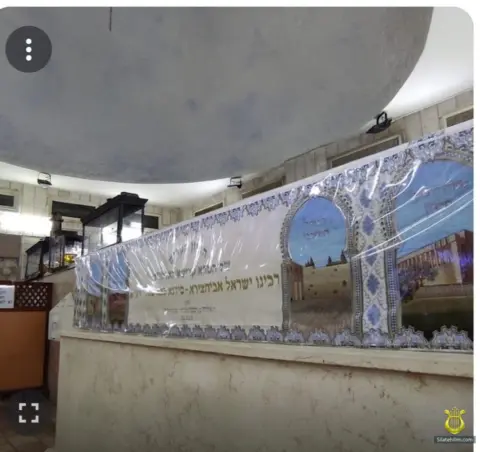
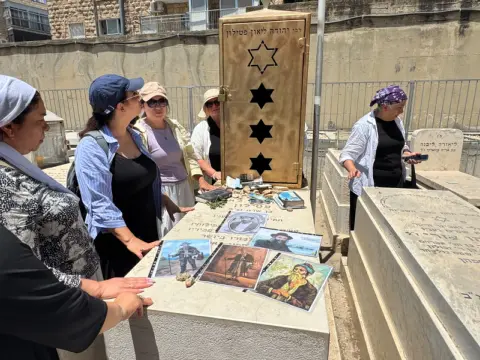
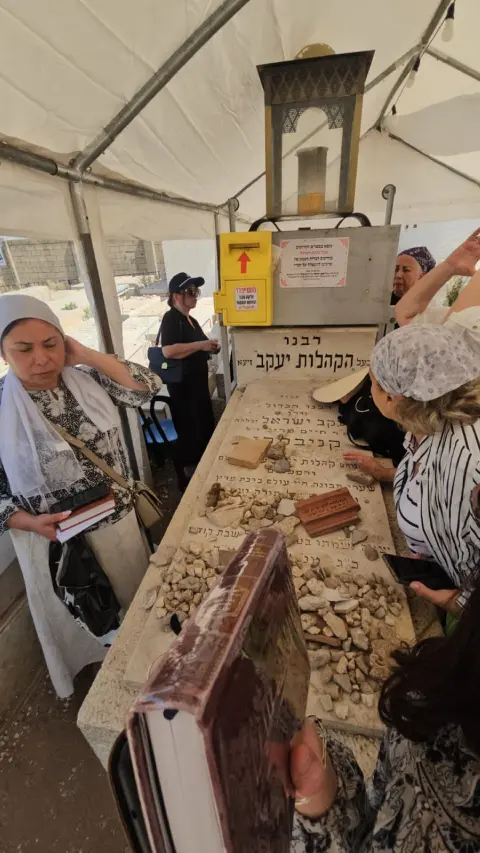
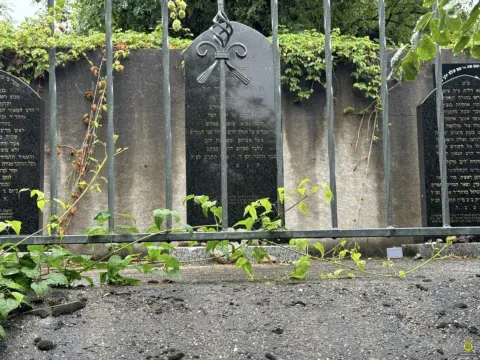
Avtalyon and Shmaya are buried in the Arab village of Gush Halav in northern Israel. They are buried on the plot of Adramelech and Sharezer, the sons of Sancheriv, who were blood relatives of Avtalyon and Shmaya and were also reincarnated as them.
The Arizal (may his merit protect us) together with his students prayed at the resting place of Shmaya and Avtalyon. He once told his students that Shmaya and Avtalyon had begged them to pray for the life of Mashiach ben Yosef. In their foolishness, they did not understand that this was a hint about the Arizal himself, and shortly thereafter he passed away.
Tikkun for Anger at the Mikveh of Shmaya and Avtalyon
Opposite the moshav of Safsufa, about 4 km north of Meron, there is a natural spring-water mikveh attributed to Shmaya and Avtalyon. According to this tradition, Avtalyon immersed in this mikveh at some point in his life.
The segula at the mikveh of Shmaya and Avtalyon is to perform a Tikkun for anger.
"Mikveh" has a gematria of 151, "Kaas" (anger) has a gematria of 150.
To overcome anger, one must immerse in the mikveh of Shmaya and Avtalyon 151 times.
Gallery